Beaches Near Dwarka: One Blue Flag Beach, Two Sacred Ghats and a Tidal Island
Near Dwarka there is one proper swimming beach, Shivrajpur, 12 km away, Gujarat's only Blue Flag certified beach with lifeguards and clean water. Beyond that, the coastline near Dwarka is sacred rather than recreational: Gomti Ghat is a ritual bathing ghat, Bhadkeshwar is a tidal temple island with dramatic coastal scenery, and Bet Dwarka is an island approached by ferry whose sandy shores frame the temple rather than serve as a beach. Understanding what each coastal point offers helps you plan your time at this peninsula town efficiently.
Useful References
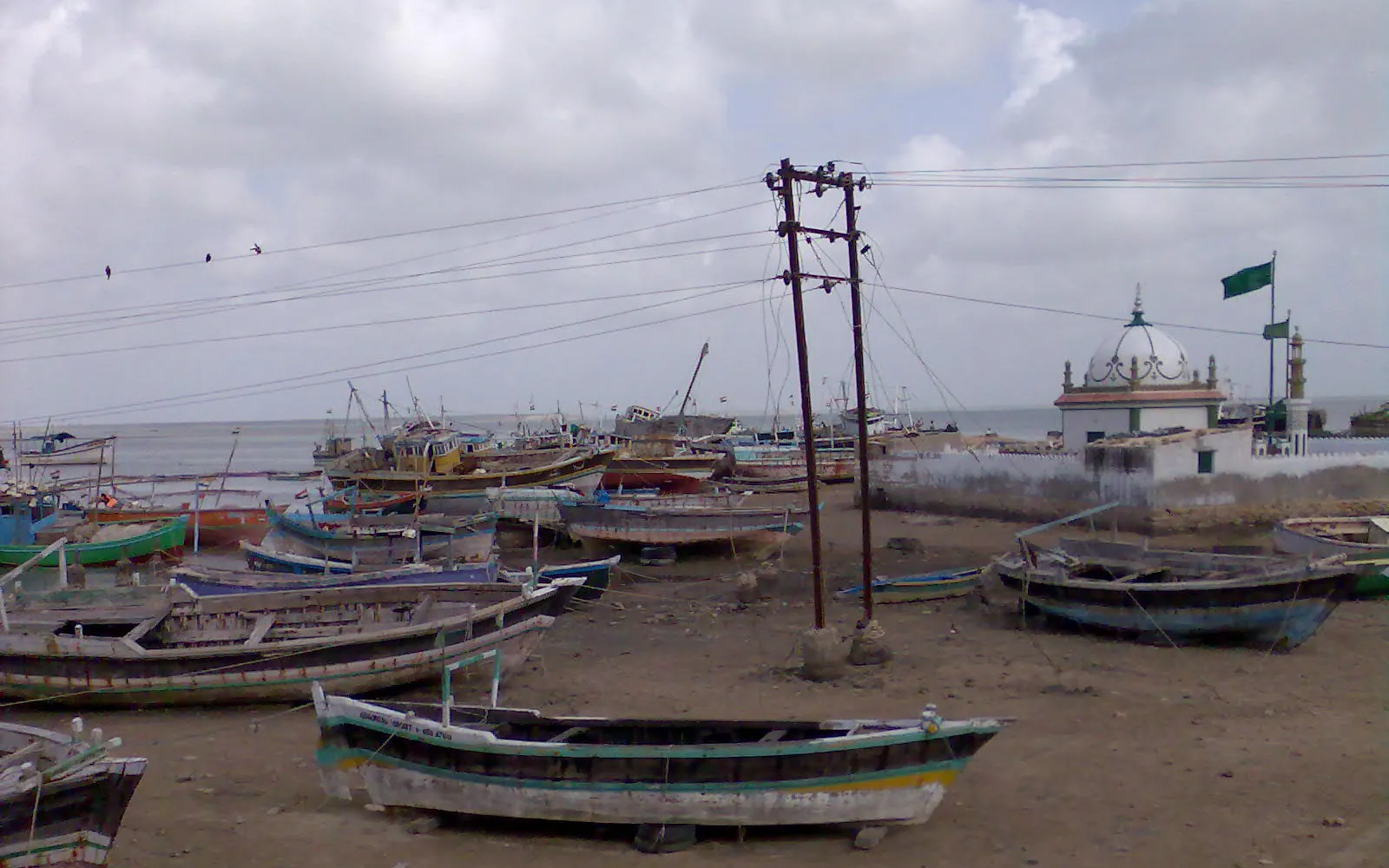
Shivrajpur Beach: The Only Proper Swimming Beach Near Dwarka
Shivrajpur Beach at 12 km from Dwarka is in a different category from every other coastal point in the area. It is the only beach with Blue Flag certification in all of Gujarat, meaning it meets 33 international criteria for water quality, safety, environmental management, and facilities. Trained lifeguards are deployed during operational hours. The water is regularly tested and meets safety standards. There are changing rooms, restrooms, and a refreshment area. No entry fee applies.
The beach faces the Arabian Sea to the west, giving it unobstructed sunset views, the sun descends directly into the water with no land in the way. This makes late afternoon visits (4 PM onward) particularly worthwhile in the October-February season when the sky produces the deep Saurashtra coast oranges and reds. The sand is light-coloured and relatively clean, the beach is wide enough to feel open even on moderately busy days, and the waves are moderate, suitable for wading and swimming for adults and older children.
Shivrajpur is best visited as an afternoon activity after morning temple darshan. The auto fare from Dwarka town is approximately ₹80-120 one way, journey time 15-20 minutes. Two-wheeler rentals from Dwarka town (₹300-500/day) give more flexibility for those who want to visit at their own pace. The beach is open from dawn to dusk and there is no formal closing time, though arriving after dark serves no purpose as facilities close with daylight. October to March is the ideal season, in monsoon (July-September), the beach may be closed and swimming is unsafe regardless.
Gomti Ghat: The Sacred Waterfront in Dwarka Town
Gomti Ghat is not a beach in any recreational sense, it is the sacred bathing ghat of Dwarka, where the Gomti River (a small tidal river considered sacred) meets the Arabian Sea immediately adjacent to the Dwarkadhish Temple complex. The ghat is used by pilgrims for ritual bathing before darshan at the main temple, as the tradition requires purification at the Gomti before entering the sanctum. The 56 sacred kunds (tanks) of Gomti Ghat are part of the traditional pilgrimage circuit.
The Sudama Setu, a pedestrian bridge across the Gomti, offers excellent views of the ghat, the river meeting the sea, and the Dwarkadhish Temple spire rising above the town. This view, particularly at sunrise or sunset, is one of the most photographed in all of Dwarka and justifiably so. The light on the temple spire at sunrise turns it to gold; at sunset, the western sky behind the ghat turns orange and the water reflects it back. You do not need to bathe at Gomti Ghat to enjoy this coastal atmosphere, simply walking to the ghat steps in the early morning or at dusk is one of the defining experiences of a Dwarka visit.
The Gomti Ghat waterfront also hosts the evening deepdaan (floating lamp offering) performed by pilgrims, particularly during festival periods like Kartik month and on Poonam. Watching dozens of small clay lamps float out on the current toward the sea at dusk, with the temple bells audible in the background and the sky shifting from orange to deep blue, is a devotional and sensory experience that Dwarka offers and nowhere else replicates exactly. This is the atmospheric quality of the Dwarka seafront that pilgrims carry in memory long after the specific details of the darshan fade.
Bhadkeshwar Mahadev: The Tidal Temple Island
Bhadkeshwar Mahadev Temple is 2 km from Dwarkadhish Temple (auto ₹40-60, 5-10 minutes). It sits on a small rocky island connected to the Dwarka peninsula by a narrow causeway that is submerged at high tide and walkable at low tide. This tidal nature, the temple accessible sometimes and not at others, is part of its sacred character, and local devotees treat it as a feature rather than an inconvenience. The deity inside is Lord Shiva (Bhadkeshwar Mahadev), making this one of the few places in the Char Dham Dwarka circuit where Shiva is the primary deity rather than Vishnu/Krishna.
The coastal setting of Bhadkeshwar is dramatic. The temple island sits surrounded by the Arabian Sea on three sides, with rocky coastal outcrops and the open sea visible from the causeway. At low tide, the rocky seafloor around the island is exposed and you can walk among the tide pools, small crabs, molluscs, and occasionally sea anemones in the shallow pools between rocks. The temple is open 24 hours but access depends entirely on tides. Always check tide timings before visiting, the local temple priests or your hotel can advise on the current day's safe access window.
The sunset view from the Bhadkeshwar causeway at low tide is one of Dwarka's finest. The western exposure means the sun sets directly ahead as you face the sea from the causeway, with the temple silhouette visible to one side. This combination of sacred architecture and natural coastal light, temple bells audible from inside while the sky burns above the water, is distinctive to Bhadkeshwar and not replicable at any other point in the Dwarka circuit. Many pilgrims time their Bhadkeshwar visit specifically for the late afternoon low-tide window to catch both the darshan and the sunset in one visit.
Bet Dwarka Island: The Sacred Shore
Bet Dwarka (also written Beyt Dwarka or Shankhodhar) is an island 36 km from Dwarka by road to Okha, then 3.5 km by ferry. The island has sandy coastal stretches, particularly around the jetty approach and on the eastern side facing the channel, but these are not developed beaches. The island's entire character is defined by its temple and its pilgrimage function. The sand on Bet Dwarka serves as the approach to the sacred site rather than as a recreational beach destination.
That said, the ferry crossing itself, and the views of the island from the water, give Bet Dwarka a maritime quality that adds something to the pilgrimage experience. Arriving at a sacred island by boat, watching the temple's gopuram emerge above the waterline as you approach, is a different experience from arriving at any temple by road. The island's sandy edges, the fishing boats moored at the jetty, the smell of salt air and the sound of the ferry engine, all combine into a sensory introduction to the darshan that follows. The "beach" at Bet Dwarka is therefore best understood as an integral part of the island experience rather than a separate attraction.
Bet Dwarka Temple is open 6 AM-12:30 PM and 3 PM-8 PM in summer, 6:30 AM-12:30 PM and 2:30-7:30 PM in winter. The best strategy for combining Bet Dwarka with its coastal experience is to plan a morning crossing, arrive before 10:30 AM for the morning darshan session, take time to walk the island's shore after darshan if the afternoon session is awaited, and return on the afternoon ferry. The government ferry fare is ₹40-50 per person. Since February 2024 you can also skip the boat entirely and cross by road on Sudarshan Setu, the 2.32 km bridge linking Okha to the island.
All Coastal Points at a Glance
| Coastal Point | Distance | Character | Swimming | Best For |
|---|---|---|---|---|
| Shivrajpur Beach | 12 km | Blue Flag beach, open sand, lifeguards | Yes, only safe option | Swimming, sunset, families |
| Gomti Ghat | In town | Sacred river ghat, ritual bathing | No, ritual dip only | Sunrise/sunset atmosphere, deepdaan |
| Bhadkeshwar Area | 2 km | Tidal rocky island, causeway access | No, rocky, tidal | Sunset views, temple visit at low tide |
| Bet Dwarka Island | 36 km + ferry | Island sandy approaches, jetty area | No, not a beach | Ferry experience, sacred island darshan |
| Sudama Setu Waterfront | In town | Pedestrian bridge river view | No | Temple spire views, photography |
The practical implication of this overview is clear: if you are traveling to Dwarka with children or with family members who want a sea swim, build Shivrajpur Beach into the itinerary as a definite visit rather than an optional one. The other coastal points, while devotionally and atmospherically rewarding, do not offer swimming. For pilgrims whose focus is entirely on darshan and spiritual experience, the ghats and Bhadkeshwar may be entirely satisfying without any visit to Shivrajpur. The Gomti Ghat waterfront at dawn or dusk is as powerful a sea experience as many people need.
Sunset Points: Where to Watch the Evening Sky
Dwarka's western orientation, the town faces the Arabian Sea to the west, means that virtually every coastal point is a viable sunset location. But some are better than others depending on what combination of natural and sacred scenery you want in the frame. The three best sunset experiences near Dwarka, in order of visual impact and ease of access, are as follows.
Shivrajpur Beach offers the most straightforward sunset: you sit on open sand facing the sea with nothing between you and the horizon. No buildings, no boats, no interruptions. The sky fills the entire width of your view and the water reflects the colours. This is the sunset-as-natural-spectacle option. Arrive by 4:30 PM in winter (the sun sets early) or 6 PM in summer to get beach time before the light goes. The drive back to Dwarka in the dark is easy and autos are available from the beach even after sunset.
Bhadkeshwar Mahadev at low tide gives the sunset-with-sacred-architecture option. The temple on its rocky island, the causeway leading out into the sea, the Shiva sanctum with its lamp visible through the doorway, and the western sky ablaze behind, this is the image of Dwarka at sunset that stays in memory. Timing is critical: you must be at Bhadkeshwar when it is both low tide (for causeway access) and near sunset. This alignment happens on a predictable schedule, check the tide table for the specific date of your visit.
Gomti Ghat at dusk is the most intimate of the three. You are in the heart of the pilgrimage town, pilgrims are performing evening rituals around you, the Dwarkadhish Temple bells are ringing for the Sandhya aarti somewhere above, and the Gomti River is turning gold then orange then dark as the sun sets behind the western ghat steps. This is not a natural landscape sunset, it is a devotional atmosphere at dusk. It requires no travel beyond walking from the temple to the ghat, and for pilgrims whose primary experience is the sacred rather than the scenic, it is the most fitting close to a Dwarka day.
Frequently Asked Questions
Also Read
Shivrajpur Beach Dwarka
Gujarat's only Blue Flag beach, 12 km from Dwarka. Complete guide to what to expect, best time, and how to get there.
Read MoreBhadkeshwar Mahadev Temple
The tidal Shiva temple 2 km from Dwarkadhish, how to visit, tide timing, and what makes it special.
Read MoreGomti Ghat Dwarka
The sacred river ghat at Dwarka, its religious significance, the 56 kunds, and the deepdaan at sunset.
Read More