Dwarka in November: Cool Weather, Open Temples and the Calm Before Peak Season
November is the quiet gold of Dwarka's pilgrimage calendar, the monsoon has fully withdrawn, temperatures sit between 20°C and 30°C, all temples are open on full schedules, and the December-January flood of pilgrims has not yet arrived. For those who want proper, unhurried darshan at Dwarkadhish, this month is often better than the peak season itself.
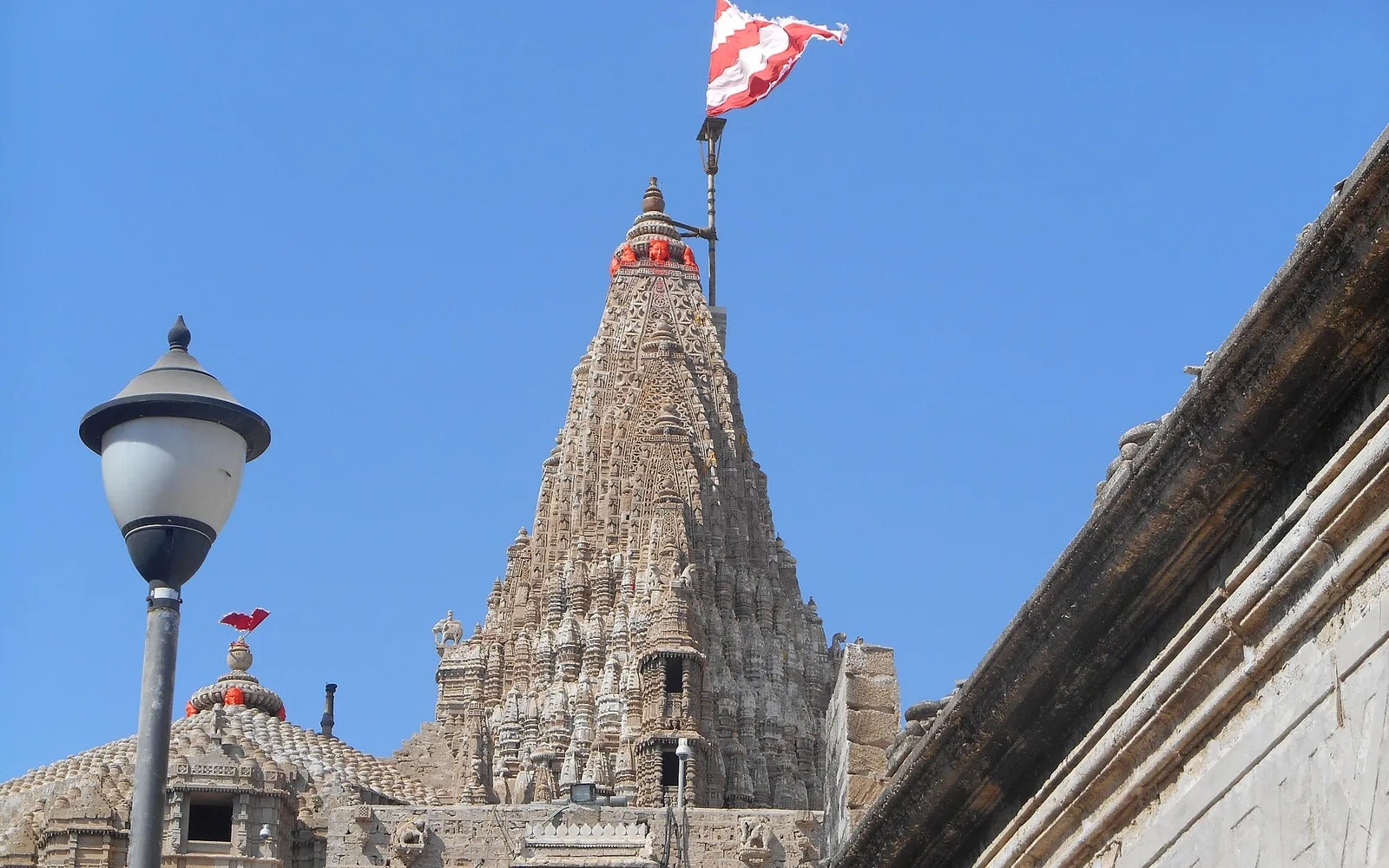
Why November Is the Pilgrim's Insider Secret
Most devotees plan Dwarka for December or January, drawn by the idea of winter darshan. What they do not realise is that November offers everything December does, the cool weather, the clear skies, the full temple schedule, without the crushing crowds and sky-high hotel prices that come with the peak season. The moment Diwali is over, Dwarka settles into a beautiful, calm rhythm that lasts until around the 20th of November.
The mornings in November are genuinely refreshing. By 5:30 AM when the queue forms outside Swarga Dwar for Mangla Aarti, the temperature is around 20-22°C. There is a light sea breeze from the Arabian Sea, the kind that makes standing in a queue feel like a devotional preparation rather than an ordeal. The light at Gomti Ghat during the Sandhya Aarti, which happens around 6:15–6:30 PM in November as sunset comes earlier, is exceptionally warm and golden.
The other often-overlooked benefit is that accommodation prices in November are lower than in December and January. The same dharamshalas and guesthouses near Swarga Dwar that get fully booked at elevated rates in peak season are readily available in November, often at rates 20-40% lower. This makes November particularly suitable for families and devotees who want to take their time without budgeting pressure.
Temple Timings in November
All major temples in and around Dwarka operate on their standard schedules throughout November. There are no seasonal closures. Below is the full picture:
| Temple | Morning Hours | Afternoon/Evening Hours |
|---|---|---|
| Dwarkadhish Temple | 6:00 AM (Mangla) – 1:00 PM (closes) | 5:00 PM (Uthapan) – 9:00 PM (Shayan) |
| Rukmini Devi Temple | 8:30 AM – 12:30 PM | 5:00 PM – 8:30 PM |
| ISKCON Dwarka | 4:30 AM (Mangala) – 1:00 PM | 4:30 PM – 8:30 PM |
| Nageshwar Jyotirlinga | 5:00 AM – 12:00 PM | 12:00 PM – 9:00 PM |
| Bet Dwarka Temple | 6:00 AM – 12:30 PM | 3:00 PM – 8:00 PM |
| Bhadkeshwar Mahadev | Tide-dependent only | Tide-dependent only |
Bhadkeshwar Mahadev remains tide-dependent year-round. In November, the tidal calendar is stable. Check the local tide chart the morning of your planned visit, low tide windows in November typically fall in the early morning or late afternoon, which happens to align well with sunrise visits.
The Sandhya Aarti at Dwarkadhish shifts progressively earlier through November as sunset comes sooner each day. By the end of November it is occurring around 6:00–6:15 PM, which means if you want to attend, arriving at the temple by 5:30 PM is advisable. The evening crowd at the Gomti Ghat Aarti is lighter than in December, making it possible to stand close and witness the lamps without being overwhelmed.
The Kartik Purnima Factor
Kartik Purnima, the full moon of the Kartik month in the Hindu calendar, falls in late October or November depending on the year. This is considered one of the most sacred days in Vaishnava tradition, and Dwarka being the city of Lord Krishna means that Kartik Purnima here carries special religious weight. On this day, devotees take a holy dip at Gomti Ghat at dawn, and the Dwarkadhish Temple sees darshan lines that rival January weekends.
If Kartik Purnima falls in November in the year you are planning your visit, it changes the crowd equation significantly for those two or three days. The rest of the month remains quiet, but the Purnima itself and the day before can see substantial pilgrim gatherings. Hotels near the temple get booked on these specific dates even when the surrounding weeks are empty. The practical advice is to confirm the exact Kartik Purnima date for your year and either plan around it or plan specifically for it, depending on whether you want the festival energy or the quiet month.
The boat service to Bet Dwarka from Okha jetty runs fully through November, and the 20-30 minute crossing on the Arabian Sea is particularly pleasant in this month. The sea is calm, the light is clear, and the Bet Dwarka temple, which sometimes sees longer queues in peak season, is accessible without a long wait on most November days.
Day-by-Day Planning for November
A three-day November visit to Dwarka can be comfortably structured without the rushed planning that peak-season requires. The standard darshan circuit, Dwarkadhish, Gomti Ghat, Rukmini Devi, Nageshwar, Bet Dwarka, Bhadkeshwar, is achievable in two full days with a morning dedicated to each cluster.
In November, this itinerary can be followed without the hurry that December crowds impose. You will not be rushed out of a queue, and temple priests are generally more accessible for questions and brief conversations than they are during the January rush. It is also a good month to sit at the Gomti Ghat for extended periods, morning or evening, without the space being entirely occupied by other pilgrims.
Getting to Dwarka in November
November is not a holiday month in the same way that December-January are, which means trains and buses to Dwarka have better availability. The Dwarka Express from Ahmedabad takes approximately 9 hours. The Saurashtra Mail from Mumbai to Okha (with Dwarka on the route) is one of the most reliable connections and typically has berths available in November without the need for booking weeks in advance, though booking 10-15 days ahead is still wise.
Auto-rickshaws and shared tempos between Dwarka Railway Station and the Dwarkadhish Temple, a distance of 1 km, operate throughout the day. The auto fare is ₹30-50. In November, these are readily available without the waiting that December sometimes brings when every auto is already occupied.
What to Pack for November in Dwarka
November's 20-30°C range means light cotton clothes for the day and one or two light layers for the morning aarti hours. The 5:30–6:30 AM window at Mangla Aarti has a chill to it, nothing severe, but a light jacket or shawl is welcome. By 9 AM the warmth returns and you will not need it again until the following predawn.
Comfortable sandals or slip-on footwear are essential, you will remove your shoes frequently at temple entrances. The Dwarkadhish Temple complex charges ₹20-40 for locker storage of footwear at both Swarga Dwar and Moksha Dwar. A small shoulder bag for your locker token, water bottle, and prasad is more practical than a backpack. Dress conservatively, no shorts or sleeveless clothing inside temple premises. Do not carry mobile phones into the main sanctum of Dwarkadhish Temple; they are not allowed, and the lockers at the gate handle phone storage.
If you plan to visit Bet Dwarka by ferry, carry a light windbreaker for the boat crossing. The Arabian Sea crossing in November has a light chop and a pleasant spray, but it is not rough. The government ferry charges ₹40-50 per person for the 3.5 km crossing. Most visitors now simply drive across Sudarshan Setu, whose footpath carries verses from the Bhagavad Gita.
Frequently Asked Questions
Also Read
Bet Dwarka
Guide to Bet Dwarka island: ferry from Okha, the Sudarshan Setu bridge, seasonal temple timings, and what to see on the island where Krishna lived.
Read Full GuideBest Time to Visit Dwarka
Month-by-month breakdown of weather, crowds, and festivals to pick the right date for your pilgrimage.
Read MoreDwarkadhish Temple Timings
Full daily aarti and darshan schedule, from Mangla at 6 AM to Shayan Aarti at 9 PM.
Read MoreGomti Ghat Dwarka
The sacred riverfront where the Sandhya Aarti lights the evening sky, what to expect and when to arrive.
Read More