Dwarka with Family: What You Must Know Before You Bring Children and Elders
A family trip to Dwarka works well when the schedule respects the realities of mixed-age groups, temple queues that can stretch 2–3 hours in peak season, midday heat, uneven ghat steps, and tide-dependent temples. Plan around these and the trip becomes smooth; ignore them and it becomes exhausting.
The Core Challenge of a Family Visit to Dwarka
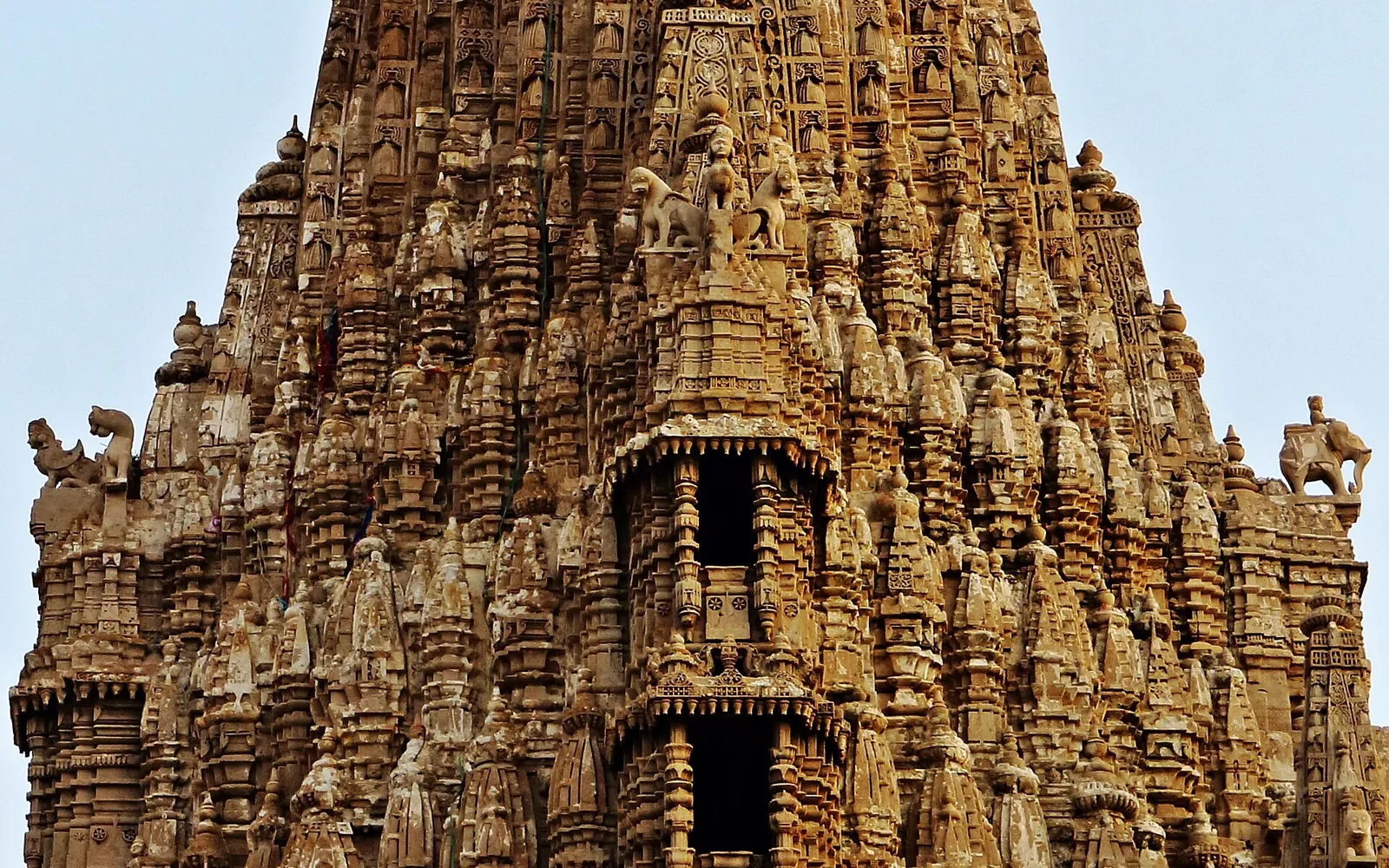
Dwarka is not a theme park and it does not operate on family convenience schedules. The Dwarkadhish Temple runs on aarti timings that start at 6 AM and the midday closure from 1 PM to 5 PM is absolute, no exceptions. In peak season (October through February), the general darshan queue can take 2–3 hours from Swarga Dwar to the inner sanctum. Standing in this queue with young children or elderly relatives who have joint problems requires very careful timing, arriving right at opening rather than mid-morning, since the temple has no paid VIP or priority-queue pass, every pilgrim uses the same general darshan line.
The temple complex involves standing, walking on smooth stone floors that become hot in summer, and climbing some steps at the main mandapa. There are no elevators. Wheelchairs can be brought to the courtyard level and temple staff do assist elderly devotees through a separate entry point, ask at the main gate. However this is informal rather than a formal accessibility programme.
The good news: Dwarka town itself is compact and manageable. Most major temples are within 3 km of the Dwarkadhish Temple. Autos are readily available for ₹30–80 to any nearby site. Accommodation within 300 metres of the main temple means elderly family members can rest and return for aartis at different times of day without long travel between.
Best Time of Day for Families at Dwarkadhish Temple
The temple sees its lightest footfall on weekday mornings between 7 AM and 10 AM, outside the October–February peak season. If you arrive at Swarga Dwar (the main entrance from the north side) at 7 AM on a Tuesday in September or March, general darshan queue time is typically 45 minutes to 1 hour. The same queue on a Saturday in January or during any festival week will be 2.5–4 hours.
For families with children under 10 or elders who cannot stand for extended periods, there is no official "VIP darshan" pass to buy, Dwarkadhish Temple runs a single general darshan queue for every pilgrim and it has always been free. Unlike some major temples such as Tirupati or Siddhivinayak, which do run paid priority-darshan schemes, Dwarkadhish does not, and anyone near Swarga Dwar or online offering a paid "VIP darshan pass" for a fee is not affiliated with the temple trust; do not pay them. The genuinely practical move is timing: send one adult ahead around 6:00 AM when the Mangla Aarti begins, since the general queue is shortest between 6:00 and 7:00 AM and on weekday mornings, typically 30–45 minutes, versus 2–3 hours if you arrive mid-morning in peak season.
Avoid 11 AM to 1 PM for any temple visits. This is when the main temple courtyard is at its hottest, queues are longest (as latecomers try to squeeze in before the 1 PM closure), and children become most irritable. The 1–5 PM closure is actually useful for families, use this time to eat a proper meal, rest at the hotel, and let children sleep if needed before the evening aarti.
Recommended Temple Order for Families
Start with Dwarkadhish Temple on Day 1 morning, this is the primary purpose of the visit and family energy is highest on the first full day. Get the main darshan done before 10 AM. After resting through the midday closure, visit Gomti Ghat in the early evening and then attend the Sandhya Aarti at sunset at the temple. This combination, morning darshan and evening aarti, covers the main Dwarkadhish experience without physically exhausting anyone.
Day 2 for families works well as the outlying temple day. Rukmini Devi Temple (2.5 km, auto ₹50–70) is small, uncrowded, and takes only 30–45 minutes including time to appreciate the exterior carvings. ISKCON Dwarka (3 km, auto ₹60–80) has well-maintained gardens, clean facilities, and a child-friendly atmosphere. The ISKCON prasadam lunch at 12–1:30 PM is generous and reliably clean. Shivrajpur Beach (12 km) in the afternoon gives children the outdoor break they need after two days of temple visits.
Bet Dwarka (Day 3 for families who want to include it): manageable if the group starts by 7 AM and limits island time to 2 hours. The ferry itself is an attraction for children. Nageshwar, 17 km from Dwarka, is a straightforward temple visit, flat, open, and easy to navigate. Combining Bet Dwarka and Nageshwar in one day works for most families.
What to Skip or Deprioritise with Family
Bhadkeshwar Mahadev: Skip this entirely if there are elderly members with mobility issues or if children under 6 are in the group, unless the tide is very low and the path is clearly dry. The path across the rocks can be slippery even at low tide. The visual experience of the tide-surrounded temple is spectacular, but it requires a degree of surefootedness that not all family members may have. If you decide to visit, go in sandals with good grip, not in slippers, and never when any part of the path looks wet.
Gomti Ghat steps: The 56 ghats descend to the river and are steep in places. For elderly relatives, walking down is manageable but coming back up requires stamina. A porter service is informally available near the ghat. Alternatively, elderly members can sit at the top ghat level and take darshan from there while younger family members descend.
Early morning Mangla Aarti for children: The 6 AM Mangla Aarti is ideal for adults who want the most intimate temple experience, but waking children at 4:30–5 AM to queue is unnecessary. Adults can attend Mangla while children sleep; the full family joins for the 7 AM Shringar Aarti or mid-morning darshan instead. Missing the Mangla Aarti does not diminish a family darshan experience, the Rajbhog (12 PM) and Sandhya (sunset) aartis are equally meaningful and more child-accessible in terms of timing.
Accommodation Tips for Families
Book accommodation within 500 metres of Dwarkadhish Temple. This is the single most important logistical decision for a family visit. When elderly members need to rest between aartis, or when children need a midday nap, being a 5-minute walk from the hotel rather than a 20-minute auto ride makes an enormous difference. Rooms in this radius range from ₹800 to ₹3,000+ per night depending on season and category.
For families with infants or toddlers, request ground or first floor rooms, many older hotels in Dwarka have no lifts. Confirm hot water availability and whether the hotel serves breakfast. Several good mid-range family hotels operate near Swarga Dwar with multi-bed rooms or connected rooms. Booking directly with the Dwarkadhish Temple Trust guest house is also an option, they give priority to pilgrims and the quality is consistent. Contact the trust well in advance for peak season.
Pack light clothing for the temple but carry a dupatta or stole for women and a kurta or full-length trousers for men and older boys. Dress code is enforced at Swarga Dwar, shorts and sleeveless are not permitted for any age group. Younger children below 5 in casual clothes are generally not challenged, but older children should dress appropriately. Having proper clothes packed saves the embarrassment of buying a wrap at the gate stalls at inflated prices.
Frequently Asked Questions
Also Read
Bet Dwarka
Guide to Bet Dwarka island: ferry from Okha, the Sudarshan Setu bridge, seasonal temple timings, and what to see on the island where Krishna lived.
Read Full GuideGomti Ghat Dwarka
Gomti Ghat Dwarka aarti timings: Sandhya Aarti at sunset, 6:30 PM to 7:30 PM daily.
Read Full GuideDwarka Darshan Itinerary
A structured day-by-day darshan plan for Dwarka covering all major temples and ghats in the right sequence.
Read MoreBest Time to Visit Dwarka
Month-by-month weather and crowd guide to help families pick the right season for a comfortable visit.
Read MoreHotels in Dwarka
Accommodation options near the temple for all budgets, from dharamshalas to comfortable family hotels.
Read More