Nageshwar Jyotirlinga to Somnath: 241 km Between India's First and 11th Jyotirlinga
Nageshwar Jyotirlinga to Somnath Jyotirlinga is 241 km by road, 4.5 to 5 hours of driving. The route from Nageshwar goes southeast to Dwarka (17 km), then south on NH947 through Porbandar and Veraval to Somnath. No direct train connects the Nageshwar area to Somnath; private taxi from Dwarka is the standard travel option for this Saurashtra Jyotirlinga circuit.

The Significance of This Journey: First and 11th Jyotirlinga
Among the 12 Jyotirlingas of Lord Shiva, Somnath holds the first position and Nageshwar holds the eleventh. Both lie within Gujarat, making the state the only one in India with two of the sacred twelve Jyotirlingas. The theological and pilgrimage significance of traveling between these two specific sites is considerable. A devotee who visits both Somnath and Nageshwar within the same journey has completed one-sixth of the complete 12 Jyotirlinga circuit in one Saurashtra tour.
Somnath, on the Arabian Sea coast near Veraval, is considered the most ancient and the most frequently attacked and rebuilt of all the Jyotirlingas. The current Somnath temple, rebuilt in the Chalukya style after Independence, stands on the same site where successive temples have stood and been destroyed and rebuilt over millennia. The Jyotirlinga here is known as Somnath or Someshwara, the lord of the moon (Soma). Nageshwar, near Dwarka, is the Jyotirlinga of Nageshwara, the lord of serpents. Both represent cosmic dimensions of Shiva's sovereignty.
For a pilgrim who has completed Nageshwar darshan and is now heading toward Somnath, the 241 km drive through the Saurashtra coast is itself a sacred geography. The landscape between these two Jyotirlingas passes through the coastline of western Gujarat, through Porbandar (Gandhi's birthplace and the site of Sudama's home from Krishna's life), through Madhavpur (site of Krishna and Rukmini's wedding), and toward Bhalka Tirth near Somnath (site of Krishna's departure from the earthly realm). This is, quite literally, the landscape of India's greatest stories.
Route Breakdown: Nageshwar to Somnath
The practical route from Nageshwar to Somnath has two segments: the short 17 km stretch back to Dwarka, and then the 236 km main highway south from Dwarka to Somnath. There are two variations for the second segment, the direct NH947 route and the via-Porbandar coastal route. Each has its advantages.
The direct route from Dwarka to Somnath runs inland through the Saurashtra plains, a broadly flat, semi-arid landscape with agricultural land and scattered towns. The highway passes near Jamnagar (you bypass rather than enter the city) before continuing south. Traffic is generally manageable except around major towns at peak hours.
The Porbandar variation takes you along the coast through Porbandar town before rejoining the highway toward Somnath. It adds 28 km and roughly 45-60 minutes, but allows a stop at Kirti Mandir (Gandhi's birthplace), Sudama Mandir (dedicated to Krishna's friend Sudama who was from Porbandar), and the Madhavpur beach and temple (site of Krishna-Rukmini marriage, 30 km from Porbandar toward Somnath). For a pilgrimage-focused traveler, the Porbandar route enriches what would otherwise be a long, largely featureless drive.
Transport Options: Nageshwar to Somnath
Private Taxi (Recommended)
Most practical option. Hire a taxi from Dwarka (17 km from Nageshwar) for Somnath. Fare: ₹3000-4500 for sedan, ₹4000-6000 for SUV. With Porbandar stop: add ₹500-800. Book from your Dwarka hotel the evening before for an early morning departure.
Self-Drive Rental
Rental cars are available in Dwarka (limited options) and more easily in Jamnagar. The 236 km drive from Dwarka to Somnath is straightforward on navigation. Fill fuel in Dwarka before departing as spacing between fuel stations increases toward the Okhamandal region.
GSRTC Bus
Government buses from Dwarka to Somnath are available but require a change at Junagadh or Rajkot. Direct services are infrequent. Fare: ₹200-350 from Dwarka. Not practical if you want to make stops at Porbandar or Madhavpur. Allow 7-9 hours total by bus.
Tempo Traveller (Groups)
For pilgrim groups of 8-12, a tempo traveller from Dwarka to Somnath costs ₹5000-8000. Many groups doing the complete Saurashtra yatra hire a tempo traveller for 3-4 days covering both Jyotirlingas and all associated sites.
Planning the Complete Saurashtra Jyotirlinga Circuit
Most pilgrims doing both Nageshwar and Somnath are doing them as part of a larger Saurashtra circuit that also includes Dwarkadhish and Bet Dwarka. This 3-4 day circuit covering the full religious geography of the Saurashtra peninsula is one of the most satisfying pilgrimage itineraries in all of India. Here is how the circuit looks when sequenced logically from a Dwarka base.
This 3-night, 4-day structure gives each major site its full due. Nageshwar gets a proper morning darshan including Rudrabhishek. Bet Dwarka gets a full island visit. Dwarkadhish gets both evening and morning aartis. And Somnath gets an evening arrival and a morning of exploration. Pilgrims who rush through this circuit in 1-2 days almost universally report regretting the pace.
If 4 days is not available, a compressed 2-day version works by combining Day 1 (arrive, Dwarkadhish) and Day 2 (Okha circuit) and then making Day 3 the drive to Somnath with a direct NH947 route (no Porbandar stop). This covers all major Jyotirlinga sites and Bet Dwarka in 48 hours, though with less breathing room at each site.
Somnath: What to See on Arrival
Somnath Jyotirlinga temple is the primary destination on arrival. The temple is open from 6 AM to 9 PM with three aartis, morning (7 AM), noon (12 PM), and evening (7 PM). The evening aarti is the most atmospheric, conducted in the open sabha mandap with the sound of the Arabian Sea audible just beyond the temple walls. The famous Sound and Light show, which recounts Somnath's turbulent history of repeated destruction and rebuilding, runs after sunset in the courtyard adjacent to the temple.
Bhalka Tirth, 4 km from Somnath temple, is where the hunter Jara mistook sleeping Krishna for a deer and shot him with an arrow, striking the foot, the one vulnerable spot on his body. Lord Krishna blessed the hunter and left the physical world. The simple, intimate shrine at Bhalka Tirth, with the carved footprint of Krishna and the deer-spotted stone, is one of the most moving stops in all of Saurashtra. It takes only 20-30 minutes to visit but stays in memory far longer.
Accommodation in Somnath ranges from temple trust dharamshalas to mid-range hotels along the main road near the temple. Booking in advance is essential from October to February and during major festivals. The Shree Somnath Trust operates clean and affordable accommodation that many pilgrims prefer for its proximity to the temple and the early morning aarti access it provides.
Frequently Asked Questions
Also Read
Nageshwar to Bet Dwarka
Nageshwar Jyotirlinga to Bet Dwarka is about 15 km to Okha, followed by a 3.5 km ferry.
Read Full GuideNageshwar to Shivrajpur Beach
Nageshwar Jyotirlinga to Shivrajpur Beach is 20 km, 25-30 minutes by road.
Read Full GuideNageshwar Jyotirlinga Guide
Full guide to Nageshwar, the 11th Jyotirlinga near Dwarka, temple timings, Rudrabhishek details, and how to combine it with Bet Dwarka on the Okha circuit.
Read MoreDwarka to Somnath Guide
Complete guide to traveling between Dwarka and Somnath, road routes, transport fares, Porbandar stopover details, and how to plan the Saurashtra Jyotirlinga yatra.
Read MoreDwarka Darshan Itinerary
Structured 2-4 day itinerary for the full Dwarka pilgrimage, covering Dwarkadhish, Nageshwar, Bet Dwarka, Bhadkeshwar, Gomti Ghat, and onward to Somnath.
Read MoreShop Puja & Temple Accessories
Handpicked pooja items and temple accessories for your home mandir, delivered anywhere in India.
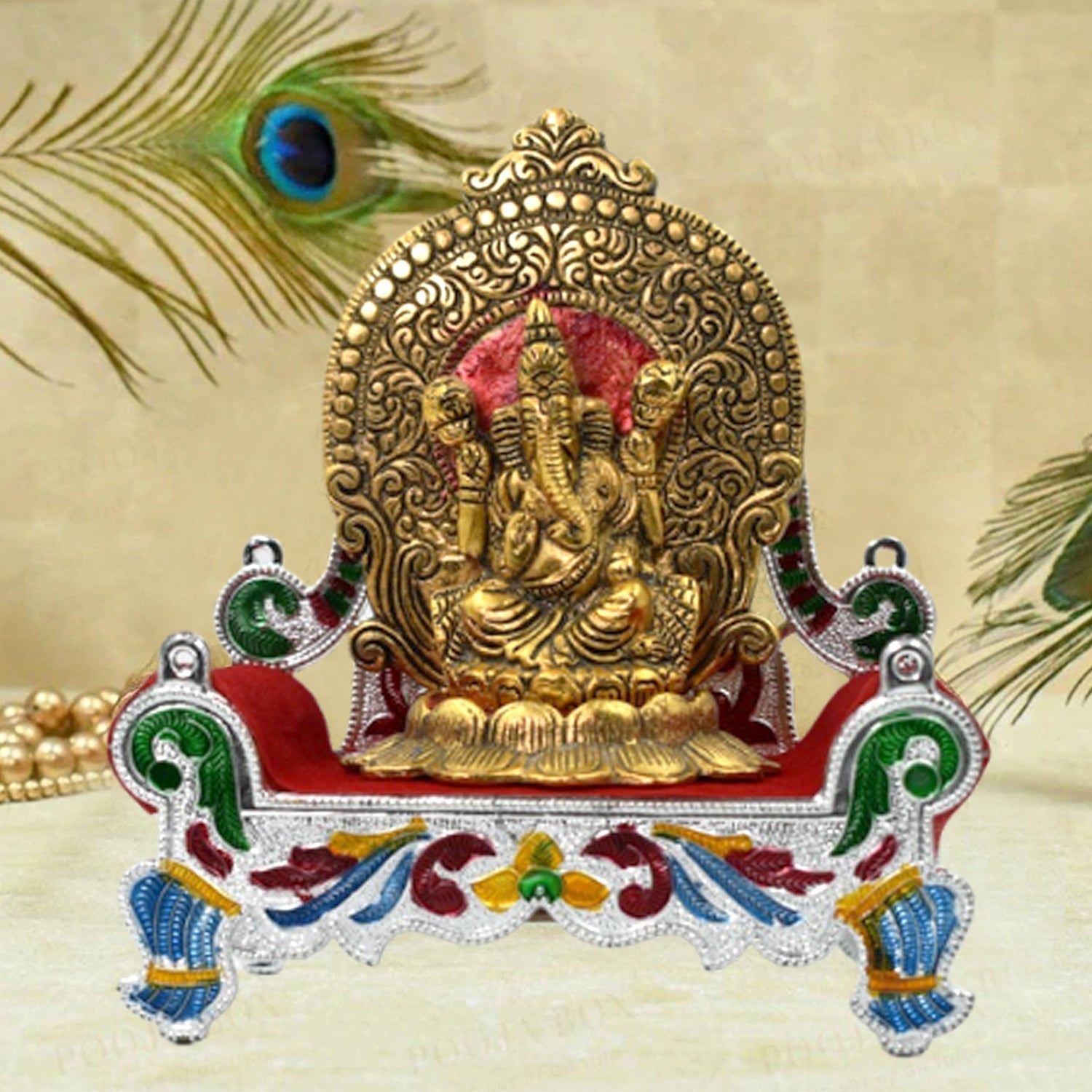
Bal Gopal Singhasan Deity Throne
₹205.00
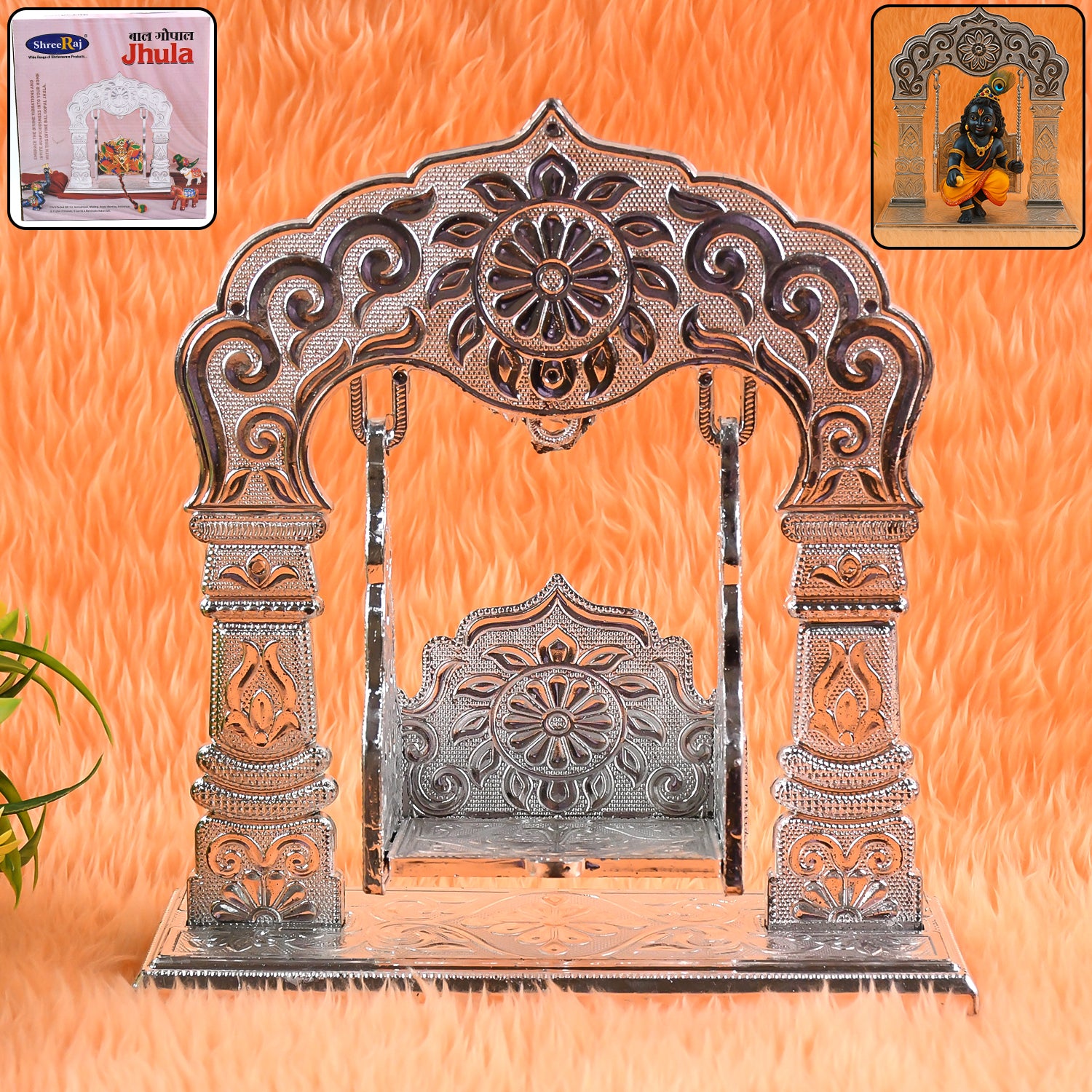
Bal Gopal Silver Jhula Swing
₹230.00

Digital Mantra Jaap Counter Ring
₹220.00
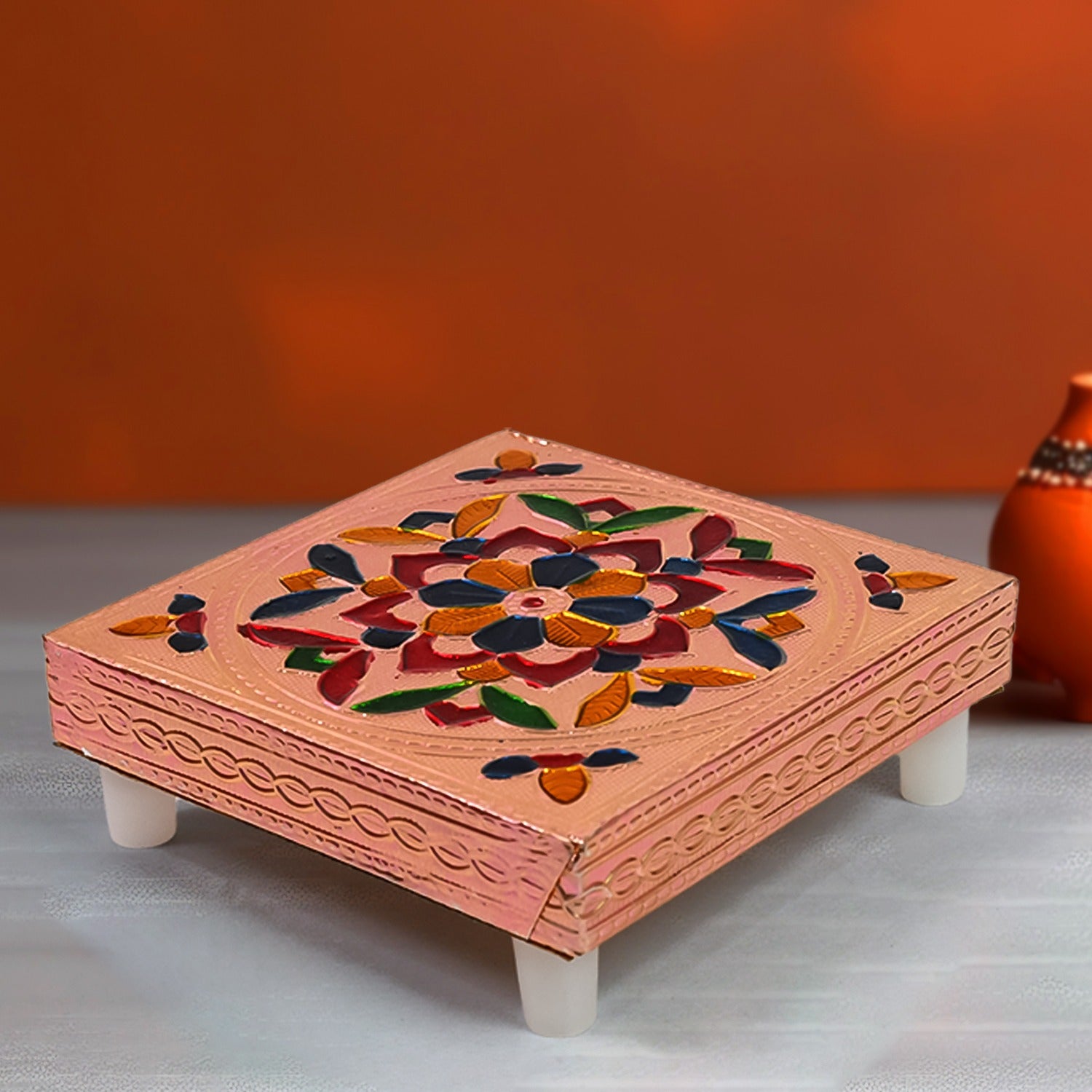
Meenakari Wooden Puja Chowki
₹159.00
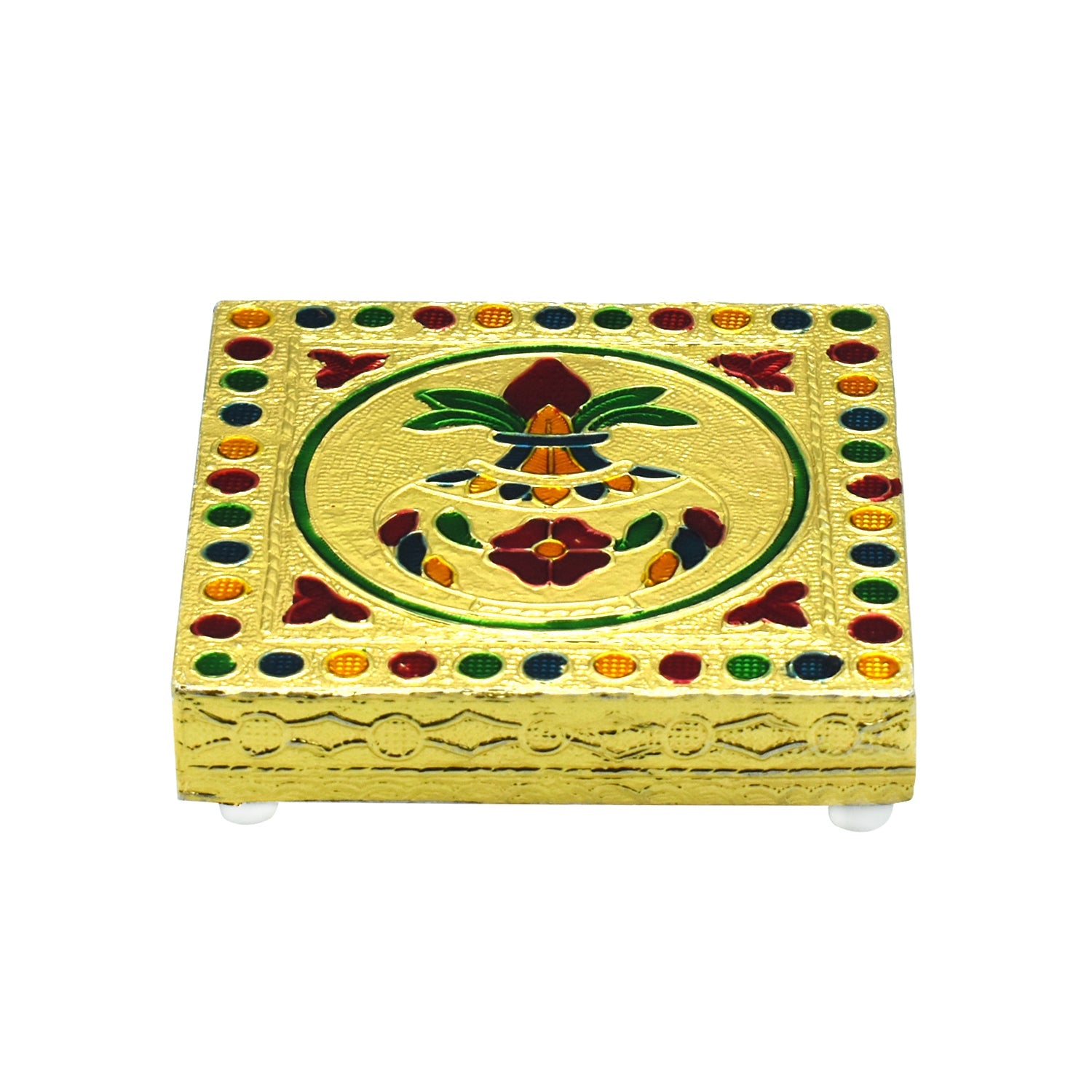
Wooden Designer Bajot Stool
₹159.00
Small Decorative Singhasan for Idols
₹199.00

Round Puja Thali with Kumkum Holder
₹99.00
Puja Thali Return Gift Set
₹125.00