Panch Dwaraka: Complete Guide to the Five Sacred Dwarakas of Gujarat
Panch Dwaraka refers to five sacred sites in Gujarat associated with Lord Krishna's legendary capital Dwaravati, a pilgrimage circuit that deeply devout Vaishnavas complete to honour all five aspects of Krishna's divine presence in the Dwarka region. This 2 to 3 day circuit covers some of the most spiritually significant and historically profound locations on the Saurashtra coast.
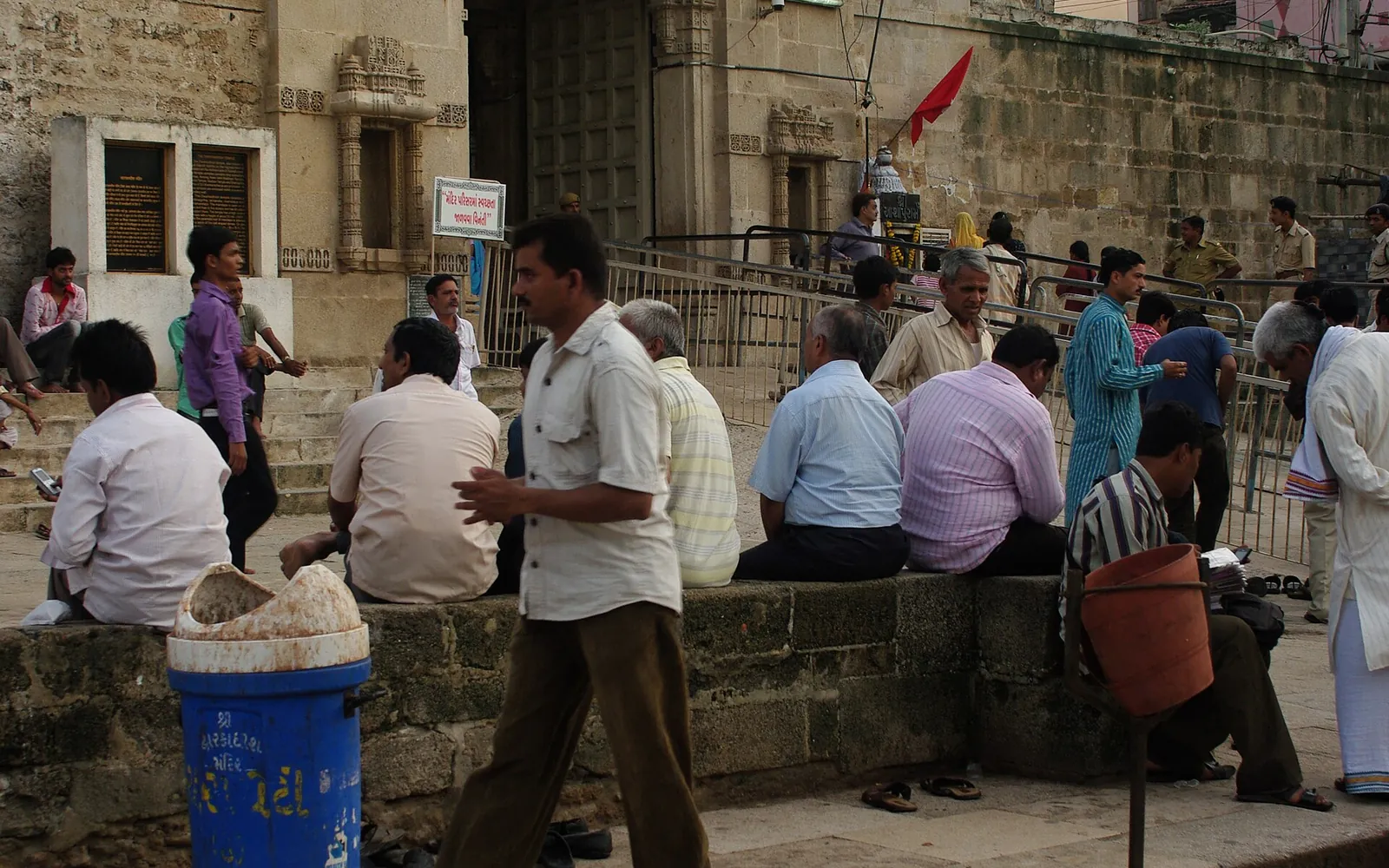
What is Panch Dwaraka?
Panch Dwaraka, from the Sanskrit Panch meaning five and Dwaraka referring to Krishna's sacred kingdom, is the collective name for the five sacred pilgrimage sites spread across western Gujarat that together constitute the complete Dwaraka pilgrimage circuit for devout Vaishnavas. The tradition of visiting all five Dwarakas is ancient and is mentioned in various Hindu texts that describe the spiritual geography of Lord Krishna's kingdom across the Saurashtra coast. Each of the five Dwarakas represents a distinct and significant aspect of Lord Krishna's divine life and mythology, from his royal seat and private residence to sites of legendary battles and sacred marriages. Together, these five sites form a circuit that honours the full extent of Krishna's physical presence in the mortal world, and completing it is considered one of the most meritorious pilgrimages a devotee of Lord Krishna can undertake.
The five sites are spread across the western Gujarat coastline, ranging from the main Dwarkadhish Temple in Dwarka city to the sacred island of Bet Dwarka, the coastal village of Madhavpur, and the sacred sites near Okha port on the Gulf of Kutch. Completing all five Dwarakas is believed to confer the full spiritual merit of a Dwarka pilgrimage and is especially important for pilgrims who wish to honour the entire extent of Krishna's divine presence in the Saurashtra region. While each site can be visited independently, the tradition of completing all five together, the Panch Dwaraka Yatra, is considered the most complete and spiritually fulfilling form of the Dwarka pilgrimage. The circuit is feasible for most pilgrims within two to three days and represents a deeply rewarding journey through some of Gujarat's most scenic and sacred coastal landscapes.
The Five Sacred Dwarakas, Complete Guide
1. Mukhya Dwarka, Dwarkadhish Temple
Mukhya Dwarka, the principal and first Dwaraka, is centred on the magnificent Dwarkadhish Temple (Jagat Mandir) in Dwarka city, the site believed to be where Lord Krishna's royal palace and kingdom were established when he moved from Mathura. The Dwarkadhish Temple is one of the four Char Dhams of Hinduism and is dedicated to Lord Krishna in his form as Dwarkadhish, the Lord and King of Dwarka. The present temple structure, a soaring five-storey edifice in the Chalukya style of architecture, stands at the confluence of the Gomti River and the Arabian Sea, a spot that has been sacred to Krishna devotees for more than 2500 years. The Gomti Ghat, Sudama Setu, Bhadkeshwar Mahadev temple and the evening Sandhya Aarti at the ghat are all part of the Mukhya Dwarka experience, making it not merely a temple visit but an immersion into the sacred geography of Krishna's capital.
2. Bet Dwarka, Lord Krishna's Private Residence
Bet Dwarka (also spelled Beyt Dwarka) is a sacred island located in the Gulf of Kutch, accessible by ferry from Okha port approximately 36 kilometres from Dwarka city. According to Hindu tradition, while the Dwarkadhish Temple in Dwarka city represents Lord Krishna's royal palace and public seat of power, Bet Dwarka is the site of his private residence, the place where he lived with his family and where devotees could have a more intimate audience with the Lord. The island is home to more than twelve temples, with the main Dwarkadhish temple on the island being one of the oldest and most revered. Bet Dwarka has a distinctive and serene character quite different from the main city temple, the island's narrow lanes, small shrines and the constant sound of the sea create an atmosphere of timeless devotion. The ferry ride from Okha Jetty to Bet Dwarka, crossing the blue waters of the Gulf of Kutch, is itself a memorable part of the pilgrimage.
3. Madhavpur Ghed, Krishna's Marriage Site
Madhavpur Ghed is a tranquil coastal village located approximately 90 kilometres from Dwarka city in the direction of Porbandar, famous across India as the site where Lord Krishna is believed to have married Rukmini, the princess of Vidarbha. The main temple at Madhavpur is dedicated to Lord Madhava (another name for Krishna) and is the focal point of the annual Madhavpur Melo, one of the largest and most colourful tribal fairs in India, held over five days during the Ram Navami period each spring, attracting tribal communities from Gujarat and beyond who celebrate this sacred union with traditional music, dance and ritual. The coastal setting of Madhavpur, with the Arabian Sea on one side and mangroves lining the creeks, gives the village a serene and otherworldly beauty that enhances the pilgrimage experience. Madhavpur represents the aspect of Krishna as a loving partner and husband, and visiting it as part of the Panch Dwaraka circuit adds a layer of emotional and mythological depth to the yatra.
4. Okha Madhav, Near the Sacred Port
Okha Madhav is a temple dedicated to Lord Krishna as Madhava, located near the busy port town of Okha approximately 36 kilometres from Dwarka city. Okha holds a significant place in the Panch Dwaraka circuit as the gateway to Bet Dwarka island, the ferry to the island departs from Okha Jetty, and the Okha Madhav temple is visited by pilgrims as a sacred stop on the way to or from Bet Dwarka. The town of Okha itself has deep associations with the Dwarka legend: according to the Mahabharata, Okha was part of the maritime network of Lord Krishna's kingdom, and the port has been a site of sacred significance for thousands of years. The Okha Madhav temple is a place of quiet devotion amid the bustle of the port town, offering pilgrims a moment of contemplation before or after the more spectacular experience of the Bet Dwarka island crossing. Visiting Okha Madhav as part of the Panch Dwaraka Yatra is typically combined with the Bet Dwarka and Shankhodhara visits on the same day.
5. Shankhodhara, Site of the Conch Legend
Shankhodhara (also known as Shankhoddhara) is a sacred site located near Okha, named after Shankhasura, a powerful demon who, according to Hindu legend, stole the sacred Vedas and hid them under the sea, only to be slain by Lord Vishnu in his Matsya (fish) avatar, whose blow caused the demon's conch shell to fall at this very location. The site takes its name from this legend: Shankha meaning conch and Udhara meaning abdomen or origin, referring to the conch that emerged here. The temple at Shankhodhara is dedicated to Lord Vishnu and Lord Krishna and is associated with the broader Krishna-Vishnu tradition that permeates the entire Dwarka region. For pilgrims completing the Panch Dwaraka Yatra, Shankhodhara provides a mythological counterpoint to the more historically documented sites, a place where the primordial victory of the divine over evil is commemorated in an ancient and atmospheric coastal setting. The site is easily visited in combination with Okha Madhav and the Bet Dwarka ferry trip on the second day of the circuit.
How to Plan Panch Dwaraka Yatra
The most practical and spiritually satisfying way to complete the Panch Dwaraka Yatra is to base yourself in Dwarka city for two to three nights and cover the five sites over three days. On Day 1, arrive in Dwarka and dedicate the day to Mukhya Dwarka: begin with the Mangala Aarti at Dwarkadhish Temple at 6:30 AM, then explore Gomti Ghat, cross the Sudama Setu bridge for views of the temple from the sea and visit the Bhadkeshwar Mahadev temple on its rocky island; conclude the evening at Gomti Ghat for the beautiful and deeply moving Sandhya Aarti as the sun sets over the Arabian Sea. On Day 2, make an early start and travel to Okha (approximately 36 kilometres, 45 to 60 minutes by road): visit the Okha Madhav temple first, then proceed to Okha Jetty for the ferry to Bet Dwarka island (the crossing takes about 20-30 minutes); explore the island's temples and take the return ferry, then visit Shankhodhara on the way back to Dwarka for the evening. On Day 3, start early again for the drive to Madhavpur Ghed (approximately 90 kilometres, about 2 to 2.5 hours): visit the Madhav temple and explore the village's scenic coastal setting, then return to Dwarka in the afternoon for a final evening aarti at Dwarkadhish Temple before departure.
Several practical considerations make the Panch Dwaraka Yatra smoother and more comfortable. Hiring a private taxi or cab for the full three-day circuit is by far the most economical and convenient option for families and small groups, as public transport connections between all five sites are limited and time-consuming; most hotels and guest houses in Dwarka can arrange a reliable local driver. For accommodation, Dwarka city has a good range of options from budget dharamshalas to comfortable mid-range hotels, and booking in advance is essential during peak pilgrimage seasons such as Janmashtami, Holi and Ram Navami. The ferry to Bet Dwarka departs from Okha Jetty and runs throughout the day, but starting by 7:00 AM ensures you complete the island visit and return with time for Shankhodhara before midday. Carry sufficient drinking water and simple snacks for Day 2 and Day 3, as facilities at Shankhodhara and along the Madhavpur road can be limited; most pilgrims also choose to observe a vegetarian diet for the entirety of the Panch Dwaraka Yatra as a mark of devotion.
Spiritual Significance of Panch Dwaraka
In Hindu pilgrimage tradition, completing the Panch Dwaraka circuit is considered equivalent to completing a full Char Dham pilgrimage in terms of the spiritual merit earned for devotees of Lord Krishna, representing a profound and comprehensive act of devotion. The five Dwarakas together represent the totality of Lord Krishna's divine presence in the physical world, his royal seat and public manifestation as a king at the Dwarkadhish Temple, his intimate personal residence at Bet Dwarka, his mythological victory over evil at Shankhodhara, his connection to sacred commerce and the sea trade network of ancient India at Okha Madhav, and his tender human side as a husband and lover at Madhavpur. Each site activates a different dimension of the devotee's relationship with Krishna, the awe and majesty of a great king, the intimacy of a beloved household deity, the gratitude for divine protection, and the sweetness of divine love, making the Panch Dwaraka Yatra a spiritually comprehensive and emotionally rich experience that no single site alone can provide.
Pilgrims who complete this circuit experience a deep sense of having walked in the footsteps of Krishna across the beautiful and sacred Saurashtra coast, and many describe a feeling of completion and grace that lingers long after returning home. The tradition holds that the accumulated merit of Panch Dwaraka Yatra purifies not only the pilgrim but also their entire family line across seven generations, a belief that drives many devout Vaishnava families to undertake the circuit as a once-in-a-lifetime sacred duty. The spiritual power of the circuit is also linked to its physical setting: the coastline of Saurashtra, with its azure waters, ancient temples rising from rocky outcrops, sacred rivers meeting the sea, and the scent of incense and sea salt mingling on the wind, creates a sensory and devotional environment that has moved pilgrims to tears and prayers for thousands of years. For Vaishnavas, devotees who revere Vishnu and Krishna as the supreme being, the Panch Dwaraka circuit represents the fullest possible earthly expression of that devotion, a physical retracing of the divine geography of Krishna's life on earth.
"Panch Dwaraka Yatra is not merely a journey through five places, it is a journey through five dimensions of Lord Krishna's divine presence on earth."
Frequently Asked Questions
Also Explore Dwarka
Bet Dwarka Island
The second Dwaraka, Lord Krishna's private residence on a sacred island, accessible by ferry from Okha. Essential for any Panch Dwaraka pilgrim. Complete ferry guide and darshan information.
Visit Bet DwarkaDwarkadhish Temple Guide
The first and primary Dwaraka, the 2500-year-old Jagat Mandir where Krishna is worshipped as the King of Dwarka. The starting point of every Panch Dwaraka pilgrimage.
Main Temple GuideDwarka Darshan Itinerary
Complete day-by-day plans for your Dwarka pilgrimage including how to structure your Panch Dwaraka circuit efficiently over 2 to 3 days with recommended timings and routes.
Plan Your YatraHow to Reach Dwarka
Plan your journey to Dwarka by train, road or flight. Complete transport guide with routes from major cities, station details and airport connections for the start of your Panch Dwaraka Yatra.
Travel to DwarkaMul Dwarka Temple
The village tradition calls the original Dwarka, near Kodinar, where devoted pilgrims begin their deeper exploration of Dwarka's layered sacred geography.
Read More