Dwarka in 1 Day: The Hour-by-Hour Temple Plan That Actually Works
One day in Dwarka can cover all the main temples within the city, Dwarkadhish, Rukmini Devi, Bhadkeshwar, ISKCON, Gomti Ghat, and Sudama Setu, if you start at 5:30 AM and structure the day around the aarti timings. Bet Dwarka and Nageshwar require a second day.
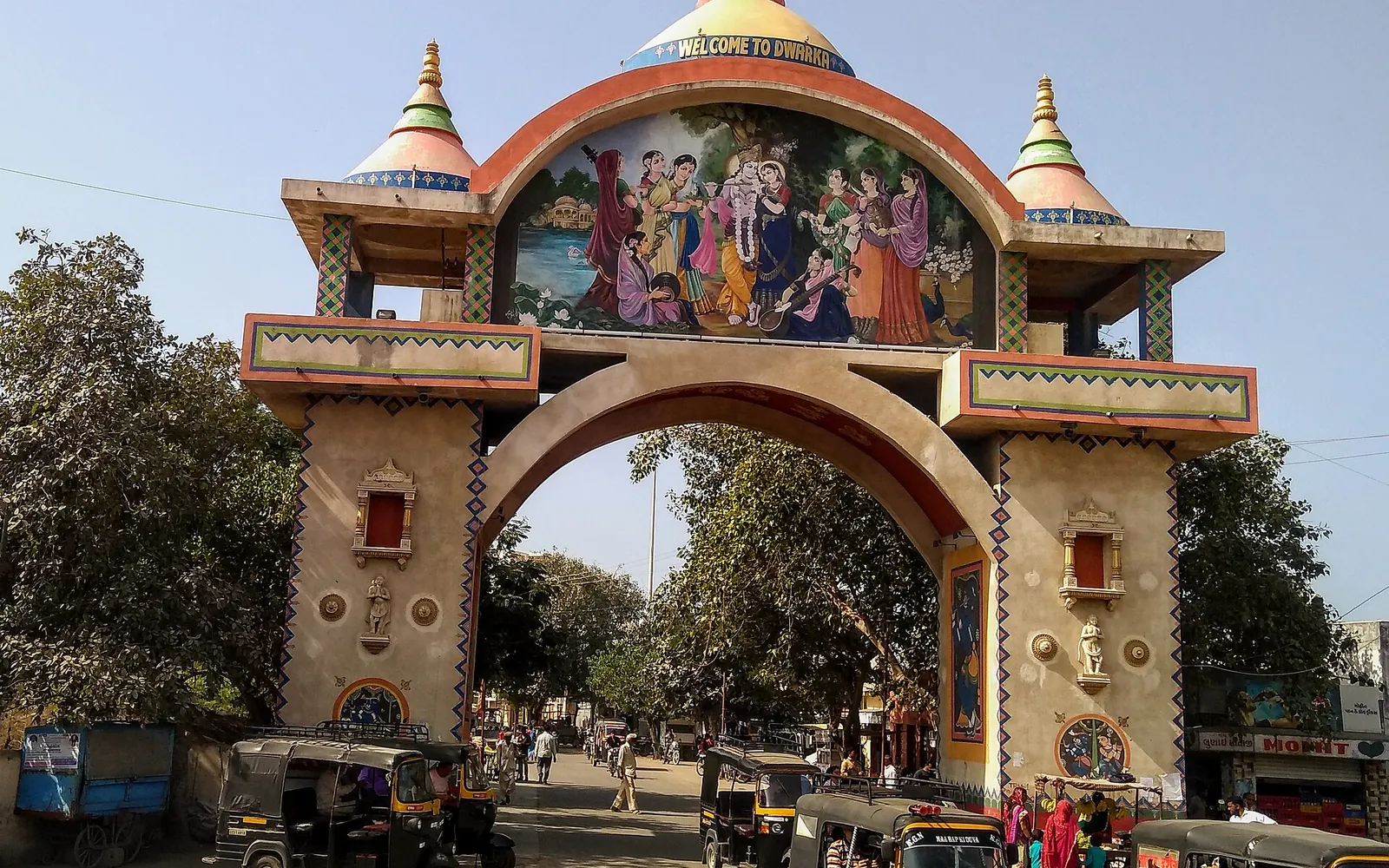
Before You Begin: What One Day in Dwarka Can Realistically Cover
A single day in Dwarka can be deeply satisfying if the expectations are set correctly from the start. All five major sacred sites within Dwarka city are reachable: Dwarkadhish Temple (the central shrine, multiple aartis throughout the day), Rukmini Devi Temple (2.5 km away), Bhadkeshwar Mahadev (2 km, tide-dependent), ISKCON Dwarka (3 km), and Gomti Ghat with the Sudama Setu bridge. What is not possible in one day is visiting Bet Dwarka island or Nageshwar Jyotirlinga, both require travel to Okha (36 km) and a ferry crossing, which takes a minimum of 4-5 hours round trip. Accept this and keep those for a second day if you have it, or accept that they will be missed in a one-day visit.
The architecture of the day is built around three fixed pillars: the Mangla Aarti at 6 AM (the spiritual opening), the Rajbhog at noon (the midday darshan before the temple closes), and the Sandhya Aarti at sunset (the evening closing of the day's sacred cycle). Everything else in the day fits into the windows between these three fixed events. Missing any one of these three means the day feels incomplete. This guide is structured so you catch all three.
One practical reality: the queue at Dwarkadhish can be unpredictable. In off-peak months (May-September), the morning queue takes 45-90 minutes. In peak season (October-February, especially on weekends), the queue can stretch to 2-4 hours. There is no official VIP darshan or paid priority-queue scheme at Dwarkadhish, unlike some other major temples such as Tirupati or Siddhivinayak, every pilgrim uses the same single general darshan queue, and it has always been free. The one real lever you have for a one-day visit is timing: be in line for the 6:00 AM Mangla Aarti, when queues are shortest, and avoid October-February weekends and festival days if your dates are flexible. Be wary of anyone near the temple or online offering a paid "VIP darshan pass," they are not affiliated with the temple trust and should not be paid.
Hour-by-Hour Itinerary: Dwarka in 1 Day
The day begins at Gomti Ghat on the banks of the Gomti Creek. If you plan to take a ritual snan (bath) in the Gomti, do so now before the Mangla Aarti. The water is calm in the early morning and the ghat has steps descending to the creek. This is not a large river ghat, it is modest and intimate. Chants from early-rising priests and the sound of conch shells from the direction of the temple set the atmosphere. Even if you do not bathe, simply sitting at the ghat for 10-15 minutes before the first aarti is grounding.
Walk from Gomti Ghat to the Dwarkadhish Temple (5-7 minutes on foot) or take an auto (₹30). There is no paid VIP entry, everyone joins the same general darshan queue, and it is free. Arriving now, ahead of the 6 AM Mangla Aarti, is what actually keeps your wait short. Remove leather items and deposit your mobile phone at the phone deposit counter. Both Swarga Dwar (north gate) and Moksha Dwar (south gate) have entry points, Swarga Dwar is traditionally used for entry, Moksha Dwar for exit.
Mangla Aarti is the dawn aarti when the deity is awakened. The sanctum doors open, lamps are lit, and the priest performs aarti while devotees sing. The atmosphere at Mangla Aarti, the cool early morning air, the lamplight, the sound of bells and conch shells in the dim chamber, is unlike anything else in the day. This is the moment most pilgrims remember most vividly from their Dwarka visit. The prasad during Mangla and Shringar Aartis includes Panchamrit, distributed free to all devotees present.
Shringar Aarti at 7 AM is when the deity is adorned in full finery, ornamental dress, jewels, and garlands. After the Shringar Aarti, general darshan opens fully. Since you are already in line from the morning, your wait at this point is typically short. Take your time in the sanctum, circling the inner courtyard and visiting the subsidiary shrines within the temple complex. The 12th-century architecture of the Jagat Mandir is worth observing, the 72-column assembly hall, the flag mast, the carvings. Exit via Moksha Dwar.
The street leading from Swarga Dwar has several small restaurants and stalls. This is a good time for breakfast, poha, thepla with chai, or a simple Gujarati snack. Most places open by 7:30-8 AM. Eat lightly since you will be on your feet the rest of the morning. The Trust Bhojnalaya inside the temple complex also serves light breakfast items at nominal cost.
Rukmini Devi Temple is dedicated to Lord Krishna's principal consort Rukmini and is open from 8:30 AM-12:30 PM and 5 PM-8:30 PM. The temple sits slightly outside the main city, on the road leading toward Jamnagar. The architecture features beautiful sculptural work. Legend holds that Rukmini was separated from Krishna and came to reside here. The temple is smaller and quieter than Dwarkadhish, the calm atmosphere is a contrast to the busier main temple. Spend 30-45 minutes here. Auto fare from Dwarkadhish: ₹50-70 one way.
Bhadkeshwar Mahadev is a Shiva temple built on a rocky outcrop in the sea, accessible by a narrow rock path at low tide. The temple is open 24 hours but the path becomes submerged at high tide, check the tide schedule before attempting to visit. At low tide, walk the 200-300 metre rocky path to the temple, offer prayers, and return before the tide turns. The dramatic seascape here, the temple on rocks surrounded by the Arabian Sea, with waves sometimes crashing close, is unlike anything else in Dwarka. Allow 45-60 minutes total for the visit.
Be back at Dwarkadhish Temple by 11:30 AM to be inside before the Rajbhog Aarti at noon. Rajbhog is the offering of the midday meal to the deity, a major ritual observance. The temple closes at 1 PM after Rajbhog and does not reopen until 5 PM for Uthapan. If you miss this window, your next darshan opportunity is at 5 PM. The Rajbhog crowd is typically lighter than the morning crowd, a second visit to the sanctum at Rajbhog time often feels more personal and less rushed.
The Trust Bhojnalaya inside the temple complex (or nearby) serves a simple Gujarati thali, free or for a nominal ₹20 donation. This is the most authentic meal option in Dwarka. Alternatively, the restaurants near Swarga Dwar serve full vegetarian meals. Dwarka is entirely vegetarian and alcohol-free. Take your time at lunch and rest, the 1-4 PM window in the afternoon is downtime as the main temple is closed.
ISKCON Dwarka opens at 4:30 PM for afternoon darshan. If you choose to visit in the afternoon before ISKCON opens, this time can be used for rest at your hotel or for a walk along the Gomti waterfront. Alternatively, visit the Dwarka beach area near Gomti Ghat or explore the bazaar lanes for local items like conch shells, rudraksha, and saffron. ISKCON opens Darshan at 4:30 PM, plan to arrive by 4:15 PM if you want to attend the Sandhya Aarti at 7 PM there, or return to Dwarkadhish for sunset.
The Sudama Setu is a pedestrian suspension bridge across the Gomti Creek. Walk across it in the late afternoon, the light at this hour turns golden, the temple spires reflect in the water, and the bridge itself has a gentle sway that adds to the experience. The bridge connects the two banks of the Gomti and offers a full view of the Dwarkadhish Temple from a distance, the best visual perspective of the temple's towering shikhara. Walk it twice, once each way, to fully enjoy the views. No charge.
Uthapan is the reopening of the temple after the afternoon break, the deity "rises" again. Be at the temple by 4:45 PM to join the Uthapan queue. This is a less crowded darshan window than the morning, a good opportunity for a quieter, more contemplative visit to the sanctum. After Uthapan, stay in the temple courtyard to wait for the Sandhya Aarti.
The Sandhya Aarti at Dwarkadhish happens at sunset, roughly 6-7 PM depending on the season. This is the second most important aarti of the day and the visual high point: the temple is lit with lamps and the flag on the dhwaja stambha (flag mast) is ceremonially lowered and replaced with a fresh flag at this moment. Watch from the temple court if possible. The crowd gathers but the atmosphere is devotional and moving. The sound of the conch and bells echoing off the stone walls at dusk is memorable.
Post-sunset, have dinner at the temple bazaar restaurants. Gujarati thali (₹100-200), dal-baati, or simple roti-sabji. The evening bazaar near Swarga Dwar is lively with vendors selling flowers, prasad items, and pilgrimage supplies. Walk through it after dinner, buying something for family back home is a tradition among pilgrims from all parts of India.
Shayan Aarti at 9 PM is the final aarti of the day, the deity is ceremonially put to rest for the night. This aarti is the most peaceful and least crowded of all the day's aartis. The temple atmosphere at 9 PM, after the evening crowds have thinned, has a meditative quality that morning and evening aartis, with their larger gatherings, do not quite replicate. For pilgrims who have the energy and who feel the pull to end the day as they began it, in prayer, this is the perfect close.
Distance Summary: Getting Between Sites
| From → To | Distance | Mode | Fare | Time |
|---|---|---|---|---|
| Gomti Ghat → Dwarkadhish | 0.3 km | Walk | Free | 5 min |
| Dwarkadhish → Rukmini Devi | 2.5 km | Auto | ₹50-70 | 5-7 min |
| Rukmini Devi → Bhadkeshwar | ~3.5 km | Auto | ₹60-80 | 8-10 min |
| Bhadkeshwar → Dwarkadhish | 2 km | Auto | ₹40-60 | 5-7 min |
| Dwarkadhish → ISKCON | 3 km | Auto | ₹60-80 | 8-10 min |
| Sudama Setu | On foot from Gomti Ghat | Walk | Free | 5 min from ghat |
Practical Tips for the One-Day Visit
Wear comfortable walking footwear that slips on and off easily, you will remove your shoes at every temple and at the Bhadkeshwar rocky path. A small backpack is ideal: carry water (1-2 litres for the day), a phone charger, and any medications. The route between temples is short and well-auto-serviced but the Bhadkeshwar rocky path is walked barefoot, the rocks can be hot and slippery, so be cautious.
The dress code at all Dwarka temples is strict: no shorts, no sleeveless, no see-through fabric. Women should cover shoulders and knees; men should avoid shorts. Carry a small shawl or dupatta that can serve as an extra covering if needed. At Dwarkadhish, leather items including belts and leather wallets are not permitted inside the sanctum, keep these in your bag or hotel before entering.
Cash is king in Dwarka, many small vendors and auto drivers do not accept digital payment. Carry ₹500-1,000 in small denominations for the day. ATMs are available near the temple and at the main bazaar. Keep some change (₹10-20 notes) for auto fares, donations, and small purchases at temple stalls. Do not pay anyone claiming to sell a "VIP darshan" pass near the temple or online, there is no such official ticket.
Tide schedule for Bhadkeshwar: ask your hotel reception or any auto driver for the day's tide timing. Alternatively, search "tide chart Dwarka" online to find the low-tide windows for the day. Plan your Bhadkeshwar visit to coincide with a low-tide window between 10 AM and 12 PM for the most convenient timing within the itinerary above.
Frequently Asked Questions
Also Read
3 Day Dwarka Itinerary
Dwarka 3-day itinerary: city temples on Day 1, Nageshwar and Bet Dwarka on Day 2, then Shivrajpur Blue Flag Beach and leisure time on Day 3.
Read Full Guide5 Day Dwarka Somnath Itinerary
Dwarka and Somnath 5-day plan: Days 1-2 Dwarka city, Day 3 Bet Dwarka and Nageshwar, Day 4 drive to Somnath via Porbandar, Day 5 Somnath temple.
Read Full GuideIs One Day Enough
One day covers Dwarkadhish Temple, Gomti Ghat, Bhadkeshwar Mahadev and Sudama Setu in Dwarka city.
Read Full GuideDwarka 2-Day Itinerary
Add Bet Dwarka and Nageshwar Jyotirlinga to your plan, the full sacred circuit that one day cannot hold.
Read MoreDwarkadhish Temple Timings
Complete aarti schedule, Mangla at 6 AM through Shayan at 9 PM, so you never miss a sacred moment.
Read MoreBhadkeshwar Mahadev Temple
The sea temple on a rocky island, tide timings, how to reach it, and what makes it unmissable.
Read More