Dwarka in 2 Days: The Plan That Covers the Sacred Circuit Properly
Two days is the minimum for a proper Dwarka yatra. Day 1 covers every temple within Dwarka city, Dwarkadhish, Rukmini Devi, Bhadkeshwar, ISKCON, Gomti Ghat. Day 2 is the essential excursion: Nageshwar Jyotirlinga (17 km) and Bet Dwarka by ferry from Okha. Here is the hour-by-hour plan for both days.
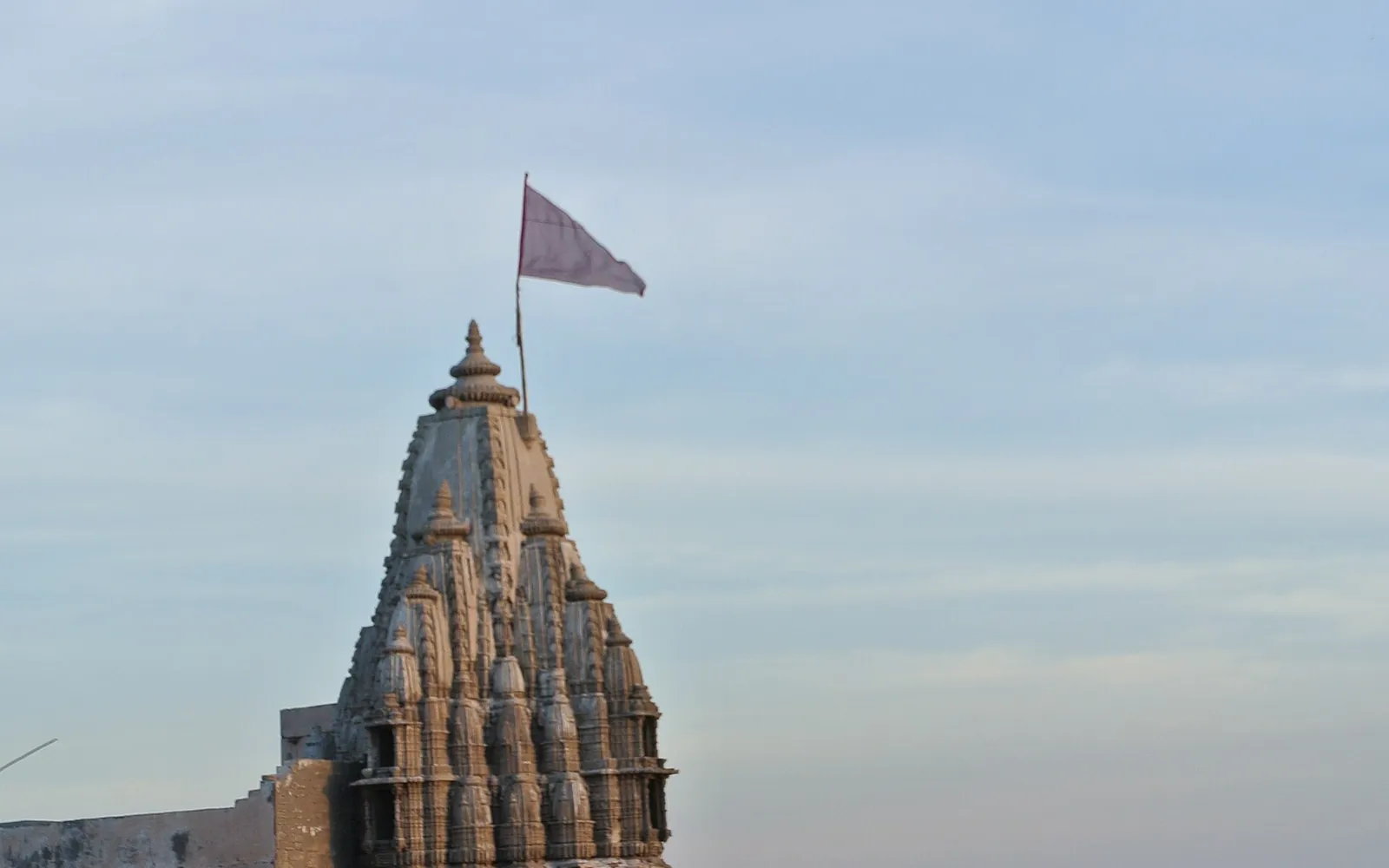
Why Two Days Is the Right Duration for Dwarka
The question pilgrims most commonly ask is whether one day is enough for Dwarka. For the temples within the city, one day is sufficient if you start at 5:30 AM and have energy through the evening. But Dwarka's sacred circuit extends beyond the city limits. Bet Dwarka island, where Lord Krishna is said to have personally resided, and Nageshwar Jyotirlinga, one of the twelve sacred Jyotirlingas of Lord Shiva, are both within 36 km of Dwarka but require half a day each to visit properly. A one-day visit that tries to include both these and the city temples is rushed to the point of losing spiritual value.
Two days solves this cleanly. Day 1 is entirely within Dwarka city, multiple visits to Dwarkadhish at different aarti timings, leisurely darshan at Rukmini Devi and Bhadkeshwar, the afternoon at ISKCON and Sudama Setu, the evening Sandhya Aarti. Day 2 is the excursion day, an early start, Nageshwar on the way to Okha, the ferry to Bet Dwarka, darshan on the island, and return in the early afternoon leaving the evening free for one more Uthapan or Sandhya Aarti at Dwarkadhish. You arrive home having seen everything that matters without feeling you rushed through anything.
Two nights in Dwarka means two early mornings, which means two chances at the Mangla Aarti at 6 AM, arguably the single most powerful experience Dwarka offers. Plan to attend both. The first morning Mangla Aarti, with the unfamiliarity and the overwhelm of a new sacred place, is one kind of experience. The second morning, with the environment familiar and the mind more settled, is another. Both are valuable in their own way.
Day 1: Dwarka City, All Temples, All Aartis
Begin at Gomti Ghat for a ritual bath in the sacred Gomti River. The ghat is quiet at this hour, just the sound of the water, early morning prayers from nearby temples, and the dim light before dawn. Bathe in the Gomti and then walk to the Dwarkadhish Temple. If bathing is not comfortable or practical, simply sit at the ghat for a few minutes of prayer before proceeding to the temple.
Dwarkadhish runs no paid VIP darshan scheme, general darshan has always been free and every pilgrim, including elderly and disabled visitors, uses the same single queue. Deposit your mobile phone and any leather items at the entry counter (opens 5:30 AM), then enter via Swarga Dwar. Arriving this early puts you near the front of the queue. The temple is dark and fragrant with incense, devotees gather in the inner court waiting for the sanctum doors to open for Mangla Aarti.
The sanctum doors open. Priests perform aarti with large lamps while devotees sing. The Panchamrit prasad is distributed. Mangla Aarti at Dwarkadhish in the pre-dawn light is the defining experience of the Dwarka pilgrimage. Stay for the full aarti (approximately 30 minutes) before darshan.
Shringar Aarti at 7 AM adorns the deity in full ornamental dress. General darshan follows in the single queue; arriving this early, darshan is typically completed by 8-8:30 AM. Explore the inner courtyard, the 72-pillar hall, and the subsidiary shrines before exiting through Moksha Dwar.
Eat breakfast at any of the small restaurants near Swarga Dwar. Gujarati breakfast, thepla, poha, chai, sustains the morning activity ahead. Eat well; lunch will be late today.
Auto to Rukmini Devi Temple. Open 8:30 AM-12:30 PM and 5-8:30 PM. Spend 40-50 minutes at this peaceful temple dedicated to Rukmini, Lord Krishna's principal consort. The temple's exterior carvings are notable. This is a quieter place than Dwarkadhish, good for sitting in the outer courtyard and spending time in meditation or prayer after the morning rush.
Confirm tide timing with your hotel or auto driver. At low tide, walk the rocky path to this Shiva temple built on a sea outcrop. The 10-15 minute walk on rocks leading to the temple, surrounded by sea on both sides, is a physically engaging and spiritually striking experience. Allow 45-60 minutes total. Auto fare from Rukmini Devi: ₹60-80.
Return to Dwarkadhish by 11:30 AM for the Rajbhog darshan at noon. The Gwal Aarti was at 8:30 AM while you were at Rukmini Devi, on Day 1 you will miss it, but on Day 2 morning you can plan to attend it. Rajbhog at 12 PM is the midday darshan before the 4-hour afternoon closure. Enter early to avoid a rushed exit at 1 PM closing.
Lunch at Trust Bhojnalaya (free/₹20) or a nearby restaurant. The 1-4 PM window is the temple's closed period, use it for rest at your hotel. Hydrate well; the morning was active and Day 2 will also start early. Alternatively, explore the Dwarka bazaar, purchase prasad items, or visit the Dwarka Museum if available.
ISKCON Dwarka opens at 4:30 PM for afternoon darshan. The Sandhya Aarti at ISKCON is at 7 PM. If you plan to attend ISKCON's Sandhya Aarti, stay here until 7:30 PM and return to Dwarkadhish for the late evening. If you prefer Dwarkadhish's sunset aarti (more traditional and in a more historic setting), visit ISKCON briefly then return to Dwarkadhish for 6 PM. ISKCON Dwarka is architecturally newer with a beautifully maintained complex and excellent prasadam (lunch 12-1:30 PM, dinner 7:30-9 PM).
Walk the Sudama Setu suspension bridge across Gomti Creek in the late afternoon. The 5 PM light is golden and the temple spires glow above the creek. Walk both ways and spend 15-20 minutes on the bridge absorbing the view. From here, the full frontage of the Dwarkadhish Temple across the water is visible, one of the best viewpoints in Dwarka.
Temple reopens at 5 PM for Uthapan darshan. This is typically a quieter window than the morning. A second visit to the sanctum at this hour, with the day's spiritual experiences behind you, often feels more settled and intimate. Join the Uthapan queue and complete darshan before the Sandhya Aarti begins.
The Sandhya Aarti at sunset, one of the two most important aartis of the day. The flag (dhwaja) on the temple's flag mast is ceremonially changed at this time. The crowd gathers but the atmosphere is devotional rather than chaotic. Conch shells and bells fill the temple court. After aarti, spend a few minutes in the courtyard before exiting.
Dinner at temple bazaar restaurants. Ask your auto driver or hotel to arrange a cab or auto for 7 AM the next morning, you will need transport to Nageshwar and Okha for Day 2. Negotiate the full-day rate this evening so there is no delay tomorrow. Sleep early, Day 2 also starts at 5:30 AM.
The final aarti of the day at 9 PM. Quiet, intimate, with a much smaller crowd than the morning and evening. If you have the energy, attend, it is a perfect close to a full day of darshan. If you need rest for Day 2's early start, retire after dinner.
Day 2: Nageshwar Jyotirlinga and Bet Dwarka Ferry
If energy allows, attend the 6 AM Mangla Aarti at Dwarkadhish again on Day 2. The second Mangla Aarti often feels more familiar and more meditative than the first, the initial overwhelm has passed and you can be present more fully. Have quick breakfast by 6:30-7 AM and be ready to depart by 7 AM.
Board your pre-arranged cab or auto and depart for Nageshwar Jyotirlinga on the road toward Okha. The 17 km journey takes 35-40 minutes on the highway. If you chose not to attend Mangla Aarti, depart by 7 AM for the most comfortable timing. If you attended Mangla Aarti, depart by 7:30 AM, still workable.
Temple open from 5 AM. Arrive by 7:40-8 AM for excellent morning darshan. If you booked Rudrabhishek (ritual bathing of the Shivalinga, 6-8 AM slot), confirm your booking the previous evening at the temple counter. General darshan is straightforward, queue at the sanctum entry. Spend time at the giant Shiva statue (Shiva Murti) in the outer compound. This towering seated Shiva is one of the largest in India and deeply impressive. Allow 1-1.5 hours total at Nageshwar before departing.
Continue north from Nageshwar toward Okha on the same highway. Okha is 22 km further from Nageshwar (44 km total from Dwarka). Your driver will know the jetty. Ask to be dropped at Okha Jetty (not just Okha town, the jetty is a few km into Okha). Travel time from Nageshwar to Okha: 35-40 minutes.
Buy government ferry ticket at ₹40-50 per person one way. Ferries depart every 30-45 minutes. The 10 AM ferry is ideal, not too early, not too crowded, and gives you plenty of time on the island before needing to return. Cross time: 20-30 minutes. Your cab driver stays at Okha, they will wait for you to return from the island.
Bet Dwarka temple is open 6 AM-12:30 PM (summer) and 6:30 AM-12:30 PM (winter) in the morning session. Arriving at 10:30 AM gives you a comfortable 1.5-2 hours before the noon-12:30 PM closing. Do the main temple darshan first, the Dwarkadhish shrine at Bet Dwarka is considered the personal residence of Lord Krishna. After darshan, explore the rest of the island, there are secondary shrines, a small beach area, and local stalls selling conch items. The island is small enough to walk end-to-end in 20-30 minutes.
Take the return ferry from Bet Dwarka (₹40-50 one way) back to Okha Jetty. The temple closes at 12:30 PM for the afternoon, depart by noon to be comfortable. Reconvene with your driver at the jetty. Light lunch or snacks at Okha before the return drive, simple dhabas near the jetty serve tea, biscuits, and basic food. A full restaurant meal will wait until you are back in Dwarka.
The return drive from Okha to Dwarka takes 45-60 minutes. You will be back in Dwarka by 1:15-1:30 PM. Lunch at your hotel or at a restaurant near Swarga Dwar. This two-day itinerary returns you to Dwarka city with the entire evening still available, no rushing, no feeling that you missed anything.
Dwarkadhish Temple is closed from 1-5 PM. Use this window for lunch and rest. If you have energy, explore the Dwarka bazaar more thoroughly, local handicrafts, prasad shops, conch shell items, rudraksha beads, and woollen shawls are among the items available. Gomti Ghat in the afternoon is also pleasant for a quiet sit by the water.
Return to Dwarkadhish for the Uthapan darshan at 5 PM. This is your final darshan of the trip. Take your time, sit in the courtyard if you can, absorb the atmosphere of the temple one last time. The Sandhya Aarti at sunset follows at 6-7 PM. Stay for it if you are not departing this evening.
The Sandhya Aarti on Day 2 evening closes your two-day Dwarka circuit. You have now attended Mangla Aarti (Day 1 and optionally Day 2), Shringar Aarti, Rajbhog, Uthapan, and Sandhya, nearly the complete daily aarti cycle of the Dwarkadhish Temple, along with darshan at Rukmini Devi, Bhadkeshwar, ISKCON, Nageshwar Jyotirlinga, and Bet Dwarka. This is the complete Dwarka sacred circuit.
Accommodation: Where to Stay for 2 Nights
The best location for a two-night stay is within walking distance of Dwarkadhish Temple, specifically within 500 metres of Swarga Dwar. The reason is simple: your day starts at 5:30 AM for Mangla Aarti. If you need to arrange transport at that hour, delays are likely. Walking to the temple in 5-10 minutes from your hotel is the only arrangement that makes early morning aartis stress-free.
Accommodation options near the temple range from basic dharamshalas to comfortable mid-range hotels. The Dwarkadhish Temple Trust runs dharamshalas for pilgrims at ₹200-500 per night, clean, simple rooms with basic facilities, no air conditioning. Demand is high in peak season (October-February) so book well in advance. Several private hotels in the ₹800-2,000 range offer AC rooms, hot water, and basic meals, these are adequate for a 2-night stay. Five-star options do not exist in Dwarka city; the nearest upscale accommodation is in Jamnagar.
When booking, confirm the hotel's check-in time if you are arriving late (post-midnight on an overnight train) and whether luggage storage is available before the room is ready. Also confirm the hotel's breakfast timing, if they serve breakfast at 8 AM but you are already at Mangla Aarti at 6 AM and returning by 8:30 AM, the timing works well. Some pilgrim hotels serve early morning chai and snacks from 5 AM to accommodate aarti-goers.
Day-by-Day Distance and Transport Summary
| Day | Route | Distance | Transport | Approx Fare |
|---|---|---|---|---|
| Day 1 | Gomti Ghat → Dwarkadhish | 0.3 km | Walk | Free |
| Day 1 | Dwarkadhish → Rukmini Devi | 2.5 km | Auto | ₹50-70 |
| Day 1 | Rukmini Devi → Bhadkeshwar | ~3.5 km | Auto | ₹60-80 |
| Day 1 | Bhadkeshwar → Dwarkadhish | 2 km | Auto | ₹40-60 |
| Day 1 | Dwarkadhish → ISKCON | 3 km | Auto | ₹60-80 |
| Day 2 | Dwarka → Nageshwar | 17 km | Cab/Auto | Incl. in package |
| Day 2 | Nageshwar → Okha Jetty | 22 km | Cab/Auto | Incl. in package |
| Day 2 | Okha → Bet Dwarka (ferry) | 3.5 km sea | Govt Ferry | ₹40-50 each way |
| Day 2 | Okha → Dwarka (return) | 36 km | Cab/Auto | Incl. in package |
Frequently Asked Questions
Also Read
5 Day Dwarka Somnath Itinerary
Dwarka and Somnath 5-day plan: Days 1-2 Dwarka city, Day 3 Bet Dwarka and Nageshwar, Day 4 drive to Somnath via Porbandar, Day 5 Somnath temple.
Read Full GuideIs One Day Enough
One day covers Dwarkadhish Temple, Gomti Ghat, Bhadkeshwar Mahadev and Sudama Setu in Dwarka city.
Read Full GuideDwarka 1-Day Itinerary
Only have one day? Here is the hour-by-hour plan for the best possible single-day Dwarka visit.
Read MoreDwarka 3-Day Itinerary
Adding Shivrajpur Beach and unhurried time to the 2-day circuit, the most relaxed yatra plan.
Read MoreHow to Reach Bet Dwarka
Full guide to the Okha ferry route, transport from Dwarka, ferry timings, and what to carry.
Read More