Dwarka Festivals: Janmashtami, Holi & Sacred Celebrations
Dwarkadhish Temple in Dwarka is one of India's most vibrant festival sites. From the midnight Abhishek of Janmashtami that draws half a million pilgrims to the diyas-lit Diwali celebration at Gomti Ghat, every festival here carries the living spirit of Krishna's Dwarka. This guide covers all major festivals with dates, rituals, and what to expect.
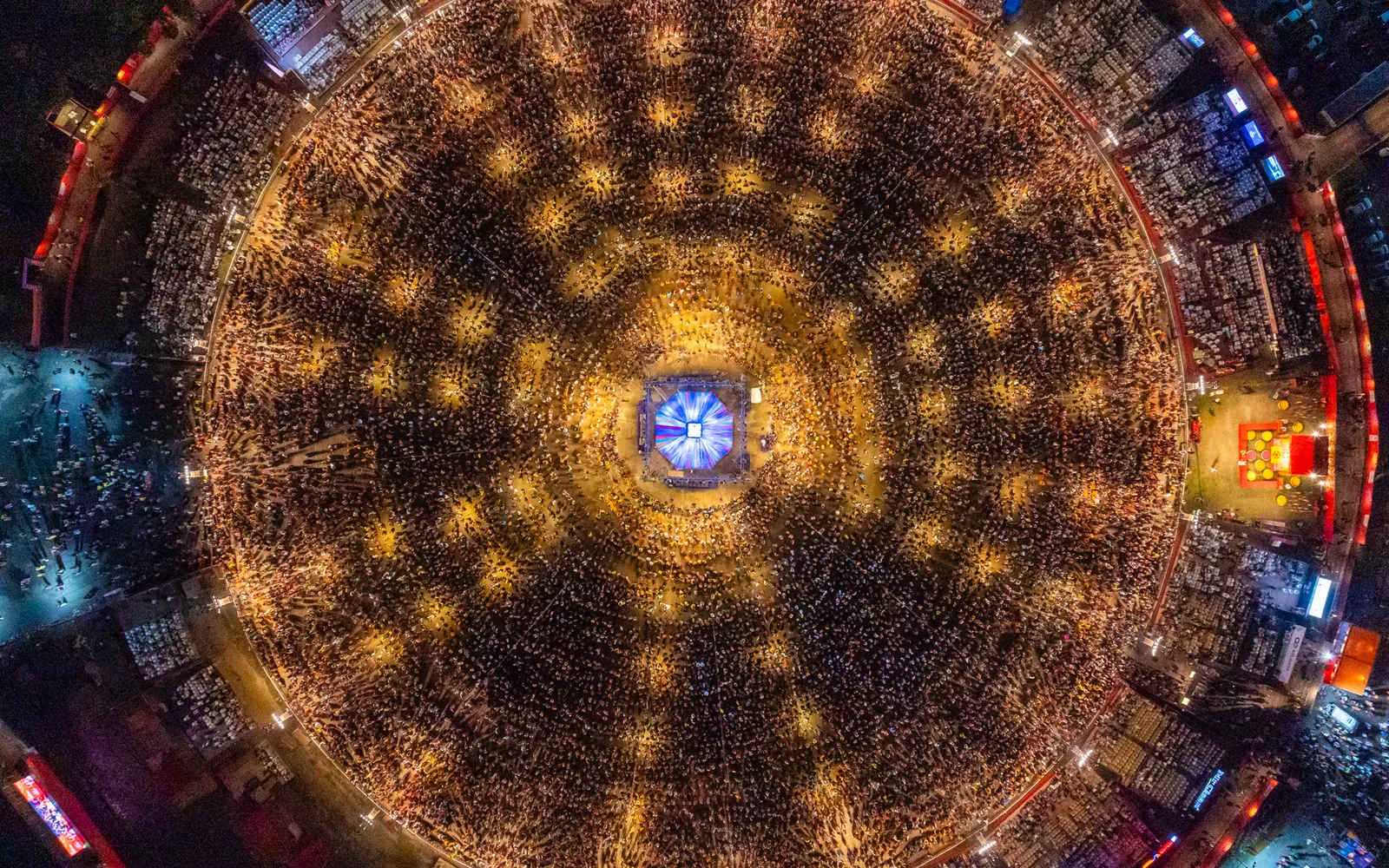
Janmashtami: The Grand Celebration of Krishna's Birth
Janmashtami is the most important festival at Dwarkadhish Temple, the celebration of Lord Krishna's birth on Bhadrapada Krishna Ashtami. Dwarka, being Krishna's own kingdom, is considered one of the most auspicious places to observe Janmashtami in the world. The city transforms into a sea of devotees, with pilgrims arriving 2–3 days before the main celebration. Streets, ghats, and shops are decorated with lights and Krishna imagery.
The central event is the midnight Abhishek, the ritual bathing of the deity with panchamrit (milk, honey, curd, ghee, and sugar) at 12:00 AM, precisely at the moment of Krishna's birth. Thousands of devotees throng the sanctum courtyard, chanting the Hare Krishna mahamantra and bhajans. The abhishek is followed by special prasad distribution and extended darshan through the night.
The three-day Janmashtami celebration also includes Raas Leela (folk dance depicting Krishna's divine play), kirtan sessions at ISKCON Dwarka, and a grand procession (shobha yatra) of Krishna's deity through the bazaar streets on decorated palki. Local families fast until midnight and break their fast with panchamrit and the customary sweets, panchamrit, poha, and dhaniya-panjiri.
Holi & Rang Panchami at Dwarkadhish Temple
The Braj Holi tradition (from Vrindavan/Mathura) is followed at Dwarkadhish Temple, making the celebration distinct from the standard one-day festival observed across India. The season opens with Phulera Dooj, when flowers are offered to the deity and the courtyard fills with petals and fragrance. From this day, the Holi mood descends upon Dwarka, bhajans change their theme to Krishna and the Gopis playing Holi, and the deity is adorned with gulal-hued garments and flower garlands in preparation for the coming celebrations.
On the main Holi night, the Holika Dahan (bonfire) ceremony is performed, and the following morning devotees celebrate Dhuleti with clouds of gulal filling the temple courtyard and Dwarka bazaar. But the real climax of the Dwarkadhish Holi is Rang Panchami, five days after the main Holi day, when the final burst of colour is played in the Shrinathji tradition. The deity is brought out in a special procession and devotees shower the palki with flowers and coloured powder. The 5-day span of Holi at Dwarkadhish Temple reflects its deep roots in Vaishnav devotional culture and the living tradition of Krishna's own love of this festival.
Annakut: Mountain of Food Offering After Diwali
Annakut is celebrated the day after Diwali (Kartika Shukla Pratipada). The word means "mountain of food", hundreds of cooked and uncooked food items are arranged in a vast display before the deity. The tradition commemorates Krishna lifting Govardhan Hill (Annakut Govardhan) to protect Vrindavan from the wrath of Indra, who sent torrential rains after the people of Vrindavan stopped worshipping him and offered their prayers to the hill and to Krishna instead. In Dwarka, the temple's Annakut display is one of the grandest in Gujarat, with temple priests spending an entire day arranging the offerings.
Rows upon rows of rice, rotis, sabzis, sweets, dry fruits, seasonal fruits, and special preparations are laid out before the deity in an elaborate tableau that symbolises the Govardhan Hill itself. Devotees queue to view the Annakut before the bhog (food offering) is formally made and then distributed as prasad. The sight of hundreds of dishes presented before Dwarkadhish is considered deeply auspicious and is one of the most photographed events in the Dwarka festival calendar. For visitors timing their trip around festivals, the Diwali-Annakut combination offers two spectacular evenings in quick succession.
Ekadashi: The Sacred Fasting Days
- Frequency 24 Ekadashis per year (2 per lunar month)
- Most Sacred in Dwarka Devshayani (July), Prabodhini (October/November), Nirjala (June)
- Fasting No grain consumption; fruits, milk, and farali food permitted
- Temple Activity Extended puja and bhajan sessions; larger crowds
- Nirjala Ekadashi Most strict, no water for 24 hours (only for the devoted)
- Significance Vishnu worship day; observing Ekadashi is said to remove all sins
Diwali & Sharad Purnima at Gomti Ghat
Diwali evening at Gomti Ghat is considered one of Gujarat's most beautiful festival sights. Thousands of oil diyas are placed on the 56 ghat steps and floated on the Gomti River, creating a river of flame that drifts towards the Arabian Sea. Bhadkeshwar Mahadev Temple, surrounded by water, appears to float in a sea of light as the tide comes in and the diyas reflect off the dark waves. The main temple's 43-metre shikhara is outlined with lights, visible across the dark skyline of Dwarka. Special Lakshmi puja and abhishek are performed at Dwarkadhish Temple on the Diwali evening, and the bazaar streets are illuminated with lanterns and rangoli. The atmosphere is both festive and deeply devotional.
On Sharad Purnima (the full moon of Ashwin month, approximately one month before Diwali), kheer placed under the full moon is distributed at dawn. According to legend, on this very night Lord Krishna performed the Maharas, the great divine dance with the Gopis, filling the moonlit Yamuna banks with celestial music and love. Dwarkadhish Temple commemorates this by keeping the temple open late for night darshan and distributing moon-bathed kheer as prasad. This is one of the most intimate and spiritually profound festivals at Dwarkadhish Temple, far less crowded than Janmashtami but deeply moving for devotees who seek a quieter, more contemplative connection with the Lord.
Festival Calendar 2026-27 (Key Dates)
15 January 2027
Makar Sankranti, til-gur offering at Dwarkadhish Temple; the kite festival fills the skies across Gujarat on this harvest day marking the sun's northward journey.
4 September 2026
Janmashtami, the biggest festival at Dwarkadhish Temple; over 500,000 pilgrims gather. Vaishnava households observe it on 5 September, so the crowd runs across both days. Arrive at least 2 days before to secure accommodation and good darshan positioning.
11-19 October 2026
Navratri, nine nights of Garba and Dandiya at Gomti Ghat and across the city; Dussehra follows on 20 October. The entire city of Dwarka comes alive with music, dance and devotion.
8 November 2026
Diwali and Annakut. Thousands of diyas illuminate Gomti Ghat on Diwali night; the grand Annakut food offering at Dwarkadhish Temple takes place the following morning.
Frequently Asked Questions
Also Explore Dwarka
Bet Dwarka
Guide to Bet Dwarka island: ferry from Okha, the Sudarshan Setu bridge, seasonal temple timings, and what to see on the island where Krishna lived.
Read Full GuideJanmashtami in Dwarka
Detailed festival guide to Janmashtami at Dwarkadhish Temple, midnight Abhishek, crowd management, accommodation tips, and what to expect during the 3-day celebration.
Read Full GuideDwarkadhish Temple
Complete temple guide to Jagat Mandir, history, architecture, 6 daily aartis, darshan timings, dress code, and everything a first-time pilgrim needs to know.
Read Full GuideTemple Timings
Festival aarti schedule and full darshan timings for Dwarkadhish Temple including special festival hours for Janmashtami, Ekadashi, and Diwali celebrations.
Check TimingsBest Time to Visit Dwarka
Season and festival planner for Dwarka, when to visit for ideal weather, which festivals to plan around, and month-by-month guide to the pilgrim calendar.
Plan Your Visit