Janmashtami in Dwarka 2026: Complete Festival & Darshan Guide
The grandest celebration of Lord Krishna's birth at his eternal city of Dwarka. Dwarkadhish Temple remains open all night, the midnight Abhishek draws lakhs of devotees from across India, and the entire city transforms into a living spiritual spectacle that devotees remember for a lifetime.
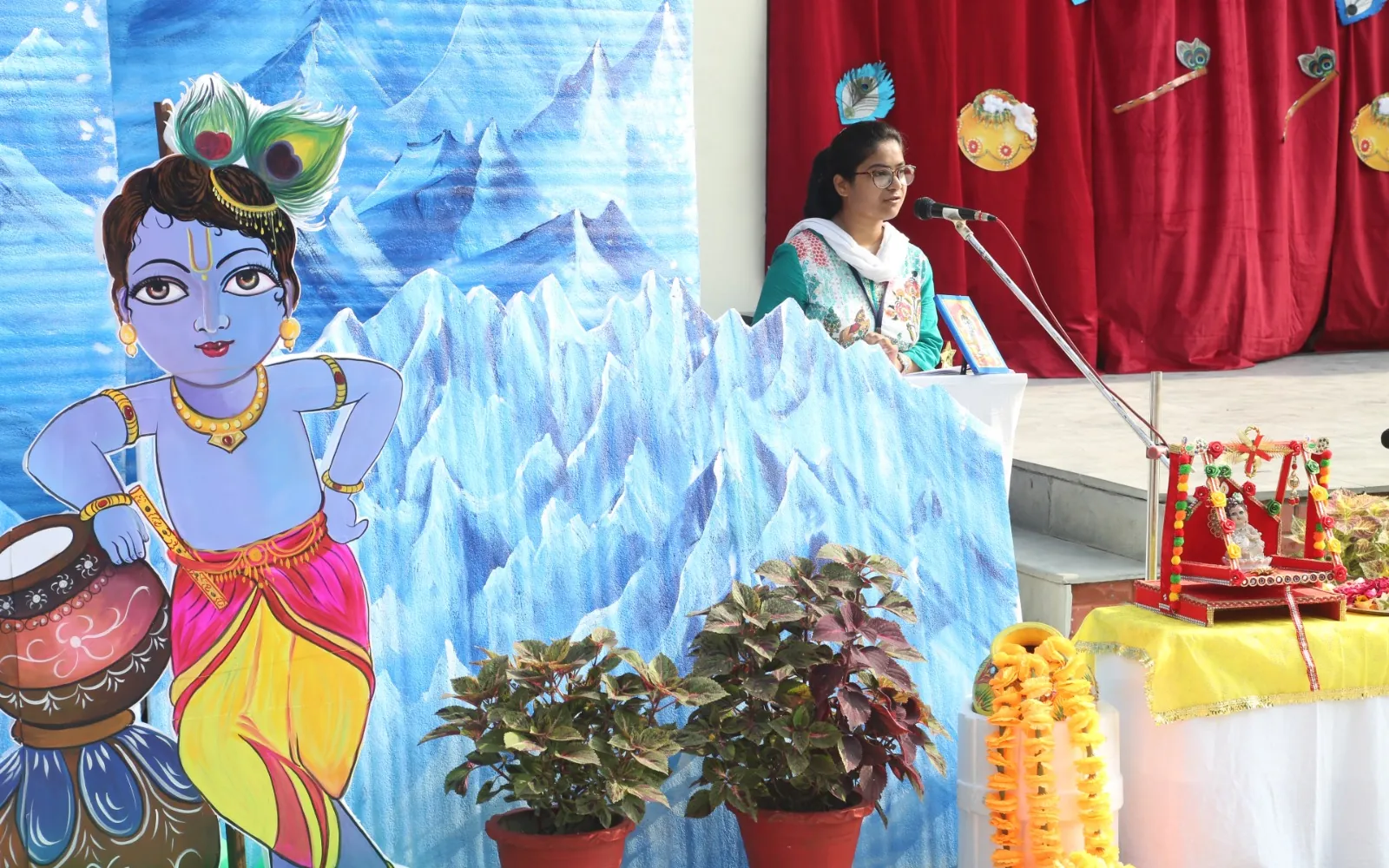
Janmashtami at Dwarkadhish Temple, Why Dwarka is the Most Sacred Place to Celebrate
Of all the cities in India where Janmashtami is celebrated with great devotion, Dwarka holds a unique and unparalleled spiritual authority. This is not simply the birthplace of Janmashtami observances, it is the very city that Lord Krishna chose as his eternal kingdom, where he ruled as the Dwarkadhish, the Lord and King of Dwarka, for many decades of his divine life. The Dwarkadhish Temple itself stands on the site of Krishna's original palace, Hari Griha, first consecrated by his great-grandson Vajranabha, making every stone here a direct connection to the Lord. Celebrating Janmashtami at Dwarka therefore means celebrating Krishna's birth in the very city he built, at the very temple where he is eternally enshrined, a spiritual convergence that no other location in the world can offer.
Dwarka's status as one of the four sacred Char Dhams of Hinduism elevates the significance of every festival celebrated here, and Janmashtami above all. The pilgrimage circuit of Char Dham, comprising Badrinath, Puri, Rameshwaram and Dwarka, represents the four cardinal directions and the four goals of human life, with Dwarka as the western pillar of the sacred arc. Devotees who complete their Char Dham pilgrimage and then witness Janmashtami at Dwarka are considered supremely blessed, as they are present in the most holy Krishna shrine during the most holy Krishna festival. Millions of pilgrims from Gujarat, Rajasthan, Maharashtra, Uttar Pradesh and beyond make it a life goal to attend at least one Janmashtami at Dwarkadhish Temple, and those who do invariably describe it as among the most profound spiritual experiences of their lives. The confluence of the sacred Gomti River, the vast Arabian Sea and the ancient stone temple creates an atmosphere that is deeply electric and profoundly moving on this night above all nights in the Hindu calendar.
2026 Janmashtami Celebrations in Dwarka
The celebrations in Dwarka for Janmashtami 2026 begin days before the main festival night, transforming the ancient pilgrimage city into a breathtaking spectacle of light, colour and devotion. From the fifth or sixth day of Bhadrapada's Krishna Paksha onwards, the streets around Dwarkadhish Temple are decked with marigold garlands, colourful buntings and electric illuminations that make even the oldest lanes of the city glow like festival corridors. The temple spire itself is bathed in floodlights of saffron and gold, visible from kilometres away and creating a beacon for the thousands of devotees who arrive by every mode of transport, trains, buses, private vehicles and on foot. GSRTC and private bus operators run special overnight services from Ahmedabad, Rajkot and Jamnagar during the Janmashtami period to accommodate the surge in pilgrims, and the Dwarka Railway Station receives additional trains from across Gujarat and Rajasthan in the days leading up to the festival.
Each evening in the days before Janmashtami, the ghats along the Gomti River and the open grounds near the temple host elaborate cultural programmes that draw thousands of spectators. Bhajan sandhyas featuring some of Gujarat's most celebrated devotional singers fill the night air with compositions in praise of Lord Krishna, while Krishna Leela plays enacted by local theatre groups retell the divine stories of the Lord's childhood mischief, his friendship with the Pandavas and his role as the charioteer of Arjuna. Matki Phod competitions, in which young men form human pyramids to break clay pots of curd suspended high above the crowd, reenacting the young Krishna's famous butter-stealing escapades, are among the most joyful and energetic events of the pre-festival period. The entire city is fragrant with incense and the smell of prasadam being prepared in the large community kitchens set up by temple trusts and devotional organisations, and the air of spiritual anticipation builds hour by hour until the sacred midnight moment arrives.
The Midnight Abhishek Ceremony
The central and most sacred event of Janmashtami at Dwarkadhish Temple is the midnight Abhishek, which begins precisely at 12:00 AM, the auspicious moment that Hindu tradition identifies as the hour of Lord Krishna's birth in Mathura more than five thousand years ago. As the clock approaches midnight, the crowd inside and around the temple swells to extraordinary proportions, with devotees pressing forward from every direction, their hands folded in reverence and their voices joining in a continuous chant of Jai Dwarkadhish. The temple priests, dressed in spotless white with vibrant silk uttariyas, take their positions around the main idol of Dwarkadhish, which has been specially adorned for the occasion with jewelled ornaments, a golden crown and a fresh silk pitambar (garment) of royal blue or yellow. The atmosphere inside the sanctum at this moment, the flickering of a thousand oil lamps, the fragrance of tuberose and champak flower garlands, the deep resonance of chanting voices, is beyond description and must be experienced to be understood.
At the stroke of midnight, the Abhishek begins. The head priest pours the first stream of warm milk over the idol, beginning the panchamrit, the sacred five-ingredient ritual bath that is the highest form of honour that can be offered to a deity in the Vaishnava tradition. The five elements of the panchamrit follow in sequence: milk (dudh), curd (dahi), honey (madhu), clarified butter (ghee) and sugar (shakkar), each poured slowly and reverently while Vedic mantras are chanted by the assembled priests in the deep, rhythmic intonation of Rigvedic Sanskrit. As the Abhishek proceeds, conch shells (shankha) are blown in great long blasts that echo across the temple complex and out over the darkened Arabian Sea, and temple bells of every size ring in a cascading crescendo that can be heard across the entire town of Dwarka. Flowers by the basketful, marigolds, roses, jasmine and lotus blooms, are showered over the idol and spread across the sanctum floor, and incense sticks of sandalwood and camphor fill every corner of the temple with a dense, sacred fragrance. The distribution of panchamrit prasadam to the assembled thousands immediately follows, and every devotee who receives even a few drops considers themselves supremely blessed for the entire year ahead.
How to Plan Your Janmashtami Visit to Dwarka
Planning your Janmashtami visit to Dwarka requires careful advance preparation given the enormous scale of this festival. The single most important piece of advice is to arrive in Dwarka at least two to three days before the main Janmashtami night, not only to secure your accommodation and get settled, but also to explore the surrounding temples and enjoy the pre-festival cultural programmes that begin several days in advance. Arriving early also allows you to take darshan at Dwarkadhish Temple, Rukmini Devi Temple, Bet Dwarka and Nageshwar Jyotirlinga on less-crowded days, visit Gomti Ghat for the Sandhya Aarti at sunset, and absorb the gradually building spiritual atmosphere of the city before the peak crowds descend. Booking your train or bus well in advance is essential, as all transport to and from Dwarka is typically fully booked weeks before Janmashtami, check IRCTC for train reservations and GSRTC for bus bookings as soon as your travel dates are confirmed.
On the day of Janmashtami itself, crowd management is the key challenge and discipline is the key virtue. The temple authorities and Gujarat Police deploy large numbers of security personnel and crowd-control staff, and queue lines for darshan can stretch for several hours. The best times to take darshan on Janmashtami day are the very early morning session from 5:00 AM to 7:00 AM, before the crowds build to their peak, or in the hours immediately after midnight once the Abhishek ceremony is complete and the initial surge of devotees has eased. Devotees intending to attend the midnight Abhishek should position themselves near the temple complex well before 10:00 PM, as entry into the inner zones fills up completely by that time. Carry only essential items, your identity document, a small water bottle, a phone with a power bank and your offerings; large bags, camera equipment and valuables are best left at your accommodation. Wear light, comfortable traditional attire appropriate to the dress code, as you may be standing and walking for many hours. A travel companion is strongly advisable for navigating the dense crowds safely.
Where to Stay for Janmashtami in Dwarka
Accommodation for Janmashtami in Dwarka is the single most critical logistical challenge for pilgrims, and it cannot be emphasised enough that bookings must be made three to four months in advance at the very minimum, in practice, the most popular dharamshalas and guesthouses near Dwarkadhish Temple begin filling up within days of the previous year's Janmashtami. The range of options in Dwarka itself covers every budget. At the most affordable end, the numerous dharamshalas (pilgrim rest houses) operated by temples and religious trusts offer basic but clean accommodation at rates ranging from approximately Rs 300 to Rs 500 per night per room, with simple shared bathroom facilities and vegetarian meals available on the premises. These dharamshalas are typically located within comfortable walking distance of Dwarkadhish Temple and are immensely popular with groups of pilgrims and families travelling on a budget. Early morning and late night movement within the complex is easy, which is a significant advantage on the night of the main festival.
For pilgrims seeking greater comfort, Dwarka offers a solid range of guesthouses and private hotels with air-conditioned rooms priced between approximately Rs 800 and Rs 2,000 per night during the regular season, though Janmashtami rates are typically significantly higher due to peak demand, budget accordingly. The Gujarat Tourism Development Corporation (GTDC) operates government-run hotels in Dwarka that offer reliable quality at reasonable tariffs and can be booked through the official Gujarat tourism website. If all accommodation in Dwarka proper is fully booked, which is a genuine possibility if you begin your search late, the town of Okha, approximately 30 kilometres from Dwarka and accessible by road or rail, provides a useful overflow option with its own range of guesthouses and lodges. Okha also serves as the ferry departure point for Bet Dwarka, so staying there has the added advantage of easy access to that sacred island temple. Whichever option you choose, confirm your booking with a written receipt and a phone number, and arrive on your booked date without fail as no-show bookings are typically forfeited during peak festival season.
Frequently Asked Questions
Also Explore Dwarka
Janmashtami 2026
Janmashtami 2026 at Dwarkadhish Temple is on Friday 4 September, observed 5 September by Vaishnavas.
Read Full GuideDwarkadhish Temple Guide
The sacred venue for Janmashtami, 2500-year-old Jagat Mandir where Lord Krishna is worshipped as the King of Dwarka. Complete history, timings and darshan guide.
Read Full GuideHotels in Dwarka
Book your Janmashtami accommodation early. Budget dharamshalas to comfortable guesthouses near Dwarkadhish Temple, complete accommodation guide for pilgrims.
Find HotelsDwarka Festival Calendar
Beyond Janmashtami, Dwarka celebrates Holi, Ekadashi, Annakut and more festivals throughout the year. See the full annual festival calendar.
See All FestivalsTemple Timings 2026
Regular darshan timings for Dwarkadhish Temple and all Dwarka temples. Special extended hours apply during Janmashtami and festival periods.
Check Timings