Dwarka in July: Heavy Monsoon, High Tides and Darshan That Continues Regardless
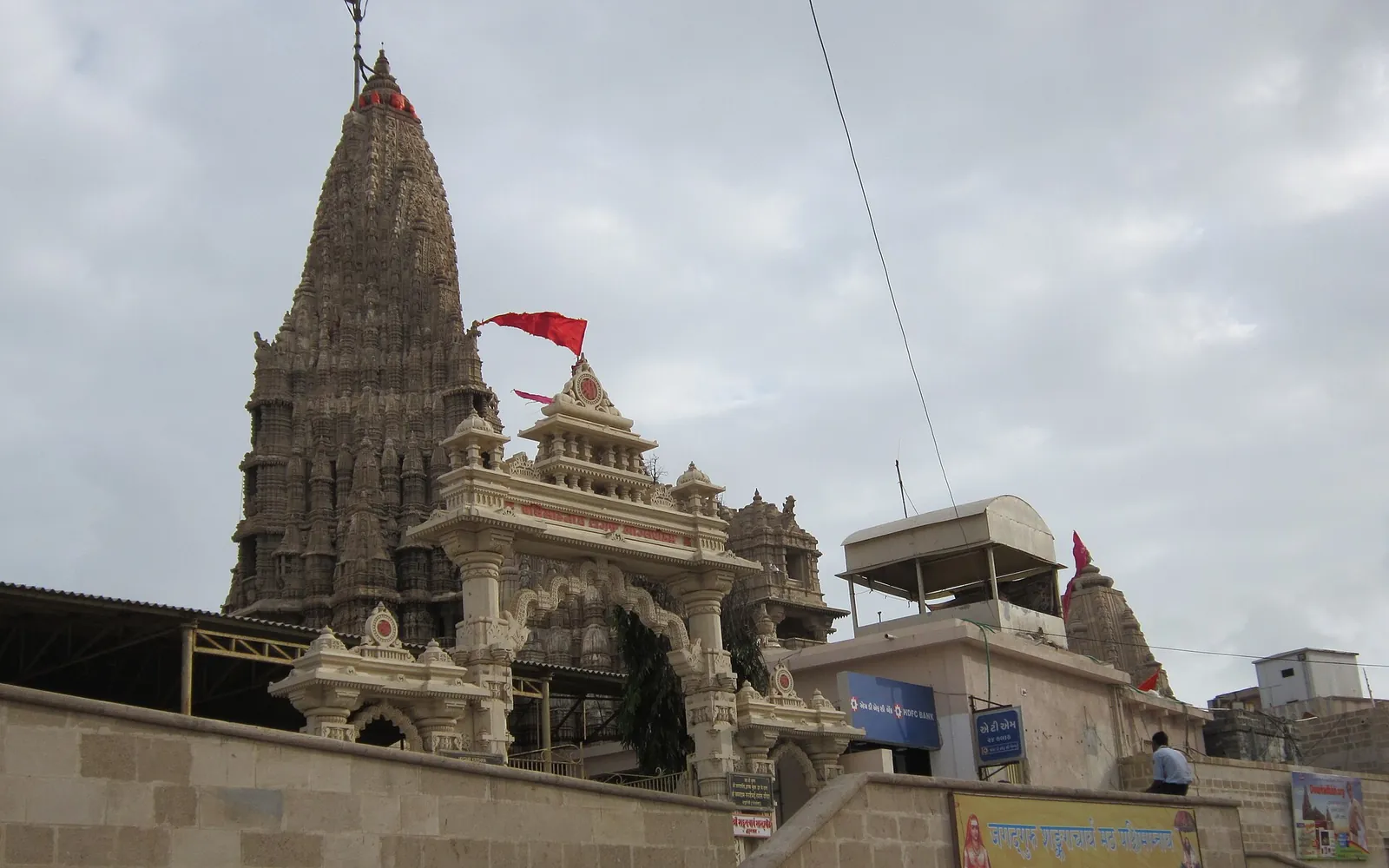
July is peak monsoon month in Dwarka. The Arabian Sea is at its roughest, temperatures settle between 26°C and 33°C in a humid embrace, and rain falls heavily and frequently. Through all of this, Dwarkadhish Temple does not close. All aratis happen on schedule. The city is at its least crowded, making July the ideal month for pilgrims who want unhurried, intimate darshan and do not mind rain as the price of that solitude.
July Weather in Dwarka
July is the heart of the monsoon in Dwarka. The Arabian Sea branch of the Indian monsoon is fully established and the city receives some of its heaviest rainfall of the year during this month. Temperatures are cooler than summer, ranging from 26°C to 33°C, but the combination of heat and high humidity makes it feel warmer in sheltered spots. The saving grace is that the temperature rarely climbs above 33°C even on the hottest July days, a significant relief compared to the 38-42°C peaks of May.
Rain in Dwarka in July does not follow a polite schedule. It can pour for 30 minutes and then clear to blue sky, or it can rain continuously for 6-8 hours. The city infrastructure copes reasonably well, the main temple lanes drain adequately and the temple complex itself is never flooded. What does change is that walking any distance in the open becomes wet work. The Gomti Ghat steps are slippery and the waterfront areas near Bhadkeshwar see waves that spray well beyond the causeway.
The landscape of Dwarka and the surrounding Saurashtra region transforms in July. The dry scrubland that characterises this part of Gujarat through most of the year turns green within days of heavy rain. The Gomti River runs fuller and the sacred confluence at the ghat takes on a more dramatic quality. For pilgrims who find the December-January Dwarka somewhat parched and flat despite the pleasant temperature, July offers a visually entirely different version of the same place.
26-33°C, very humid, frequent heavy rain, rough sea, lush green landscape
Dwarkadhish Temple in July, Aarti and Darshan
One of the most important things to understand about Dwarka in July is that Dwarkadhish Temple is completely unaffected by monsoon conditions. The temple has stood through centuries of Arabian Sea monsoons and its schedule has never been modified for weather. All six daily aratis happen at their fixed times, Mangala at 6 AM, Shringar at 7 AM, Gwal at 8:30 AM, Rajbhog at 12 PM, Uthapan at 5 PM, Sandhya at sunset and Shayan at 9 PM. The Dhwaja (flag ceremony) at 5 AM and sunset is similarly uninterrupted.
The experience of attending the Mangala Aarti at 6 AM in July has a quality unlike any other month. Dwarka is still dark at 6 AM, the air is cool and rain-washed, and the lanes around the temple are almost empty of tourists. The 6 AM aarti in October-November might have hundreds of pilgrims competing for space near the deity; in July you can stand close. The sound of the conch, the temple bells and the priest's chanting carry differently in the humid monsoon air, some pilgrims describe July morning darshan at Dwarkadhish as among the most devotionally concentrated experiences of their pilgrimage.
Darshan queue times in July are among the shortest of the entire year, expect 30-45 minutes during the main morning session in the single general darshan queue that every pilgrim, including elderly and disabled visitors, uses. Dwarkadhish Temple has no official paid "VIP darshan" scheme, so there is no separate counter, token or lane to pay for, unlike some other major temples such as Tirupati or Siddhivinayak, which do run official paid fast-track options. If anyone near the temple or online offers you a paid "VIP darshan pass", they have no connection to the temple trust, do not pay them. Lockers at Swarga Dwar and Moksha Dwar (₹20-40) are operational as usual. The one change worth noting for July is that the stone floor and steps inside the temple can be wet from the footfall of pilgrims arriving in from the rain, wear footwear that grips on wet marble and remove with care.
Bhadkeshwar in July, High Tides and Safety
Bhadkeshwar Mahadev Temple is built on a rocky island reached by a narrow causeway that floods completely at high tide. In July, this is the most challenging month for Bhadkeshwar access. Monsoon swells push the Arabian Sea higher than its normal tidal range, and on many July days the causeway is submerged for the majority of the day with only a brief low-tide window of an hour or less. On the worst monsoon days, the causeway may be underwater for 20+ hours straight.
This does not mean the Bhadkeshwar visit is impossible in July, it means it requires precise timing and a willingness to accept that on some days it simply will not happen. Checking the tide table in the morning (your hotel, local auto drivers and tide apps all provide this) is essential. If the low tide window falls before 8 AM or after 7 PM, it may be difficult to plan safely around. The temple is open 24 hours but attempting the causeway after dark in monsoon conditions is not recommended.
One alternative for July visitors who cannot cross to Bhadkeshwar is to view the temple from the shore at high tide. The image of the lone Shiva shrine rising from a surrounding sea with monsoon waves crashing around its base is extraordinarily powerful and deeply devotional for Shaivite pilgrims. Many pilgrims who came specifically for Bhadkeshwar darshan and found it inaccessible have described standing at the shore watching the waves break against the temple island as one of the most memorable moments of their Dwarka visit.
Bet Dwarka and Nageshwar in July
Bet Dwarka ferry service from Okha operates in July but is subject to suspension when sea conditions are too rough for safe passage. The Arabian Sea in July can be genuinely choppy. Ferry operators at Okha jetty make daily decisions on whether to run based on sea state. Before planning a Bet Dwarka trip in July, call or have your hotel enquire at Okha jetty on the day. Do not drive 36 km to Okha on the assumption the ferry will run, confirm first.
When the ferry does run in July, the crossing is rougher than in the calm winter months. Open-top boats bounce on the swell and passengers get wet from spray. The experience is very different from the gentle 20-minute crossing of November. Some pilgrims find the rough crossing atmospheric and memorable; others find it uncomfortable. Sudarshan Setu, the road bridge, is not affected by sea conditions. Crossing by road on Sudarshan Setu keeps you dry and does not depend on the boats running.
Nageshwar Jyotirlinga (17 km from Dwarka on the Okha road) is fully accessible in July and is unaffected by monsoon conditions. The temple is open 5 AM to 9 PM. The special Rudrabhishek ritual from 6-8 AM and the Evening Aarti at 7 PM both happen on schedule throughout the monsoon. Nageshwar is one of the 12 Jyotirlingas and is a standard stop on the Dwarka circuit. In July, the road from Dwarka to Nageshwar and Okha is in generally good condition, puddles and brief flooding after heavy rain are possible but the road does not typically become impassable.
The Advantages of Visiting Dwarka in July
The case for visiting Dwarka in July is simple and honest: you get the shortest darshan queues of the year, the lowest hotel rates of the year, and an experience of Dwarkadhish Temple that is as intimate and personal as the general darshan queue ever gets. The main Char Dham shrine of Dwarka was established at this location precisely because it is at the confluence of the Gomti and the Arabian Sea, a liminal, powerful geography. In July that geography is at its most visually dramatic, with the monsoon sea heaving against the old city walls and the temple standing impassive against it all.
Hotel rates in Dwarka drop 30-50% from peak season in July. Accommodation that costs ₹3,000-4,000 in November is available for ₹1,500-2,500. The Dwarka Trust Bhojnalaya remains open for free or minimal-cost meals. Prasad at Dwarkadhish is distributed as normal. The entire pilgrim infrastructure of the city, lockers, prasad counters, auto-rickshaws, functions as usual. The only things that change are crowd levels (much lower), weather (wetter) and Bhadkeshwar access (tide-dependent).
Pilgrims who come to Dwarka for spiritual reasons rather than tourism reasons often find July perfectly suited. The absence of large crowds creates a contemplative atmosphere in and around the temple that is hard to find in the October-February peak. If your priority is standing before the Dwarkadhish deity with time and space to absorb the darshan rather than being carried through by a press of bodies, July delivers that. The rain outside is irrelevant once you are inside the sanctum.
Packing List and Practical Tips for July
Packing for July in Dwarka requires a rain-first mindset. A good quality compact umbrella is the single most important item. Waterproof sandals or slip-on shoes that grip wet surfaces are essential, the temple lanes, ghat steps and the path to Bhadkeshwar causeway all become slippery. Cotton clothing that covers shoulders and knees (temple dress code) should be lightweight and quick-drying since you will likely get wet at some point during a July day regardless of precautions.
A waterproof pouch for your mobile phone and documents is non-negotiable. A small dry bag for anything electronic in your daypack protects against sudden monsoon downpours. If you plan to attempt the Bet Dwarka ferry crossing, keep all valuables in a waterproof bag during the crossing. Do not bring leather items into the temples (prohibited) and keep leather footwear and belts in your locker or hotel room during darshan.
The afternoon break (1-5 PM) when Dwarkadhish Temple is closed aligns naturally with the hottest and sometimes wettest part of a monsoon day. Use this window to rest at your hotel or have a meal. The monsoon afternoon in Dwarka often brings the heaviest showers. Resuming temple visits at 4:30 PM (ISKCON opens) or 5 PM (Dwarkadhish Uthapan) usually catches the post-rain clearing that makes late afternoon in July particularly beautiful.
Frequently Asked Questions
Also Read
Bet Dwarka
Guide to Bet Dwarka island: ferry from Okha, the Sudarshan Setu bridge, seasonal temple timings, and what to see on the island where Krishna lived.
Read Full GuideDwarka in August
August brings Janmashtami, the biggest event at Dwarkadhish with 5 lakh+ pilgrims. Monsoon continues. Book rooms 3 months in advance for Janmashtami week.
Read MoreBhadkeshwar Mahadev Temple
The tide-dependent Shiva temple 2 km from Dwarkadhish, when it is accessible, how to check tides and what the causeway crossing is like.
Read MoreBest Time to Visit Dwarka
Month-by-month comparison of Dwarka weather, crowd levels, festival calendar and practical advice for choosing when to plan your yatra.
Read More