Dwarka in October: Navratri Begins and the Best Season Returns
October marks the turning point in Dwarka's pilgrimage calendar. The monsoon retreats, temperatures settle into a comfortable 26-33°C, and Navratri, the nine-night festival celebrated with garba and worship of Goddess Durga, brings the first major crowd of the post-monsoon season. In 2026, Navratri falls approximately October 11-19. Bhadkeshwar and Bet Dwarka are fully accessible again. This is the beginning of the best months to visit Dwarka, and crowds will grow steadily from here through February.
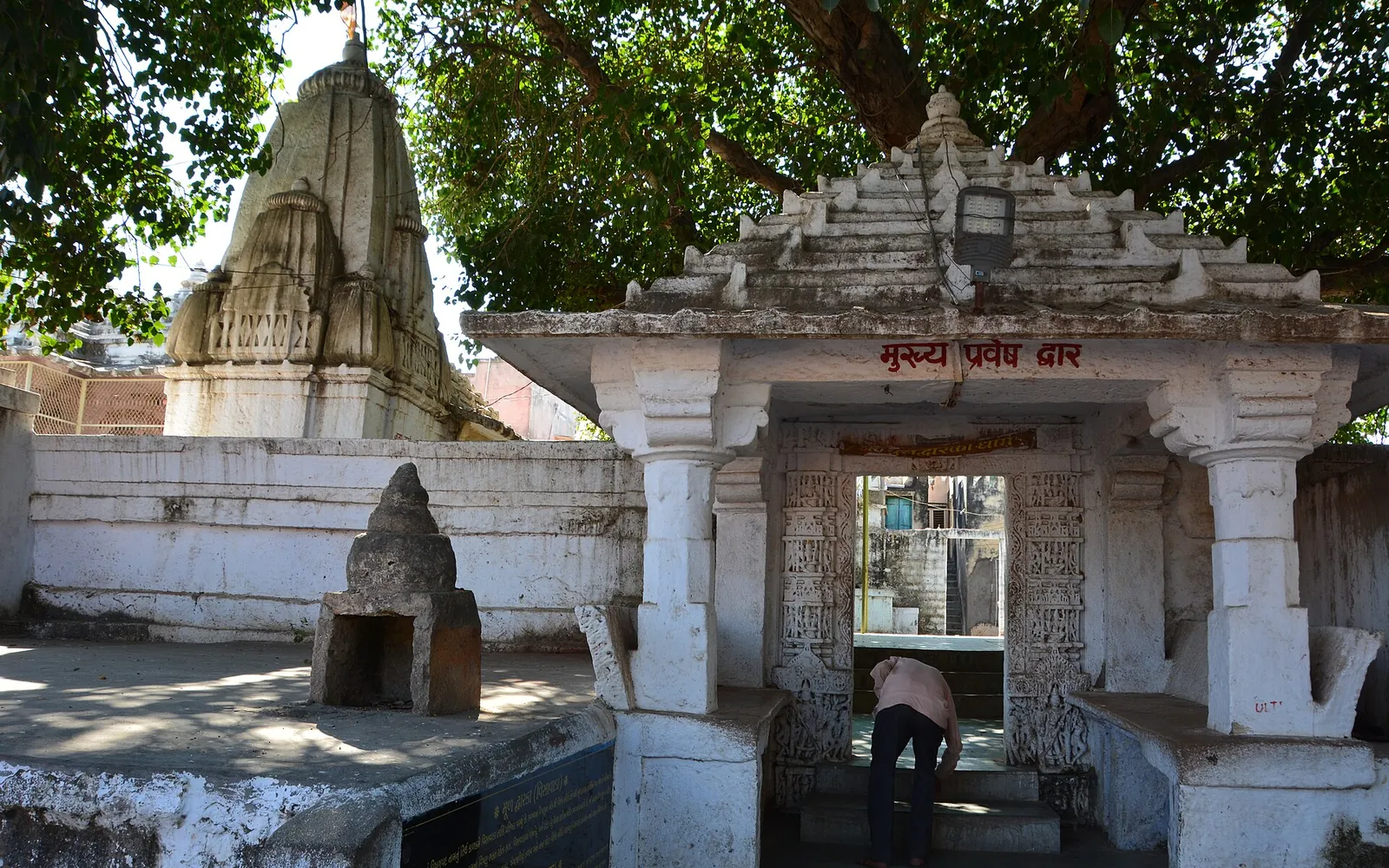
October Weather in Dwarka
October is when Dwarka becomes genuinely pleasant. The Indian monsoon withdraws from Gujarat in late September to early October, and with its departure the weather transforms. Temperatures of 26-33°C feel comfortable after the humid 28-38°C of the monsoon months. Humidity drops significantly. Days are warm but not harsh; evenings become pleasant and sometimes require a light layer after sunset. This is the weather that draws pilgrims from across India and the world, comfortable enough to walk the temple lanes, stand in queue, and move between sites without heat being an adversary.
Rain is essentially absent in October except for possible post-monsoon tail showers in the very first days of the month. By the time Navratri begins (typically around October 2), the sky is largely clear and the air is dry enough to make outdoor evenings genuinely enjoyable. The garba celebrations that are central to Navratri in Gujarat depend on dry evenings, and October in Dwarka delivers this reliably in most years.
The Arabian Sea also settles fully in October. The monsoon swells that kept the sea rough through July-September are gone. Bet Dwarka ferry crossings are smooth and consistent. The Bhadkeshwar causeway, which can be submerged for much of the day during monsoon high tides, is accessible during normal low-tide windows as in the regular season. The full geography of Dwarka, its island temple, its rocky shore shrine, its ghats and its market lanes, is open and accessible in October in a way that simply is not possible during the monsoon.
26-33°C, pleasant, Navratri crowd, garba evenings, growing pilgrim traffic
25-31°C, comfortable, moderate crowd, all sites accessible, best of year approaching
Navratri in Dwarka, Festival and Garba
Navratri, the nine-night festival of Goddess Durga, is one of the most widely celebrated festivals in Gujarat, and Dwarka is no exception. In 2026, Navratri falls approximately October 11-19, with Dussehra on approximately October 20. The festival is not primarily a Vaishnava occasion (Dwarkadhish is a Krishna temple), but in Gujarat it is observed across all communities as a cultural and religious celebration. The nine nights of garba, circular devotional dance performed around a central lamp or image of the goddess, fill open spaces across Dwarka in the evenings.
Near Dwarkadhish Temple, the Navratri evenings see organised garba programmes in the temple's surrounding areas and in open grounds nearby. The garba tradition in Saurashtra is distinctive, rhythmic, devotional and communal in a way that is deeply participatory. Visitors are generally welcome to observe or join garba sessions. The sight of hundreds of people in traditional Gujarati dress, women in chaniya-choli, men in kediyu, circling to the beat of dhol drums in the open October night, with the illuminated Dwarkadhish shikhara rising in the background, is one of the more memorable visual experiences Dwarka offers outside its temple rituals.
Dwarkadhish Temple itself observes Navratri with special aratis and enhanced deity decoration. The 8-day energy of the festival builds toward the ninth night (Navami) before culminating with Dussehra. Pilgrims who time their Dwarka visit around Navratri get the combination of pleasant weather, the complete aarti schedule at Dwarkadhish, and the festival atmosphere of Navratri evenings, a combination that is genuinely exceptional and not available in any other month. Book accommodation at least 4-6 weeks in advance for Navratri week; the city fills up.
Dwarkadhish Darshan in October, Timings and Crowd
The Dwarkadhish Temple aarti schedule in October is the full standard programme: Mangala at 6 AM, Shringar at 7 AM, Gwal at 8:30 AM, Rajbhog at 12 PM, Uthapan at 5 PM, Sandhya at sunset (approximately 6:15-6:30 PM in early October, shifting slightly as the month progresses) and Shayan at 9 PM. The Dhwaja (flag) ceremonies happen at 5 AM and at sunset. No modifications to the aarti schedule are made for October, though special decorations may be added for Navratri.
Darshan queue times in October are moderate and growing. Outside Navratri week, expect 1-1.5 hours in the general queue, longer than the near-empty September queues but far shorter than the 2-4 hours of peak November-January. During Navratri itself, queues extend to 2-3 hours on the main festival days. Dwarkadhish Temple runs no official "VIP darshan" scheme, unlike some major temples such as Tirupati or Siddhivinayak that do offer paid priority-access passes, every pilgrim here, including elderly and disabled visitors, uses the same single queue, and general darshan has always been free. The genuinely effective way to cut your wait during Navratri is to arrive for the 6 AM Mangala Aarti, when queues are shortest, and to avoid the busiest late-evening slots. Be cautious of touts or unofficial websites near the temple or online offering a paid "VIP darshan pass", they are not affiliated with the Dwarkadhish Temple Trust, and pilgrims should not pay them.
The Sandhya Aarti in October, happening around sunset at 6:15-6:30 PM, is one of the year's more beautiful temple moments. October light at sunset over Dwarka has a particular warmth and clarity after the grey skies of monsoon, and the aarti performed as this light fades over the Gomti and the Arabian Sea is a visual and devotional experience of the highest order. Arriving at the temple by 5:30 PM to settle in position for the 6 PM pre-aarti period is the right approach. The Uthapan at 5 PM leads naturally into the Sandhya without leaving the temple, allowing pilgrims who arrive early to attend both aratis consecutively.
| Aarti | Time (October) | Notes |
|---|---|---|
| Dhwaja (Flag) | 5:00 AM | Dawn flag hoisting |
| Mangala Aarti | 6:00 AM | Best October morning experience, pleasant cool air |
| Shringar Aarti | 7:00 AM | Navratri special decoration visible |
| Gwal Aarti | 8:30 AM | Morning milk ritual |
| Rajbhog Aarti | 12:00 PM | Main midday aarti |
| Afternoon Break | 1:00–5:00 PM | Temple closed to visitors |
| Uthapan Aarti | 5:00 PM | Leads into Sandhya, attend both consecutively |
| Sandhya Aarti | ~6:15-6:30 PM (sunset) | October sunset light, outstanding experience |
| Dhwaja (Sunset) | At sunset | Evening flag ceremony |
| Shayan Aarti | 9:00 PM | Final aarti of the day |
All Sites Accessible, Bhadkeshwar, Bet Dwarka and Nageshwar in October
October is the first month since May when all of Dwarka's major sites are fully and reliably accessible. Bhadkeshwar Mahadev, tide-dependent year-round but genuinely difficult during the July-September monsoon, is accessible in October during its standard low-tide windows. The tidal pattern has normalised and the windows are 2-3 hours long on most days. Checking tide timings on the day remains essential (Bhadkeshwar is always tide-dependent regardless of season) but the conditions are as close to predictable as they get. The temple's setting in October, the Arabian Sea calm, the causeway walkable, the late afternoon light on the Shiva shrine, is one of Dwarka's most striking visual experiences.
Bet Dwarka ferry from Okha is fully operational and running on consistent schedules in October. The 36 km Dwarka-to-Okha road is dry and clear. The 3.5 km ferry crossing is smooth and pleasant, very different from the choppy monsoon crossing. October is an excellent month to do the full Bet Dwarka day trip: depart Dwarka by 7:30 AM, ferry to the island by 9:30 AM, spend 2-3 hours at the sacred island, cross back and add Nageshwar Jyotirlinga on the return leg, and reach Dwarka in time for the 5 PM Uthapan aarti. This circuit becomes increasingly crowded as November approaches, but in October it is comfortably manageable.
Nageshwar Jyotirlinga (17 km from Dwarka) is fully accessible throughout October. The special Rudrabhishek at 6-8 AM and Evening Aarti at 7 PM are particularly worthwhile in the pleasant October weather. Rukmini Devi Temple (2.5 km from Dwarkadhish) and ISKCON Dwarka (3 km from Dwarkadhish) are both open on their standard schedules. The full Dwarka temple circuit, Dwarkadhish, Rukmini Devi, ISKCON, Bhadkeshwar, Bet Dwarka and Nageshwar, can be comfortably completed in 2-3 days in October, which is the standard itinerary for most pilgrims visiting this season.
Accommodation, Costs and Getting to Dwarka in October
Hotel rates in October sit between the affordable monsoon prices of July-September and the full peak-season rates of November-February. For Navratri week (approximately October 11-19), rates are at the higher end, similar to or slightly below November prices. Outside Navratri, rooms are still significantly more affordable than December-January. The key difference from September is that advance booking is now necessary. Hotels within walking distance of Dwarkadhish fill for Navratri weeks relatively quickly; book at least 4-6 weeks ahead for Navratri dates.
Transportation to Dwarka in October reflects the growing demand of the approaching peak season. Train berths on the Dwarka Express from Ahmedabad, and on trains from Mumbai (via Saurashtra Mail to Okha), should be booked at least 3-4 weeks ahead. GSRTC buses from Rajkot and Ahmedabad run regularly and are more readily available than train berths, but demand increases in October. Private taxis from Rajkot (215 km, ₹3,500-5,000), Jamnagar (141 km, ₹2,500-3,500) and Ahmedabad (450 km, ₹7,000-9,000) are available but prices rise from their monsoon lows as October crowds build.
Food in Dwarka in October is the full standard offering, Gujarati thali, local sweets (peda is the classic Dwarka prasad item, ₹30-100), Trust Bhojnalaya meals (free or ₹20), and the range of vegetarian restaurants around the temple market area. October's pleasant weather makes sitting outdoors at a dhaba in the temple area a genuinely enjoyable experience in the evenings, something that is not comfortable in the monsoon heat and humidity of the previous months.
October as the Start of the Best Season
October holds a specific significance in the Dwarka pilgrimage year: it is where the calendar turns from the difficult months to the excellent ones. The best weather for Dwarka runs from October through February. January and February (13-29°C) and November (20-30°C) are marginally cooler and therefore considered the absolute peak; October at 26-33°C is slightly warmer but in the same category of comfortable. The important shift is not just temperature but the combination of temperature, absence of monsoon, crowd energy and festival atmosphere that October brings together.
The pilgrims who visit Dwarka in October are a particular kind, people who know the calendar well enough to come before the December-January peak, get the pleasant weather without the maximum crowds, and experience Navratri as a bonus. This is not the tourist mass that arrives in December with no prior knowledge of Dwarka's rhythms. October pilgrims tend to be returning visitors, local Gujarati pilgrims who know to time their yatra for the festival season, and serious devotees who have planned months in advance.
From a practical standpoint, October is when Dwarka shifts into its full operational mode. The Dhwaja (flag) ceremony at 5 AM and sunset, a ritual unique to Dwarkadhish among all the Char Dham temples, where the flag atop the temple is changed five times daily, is most spectacular when witnessed in October's clear pre-dawn sky at 5 AM. The flag that flies above the 43-metre shikhara is changed by a priest who climbs the exterior of the spire, an act that in October's cool early morning, under clear skies, is a sight that encapsulates everything distinctive about Dwarkadhish as a place of living, active, daily worship stretching back across centuries.
Frequently Asked Questions
Also Read
Bet Dwarka
Guide to Bet Dwarka island: ferry from Okha, the Sudarshan Setu bridge, seasonal temple timings, and what to see on the island where Krishna lived.
Read Full GuideGomti Ghat Dwarka
Gomti Ghat Dwarka aarti timings: Sandhya Aarti at sunset, 6:30 PM to 7:30 PM daily.
Read Full GuideDwarka Festivals
The complete Dwarka festival calendar, Janmashtami, Navratri, Holi, Diwali and other observances at Dwarkadhish, with dates and what each festival involves.
Read MoreBest Time to Visit Dwarka
Month-by-month breakdown of Dwarka weather, crowd levels and festival calendar, the complete guide to choosing the right time for your yatra.
Read MoreDwarka Darshan Itinerary
A practical day-by-day itinerary for 1, 2 and 3 day Dwarka visits in the October-February season, covering all temples and how to sequence them.
Read More