Nageshwar Jyotirlinga to Shivrajpur Beach Distance: 20 km After Darshan
Nageshwar Jyotirlinga to Shivrajpur Beach is approximately 20 km, 25 to 30 minutes by road. After completing darshan at the 11th Jyotirlinga, a short drive south brings you to Gujarat's only Blue Flag certified beach. The contrast of a Jyotirlinga blessing followed by an hour at Shivrajpur's clean, calm shoreline is a popular half-day combination for pilgrims staying in Dwarka.
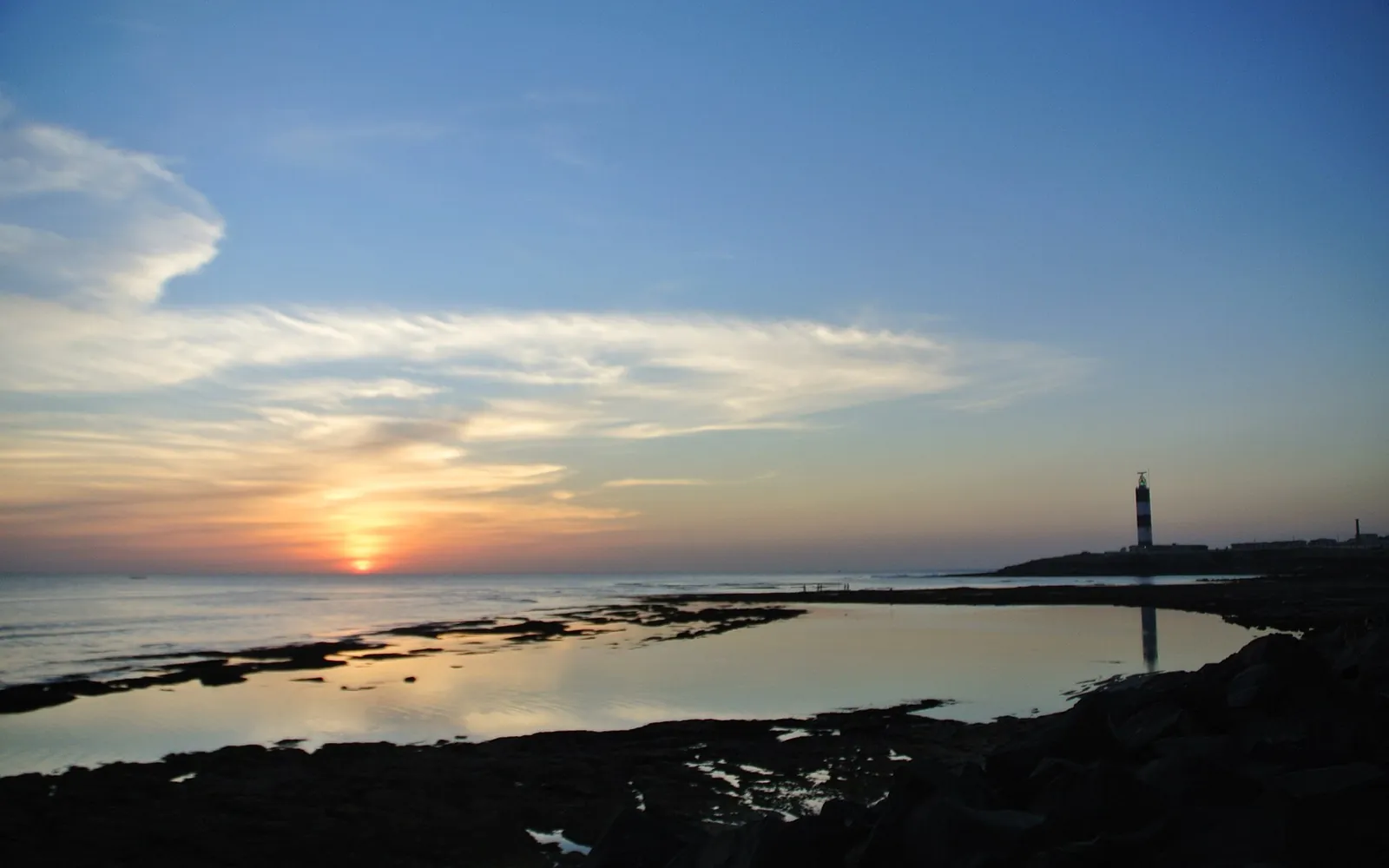
The Natural Pairing: Jyotirlinga and Blue Flag Beach
The Dwarka region is uniquely positioned to offer both intense pilgrimage and genuine natural beauty within a small geographic radius. Nageshwar Jyotirlinga, 17 km from Dwarka on the Okha highway, draws Shiva devotees from across India. Shivrajpur Beach, 12 km from Dwarka in the other direction, draws those who appreciate the Arabian Sea coastline. The fact that these two very different destinations lie roughly 20 km apart, with Dwarka town as the hub between them, makes the combination effortless to plan.
Pilgrims who complete early morning Rudrabhishek at Nageshwar (6-8 AM) and leave the temple by 9-9:30 AM can reach Shivrajpur Beach by 10 AM, spend an hour swimming or walking the shoreline, and be back in Dwarka by noon, with the entire afternoon free for Dwarkadhish darshan, Gomti Ghat, and Bhadkeshwar Mahadev at the evening low tide. This full-day circuit, Nageshwar, Shivrajpur, Dwarkadhish, Gomti Ghat, Bhadkeshwar, is what experienced Dwarka pilgrims consider the ideal single day in this region.
The character of the two destinations is complementary rather than similar. Nageshwar is formal and devotional, a large, managed temple complex with structured darshan queues, priests, rituals, and a palpable Shaiva atmosphere. Shivrajpur is open, informal, and natural, a long stretch of certified clean sand where the only sounds are the waves and the wind. Many pilgrims who experience both on the same day remark that the beach visit deepens their experience of the morning's darshan, as if the sea itself provides a final settling of the spiritual experience from the temple.
The Route from Nageshwar to Shivrajpur Beach
The route from Nageshwar to Shivrajpur Beach routes through Dwarka town or just south of it. From Nageshwar, you head southeast on NH47 back toward Dwarka. Once past Dwarka, continue south on the coastal road toward Shivrajpur. The beach lies approximately 12 km south of Dwarka town on this road, meaning the total distance from Nageshwar is roughly 17 km back to Dwarka plus another 12 km south, but the direct road cuts slightly shorter at approximately 20 km total.
If you have hired a private auto or taxi from Dwarka for the Okha circuit, most drivers are willing to add Shivrajpur to the route. The beach is well-known locally and every driver knows it. When negotiating your day hire from Dwarka, simply mention you want to include Shivrajpur Beach in the circuit. The full day hire covering Nageshwar, Okha (or Shivrajpur), and return to Dwarka runs ₹800-1400 for an auto and ₹1500-2500 for a car.
Those traveling by GSRTC bus from Dwarka toward Somnath can ask to be dropped at the Shivrajpur junction on the highway. The beach is a short walk from the highway. Return buses toward Dwarka pass the same junction, flag down any Dwarka-bound bus. This is the most economical option but requires flexibility in timing as bus frequency on this stretch is not very high.
Shivrajpur Beach: What to Expect
Shivrajpur is one of Gujarat's cleanest and best-managed beaches, not by reputation only, but by the documented standards of the international Blue Flag certification. The beach stretches for a kilometre or more of gently sloping sand that makes it safe for casual swimming. The water is clear by Gujarat standards, particularly in the October-March period, and the absence of large-scale fishing operations directly on the beach keeps it clean and relatively free of marine debris.
The beach is relatively uncrowded on weekday mornings, the ideal time to visit if you are coming from Nageshwar after early morning darshan. You can have an extended stretch of beach nearly to yourself between 9 AM and 11 AM on most weekdays outside school holiday periods. Weekends from November to February see larger crowds from Dwarka, Jamnagar, and Rajkot, as Shivrajpur is increasingly known as a family beach destination in western Gujarat.
Water sports are available seasonally, jet skis and boat rides operate during the peak tourist season (November to February). Prices for water sports are negotiable but typically run ₹200-500 for a short jet ski ride and ₹100-200 for a boat trip along the shoreline. These are informal operators rather than certified dive schools, so manage expectations accordingly. The beach itself, walking, swimming, sitting, requires no payment and is the reason most visitors come.
The Full Day Circuit from Dwarka Including Nageshwar and Shivrajpur
For pilgrims with a full day in Dwarka and a hired vehicle, the combination of Nageshwar Jyotirlinga and Shivrajpur Beach along with Dwarkadhish darshan makes a deeply satisfying programme. Here is how a well-sequenced day looks when combining all three.
This schedule works particularly well in the October to February season when days are long enough, temperatures are comfortable for beach activity in the morning, and the sea at Shivrajpur is calm. The early start for Nageshwar Rudrabhishek means you complete the Jyotirlinga darshan before the crowds build, then have the beach to yourself in the quiet morning hours. By the time you reach Dwarkadhish at 11:30 AM you are refreshed and ready for what is typically a 45-minute to 1.5-hour queue.
Frequently Asked Questions
Also Read
Somnath to Shivrajpur Beach
Somnath to Shivrajpur Beach is 28 km via Veraval, 35-40 minutes by road.
Read Full GuideNageshwar Jyotirlinga
Full guide to Nageshwar, the 11th Jyotirlinga near Dwarka, Rudrabhishek timings, the giant Shiva statue, and how to plan your visit on the Okha circuit.
Read MoreNearby Attractions from Dwarka
Shivrajpur Beach, Madhavpur, Porbandar, and other half-day and full-day trips accessible from Dwarka, with distances and planning advice.
Read MoreBest Time to Visit Dwarka
Month-by-month guide to weather, pilgrimage crowds, and sea conditions, helping you choose the ideal season for combining temple visits with beach trips.
Read More