Navratri in Dwarka 2026: Garba, Goddess Amba and the Sacred October Celebration
Navratri 2026 runs from October 11 to 19 in Dwarka. The nine-night festival venerates Goddess Amba through garba held in grounds near Dwarkadhish Temple and throughout the town, special morning darshan with the deity dressed in Navratri colors, and a devotional intensity that is traditional and deeply rooted, nothing like the commercial stadium garba of larger Gujarat cities.
Navratri in Dwarka: The Character of This Celebration
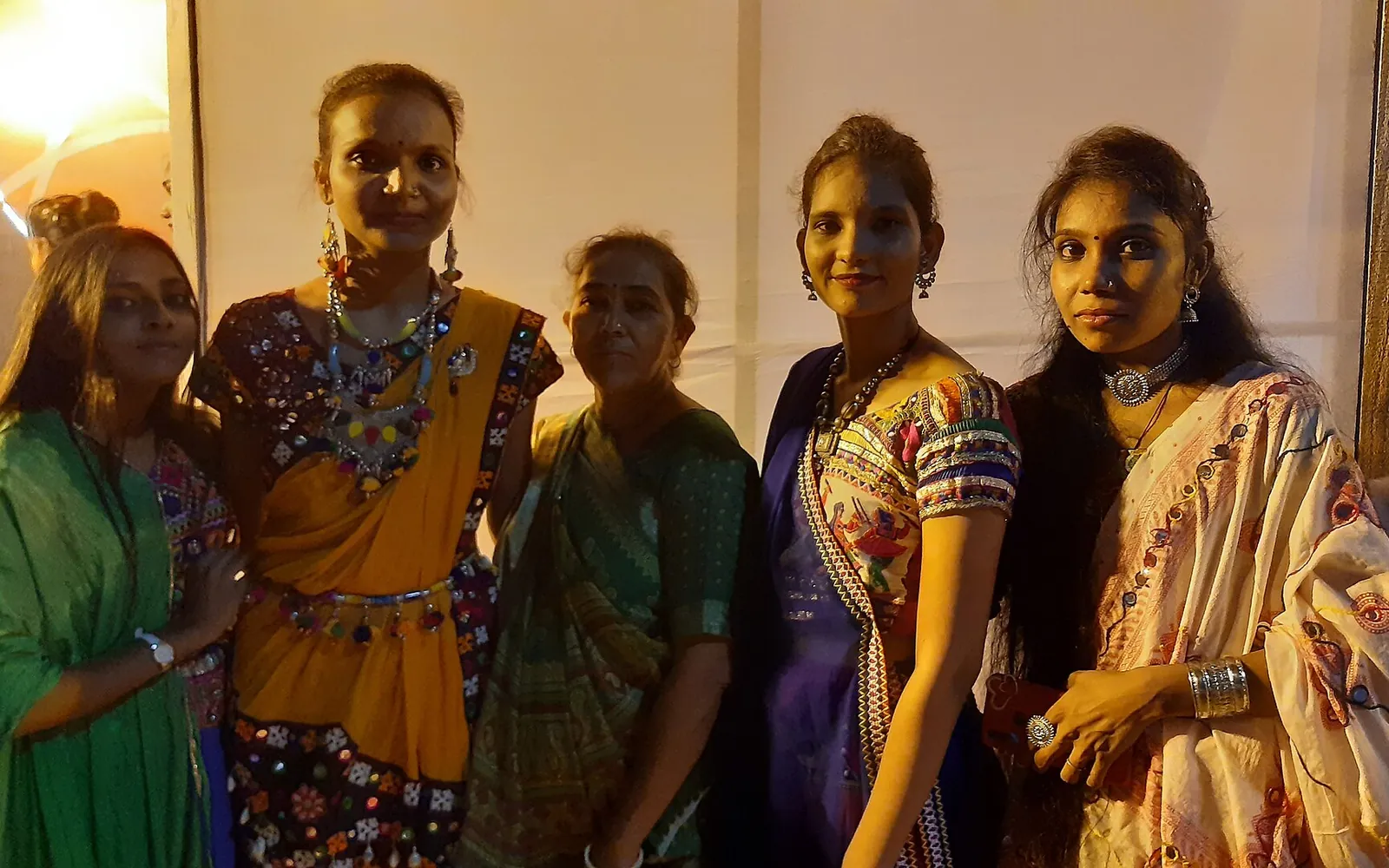
Dwarka celebrates Navratri in the manner of traditional Gujarat, not the choreographed, ticketed, and commercially produced events of Ahmedabad, Vadodara, or Surat, but the older form of community worship where garba is a devotional act rather than a performance. The distinction matters greatly for pilgrims and visitors choosing where in Gujarat to experience Navratri. In Dwarka, people gather not to show off their embroidered chaniya choli or to be photographed, but because the nine nights have genuine religious weight here.
Dwarka sits in a region where Goddess Amba holds deep cultural and devotional significance. The famous Ambaji Temple, one of the 51 Shakti Peethas, is in Banaskantha district, and the entire Saurashtra and north Gujarat region has a Shakti-reverent tradition running parallel to its Vaishnav heritage. Navratri is the point in the year where these two streams, the Krishna devotion centered on Dwarkadhish and the Shakti devotion centered on Amba, both run high simultaneously. This layering gives Navratri in Dwarka a theological depth that is not always visible to outside observers.
The garba circles in Dwarka form in the evening after the Sandhya aarti at Dwarkadhish. The most organic and traditional garba happens in the lanes near the temple, where residents of the temple neighborhood have gathered for this purpose for generations. There are no entry tickets, no stage lighting rigs, no celebrity performers. There is a group of people moving in concentric circles around a lamp or a small idol of the goddess, singing devotional songs that have been passed down through generations of Gujarati women. Visitors who join respectfully are welcomed.
The Nine Nights: What Happens Each Day
Navratri follows a nine-day progression, with each day traditionally associated with a different form of the goddess and a specific color. At Dwarkadhish Temple, the deity is dressed in colors that align with the nine-day color sequence, a parallel observance that connects the Vaishnav temple to the Shakti festival in a characteristically Gujarati way. The temple priests honor the festival even while the primary deity is Lord Krishna, acknowledging that in Gujarat, the two traditions have never been rigidly separate.
Opening days. Garba circles begin forming in the evenings. Devotees observe fast. Dwarkadhish morning darshan sees initial increase in pilgrims arriving for Navratri specifically.
Mid-festival. Garba events reach full pace. Community spaces in Dwarka town are active each evening. Dwarkadhish temple area is decorated with lights and flower arrangements.
One of the most intense nights of Navratri. Garba continues late. Many pilgrims arrive for the final three days. Dwarkadhish darshan queues become noticeably longer from this day.
Ashtami is the most sacred day. Kanya Puja (worship of young girls as forms of the goddess) is performed in homes and community spaces. Special aarti at Dwarkadhish. Very large crowds.
The culminating night of Navratri. The most elaborate garba of the nine nights. Special Navami havan (fire ritual) at local temples. Dwarkadhish morning darshan on Navami is particularly auspicious.
The day after Navratri. Ravan effigy burning in local grounds. Many pilgrims begin departing. Dwarkadhish returns to normal crowd levels by the afternoon.
Dwarkadhish Temple During Navratri: Special Darshan
The priests at Dwarkadhish honor Navratri in a way that is theologically interesting: they dress Lord Dwarkadhish in the color associated with each of the nine nights. On the first day, the deity wears the color of that day's goddess form. This custom, dressing a Vaishnav deity according to a Shakta festival's color calendar, reflects the syncretic nature of Gujarat's devotional tradition, where Krishna and the goddess are not seen as competing objects of worship but as complementary expressions of the divine.
Morning darshan at Dwarkadhish during Navratri is elevated. The Mangla aarti at 6 AM and the Shringar aarti at 7 AM carry additional significance because the decoration of the deity is more elaborate than a normal October morning. The flower arrangements use seasonal flowers associated with Navratri, and specific incense varieties associated with Devi worship are used alongside the regular offerings. Pilgrims who arrive for the early morning aartis during Navratri report a particularly charged atmosphere, the combination of the goddess-devotion energy in the town and the Krishna-devotion of the temple creates a mood that is not replicable at other times of year.
By contrast, the afternoon and evening darshan sessions during Navratri, particularly from Ashtami onward, have very long queues. The Rajbhog darshan at 12 PM is the most crowded midday session of the entire Navratri period. If you are in Dwarka for multiple days during Navratri, use early mornings for temple darshan and save your evenings for the garba and the atmospheric lanes of the old town near the temple. This division prevents exhausting yourself in queues while ensuring you experience both the temple and the festival properly.
Goddess Amba and the Shakti Connection in Dwarka
Dwarka is primarily known as a Vaishnav Char Dham site. But its location in Gujarat, a state where Shakti worship runs as deep as Vaishnav devotion, means that the goddess tradition is also strongly present. There are several Amba temples within Dwarka town and the surrounding area. During Navratri, these temples become the focal points of Shakti worship while Dwarkadhish remains the central Vaishnav focus. Both communities, Vaishnav pilgrims and Shakta devotees, are active in the same small town simultaneously, and there is no conflict or competition between them. The atmosphere during Navratri is one of comprehensive devotion rather than sectarian observance.
For pilgrims who come to Dwarka specifically for Navratri, visiting both a Dwarkadhish darshan in the morning and one of the local Amba temples in the evening before garba is a natural and deeply satisfying circuit. The Amba temple darshan on Ashtami or Navami, when special Devi puja is performed, is a worthwhile experience regardless of whether one's primary devotional identity is Vaishnav or Shakta. The local priests at these smaller temples are often more accessible than those at the main Dwarkadhish complex, and conversations with them about the local Navratri tradition can illuminate aspects of Gujarat's devotional life that are not in any guidebook.
The garba itself, especially the organic community garba near the temple lanes, draws from a body of devotional songs (garbis and garba-ras compositions) dedicated specifically to Amba, Durga, Kali, and the various Shakti forms celebrated through the nine nights. These songs are in Gujarati and Braj Bhasha and have a musical quality distinctly different from film-based garba. Listening to them while watching the concentric circles move, the oil lamp at the center, the swirling color of traditional dress, the percussion of garba sticks, is an experience of Gujarat's culture that no amount of online content can prepare you for adequately.
Practical Planning for Navratri in Dwarka
What Else to Do in Dwarka During Navratri Week
A Navratri stay in Dwarka need not be confined to the main temple and garba grounds. October is the ideal month for all the surrounding attractions, the weather is pleasant enough for the Bet Dwarka ferry journey (36 km to Okha + 3.5 km ferry), the Nageshwar Jyotirlinga is comfortable to visit (17 km, 35-40 minutes), and Shivrajpur Beach (12 km from Dwarka) is at its best in October with clear water and moderate crowds.
The Bhadkeshwar Mahadev Temple (2 km from Dwarkadhish, auto ₹40-60) is worth visiting for its tidal island setting, check tide timings before going as it is inaccessible at high tide. The Gomti Ghat is particularly atmospheric during Navratri evenings when floating diyas are offered on the water before the garba begins. The Sudama Setu pedestrian bridge offers a clear evening view of the Dwarkadhish spire against the sunset sky, a view many visitors find more memorable than any they imagined before arriving.
October is also the season when Navratri coincides with the tail end of the monsoon recovery period for Dwarka. The landscape around the town, including the drive toward Bet Dwarka and Nageshwar, is green and clean. The heat of summer is gone and the dry cold of December has not arrived. This combination of ideal weather, festival atmosphere, and uncrowded surrounding attractions makes October during Navratri one of the genuinely excellent windows for a Dwarka pilgrimage.
Frequently Asked Questions
Also Read
Bet Dwarka
Guide to Bet Dwarka island: ferry from Okha, the Sudarshan Setu bridge, seasonal temple timings, and what to see on the island where Krishna lived.
Read Full GuideDwarka Festivals Calendar
All major festivals at Dwarkadhish through the year, Janmashtami, Navratri, Holi, Diwali and more.
Read MoreBest Time to Visit Dwarka
Month-by-month weather and festival guide to choosing the right time for your Dwarka pilgrimage.
Read MoreDwarkadhish Temple Timings
Daily aarti schedule and darshan timings, including what changes during festivals.
Read More