Okha to Bet Dwarka Ferry: Everything About the Crossing Pilgrims Must Make
Government ferries run every 30-45 minutes from Okha Jetty to Bet Dwarka between 6 AM and 6 PM. The ticket costs ₹40-50 per person one way for a 20-30 minute sea crossing. Since February 2024 you can also skip the boat altogether and cross by road on Sudarshan Setu, the 2.32 km bridge that links the two shores.
The Government Ferry: The Standard Pilgrim Crossing
The Gujarat government operates a ferry service between Okha Jetty and Bet Dwarka island as part of its support for pilgrimage infrastructure. These ferries are motorized wooden boats that carry 20-50 passengers per crossing. The government ferry is the cheapest and most frequently used option, pilgrims from all economic backgrounds use it, and the crowd aboard often includes families, groups of sadhus, and young devotees. The ₹40-50 one-way fare makes it accessible to everyone.
Tickets are purchased at the jetty counter before boarding. There is usually a small queue at the ticket window on busy mornings. After buying your ticket, walk to the designated boarding area and wait for the next ferry. Ferries are not strictly scheduled to the minute, they depart when sufficiently loaded, which in practice is every 30-45 minutes during peak pilgrimage hours (7 AM to noon) and less frequently in the afternoon. On weekends and religious holidays, ferries may operate more frequently to manage demand.
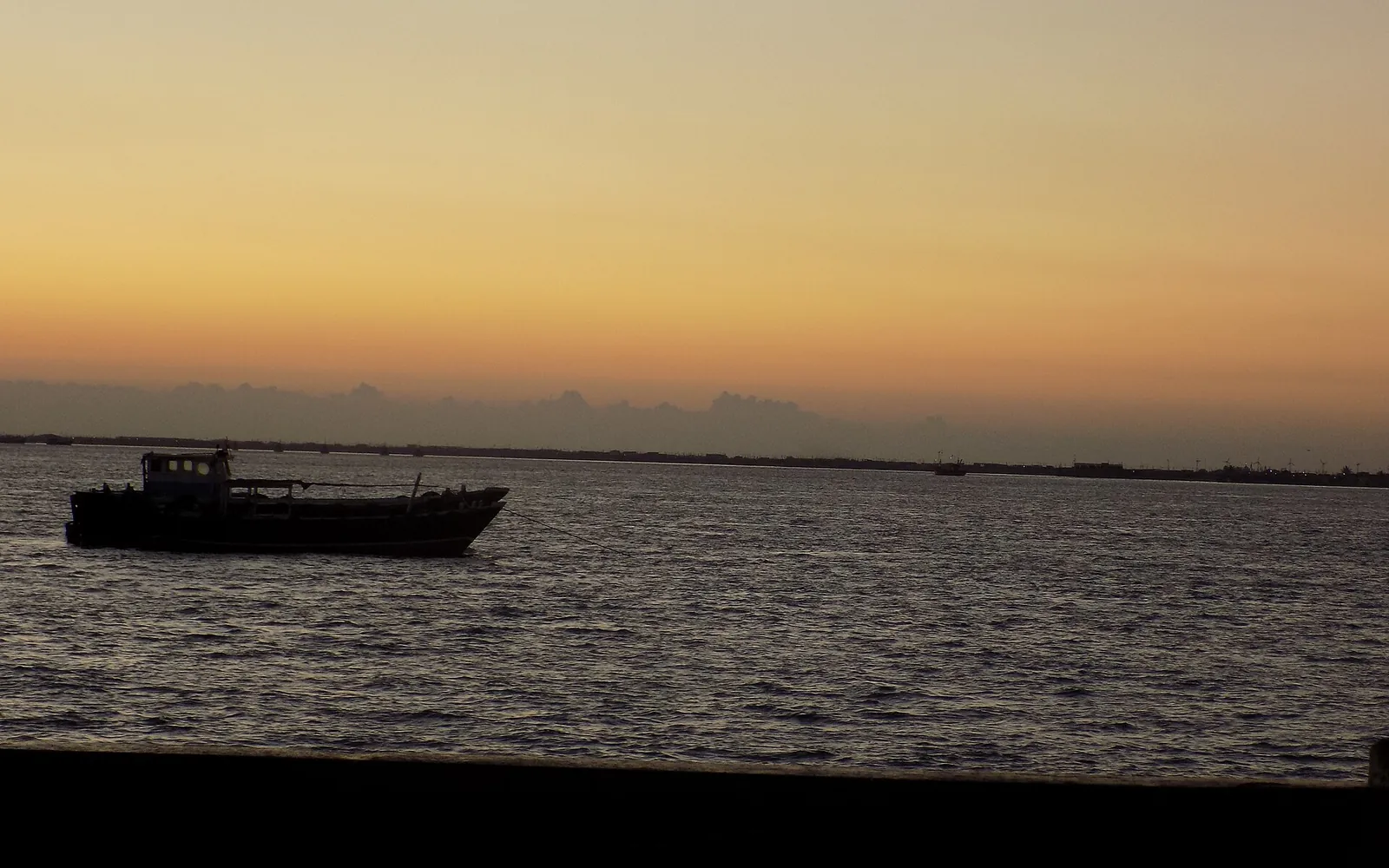
The ferry ride itself lasts 20-30 minutes. During the crossing, the mainland coast of Okha recedes and the flat horizon of the Arabian Sea opens up. The Bet Dwarka island's temple spires, visible against the sky, grow larger as you approach. Pilgrims often sing bhajans or recite prayers during the crossing. Life jackets are available on government ferries; wearing them is advisable, especially if you are visiting with children or elderly family members. The sea can have a moderate chop even on clear days.
Ferry Fare Breakdown: All Options Compared
| Mode | Fare (One Way) | Duration | Notes |
|---|---|---|---|
| Government Ferry | ₹40-50 per person | 20-30 min | Most popular, every 30-45 min, 6 AM-6 PM |
| Private Motorboat (shared) | ₹100-200 per person | 15-20 min | Faster, may depart on demand rather than schedule |
| Chartered Private Boat | ₹500-1,500 for group | 15-20 min | For groups wanting private crossing, negotiate before boarding |
| Sudarshan Setu (by road) | No boat ticket | A few minutes | Open 24x7, unaffected by sea conditions, footpath on both sides |
For most pilgrims, the government ferry is still the right choice, affordable, frequent enough, and part of the authentic pilgrimage experience. The private boats are faster but significantly more expensive. Sudarshan Setu is the dependable option: it is open around the clock, needs no ticket or queue, and is unaffected by the sea conditions that can suspend the boats. If your schedule is tight or the weather is uncertain, take the bridge.
Pilgrims visiting with elderly family members or those who are prone to seasickness should note that the open boat crossing can be uncomfortable in windy conditions. In such cases, crossing by road on the bridge is the better option. If you would still rather take the boat, choose a day with calmer weather. Mornings are generally calmer on the Arabian Sea than afternoons, which is another reason the 7-10 AM ferry window is preferred.
Crossing by Sudarshan Setu
Sudarshan Setu, the bridge connecting Okha to Bet Dwarka, is the single biggest change to this pilgrimage in decades. Until it was inaugurated on 25 February 2024, the island could be reached only by boat. The bridge is 2.32 km long, is the longest cable-stayed bridge in India, and was built at a cost of around ₹979 crore. Its steel pylons carry the cables in a fan pattern that is visible from a long way down the coast, and on a clear day the crossing gives you an open view of the Gulf of Okha in both directions.
The bridge carries two lanes of traffic in each direction, so you can drive an auto, taxi or your own car straight onto the island rather than parking at Okha and waiting for a ferry. There is also a 2.5 metre wide footpath on each side, and this is the part worth slowing down for: the walkway is inscribed along its length with verses from the Bhagavad Gita and images of Lord Krishna, and solar panels fitted above it generate roughly one megawatt of power. Walking across, rather than driving, turns the crossing itself into part of the darshan.
The practical advantage is that the bridge is open at all hours. The last government ferry leaves around 6 PM, which has always put a hard limit on how long you can stay on the island; by road there is no such cut-off, and rough sea or high winds do not affect you at all. Many pilgrims now take the government ferry one way for the traditional crossing and return over the bridge, which gives you both the water-level approach to the island temple and the view from the deck.
Reaching Okha Jetty from Dwarka and Nearby
From Dwarka City
From Nageshwar Jyotirlinga
Okha Town to Jetty
Monsoon Season Warning and Best Time for the Crossing
The Arabian Sea during the monsoon months of June through September can be rough. Heavy swells, strong winds, and rain squalls are common. During severe weather, the government ferry service is suspended for safety, and this can happen without advance notice if conditions deteriorate suddenly. Pilgrims who plan Bet Dwarka during July or August should be prepared for the possibility that the ferry may not run on their planned day. Plan an alternate day in your itinerary as a buffer.
The best months for the Okha-to-Bet Dwarka crossing are October through March. The sea is calm, skies are clear, and the crossing is comfortable. November through February in particular offers the best conditions, the cool winter air makes the boat ride pleasant rather than uncomfortable, and the visibility from the bridge on clear winter days is exceptional. April and May are hot but the sea is generally calm. June signals the start of monsoon risk.
Even in good weather months, check local weather and sea conditions on the day of your visit. The Gujarat meteorological department website and local fishermen at the jetty will give you accurate real-time information. If local boatmen are advising against crossing, trust their judgment, they know these waters.
Frequently Asked Questions
Also Read
Bet Dwarka Temple Timings
Bet Dwarka temple opens at 6:00 AM (summer) or 6:30 AM (winter).
Read Full GuideDwarka to Bet Dwarka
36 km to Okha, then a 3.5 km ferry at ₹40-50, about 1 hr 15 min each way.
Read Full GuideHow to Reach Bet Dwarka
Full step-by-step guide from Dwarka city to Okha Jetty to Bet Dwarka, transport options and timings.
Read MoreBet Dwarka Temple
The significance, temple timings, and what to see on the sacred island of Bet Dwarka.
Read MoreDwarka 2-Day Itinerary
How to plan Bet Dwarka and Nageshwar into a full second day of your Dwarka yatra.
Read More