Description
Invite Auspicious Energy with a Shankh for Puja
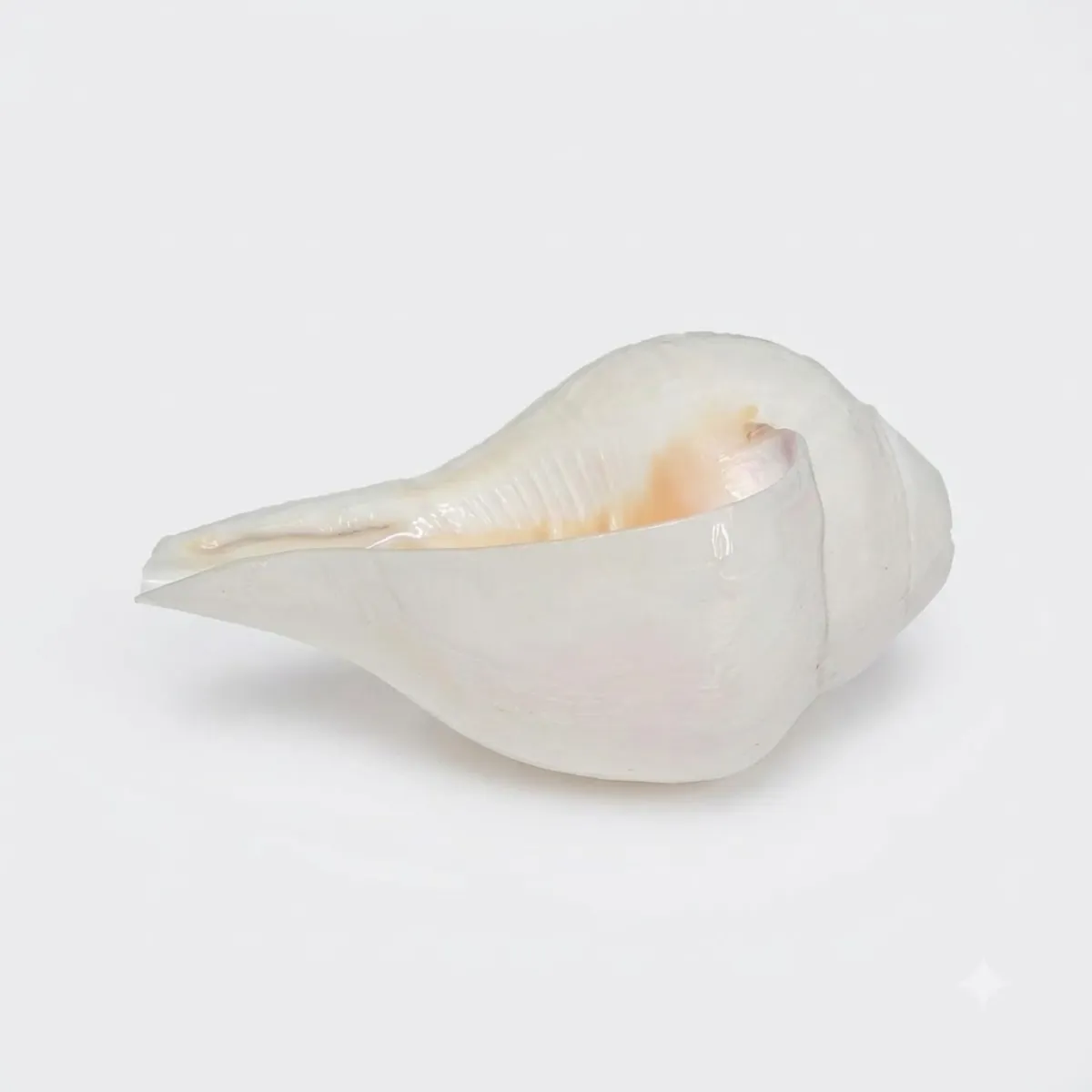
First, few sounds are as instantly recognisable as the conch. Obviously, it announces that something sacred is about to begin. Moreover, this original Shankh for Puja is a natural shell, not a moulded imitation, and it produces the deep clear tone that the ritual actually calls for. In fact, the conch has been blown at the start of worship for thousands of years. Similarly, the aarti at the Dwarkadhish Temple is announced this same way. Now, you can undeniably carry that tradition into your own home.
Furthermore, blowing the conch is understood to clear the air of a space completely. When the sound fills a room, tradition holds that stagnant energy leaves with it. Therefore, many families begin and end each day this way.
Are you currently looking for a genuine conch rather than a decorative one? Or perhaps you want to add sound to a mandir that has only light and fragrance? Either way, this Shankh for Puja answers both. Indeed, a natural shell only improves in tone with use. As a result, it is a lifetime addition to the pooja room.
Spiritual Significance of the Conch
Undoubtedly, the conch holds an extraordinary place in Hindu tradition. Also, it is carried by Lord Vishnu himself in every depiction. A Shankh for Puja is understood as an instrument that carries the primordial sound of creation. For instance, the shankha appears in the Mahabharata, where each warrior’s conch had its own name. Because of this, blowing it is treated as a declaration rather than merely a sound. Furthermore, the spiral within is said to echo the shape of the cosmos.
Meanwhile, devotees who plan darshan around the published temple timings will have heard the conch open every session. Notably, it precedes even the bell. Keeping one at home lets your daily aarti, bhog and mantra jaap begin with the same announcement. Thus, the practice gains a proper opening. Ultimately, the sound sets everything that follows.
The Symbolism Held in the Spiral
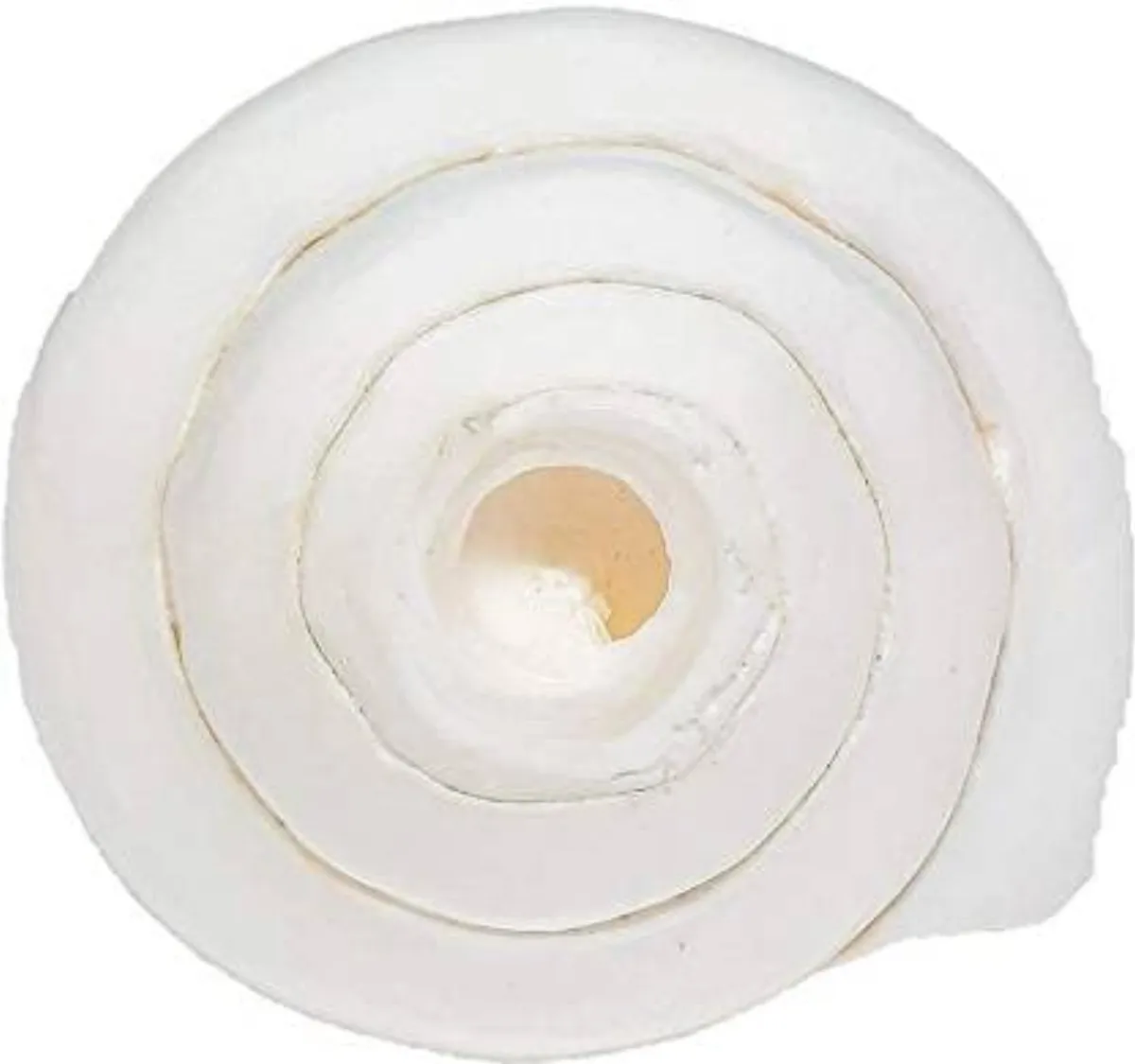
Specifically, the conch is full of meaning for those who look closely. First, the spiral of the shell winds outward without ever repeating, which is why it is treated as a symbol of infinity and of endless creation. Then, the sound produced is regarded as the closest natural equivalent of Om, the seed syllable of the universe. Second, the shell itself is drawn from the ocean, the source from which the nectar of immortality was churned in the ancient accounts. In addition, its association with Lord Vishnu makes it a symbol of protection and of dharma upheld. Keeping this sacred shell in the home embraces those layers. Consequently, you are reminded that beginnings deserve announcement. Additionally, the tone clears the mind before prayer. Finally, it carries the same sense of the sea found at Bet Dwarka.
Vastu Shastra Guidance for your Shankh for Puja
Previously, Vastu Shastra gave the conch a defined place in the home. Positioning a Shankh for Puja correctly keeps its influence steady through the day. Consequently, the house feels lighter. Therefore, keep these points in mind:
- Ideal Direction: Keep the conch in the Northeast or East of the pooja room. Obviously, these directions carry the most auspicious energy.
- Resting Position: Rest it on a small brass or wooden stand with the opening facing upward. However, never leave it lying on the bare floor.
- How Many: Traditionally, one blowing conch is kept for sound and a separate non-blowing one for water. Besides, they are not interchangeable.
- When to Blow: Sound it once at the start of aarti and once at the end. Finally, observe the same rhythm through festival days in Dwarka.
Natural Origin and Genuine Quality
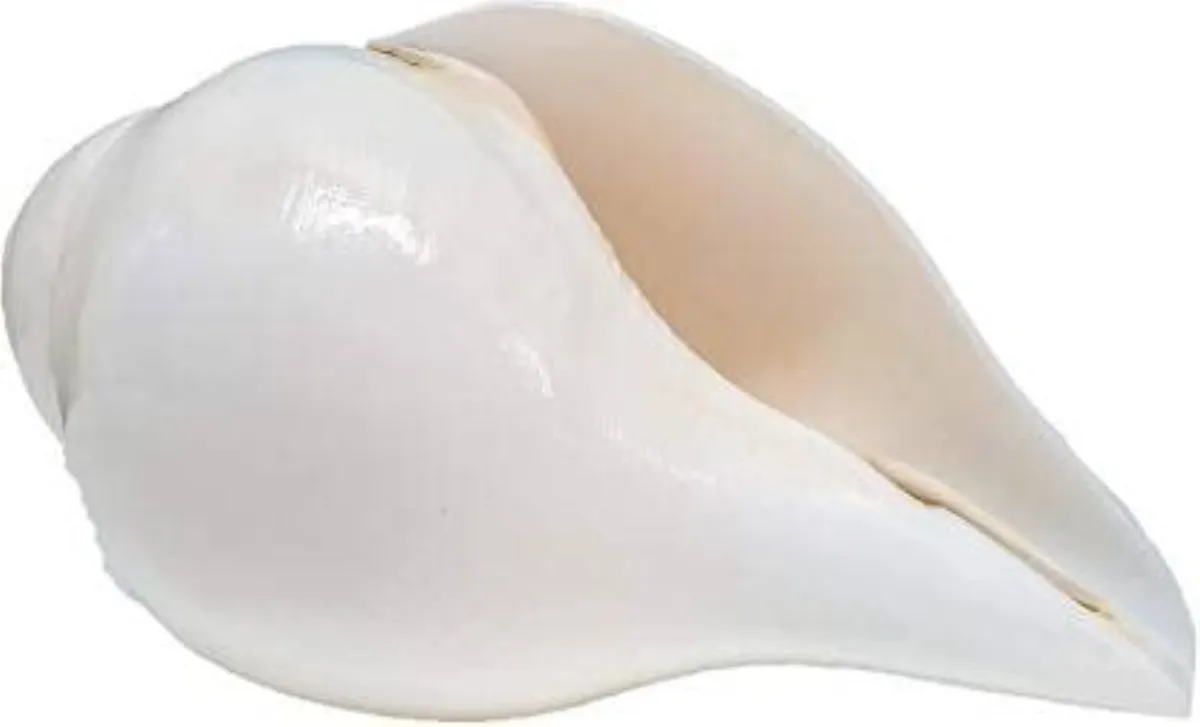
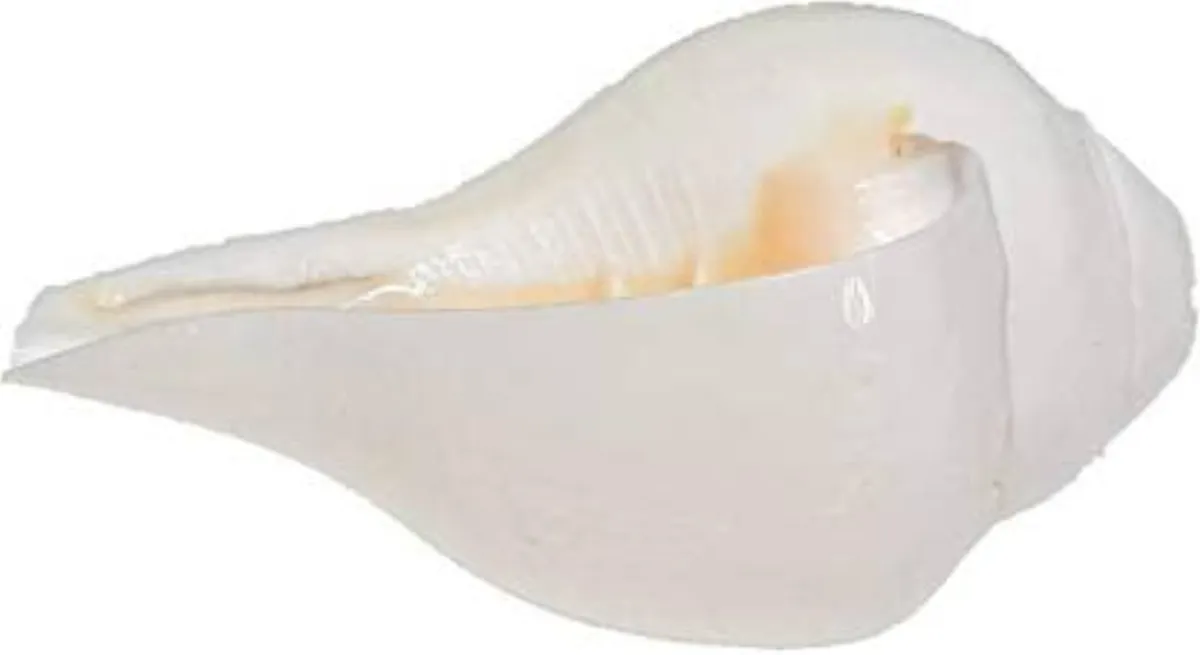
Undeniably, this is a natural conch shell rather than a cast reproduction. This ensures a genuine resonant tone that no moulded imitation can reproduce. Furthermore, the cut at the tip is finished cleanly so the shell blows without effort. Therefore, even a first attempt usually produces sound.
Moreover, a natural shell has small variations in colour and pattern, and that is exactly as it should be. No two conches are identical, so the one you receive is genuinely unique. For example, the ridges and the internal spiral will differ slightly from any photograph. As a result, each piece has its own character. Because of this, families often keep the same conch for generations.
Care Note: Specifically, rinse the conch with clean water after blowing and let it dry fully. Also, wipe the exterior with a soft dry cloth. However, do not soak it for long periods or use chemical cleaners. Simply keep it dry between uses instead.
Ideal Occasions for Gifting
Undoubtedly, a conch is a rare and meaningful gift. In fact, it carries associations of protection and prosperity. Thus, this Shankh for Puja suits these occasions:
- Griha Pravesh: Firstly, blowing a conch is traditional when entering a new home.
- Diwali: Secondly, the conch is closely linked with Lakshmi and prosperity rituals.
- Weddings: Thirdly, it is a dignified and unusual gift for a newly married couple.
- Business Openings: Lastly, it is commonly sounded at the inauguration of a new venture.
Frequently Asked Questions (FAQs)
1. Is this a real conch or a moulded replica?
Basically, this is a natural conch shell taken from the sea. Furthermore, small variations in colour, size and internal pattern are normal and actually confirm that it is genuine.
2. Will I be able to blow it if I have never tried?
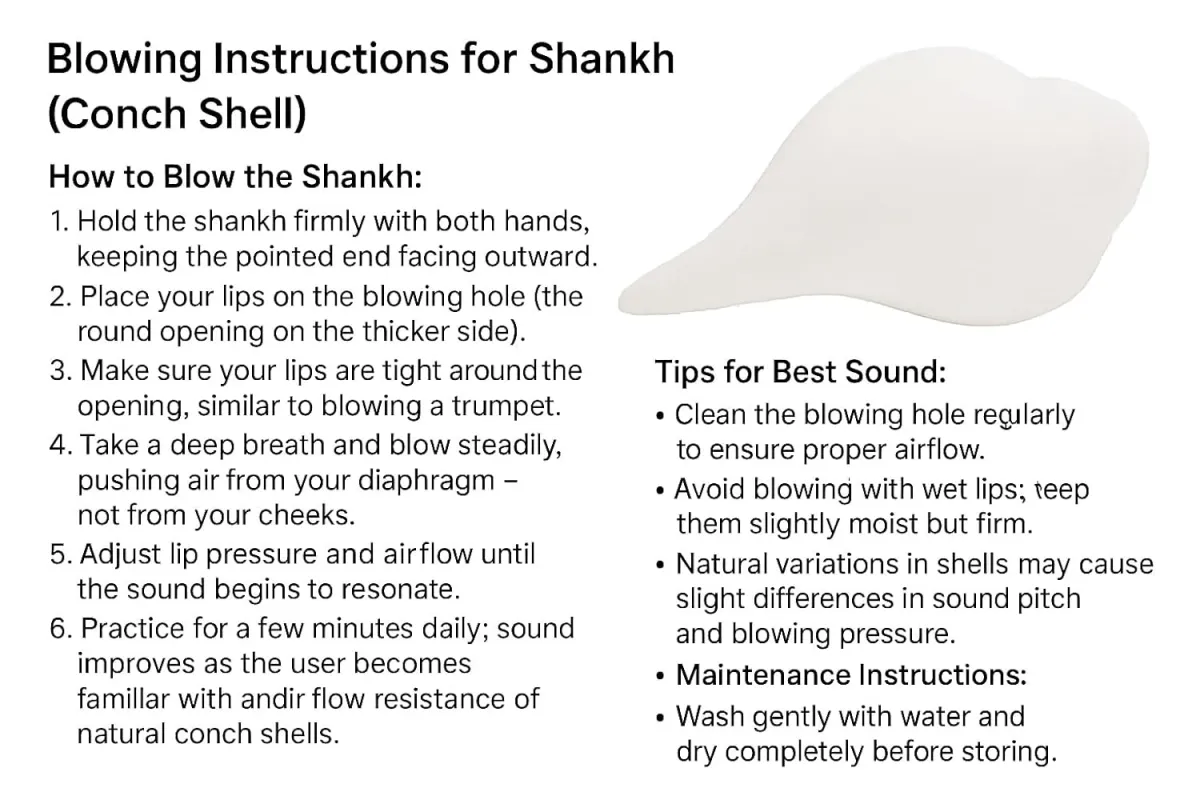
Yes, with a little practice. Obviously, the technique involves pressing the lips firmly and blowing steadily rather than hard. Therefore, most people manage a clear tone within a few attempts.
3. Can I use this conch to hold water for puja?
Generally, no. However, a blowing shankh and a water shankh are separate items in tradition, so it is better to keep a non-blowing conch for jal offerings.
4. How do I clean the conch properly?
Specifically, rinse it with clean water after each use and let it dry completely. In addition, an occasional wipe with a soft dry cloth keeps the exterior bright.
5. Where should the conch be kept when not in use?
Undeniably, it belongs in the Northeast or East of the pooja room. Therefore, rest it on a small stand with the opening facing upward. Ultimately, it should never sit on the bare floor.
6. Is it safe to buy a conch online?
Absolutely. Specifically, sellers pack the Shankh for Puja in thick cushioned wrapping because a natural shell can chip. As a result, it reaches you intact.
7. When should the conch be blown during pooja?
Generally, it is sounded once to open the aarti and once to close it. Moreover, many families also blow it at sunrise and sunset regardless of a formal pooja.
8. Does the tone change over time?
Yes, and usually for the better. In fact, regular blowing and proper drying keep the shell in good condition, and many devotees find the tone deepens with years of use.
Finally, let the oldest sound in worship fill your home again. Therefore, do not miss the opportunity to bring this sacred conch home. Click to check the latest price and buy securely on Amazon today.