The Gomti River of Dwarka: A Sacred Tidal River Unlike Any Other in India
The Gomti River flows alongside Dwarkadhish Temple, a short tidal channel connected to the Arabian Sea, not the Gomti of Lucknow, sacred for pilgrim bathing before darshan.
Which river flows near Dwarkadhish Temple?
The Gomti River, a tidal river unique to Dwarka that rises and falls with Arabian Sea tides. Different from the Gomti River of Lucknow.
Useful References
Two Rivers Named Gomti: Understanding the Confusion
India has two rivers named Gomti, and they have almost nothing in common except the name. The more widely known Gomti rises from Pilibhit in Uttar Pradesh, flows through Lucknow, Jaunpur, and Sultanpur, and eventually joins the Ganga near Varanasi. That Gomti is a major north Indian river over 900 km long, carrying freshwater from the Himalayan foothills.
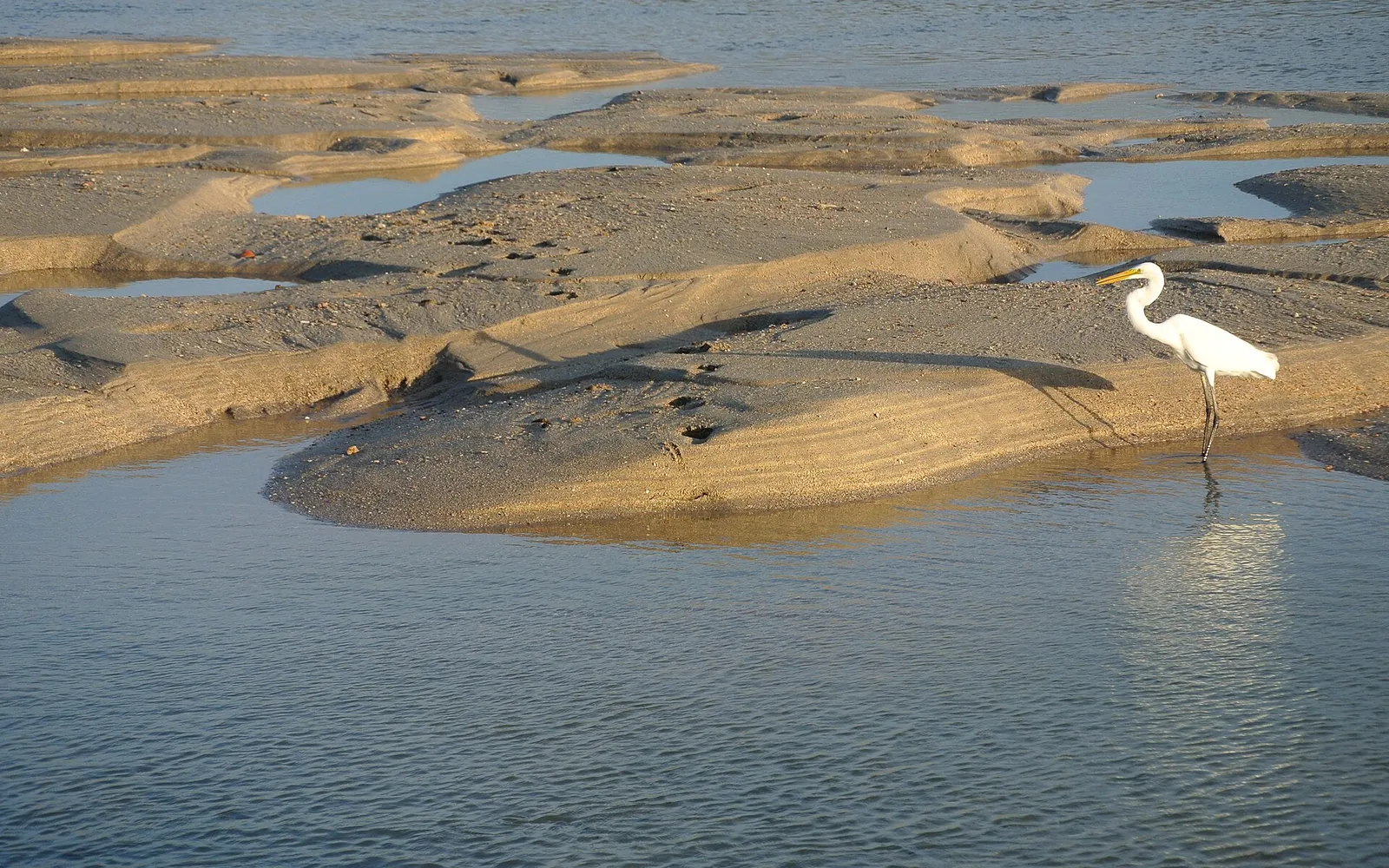
Dwarka's Gomti is an entirely different entity. It is a small tidal channel, sometimes described as a creek or inlet, that runs alongside the old Dwarka town before opening into the Arabian Sea at Gomti Ghat. It has no perennial freshwater source feeding it from the land. Instead, the sea itself fills and drains this channel with every tidal cycle. At high tide, the Gomti swells and the ghat steps may be partially submerged. At low tide, the water recedes and the sandy bed becomes partially visible.
This tidal nature is what makes Dwarka's Gomti genuinely unusual among India's sacred rivers. Every other major sacred river, the Ganga, Yamuna, Godavari, Kaveri, Narmada, is a freshwater river with a distant mountain or plateau source. The Gomti of Dwarka is fed by the sea itself. Pilgrims bathing here are, in a direct physical sense, bathing where the Arabian Sea enters the land.
Gomti Ghat: Where the River Meets the Sea and Pilgrims Meet the Temple
Gomti Ghat is the most important bathing ghat in Dwarka. It sits at the precise point where the Gomti River opens into the Arabian Sea, and the Dwarkadhish Temple stands on the elevated ground directly above it. The relationship between the ghat and the temple is inseparable, for centuries, pilgrims have descended to the ghat, bathed in the sacred waters, and then climbed the stone steps to enter the temple sanctum.
The ghat has wide stone steps descending to the water, lined with smaller shrines, priests offering ritual services, and flower sellers. In the early morning, especially during the winter pilgrim season from October through February, the ghat fills with devotees performing the morning ablutions. The sound of conches and bells from the temple above mingles with the sound of waves and the chanting below. It is one of the more atmospheric experiences in Dwarka, a place where the sacred geography of water and stone feels entirely intentional.
Several subsidiary shrines cluster around Gomti Ghat. The Samudra Narayana Temple (dedicated to the ocean god) stands near the ghat, acknowledging the meeting of river and sea. There are also smaller shrines to Ganesha and various local deities. The Chakra Tirth, one of Dwarka's important ritual bathing spots, is also associated with this area. Pilgrims doing the full Panchanga Snan (five-part ritual bath) in Dwarka will include Gomti Ghat as one of their stops.
The Gomti in Mythology: Krishna's City and the Sacred Boundary
In the Puranic account of Dwarka's founding, the Gomti plays a foundational role. When Lord Krishna decided to move his people from Mathura to escape the endless attacks of the demon king Jarasandha, he asked the sea god Samudra to give up land in the ocean. The architect of the gods, Vishwakarma, then built the golden city of Dwarka on this reclaimed land. The Gomti River, in this account, formed the boundary between the built city and the open sea, a natural moat and a sacred perimeter.
Texts including the Mahabharata and several Puranas mention the Gomti in the context of Dwarka. The river was considered one of the sacred boundaries that defined the holy city. When Dwarka was submerged after Krishna's departure and death (as foretold in the scriptures), the Gomti and all its ritual associations went with it. What pilgrims encounter today, the tidal channel flowing past the temple and meeting the sea, is understood as the remnant and successor of that mythic boundary river.
The sacredness attributed to the Gomti is also connected to the concept of Triveni, a confluence of sacred waters. In Dwarka, the meeting of the Gomti and the Arabian Sea is considered a Triveni point, especially auspicious for ritual baths, ash immersion after cremation, and shraddha (ancestor) rituals. Families who have recently lost a family member often come to Gomti Ghat to perform the final rites, just as they might go to the Ganga in Varanasi or Haridwar.
Practical Guide: Visiting Gomti Ghat as a Pilgrim
Gomti Ghat is accessible from the main Dwarkadhish Temple approach road. It sits at the northern base of the temple cliff, and most pilgrims reach it by following the lane that runs alongside the temple perimeter. The ghat is open throughout the day and most of the night, there are no fixed entry or exit times for the ghat itself, though the water level will determine how far down the steps you can go.
The best time to visit Gomti Ghat for a ritual bath is early morning, ideally before the Mangla aarti at 6 AM. The water is calmer, the ghat is less crowded, and the experience of bathing in the pre-dawn light, with the temple silhouette above and the sea horizon beyond, is genuinely moving for devotees. However, check the tide timings locally, as bathing during high tide requires caution. Local priests (pandas) at the ghat can guide you through the appropriate ritual procedures.
If you are visiting during monsoon (June to September), note that the Gomti can swell considerably during the season, and rough Arabian Sea conditions can make the ghat area spray-heavy and slippery. The steps remain accessible but exercise caution. During Janmashtami, Gomti Ghat becomes especially crowded as tens of thousands of pilgrims descend on Dwarka simultaneously, early morning visits on Janmashtami itself are recommended over midday or evening.
Frequently Asked Questions
Also Read
Dwarkadhish Temple
Dwarkadhish Temple, the Jagat Mandir and Char Dham site in Dwarka.
Read Full GuideGomti Ghat Dwarka
Detailed guide to Gomti Ghat, the sacred bathing ghat at the base of Dwarkadhish Temple where the Gomti River meets the Arabian Sea.
Read MoreDwarkadhish Temple Timings
Full aarti and darshan schedule for Dwarkadhish Temple, Mangla at 6 AM to Shayan at 9 PM, with the midday closure from 1 to 5 PM.
Read MoreDwarka Darshan Itinerary
A practical day-by-day itinerary covering all major temples and ghats in Dwarka, including the best time to visit each site.
Read More