Dwarka in January: The Coldest Mornings and the Biggest Darshan Crowds of the Year
January in Dwarka is the full expression of peak pilgrimage season, 13°C mornings, five-hour darshan queues on festival weekends, Makar Sankranti celebrations at Gomti Ghat, and a devotional intensity that no other month quite matches. It is simultaneously the hardest month to visit logistically and the one that draws the most pilgrims back year after year.
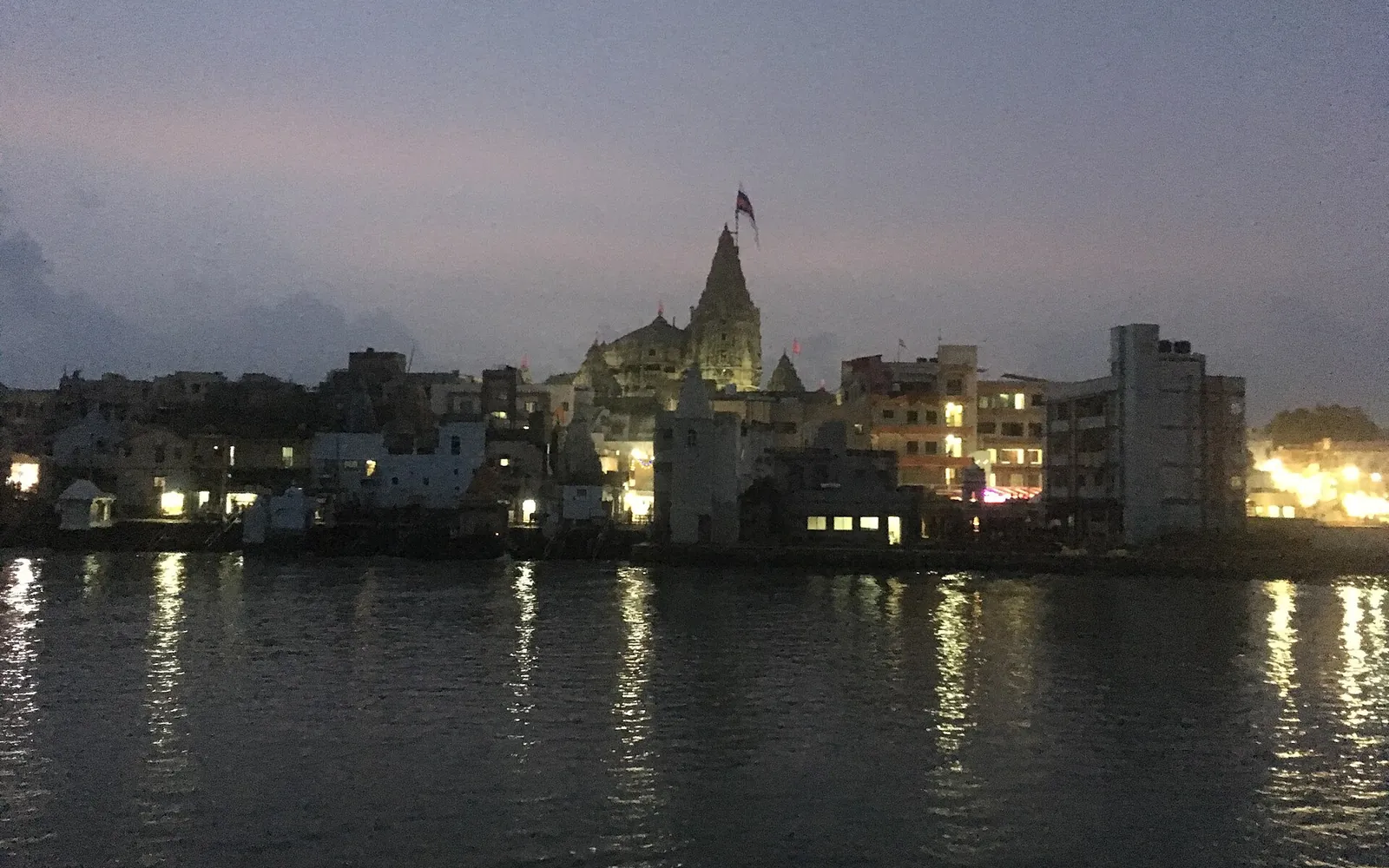
January in Dwarka: The Month of Maximum Pilgrimage Energy
The new year rolls directly into Dwarka's busiest window. Pilgrims who held off visiting in December due to uncertainty now arrive in force through January. Gujarat's winter tourism is at its peak, interstate pilgrimage groups from Maharashtra, Rajasthan, and Madhya Pradesh fill the trains to Okha and Dwarka, and the lanes around Swarga Dwar are alive with the hum of activity from before sunrise to well past 9 PM.
What makes January distinct from December, despite being equally crowded, is the festival calendar. Makar Sankranti on January 14 is the anchor around which a significant portion of January pilgrimage is organised. For many Gujarati families, the Sankranti dip at Gomti Ghat followed by Dwarkadhish darshan is an annual ritual that has been passed down across generations. The pre-dawn crowd at the ghat on Sankranti morning is one of the most moving collective devotional experiences that Dwarka offers.
Republic Day, January 26, creates a second surge, as the national holiday gives working pilgrims a long weekend to travel. The combination of Makar Sankranti in mid-January and Republic Day at the month's end means that January essentially has no quiet windows. Even the mid-week days in January see larger crowds than December weekends.
Makar Sankranti at Dwarka: What Happens on January 14
Makar Sankranti marks the transition of the sun into Capricorn, a deeply auspicious moment in the Hindu calendar, and at Dwarka, it is observed with specific rituals that make the Gomti Ghat the epicentre of the day's activity. Devotees begin gathering at the ghat before 4 AM for the pre-dawn holy dip, believing that bathing in the Gomti on Sankranti morning multiplies the merit of the act many fold. The cold January water, the lamps on the ghats, and the dense crowd of devotees wading in by torchlight is an image that stays with those who witness it.
The sky above Dwarka town on Sankranti afternoon fills with kites, this is Uttarayan, Gujarat's kite festival, which occurs simultaneously. From rooftops across the city, including those near the Dwarkadhish Temple, kite flyers send up hundreds of colourful kites. The combination of the spiritual activity at the ghat and the festive kite-flying in the afternoon makes January 14 one of the most complete experiential days in Dwarka's calendar.
The Dwarkadhish Temple on Sankranti day itself: plan for an extremely long queue, 4-5 hours is normal by mid-morning. Dwarkadhish has no official VIP darshan scheme, no paid pass, no separate counter, no priority lane, so every pilgrim waits in the same general queue. The only real way to shorten your wait is to arrive early, ideally before 5 AM, well ahead of the crowd. If anyone near Swarga Dwar or online offers a "VIP darshan pass" for a fee, they are not affiliated with the temple trust and should not be paid. Many devoted pilgrims accept the long wait as part of the Sankranti experience, sitting in line together, chanting, singing bhajans, but this is a deliberate choice, not an accident of poor planning.
Darshan Strategy for January: How to Navigate the Crowds
January requires a more deliberate darshan strategy than any other month. The standard approach that works in November or February, arriving at 6 AM for Mangla Aarti and taking the queue as it comes, will result in a 3-4 hour wait on most January days. Dwarkadhish Temple runs no official VIP darshan or priority-queue scheme, unlike some other major temples such as Tirupati or Siddhivinayak that do offer paid fast-track darshan, so the single best lever pilgrims have here is arrival time, not payment. Ignore anyone near the temple or online selling a "VIP darshan pass," they are not connected to the temple trust. A more effective structure:
Shoe storage lockers at Swarga Dwar (₹20-40) and Moksha Dwar are operational from before Mangla Aarti. Mobile phones are not permitted inside the main sanctum, the lockers handle phone storage as well. No leather items should be carried inside temple premises.
Beyond Dwarkadhish: The January Circuit
The satellite temples and sites around Dwarka are in some ways more accessible in January than the main temple, because their crowds, while elevated, do not reach the same extreme levels. Rukmini Devi Temple, 2.5 km from Dwarkadhish, reachable by auto at ₹50-70, has a queue of 20-40 minutes even in January, a marked contrast to the main temple's hours-long wait. The goddess temple is particularly significant because the Rukmini Devi idol is the only surviving image of this form, a powerful and often overlooked stop on the Dwarka pilgrimage.
Nageshwar Jyotirlinga, one of the twelve Jyotirlingas of India, 17 km from Dwarka, is another January destination that sees elevated but manageable crowds. The Rudrabhishek ceremony from 6-8 AM draws devotees specifically on auspicious January dates. Arriving at Nageshwar before 7 AM on a regular January weekday gives you the morning aarti experience without a prohibitive wait.
Bet Dwarka in January runs its full ferry schedule from Okha jetty (3.5 km, 20-30 minutes, ₹40-50 government ferry). The island temple is open 6 AM to 12:30 PM and 3 PM to 8 PM. January ferry queues at the Okha jetty can be longer than usual, plan accordingly by reaching Okha by 8:30 AM for the first available crossing.
Prasad, Food and Practical Notes for January
The Shree Dwarkadhish Mandir Trust Bhojnalaya provides free meals or meals at token rates (around ₹20) throughout January. During major festival days like Makar Sankranti, the Bhojnalaya often sees queues as well, arrive for lunch by 11:30 AM or by 12:30 PM to get a meal before the midday temple closure at 1 PM.
Prasad at the temple includes Panchamrit offered free during aarti to those within the inner sanctum, and Peda (the signature sweet prasad) available at ₹30-100 depending on quantity. January prasad stalls around Swarga Dwar and Moksha Dwar are busy, buy your Peda either early morning or after 4 PM when the midday rush subsides.
Dress code is firm at Dwarkadhish Temple year-round: no shorts, no sleeveless clothing. In January's cold mornings, this is not a hardship, full-sleeved clothing and a shawl are what the weather calls for anyway. The dress code becomes an issue only for visitors who arrive from beach destinations unprepared for temple standards.
Frequently Asked Questions
Also Read
Bet Dwarka
Guide to Bet Dwarka island: ferry from Okha, the Sudarshan Setu bridge, seasonal temple timings, and what to see on the island where Krishna lived.
Read Full GuideDwarka in February
The transition from peak season, pleasant weather, moderate crowds, and sometimes Maha Shivaratri. The most balanced month to visit.
Read MoreDwarka Festivals
Janmashtami, Navratri, Makar Sankranti, the full festival calendar and what each celebration looks like at Dwarkadhish Temple.
Read MoreGomti Ghat Dwarka
The sacred riverfront for the Makar Sankranti holy dip and the nightly Sandhya Aarti, full guide to what to expect.
Read More