Dwarka Railway Station to Dwarkadhish Temple: 1 km, 10 Minutes and a World Away
Dwarka Railway Station (station code DWK) to Dwarkadhish Temple is exactly 1 km, a 10-minute walk through the temple bazaar or a 5-minute auto ride costing ₹30-50. The moment you step out of the station, the sacred city begins.
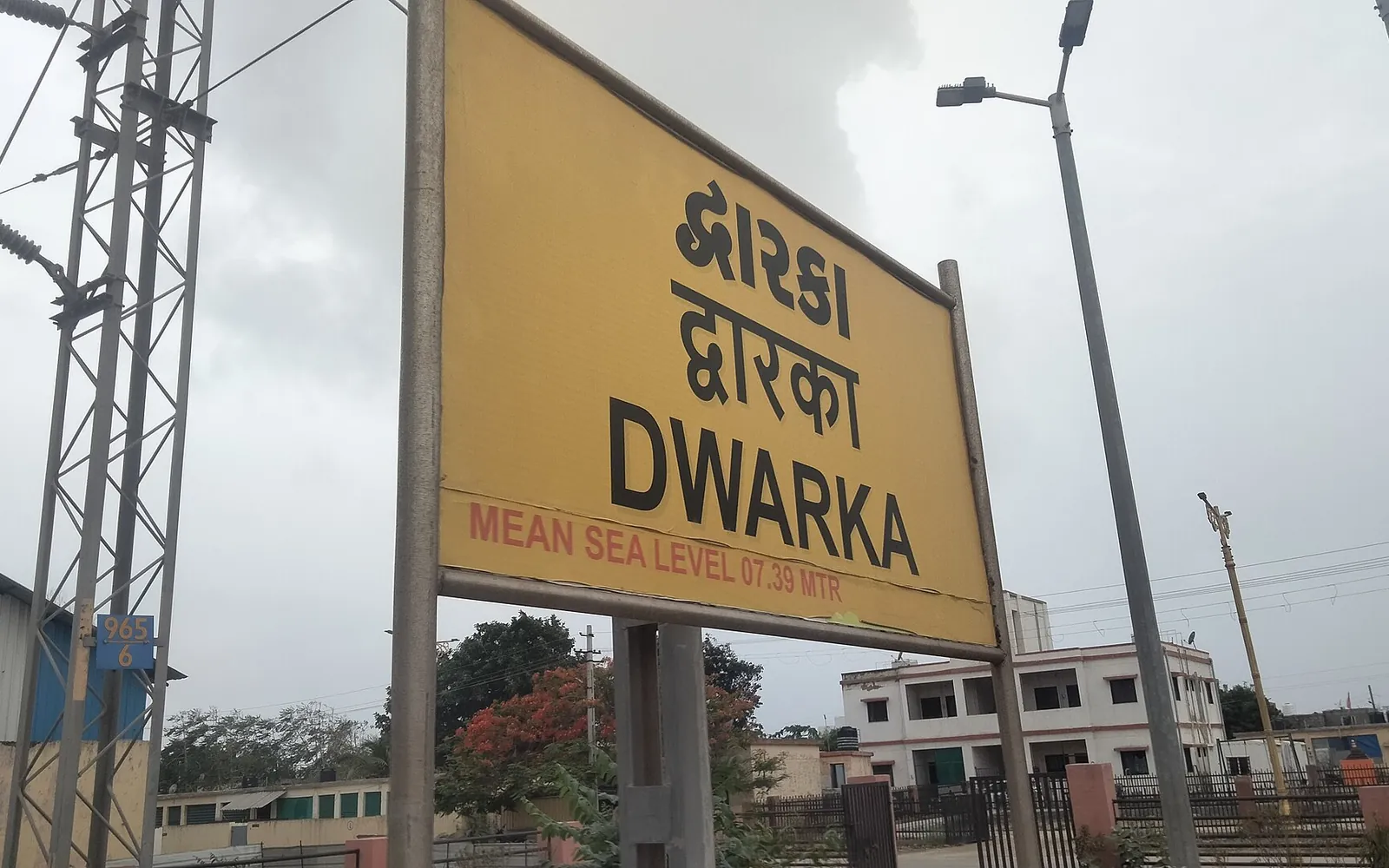
Dwarka Railway Station, Your Arrival Point
Dwarka Railway Station carries the code DWK and sits on the Rajkot–Okha broad gauge line. Trains from Ahmedabad, Mumbai (via the Saurashtra Mail to Okha, stopping here), Delhi (Yoga Express), Jamnagar and Rajkot all terminate or pass through here. The station itself is modest, a few platforms, a small waiting hall, a pre-paid auto counter outside the main exit, and chai stalls that open even before the first light. For most pilgrims arriving by train, this is the first moment Dwarka announces itself.
The station faces roughly north-east. When you exit the main gate, you are already oriented toward the sacred city. Turn left out of the exit and walk south along the main road, that road leads directly into the temple bazaar and toward Dwarkadhish. On busy pilgrimage days (especially Ekadashi, Purnima, and festival times), the station forecourt fills quickly with autos, taxis, and porters. Off-peak arrivals feel calmer. There is a cloak room at the station where you can deposit bags for a few rupees if your check-in time at a dharamshala or hotel is still hours away, this matters because the Dwarkadhish Temple prohibits bags, large luggage and leather items inside the sanctum. Travelling light when you make that first walk to the temple is important.
The platform area has a tourist information board posted by the Gujarat Tourism office. It lists the major temples, their timings, and the distance from the station. The board confirms what every pilgrim quickly discovers: Dwarkadhish Temple is so close that most people simply walk. That 1 km walk is not just a transit, it is the beginning of the darshan experience itself.
The 1 km Walk: What You Pass Through
Exit Dwarka Railway Station, turn left on the main road and walk straight. Within the first 200 metres, the street changes character. Shops selling conch shells, rudraksha malas, bronze idols, saffron cloth, peacock feathers and Dwarka mementos line both sides of the road. Hawkers call out prasad thalis and flower garlands. The smells shift, diesel and dust give way to agarbatti (incense), marigold flowers and the faint sweetness of peda being made in open-front sweet shops. This is the Dwarka temple bazaar, one of the more atmospheric market lanes in all of Gujarat pilgrimage circuits.
About 400 metres into the walk you will cross a small junction. Stay on the main road, do not turn. Ahead you will see the main market street narrow slightly before opening into the wider space in front of the temple precinct. Small shrines to Hanuman and Ganesh appear along the roadside. Chai stalls with steel glasses and a gas stove on a cart offer quick stops. If you arrive on an early morning train and reach here around 5 AM, these chai stalls are often the only things open, run by elderly men who seem to have been there forever. A cup of masala chai while watching the first pilgrims head toward the temple is one of those unplanned Dwarka moments that stays with you.
At around 800 metres from the station, you reach the Swarga Dwar (Gate of Heaven), the primary entrance to the Dwarkadhish Temple complex. The gate is flanked by shoe counters on both sides, stalls selling flowers and tulsi leaves for offering, and prasad sellers with copper thalis. This is where the walk ends and the darshan begins. The total distance from the station exit to Swarga Dwar is approximately 900 metres to 1 km depending on which exit you use and which pavement you take.
Auto Rickshaw: Fare, Route and Avoiding Overcharging
If you are carrying luggage, travelling with elderly pilgrims, or simply prefer not to walk, auto rickshaws are available immediately outside the station exit. The correct fare from Dwarka Railway Station to Dwarkadhish Temple (Swarga Dwar) is ₹30 to ₹50 for the auto. This is a shared-vehicle rate, meaning ₹30-50 for the whole vehicle, not per person. On festival days and peak season (October to February), some drivers may quote ₹80 or ₹100 to first-time visitors who look uncertain. Do not accept that rate.
The pre-paid auto counter just outside the station main exit sets official fares. If it is staffed, use it, pay at the counter, take the slip, and hand it to the driver. If it is unstaffed (common at odd hours), negotiate directly. Simply say "Dwarkadhish mandir, Swarga Dwar, chalees rupye theek hai?" (₹40, is that fine?) and most drivers will agree. The ride itself takes 3-5 minutes through the same bazaar road you would walk, except the auto often takes a slightly wider vehicle lane. There is no traffic signal on this stretch so the ride is smooth even at moderate traffic times.
One important note: the auto can drop you only up to the outer bazaar near Swarga Dwar. Vehicles cannot enter the temple precinct itself. So the last 50-100 metres is always on foot regardless. If you have large suitcases, ask the driver to wait near the shoe counter while you deposit bags at the cloak facility near Swarga Dwar, then retrieve your auto to return to your accommodation.
Swarga Dwar, The Entry Gate
Swarga Dwar (Gate of Heaven) is the primary entry to the Dwarkadhish Temple complex and the point most pilgrims reach after the walk or auto from the station. The name is significant, it tells you what kind of threshold you are crossing. The gate is tall, ornate in the temple architectural style of Saurashtra, and flanked by carved pillars. During festival days it is decorated with marigold garlands that can stretch 20-30 feet. On ordinary days it is still imposing, the temple shikhara (spire) rising 43 metres above sea level becomes visible from a distance as you approach.
At Swarga Dwar, there are shoe counters (joota ghar) on both left and right. Both are managed by the Dwarkadhish Temple Trust and charge ₹20-40 per pair of footwear. You receive a numbered token. Bag storage lockers are also available here for ₹20-40 per bag. The rules here are strict: no footwear of any kind inside the temple complex, no leather items (belts, wallets, leather bags should ideally be left in lockers), no mobile phones in the main sanctum (you can carry them up to the outer courtyard but photography inside the inner sanctum is prohibited). Dress code is observed, no shorts, no sleeveless garments. The security check is a metal detector at the gate entry.
Once through Swarga Dwar, you enter the outer courtyard. The main temple shikhara dominates the view ahead. Steps lead upward toward the Jagat Mandir, the principal sanctum of Lord Dwarkadhish (Vishnu as the King of Dwarka). The inner sanctum darshan queue begins here. Off-peak hours (weekday mornings after 9 AM and weekday afternoons after 5:30 PM) have queues of 45 minutes to 1.5 hours. Peak festival season queues of 2-4 hours are common. Dwarkadhish temple does not run any official paid "VIP darshan" scheme, there is no separate counter, no priority token, and no way to pay to skip the line, unlike some other major temples such as Tirupati or Siddhivinayak that do offer official paid quick-darshan passes. Every pilgrim, including the elderly and those with limited mobility, joins the same single free queue at Swarga Dwar. The best way to avoid a long wait is to arrive for the 6 AM Mangla Aarti, when queues run shortest between 6 and 7 AM, and to visit on a weekday morning outside October-February and festival dates, when general queues can stretch to 2-4 hours. Be wary of touts or unofficial websites near the temple or online offering a "VIP darshan pass" for a fee, they are not affiliated with the temple trust and should not be paid.
Walk vs Auto: Which is Better for Your Situation
The walk from Dwarka Railway Station to Dwarkadhish Temple is flat, pedestrian-friendly and short. For pilgrims travelling light, a backpack or a single bag, the walk is strongly recommended. The bazaar route is where Dwarka first reveals itself to you. The shops, the sounds, the sight of other pilgrims all moving in the same direction, this 10-minute walk has its own quality that a 5-minute auto ride skips entirely. Many regular Dwarka visitors consider the walk through the bazaar a part of the pilgrimage experience, not just a transit.
The auto is the right choice when you have heavy luggage (rolling suitcases are unwieldy on the bazaar pavement, which has shops and crowds spilling onto the footpath), when you are travelling with elderly pilgrims or small children for whom the walk in heat is uncomfortable, or when you arrive late at night and the bazaar is quiet but you are unfamiliar with the route. Even then, the auto ride is so short that it never feels like you have missed much.
If you are arriving with large luggage and have not yet checked in to accommodation, the optimal approach is: take an auto to your dharamshala or hotel first (most are within 500 metres of the station, see nearby dharamshala information below), drop your bags, then walk to the temple. This gives you the best of both, light travel for the actual darshan.
Nearby Dharamshalas for Depositing Luggage
Several dharamshalas (pilgrim rest houses) and budget guest houses cluster within 300-600 metres of the railway station, making it easy to drop bags before heading to the temple. The Gujarat government's Dwarka Yatri Nivas is well-known and often fills up quickly during festival months. Several trust-run dharamshalas near the Gomti Ghat area (about 1.2 km from the station, slightly past the temple) offer free or nominal-cost accommodation for pilgrims on a first-come basis.
The Shree Dwarkadhish Temple Trust itself operates a Bhojnalaya (dining hall) near the temple where pilgrims can eat simple sattvic food for free or for ₹20. If your train arrives early morning and check-in is hours away, the practical sequence many pilgrims follow is: station → cloak room (deposit bags, ₹20-30 per bag per day) → walk to temple for morning aarti → return after darshan → collect bags → check in to accommodation. The station cloak room is open from early morning and is reliable for day storage.
There is no baggage storage inside or immediately adjacent to Swarga Dwar that handles full travel bags, only shoe lockers and small bag deposits. The station cloak room or your accommodation remains the best option for large luggage before entering the temple complex. Plan this sequence before you arrive and the transition from train platform to temple sanctum becomes seamless, even for first-time visitors.
Best Time of Day to Make This Walk
The ideal time to walk from Dwarka station to Dwarkadhish Temple for your first darshan depends on which aarti or darshan time you are targeting. The temple opens at 6 AM with Mangla Aarti and the most atmospheric morning darshan windows are Shringar Aarti at 7 AM and Gwal Darshan at 8:30 AM. To reach in time for Shringar Aarti, aim to exit the station by 6:30-6:45 AM. The bazaar at this hour is just waking up, fewer crowds, cooler air, and occasionally the sound of bhajans drifting from a nearby ashram.
Midday walks (11 AM to 2 PM) in summer months (April through June) are uncomfortable. Temperatures in Dwarka regularly reach 38-42°C in May. The bazaar has no shade and the pavement radiates heat. If your train arrives at midday in summer, the auto is a practical kindness. Carry a water bottle regardless. October through February, the peak season, sees ideal walking temperatures of 15-30°C at all hours. The evening walk (around 5-6 PM) toward the temple for Uthapan Darshan or Sandhya Aarti is particularly pleasant during this period, with the dying light warming the stone facades of the bazaar shops.
For pilgrims arriving on overnight trains (many Dwarka-bound trains have early morning arrivals between 4-6 AM), the station platform has a waiting area. If your train arrives at 4 AM and you want the 6 AM Mangla Aarti, waiting at the station until 5:30 AM and then walking over is perfectly feasible. The walk at pre-dawn is safe, there are always other pilgrims making the same journey and the temple precinct lighting illuminates the approaches from early morning.
Frequently Asked Questions
Also Read
Bus Stand to Temple
Dwarka bus stand (GSRTC) to Dwarkadhish Temple is just 0.5 km, a 5-minute walk through the bazaar.
Read Full GuideDwarkadhish Temple Timings
Mangla at 6 AM, Rajbhog at noon, Shayan at 9 PM, full darshan schedule and what each aarti means for your visit planning.
View TimingsDwarkadhish Temple
History, architecture, the significance of the 72-pillared sabha mandap and everything you need to know about the main temple of Dwarka.
Read MoreHow to Reach Dwarka
Train, road, bus and flight options from Ahmedabad, Mumbai, Delhi and Rajkot, distances, timings and fares for every route.
Plan JourneyShop Puja & Temple Accessories
Handpicked pooja items and temple accessories for your home mandir, delivered anywhere in India.
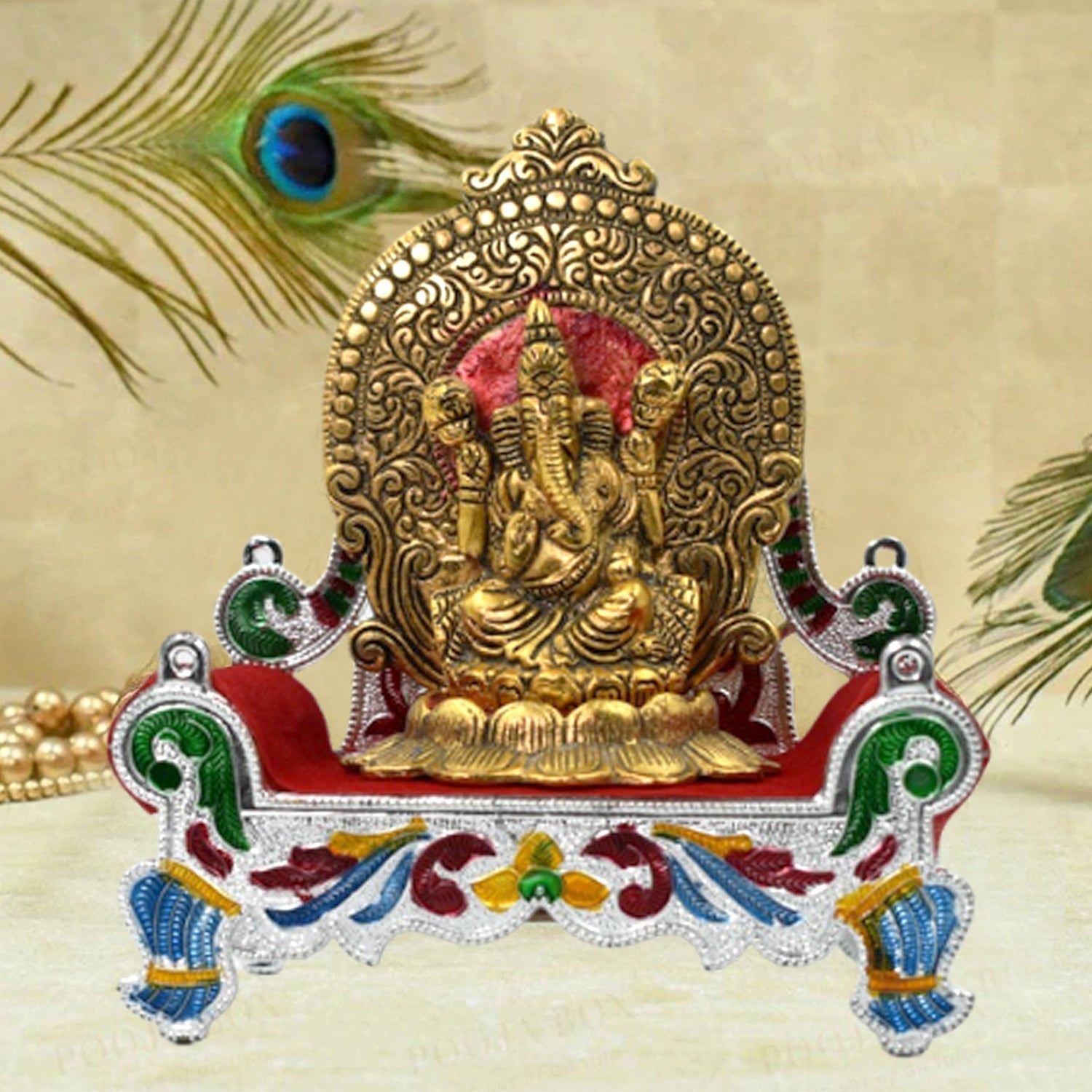
Bal Gopal Singhasan Deity Throne
₹205.00
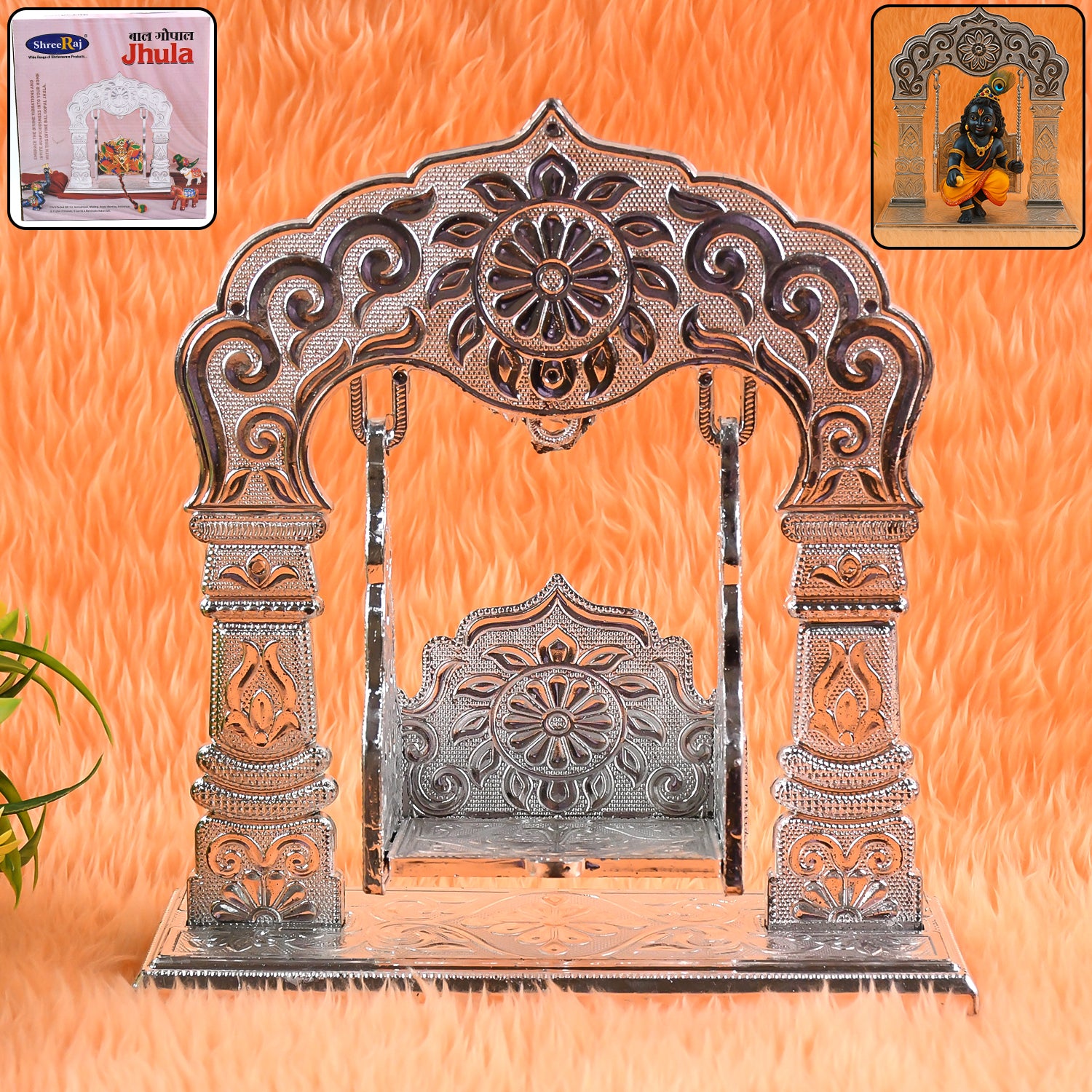
Bal Gopal Silver Jhula Swing
₹230.00

Digital Mantra Jaap Counter Ring
₹220.00
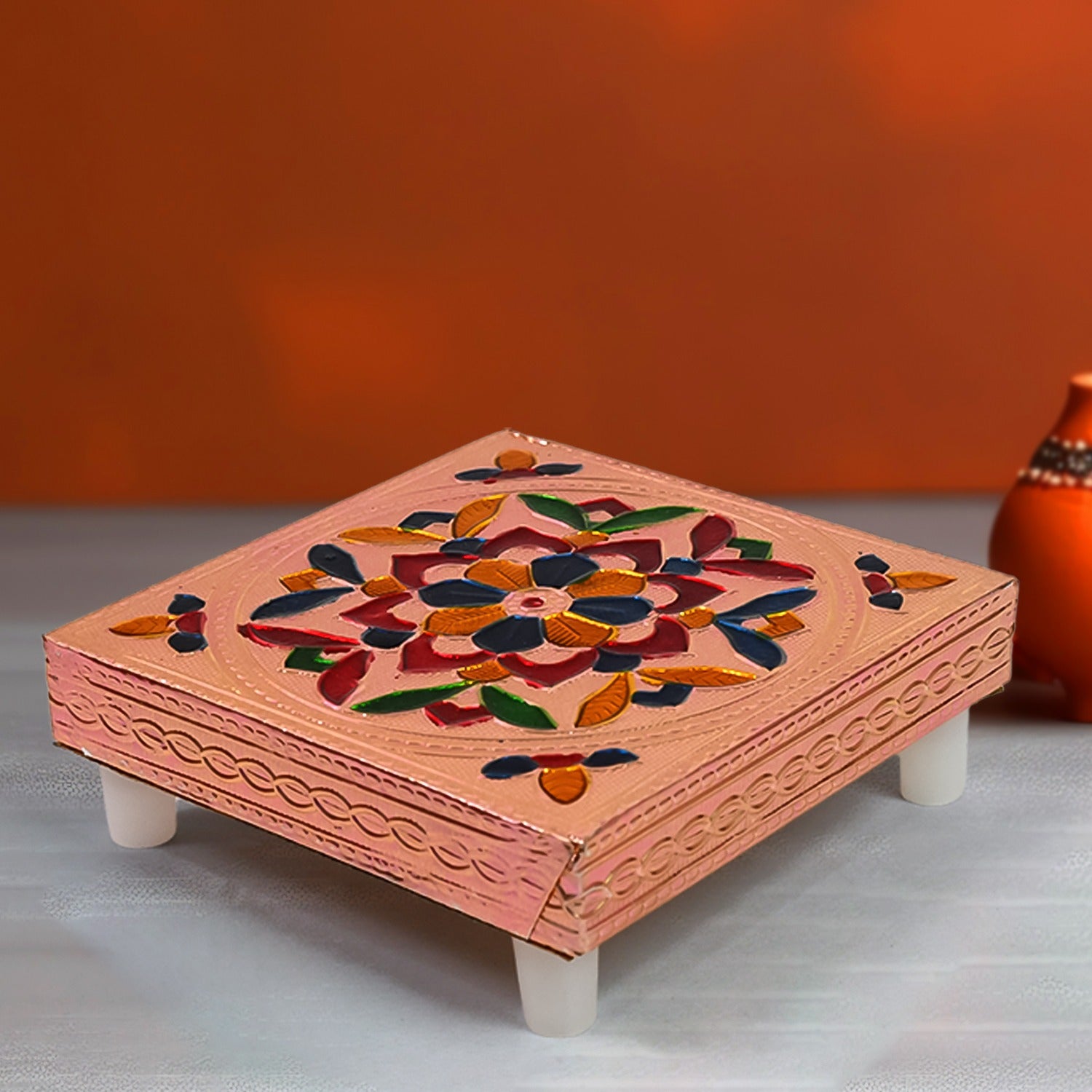
Meenakari Wooden Puja Chowki
₹159.00
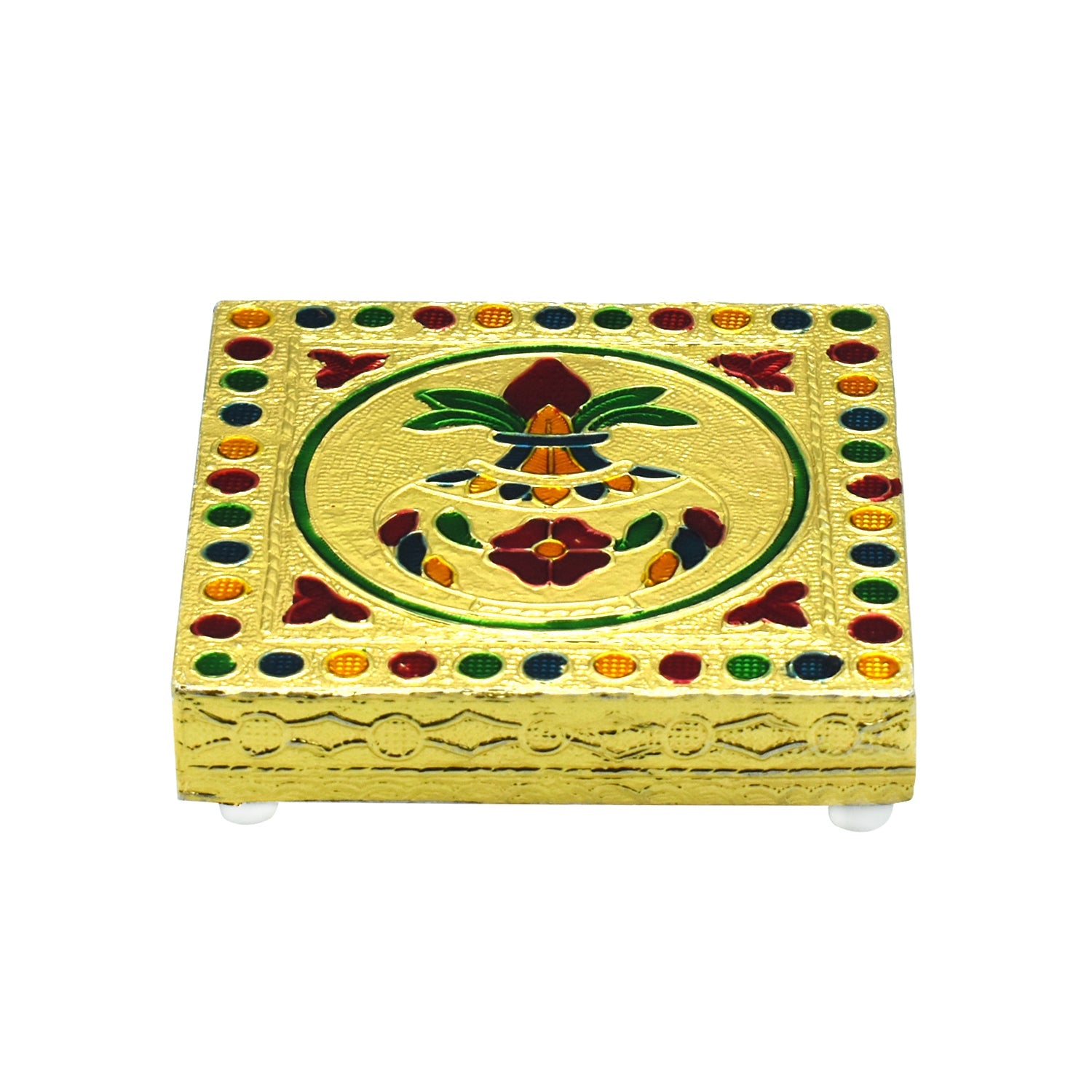
Wooden Designer Bajot Stool
₹159.00
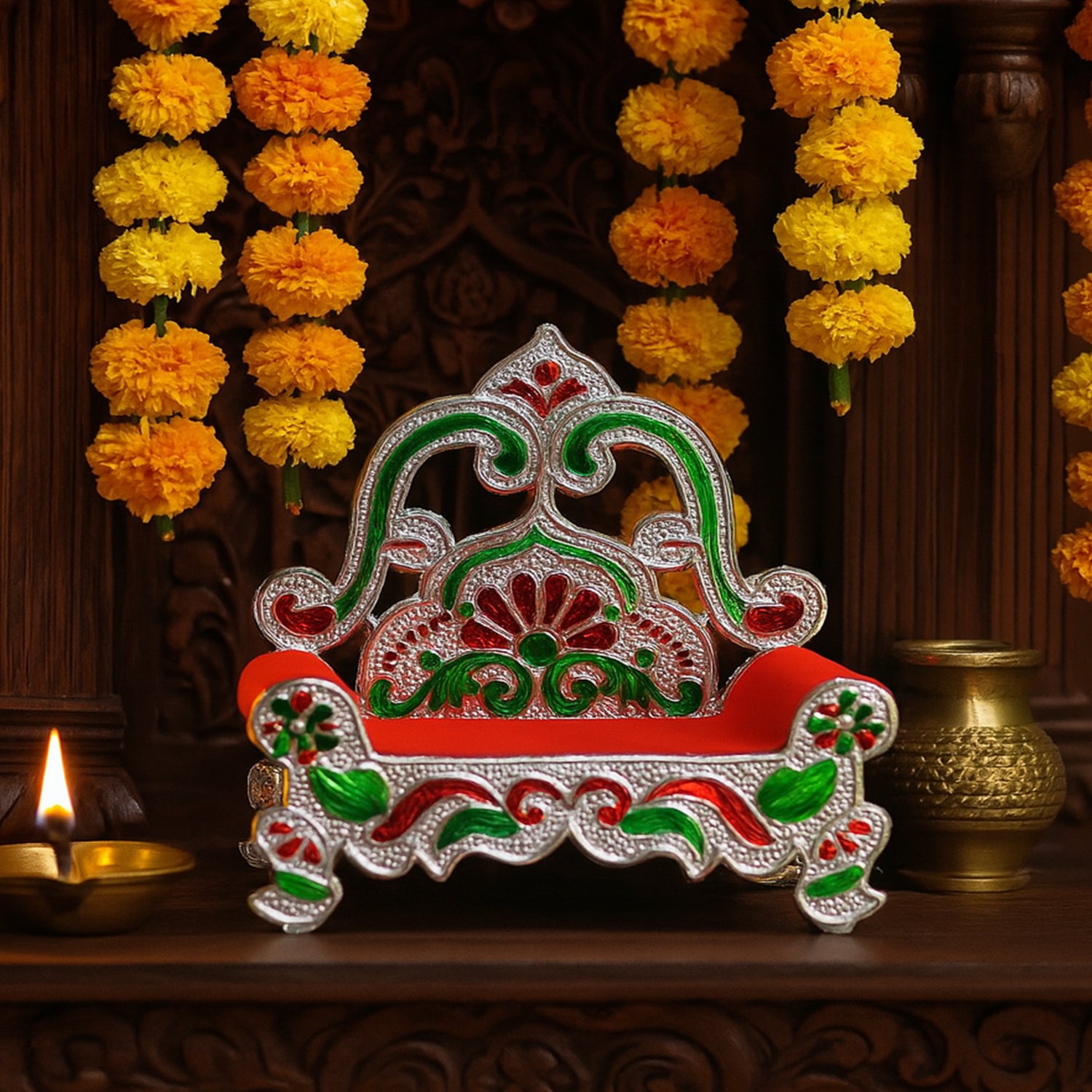
Small Decorative Singhasan for Idols
₹199.00
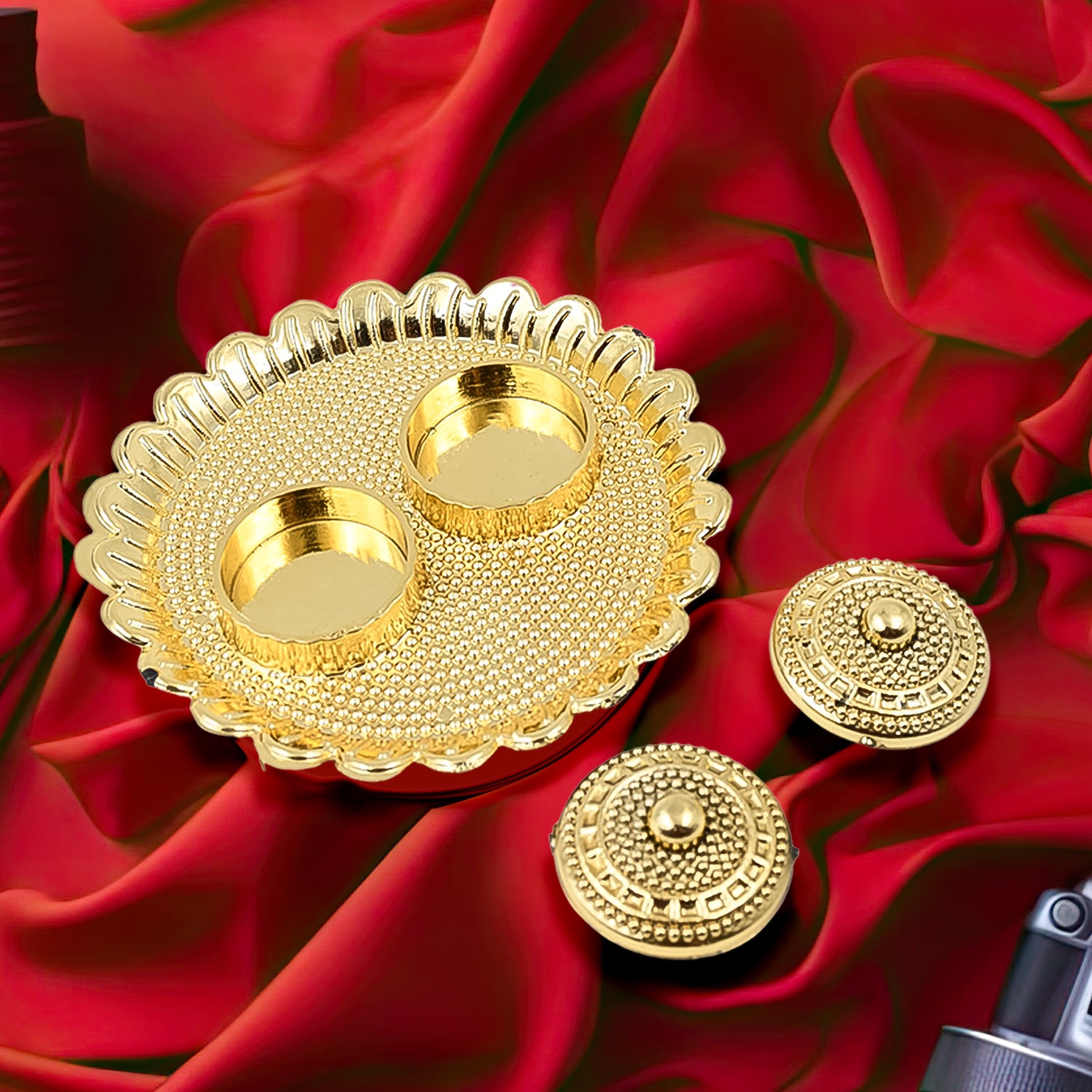
Round Puja Thali with Kumkum Holder
₹99.00
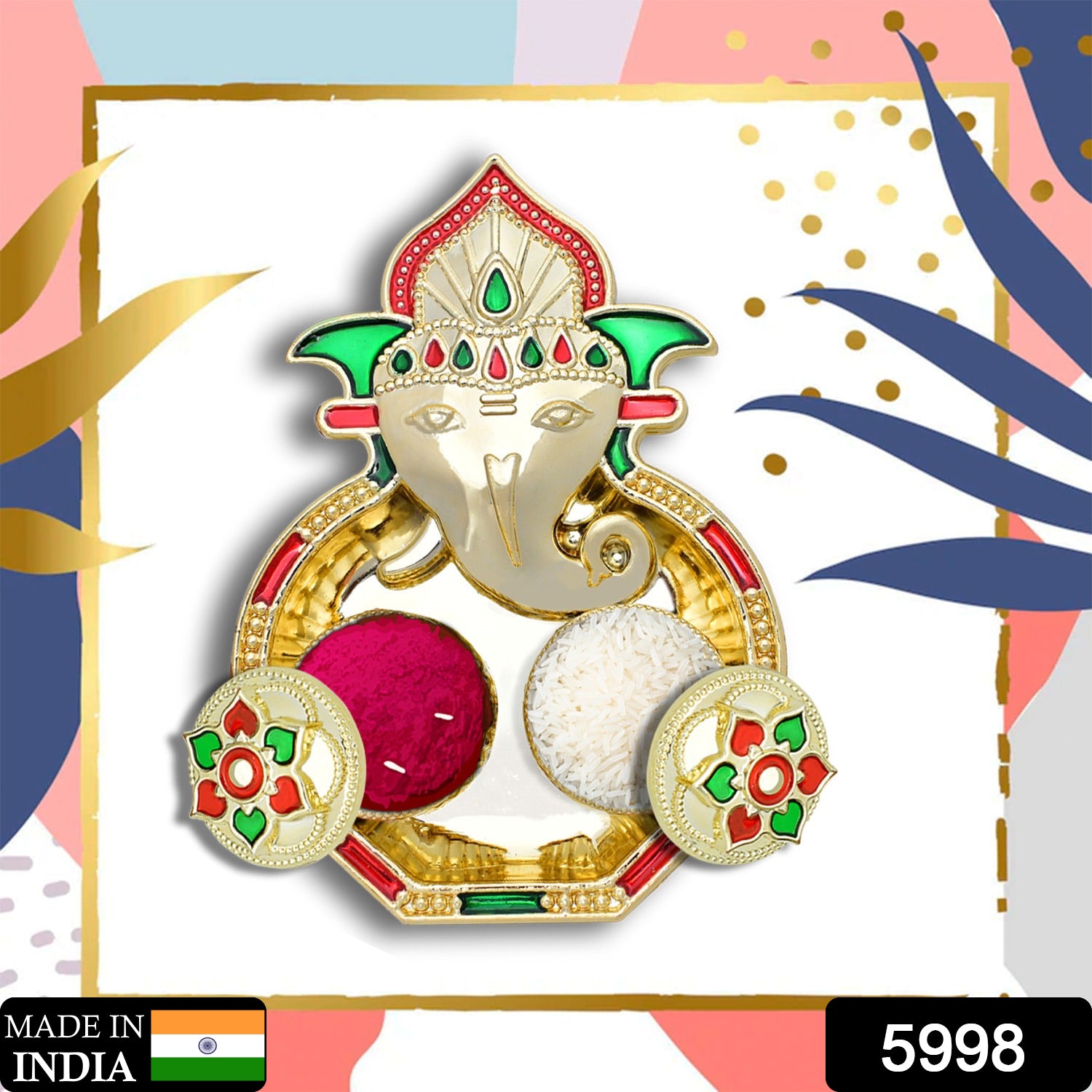
Puja Thali Return Gift Set
₹125.00