Rukmini Devi Temple Dwarka Timings: Open 6:30 AM, Closed Midday
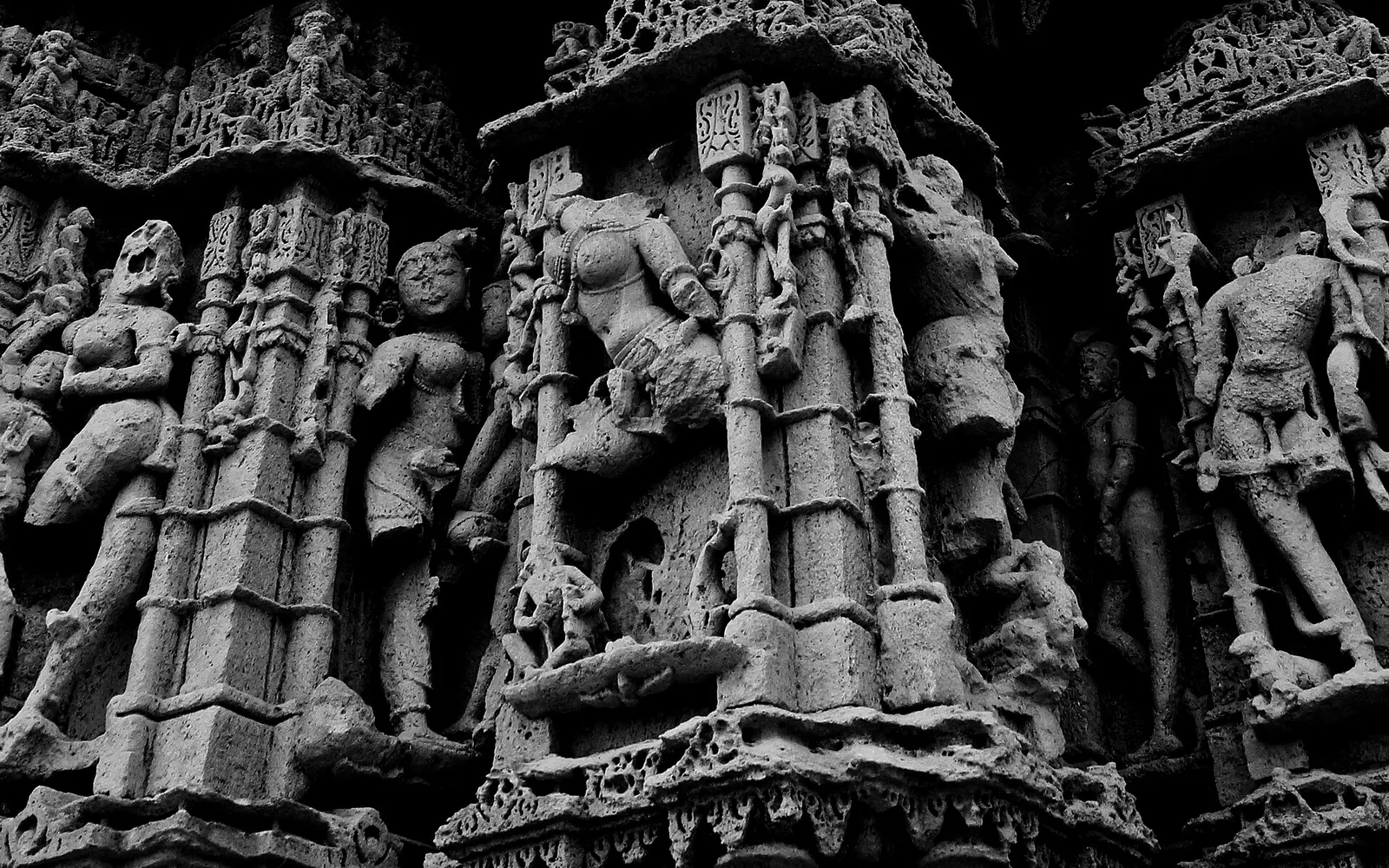
Rukmini Devi Temple in Dwarka opens at 6:30 AM and closes at 12:00 PM for midday. The evening session is from 5:00 PM to 8:30 PM. The temple is 2 km from Dwarkadhish, a short auto ride of ₹50-70, and holds some of the finest 12th-century carved stone sculptural panels surviving in Gujarat.
Rukmini Devi Temple Daily Schedule
| Session | Time | Notes |
|---|---|---|
| Morning Darshan Opens | 6:30 AM | First darshan of the day |
| Morning Aarti | 9:00 AM (approx) | Morning lamp ceremony |
| Midday Closure | 12:00 PM | Temple closed until evening |
| Evening Darshan Opens | 5:00 PM | Second darshan session |
| Evening Aarti | 6:30 PM (approx) | Sunset lamp ceremony |
| Temple Closes | 8:30 PM | End of daily darshan |
Combined Visit: Rukmini Devi Temple with Dwarkadhish
Rukmini Devi Temple is located 2 km from Dwarkadhish Temple on the Dwarka–Okha highway. Most pilgrims visit it on the way to or from Nageshwar Jyotirlinga. The temple can be reached on foot (25–30 min walk) or by auto (₹50-70). Unlike Dwarkadhish, Rukmini Devi Temple has no mobile or leather restriction, photography of the outer structure is permitted. The inner sanctum photography is restricted. The temple has a small prasad counter with peda and sindoor packets at modest prices.
The legend of Rukmini Devi Temple explains its distance from Dwarkadhish: Rukmini, angered by Sage Durvasa's curse during a water-carrying incident, was separated from Krishna and built her own temple at this spot. This story is narrated by guides at both temples and adds spiritual context to the combined visit.
The Legend That Explains Why Rukmini's Temple Is Outside the City
Rukmini Devi Temple stands about 2 km outside the main Dwarkadhish Temple complex, and this separation is not arbitrary. It reflects a legend embedded in the Skanda Purana and the Bhagavata Purana. The story goes that Rukmini and Krishna were once hosting the sage Durvasa, notorious in Hindu mythology for his short temper and the potency of his curses. As they journeyed through the city, Rukmini felt thirsty and asked for water. She drank without first offering water to Durvasa, or in some versions, she interrupted the sage's walk to quench her own thirst before his. Durvasa, incensed, cursed her to be forever separated from Krishna and to live outside the city.
Whether you receive this legend as theology or as a narrative encoding of social history, the practical effect is this: there is no combined temple of Rukmini and Krishna in Dwarka. They are worshipped in separate temples, at a geographic distance from each other. For pilgrims, this means a deliberate second stop, a temple visit that feels less about grand procession and more about the personal, intimate figure of Rukmini herself.
Most pilgrims who visit Dwarkadhish and then come to Rukmini Devi Temple notice the immediate tonal difference. The Dwarkadhish Temple is large, ceremonial, and crowded. Rukmini Devi Temple is smaller, quieter, and has an almost melancholic calm to it. The same goddess who presided over the grandeur of Dwarkadhish's royal household now receives her devotees in a village-like compound on the edge of the city, far from her husband.
The 12th-Century Carved Stone Panels: What to Look For
The carved stone panels at Rukmini Devi Temple are among the most significant pieces of visual heritage in Dwarka. Dating to approximately the 12th century, they depict scenes from Rukmini's life, her birth and upbringing in Vidarbha, the famous love letter she sent to Krishna asking him to rescue her from a forced marriage to Shishupala, and the dramatic elopement in which Krishna arrived in his chariot and carried her away moments before the wedding ceremony could begin.
The panels are carved in a style characteristic of medieval Gujarat, figures rendered in relief with expressive detailing, and a narrative sequencing that reads almost like a comic strip across the temple's exterior walls. The stonework has weathered over the centuries but the reliefs remain legible, and with some attentive looking, the scenes resolve clearly. Many pilgrims walk past without pausing, not realizing that what appears to be weathered decoration is in fact a 900-year-old stone picture book of one of Hinduism's greatest love stories.
There is no guided interpretation at the temple, no placard, no audio guide. If you want to understand what you are seeing, either read about Rukmini's story before you visit or bring a copy of the relevant chapters from the Bhagavata Purana's 10th canto. The Archaeological Survey of India has surveyed the panels but the temple management has limited resources for public interpretation. What survives does so through the efforts of the priests who maintain it, and through the steady stream of devotees whose visits and donations keep the site alive.
Combining Rukmini Devi with Your Dwarka Darshan
Most itineraries treat Rukmini Devi Temple as an add-on to Dwarkadhish, a short detour of 2 km that takes 45 minutes to an hour in total. The cleanest way to combine both is to visit Dwarkadhish Temple first in the morning (between 7 AM and noon, when both are open), then take an auto to Rukmini Devi for darshan before the 12:00 PM closure. This gives you both temples in a single morning without backtracking.
If your Dwarkadhish darshan runs long or the queue extends past noon, the alternative is the evening session at Rukmini Devi: 5:00 PM to 8:30 PM. The evening light is beautiful at this time of year and the drive out of town feels peaceful as the afternoon heat subsides. The evening aarti at approximately 6:30 PM is a quiet, unhurried ceremony, very different from the scale of the Dwarkadhish aartis.
What to Know Before You Go
Entry to Rukmini Devi Temple is free. There is no VIP darshan queue, no locker facility at the temple itself (use the lockers near Dwarkadhish if you need to store bags), and no photography inside the sanctum. The priests at the temple accept dakshina (offerings) for performing small pujas, a coconut and flowers can be purchased from vendors just outside the temple gate.
Footwear must be removed before entering. The compound is paved and clean. Dress modestly, no shorts or sleeveless clothing. The Rukmini idol is adorned in traditional Gujarati bridal style, with a lehenga and elaborate jewellery that changes with festivals and seasons. On major festival days, particularly Janmashtami, Annakut, and the anniversary of Rukmini's marriage to Krishna (Rukmini Vivah), the decoration is especially elaborate and the queue extends well outside the compound.
One thing to note: Rukmini Devi Temple does not appear in most commercial tour packages, which tend to bundle only the major landmarks. It is the kind of place you find by knowing to look for it, or by reading about Dwarka with enough curiosity to follow the lesser-visited threads. For pilgrims who have come to Dwarka for its spiritual depth rather than its Instagram backdrops, this temple is often the one they remember most clearly.
Frequently Asked Questions
Also Read
Dwarkadhish to Rukmini Devi
Dwarkadhish Temple to Rukmini Devi Temple is 2.5 km, about 5-7 minutes by auto.
Read Full GuideSamudra Narayana Temple
Samudra Narayana Temple, an ancient Vishnu shrine on the Arabian Sea shore near Gomti Ghat in Dwarka.
Read Full GuideBet Dwarka Temple Timings
Bet Dwarka temple opens at 6:00 AM (summer) or 6:30 AM (winter).
Read Full GuideRukmini Devi Temple Dwarka
The full guide to Rukmini Devi Temple, the legend of Durvasa's curse, the ancient carved stone panels, and what makes this quiet temple so memorable.
Read MoreISKCON Dwarka Aarti Timings
ISKCON Dwarka is 3 km from Dwarkadhish, combine with Rukmini Devi on the same auto trip. Mangala Aarti at 4:30 AM, Sandhya at 7 PM.
Read MoreDwarkadhish Temple Timings
All six daily aartis at the main Dwarkadhish Temple, timings, Dhwaja ceremony, VIP darshan, and queue management for peak season.
Read More