Description
Mark Every Auspicious Beginning with a Brass Kalash
First, no Hindu ceremony begins without a kalash. Obviously, it is the single most recognisable symbol of an auspicious start. Moreover, this polished Brass Kalash arrives complete with its coconut and mango leaf arrangement, so the sthapana can be set up correctly in minutes. In fact, the same form appears at weddings, Griha Pravesh, Navratri and katha alike. Similarly, the rituals performed at the Dwarkadhish Temple open with exactly this arrangement. Now, you can undeniably follow that tradition at home.
Furthermore, a kalash is understood as a container of abundance rather than merely a pot. When it is filled with water and topped with a coconut, it is treated as holding the presence of every deity at once. Therefore, it anchors the entire ceremony.
Are you currently preparing for a house ceremony or a festival at home? Or perhaps you want a permanent kalash instead of borrowing one each time? Either way, this Brass Kalash serves for years. Indeed, solid brass keeps its shine through repeated use. As a result, it becomes part of every family occasion.
Spiritual Significance of the Kalash
Undoubtedly, the kalash is among the oldest sacred symbols in Indian tradition. Also, it appears in temple architecture, ritual and art alike. A Brass Kalash filled with water is understood to hold the essence of creation itself. For instance, the kalasha is described in scripture as containing the nectar of immortality. Because of this, it is installed at the start of every major ritual rather than added later. Furthermore, the mango leaves and coconut complete the symbolism of life and offering.
Meanwhile, devotees who follow the published temple timings will have seen the kalash present at every significant ceremony. Notably, it is treated as a living presence during the ritual. Keeping one at home allows your festival aarti, bhog and katha to be set up properly. Thus, nothing feels improvised. Ultimately, the kalash gives the occasion its centre.
The Symbolism of Pot, Leaves and Coconut
Specifically, each element of the arrangement carries its own meaning. First, the pot represents the body and the water inside it the life force that fills it. Then, the five mango leaves placed around the rim stand for the five senses, arranged outward to be offered rather than indulged. Second, the coconut set on top is the symbol of the ego, which the devotee is meant to break and give away. In addition, the thread often tied around the neck of the pot binds the arrangement into a single sacred whole. Keeping this kalash in the home embraces all of that quietly. Consequently, you are reminded that every beginning deserves care. Additionally, the arrangement lifts the whole mandir visually. Finally, it carries the same festive weight seen during the celebrations at Dwarka.
Vastu Shastra Guidance for your Brass Kalash
Previously, Vastu Shastra placed the kalash at the heart of ceremonial arrangements. Positioning a Brass Kalash correctly keeps the energy of the occasion focused. Consequently, the ritual space feels complete. Therefore, follow these guidelines:
- Ideal Direction: Install the kalash in the Northeast of the room or mandir. Obviously, this is the most auspicious quarter for sthapana.
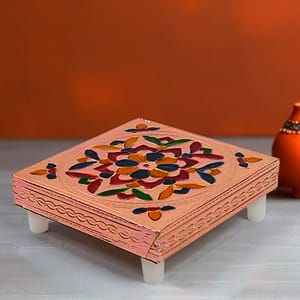
- Base Below: Set it on a bed of raw rice or on a small wooden chowki. However, never place it directly on an uncovered floor.
- Filling: Fill it with clean water, and add a coin, a few grains of rice and a little haldi. Besides, this is the standard preparation for most ceremonies.
- Coconut Direction: Keep the pointed end of the coconut facing upward or towards the deity. Finally, leave the arrangement undisturbed for the full duration of the ritual, as is done at Bet Dwarka.
Premium Craftsmanship and Polished Finish
Undeniably, artisans shape this kalash in solid brass with a smooth interior and a clean flared rim. This ensures the mango leaves sit securely and the coconut rests without wobbling. Furthermore, the exterior is polished to a bright gold finish that photographs beautifully during ceremonies. Therefore, it looks appropriate for both intimate and formal occasions.
Moreover, brass is the traditional metal for ritual pots for practical reasons. It holds water without any risk of rust and is considered purifying by tradition. For example, you can leave the kalash filled for the duration of a multi-day ritual. As a result, the water stays fit for use. Because of this, brass kalash pots remain the standard across India.
Care Note: Specifically, empty and dry the kalash once the ceremony concludes. Also, a soft cotton cloth keeps the exterior bright. However, avoid abrasive scrubbers that dull the polish. Simply use lemon and salt or a standard brass polish before major occasions instead.
Ideal Occasions for Gifting
Undoubtedly, a kalash is a gift of good wishes in physical form. In fact, it is welcome in any household that keeps a mandir. Thus, this Brass Kalash suits these occasions:
- Griha Pravesh: Firstly, the kalash is central to every house-warming ceremony.
- Weddings: Secondly, it is a classic and respectful gift for a newly married couple.
- Navratri: Thirdly, ghatasthapana on the first day requires exactly this arrangement.
- Business Openings: Lastly, it is the traditional choice for a new shop or office inauguration.
Frequently Asked Questions (FAQs)
1. Does this Brass Kalash come with the coconut and leaves?
Yes, the set includes the decorative coconut and leaf arrangement. Furthermore, many families still add fresh mango leaves on the day of the ceremony for full authenticity.
2. What should I fill the kalash with?
Basically, clean water is the essential requirement. In addition, tradition calls for a coin, a few grains of raw rice, a little haldi and sometimes a betel nut placed inside.
3. Can I reuse the same kalash for every festival?
Obviously, yes, and most families do. Meanwhile, the pot is simply cleaned and refilled before each occasion. Therefore, one good kalash serves for decades.
4. How long should the kalash stay installed?
Generally, it remains in place for the full duration of the ritual. However, for Navratri it stays for all nine days, and for a katha only for that day.
5. What do I do with the water afterwards?
Specifically, the water is treated as sanctified. Therefore, it is usually sprinkled around the home or poured at the base of a tulsi plant rather than discarded.
6. Is it safe to buy brass pooja items online?
Absolutely. Specifically, sellers pack the Brass Kalash and its coconut arrangement in cushioned wrapping. As a result, the polished surface arrives unmarked.
7. Which direction should the kalash face?
Undeniably, it belongs in the Northeast of the room. Therefore, place it on rice or a wooden chowki in that corner. Ultimately, this is the standard prescribed position.
8. Can this kalash be used for Satyanarayan katha?
Yes, and it is ideal for it. Moreover, the same kalash serves Griha Pravesh, Navratri sthapana, weddings and every household katha equally well.
Finally, let every auspicious beginning have its proper symbol. Therefore, do not miss the opportunity to bring this kalash home. Click to check the latest price and buy securely on Amazon today.