Kamakhya Temple, Guwahati: History, Timings & Visitor Guide
Kamakhya Temple (Assamese: kamakhya mondir) is a Hindu temple at Nilachal hills in Guwahati, Assam is one of the oldest and most revered centres of Tantric practices, dedicated to the goddess…

About Kamakhya Temple
Kamakhya Temple (Assamese: kamakhya mondir) is a Hindu temple at Nilachal hills in Guwahati, Assam is one of the oldest and most revered centres of Tantric practices, dedicated to the goddess Kamakhya. The temple is the centre of the Kulachara Tantra Marga and the site of the Ambubachi Mela, an annual festival that celebrates the menstruation of the goddess. Structurally, the temple is dated to the 8th-9th century with many subsequent rebuildings—and the final hybrid architecture defines a local style called Nilachal. It is also one among the oldest 4 of the 51 pithas in the Shakta tradition. An obscure place of worship for much of history it became an important pilgrimage destination, especially for those from Bengal, in the 19th century during colonial rule.
Originally an autochthonous place of worship of a local goddess where the primary worship of the aniconic yoni set in natural stone continues till today, the Kamakya Temple became identified with the state power when the Mleccha dynasty of Kamarupa patronised it first, followed by the Palas, the Koch, and the Ahoms. The Kalika Purana, written during the Pala rule, connected Naraka, the legitimising progenitor of the Kamarupa kings, with the goddess Kamakhya representing the region and the Kamarupa kingdom.
It has been suggested that historically the worship progressed in three phases—yoni under the Mlechhas, yogini under the Palas and the Mahavidyas under the Kochs. The main temple is surrounded in a complex of individual temples dedicated to the ten Mahavidyas of Saktism, namely, Kali, Tara, Tripura Sundari, Bhuvaneshwari, Bhairavi, Chhinnamasta, Dhumavati, Bagalamukhi, Matangi and Kamalatmika. Among these, Tripurasundari, Matangi and Kamala reside inside the main temple whereas the other seven reside in individual temples. Temples for individual Mahavidyas together as a group, as found in the complex, is rare and uncommon.
In July 2015, the Supreme Court of India transferred the administration of the Temple from the Kamakhya Debutter Board to the Bordeuri Samaj.
Kamakhya Temple: Key Facts
- TempleKamakhya Temple
- LocationGuwahati, Assam
- StateAssam
- Entry FeeFree (general darshan)
- Best Time to VisitOctober to March
- Nearest Railway StationKamakhya Junction railway station, ~2 km
- Nearest AirportGuwahati (GAU), ~14 km
- GPS26.16643, 91.70551
Kamakhya Temple Timings 2026
Kamakhya Temple is open every day, usually from early morning to late evening with a break in the afternoon. Darshan and aarti timings change with the season and on festival days.
- MorningOpens early morning (around 5 to 6 AM)
- AfternoonShort break around midday at many temples
- EveningEvening aarti around sunset, closes by about 8 to 9 PM
Ask the temple office on arrival for the day's aarti schedule.
Dress Code & Temple Rules
- DressModest, traditional clothes covering shoulders and knees
- FootwearRemove before entering; use the shoe stand
- PhotographyNot allowed inside the sanctum
- Not AllowedLeather items, tobacco, alcohol, non-veg food
- QueueFollow queue lines and staff instructions on festival days
How to Reach Kamakhya Temple
- LocationGuwahati, Assam
- By AirGuwahati (GAU), about 14 km
- By AirSilchar (IXS), about 189 km
- By TrainKamakhya Junction railway station, about 2 km
- By RoadTaxis, autos and state buses from the railway station and nearby cities
Distance from Nearby Cities
| From | Road Distance (approx.) | Travel Time (approx.) |
|---|---|---|
| Guwahati | 18 km | 1 hr |
| Silchar | 246 km | 5 hr |
| Itanagar | 276 km | 6 hr |
| Jorhat | 330 km | 7 hr |
| Agartala | 335 km | 7 hr |
Best Time to Visit
October to March. Winter is pleasant for darshan and sightseeing. May–June can be very hot and July–September brings monsoon rain. Weekday mornings are the least crowded; expect long queues on weekends, holidays and festivals.
History of Kamakhya Temple
The current structural temple and the rock-cut sculpture strewn in the vicinity indicate that the temple has been built and renovated many times in the period 8th–9th, 11th–12th, 13th–14th centuries and even later. The current form, from the 16th century has given rise to a hybrid indigenous style that is sometimes called the Nilachal type: a temple with a hemispherical dome on a cruciform base.
The shikhara over the garbhagriha has a pancharatha plan that rests on plinth mouldings that are similar to the Surya Temple at Tezpur. On top of the plinths are dados from a later period which are of the Khajuraho or the Central Indian type, consisting of sunken panels alternating with pilasters. The panels have delightful sculptured Ganesha and other Hindu gods and goddesses.
Though the lower portion is of stone, the shikhara in the shape of a polygonal beehive-like dome is made of brick, which is characteristic of temples in Kamrup. The shikhara is circled by a number of minaret inspired angashikaras of Bengal type charchala.
Legend & Significance
According to the Kalika Purana, Kamakhya Temple denotes the spot where Sati used to retire in secret for a carnal union with Shiva, and it was also the place where her yoni (genitals and womb) fell after Shiva's tandav (dance of destruction) with the corpse of Sati. This is not corroborated in the Devi Bhagavata, which lists 108 places associated with Sati's body, though Kamakhya finds a mention in a supplementary list.
The Yogini Tantra, a latter work, ignores the origin of Kamakhya given in Kalika Purana and associates Kamakhya with the goddess Kali and emphasises the creative symbolism of the yoni.
Festivals & Rituals at Kamakhya Temple
The Kalika Purana, an ancient work in Sanskrit, describes Kamakhya as the yielder of all desires, the young bride of Shiva, and the giver of salvation. Shakti is known as Kamakhya. Tantra is basic to worship, in the precincts of this ancient temple of mother goddess Kamakhya.
The worship of all female deity in Assam symbolises the "fusion of faiths and practices" of Aryan and non-Aryan elements in Assam. The different names associated with the goddess are names of local Aryan and non-Aryan goddesses. The Yogini Tantra mentions that the religion of the Yogini Pitha is of Kirata origin. According to Banikanta Kakati, there existed a tradition among the priests established by Naranarayana that the Garos, a matrilineal people, offered worship at the earlier Kamakhya site by sacrificing pigs. The tradition of sacrifices continue today with devotees coming every morning with animals and birds to offer to the goddess.
The goddess is worshipped according to both vamachara ("left-hand path") as well as the dakshinachara ("right-hand path") modes of worship. Offerings to the goddess are usually flowers, but might include animal sacrifices. In general female animals are exempt from sacrifice, a rule that is relaxed during mass sacrifices.
Frequently Asked Questions
Temples Near Kamakhya Temple

Umananda Temple
Umananda Devaloi (Pron: ˈʊməˌnændə ˈdeɪvəˌlɔɪ) is a Shiva temple located on the Umananda Island (Peacock Island) in the middle of the river…
Read Full Guide
Ugro Tara Temple
Ugratara Devalaya is a temple dedicated to Ugratara located in the western side of Jor Pukhury tanks in the heart of Guwahati city in the Lotaxil…
Read Full Guide
Hayagriva Madhava Temple
Hayagriva Madhava Temple is situated on the Manikut hill. The hill is situated in Hajo of Kamrup District in Assam, India.
Read Full Guide
Mahabhairav Temple
Mahabhairav Temple is a Hindu temple dedicated to Lord Shiva. It is located at a hillock on the northern part of Tezpur town in Assam, India.
Read Full GuideShop Puja & Temple Accessories
Handpicked pooja items and temple accessories for your home mandir, delivered anywhere in India.
Dwarkadhish Photo Frame for Home Mandir
View details
Brass Panchmukhi Diya for Aarti
View details
Tulsi Mala 108 Beads with Japa Bag
View details
Brass Puja Bell Ghanti for Mandir
View details
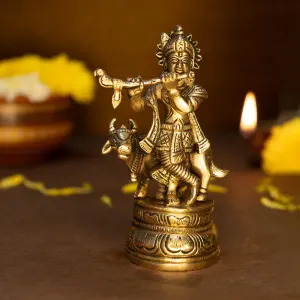
Pure Brass Lord Krishna Idol
View details
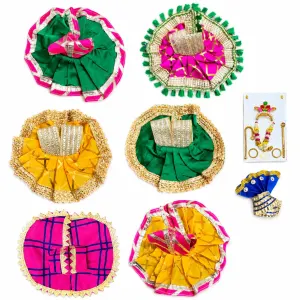
Laddu Gopal Poshak Dress Set with Mukut
View details
Original Shankh for Puja and Home Mandir
View details
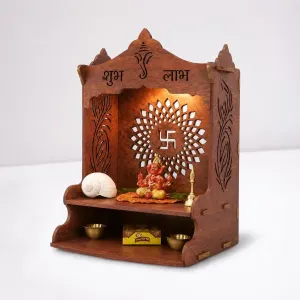
Wooden Home Mandir Temple for Pooja Room
View details