Mangueshi Temple, North Goa: History, Timings & Visitor Guide
Shri Manguesh temple is Hindu temple in India, located at Mangueshi in Priol, Ponda taluk, Goa. It is at a distance of 1 km from Mardol close to Nagueshi, 21 km from Panaji the capital of Goa, and 26 km from Margao.

About Mangueshi Temple
Shri Manguesh temple is Hindu temple in India, located at Mangueshi in Priol, Ponda taluk, Goa. It is at a distance of 1 km from Mardol close to Nagueshi, 21 km from Panaji the capital of Goa, and 26 km from Margao. Shree Mangueshi is the Kuldeva (family deity) of Saraswat Brahmins and other gotras. Shrimad Swamiji of Shri Kavale Math is Spiritual chief Of Shri Manguesh Saunsthan, Mangueshi. This temple is one of the largest and most frequently visited temples in Goa.
From 2011, temple prescribed a dress code, to keep the sanctity of the temple premise.
Mangueshi Temple: Key Facts
- TempleMangueshi Temple
- LocationNorth Goa, Goa
- StateGoa
- Entry FeeFree (general darshan)
- Best Time to VisitOctober to February
- Nearest Railway StationKarmali railway station, ~7 km
- Nearest AirportGoa (GOI), ~22 km
- GPS15.51631, 73.98300
Mangueshi Temple Timings 2026
Mangueshi Temple is open every day, usually from early morning to late evening with a break in the afternoon. Darshan and aarti timings change with the season and on festival days.
- MorningOpens early morning (around 5 to 6 AM)
- AfternoonShort break around midday at many temples
- EveningEvening aarti around sunset, closes by about 8 to 9 PM
Check the exact timings on the official website before your visit.
Dress Code & Temple Rules
- DressModest, traditional clothes covering shoulders and knees
- FootwearRemove before entering; use the shoe stand
- PhotographyNot allowed inside the sanctum
- Not AllowedLeather items, tobacco, alcohol, non-veg food
- QueueFollow queue lines and staff instructions on festival days
How to Reach Mangueshi Temple
- LocationNorth Goa, Goa
- By AirGoa (GOI), about 22 km
- By AirBelagavi (IXG), about 78 km
- By TrainKarmali railway station, about 7 km
- By RoadTaxis, autos and state buses from the railway station and nearby cities
Distance from Nearby Cities
| From | Road Distance (approx.) | Travel Time (approx.) |
|---|---|---|
| Goa | 29 km | 1 hr |
| Belagavi | 101 km | 2 hr |
| Hubballi | 155 km | 3 hr |
| Kolhapur | 171 km | 4 hr |
| Shivamogga | 331 km | 7 hr |
Best Time to Visit
October to February. The weather is cooler and drier. April–May is very hot, and the monsoon brings heavy rain to the coast. Weekday mornings are the least crowded; expect long queues on weekends, holidays and festivals.
History of Mangueshi Temple
According to regional historical traditions, the sage Parashurama brought ten lineages of Brahmins (Dashagotri) comprising 64 distinct clans from Trihotra Pura to settle in Gomantak (Goa). These clans brought the idols of their family deities (Kuladevatas)—which included Mangesh, Shantadurga, Nagesh, Mahalakshmi, Saptakoteshwar, and Mahalasa—and established them across the region. The deity of Mangesh was originally consecrated in Kushasthali (also known as Cortalim), a village in Mormugão.
Legend & Significance
According to folklore, Lord Shiva left Mount Kailash after losing a game of dice to his wife Goddess Parvati and settled in the jungles of Kushasthali (modern-day Cortalim). When Parvati came searching for him, Shiva transformed into a tiger to frighten her. Terrified, Parvati cried out, Trahi Mam Girisha! ("Save me, O Lord of the Mountains!"). Shiva immediately returned to his original form. The phrase "Mam Girisha" eventually evolved into the name Manguesh.
The Mangesh Linga is said to have been created in the Himalayas on Mount Mangireesh (Mongir) on the banks of the river Bhagirathi by the creator deity Brahma, from where the Saraswat Brahmins brought it to Trihotrapuri in Bihar. They carried the linga to Gomantaka and settled at Mormugao, on the banks of the Zuari river, at Kushasthali (modern day Cortalim) and initially established the temple there, before the Portuguese invasions forced the linga to be moved again to its current location in Manguesh.
Architecture of Mangueshi Temple
The original site was a very simple structure, and the current structure was only built under the Maratha Empire, some 150 years after it had been moved. The Peshwas donated the village of Mangeshi to the temple in 1739 on the suggestion of their Sardar, Shri Ramchandra Malhar Sukhtankar, who was a staunch devotee of Shri Mangesh. Just a few years after it was built, this area fell into Portuguese authority in 1763. By then, the Portuguese had lost their initial religious zeal and had been repeatedly defeated by the Marathas and had become quite tolerant of other religions, so this structure remained untouched.
Historical documentation regarding the appearance and design of the initial temple erected in Priol immediately after the relocation is unavailable. A secondary temple structure was later constructed on the site during the golden period of Maratha rule. In 1890 CE, a third temple building was constructed at the same location.
Festivals & Rituals at Mangueshi Temple
The traditional family patrons (Kulavis) of the Devasthan belong exclusively to two distinct lineage groups: the Vatsa gotra and the Kaundinya gotra.
Like most temples in Goa, Mangueshi Temple has a large number of pujas being performed daily. Every morning, Shodashopachara pujas, namely Abhisheka, Laghurudra and Maharudra, are performed. This is followed by Maha-Aarti at noon and Panchopachara pooja at night.
Every Monday, the procession idol of Manguesh is taken out for a procession in a palanquin (pallaki) accompanied by music before the evening Aarti. This is known as the Shibikotsav.
Frequently Asked Questions
Temples Near Mangueshi Temple

Mahadev Temple, Tambdi Surla
Mahadeva Temple, Tambdi Surla is a 13th-century Hindu temple in the Kadamba style dedicated to Lord Shiva, one of the main deities in Hinduism, and…
Read Full Guide
Kamala Narayana Temple, Degaon
Kamala Narayana Temple is at Degaon in Belgaum District, Karnataka, India. The temple was built by the Kadamba dynasty.
Read Full Guide
Mahabaleshwar Temple
The Mahabaleshwar Temple, Gokarna is a 4th-century-CE Hindu temple in Gokarna, Uttara Kannada district, Karnataka state, India, built in the…
Read Full GuideShop Puja & Temple Accessories
Handpicked pooja items and temple accessories for your home mandir, delivered anywhere in India.
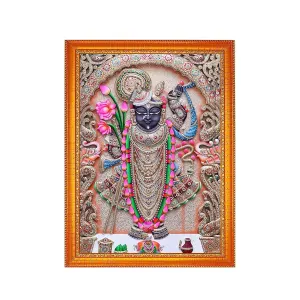
Dwarkadhish Photo Frame for Home Mandir
View details
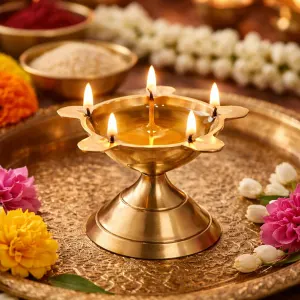
Brass Panchmukhi Diya for Aarti
View details
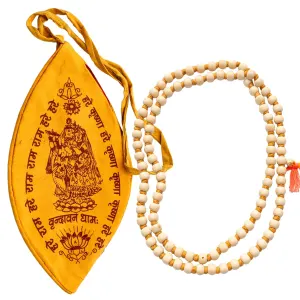
Tulsi Mala 108 Beads with Japa Bag
View details

Brass Puja Bell Ghanti for Mandir
View details
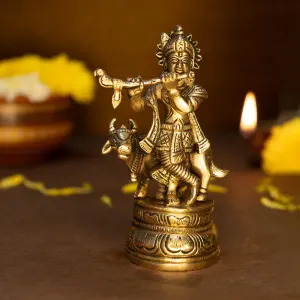
Pure Brass Lord Krishna Idol
View details
Laddu Gopal Poshak Dress Set with Mukut
View details

Original Shankh for Puja and Home Mandir
View details
Wooden Home Mandir Temple for Pooja Room
View details