Banashankari Amma Temple, Cholachagudda: History, Timings & Visitor Guide
Banashankari Devi Temple (or Banashankari temple) is a Hindu shrine located at Cholachagudda near Badami, in Bagalkot district, Karnataka, India. The temple is popularly called 'Shakambhari' 'Banashankari or Vanashankari' since it is located in the Tilakaaranya forest.

About Banashankari Amma Temple
Banashankari Devi Temple (or Banashankari temple) is a Hindu shrine located at Cholachagudda near Badami, in Bagalkot district, Karnataka, India. The temple is popularly called 'Shakambhari' 'Banashankari or Vanashankari' since it is located in the Tilakaaranya forest. The temple deity is also called the Shakambhari (Kannada: ಶಾಕoಭರಿ), an incarnation of the goddess Parvati.
The temple attracts devotees from Karnataka as well as the neighbouring state of Maharashtra. The original temple was built by the 7th-century Badami Chalukya kings, who worshipped goddess Banashankari as their tutelary deity. The temple celebrates its annual festival called Banashankari jatre, in the months of January or February. The festival comprises cultural programmes, boat festival as well as a Rath yatra, when the temple goddess is paraded around the city in a chariot. Banshakhari is a form of Maa Shakambhari Devi whose real, main and ancient temple is located in Saharanpur District in Uttar Pradesh. It is also known as Shaktipeeth Shakambhari Devi. There are statues of Bhima, Bhramari, Shatakshi and Ganesha along with mother.
Banashankari Amma Temple: Key Facts
- TempleBanashankari Amma Temple
- LocationCholachagudda, Karnataka
- StateKarnataka
- Entry FeeFree (general darshan)
- Best Time to VisitOctober to February
- Nearest Railway StationYara Goppa Halt railway station, ~6 km
- Nearest AirportHubballi (HBX), ~88 km
- GPS15.88722, 75.70500
Banashankari Amma Temple Timings 2026
Banashankari Amma Temple is open every day, usually from early morning to late evening with a break in the afternoon. Darshan and aarti timings change with the season and on festival days.
- MorningOpens early morning (around 5 to 6 AM)
- AfternoonShort break around midday at many temples
- EveningEvening aarti around sunset, closes by about 8 to 9 PM
Ask the temple office on arrival for the day's aarti schedule.
Dress Code & Temple Rules
- DressModest, traditional clothes covering shoulders and knees
- FootwearRemove before entering; use the shoe stand
- PhotographyNot allowed inside the sanctum
- Not AllowedLeather items, tobacco, alcohol, non-veg food
- QueueFollow queue lines and staff instructions on festival days
How to Reach Banashankari Amma Temple
- LocationCholachagudda, Karnataka
- By AirHubballi (HBX), about 88 km
- By AirBelagavi (IXG), about 116 km
- By TrainYara Goppa Halt railway station, about 6 km
- Major StationShree Siddharoodha Swamiji - Hubballi Junction railway station, about 84 km
- By RoadTaxis, autos and state buses from the railway station and nearby cities
Distance from Nearby Cities
| From | Road Distance (approx.) | Travel Time (approx.) |
|---|---|---|
| Hubballi | 115 km | 3 hr |
| Belagavi | 151 km | 3 hr |
| Kolhapur | 226 km | 5 hr |
| Kalaburagi | 269 km | 6 hr |
| Goa | 271 km | 6 hr |
Best Time to Visit
October to February. The weather is cooler and drier. April–May is very hot, and the monsoon brings heavy rain to the coast. Weekday mornings are the least crowded; expect long queues on weekends, holidays and festivals.
History of Banashankari Amma Temple
Historians have dated the original temple to the 7th century CE - the Kalyani Chalukya period to Jagadekamalla I in 603 CE (according to epigraphic inscriptions) who installed the image of the goddess. The present refurbished temple was built in 1750, by Parusharam Agale, a Maratha chieftain.
It is also said that the original temple was in existence even before the reign of the Chalukyas who gave royal favour to the beliefs of the Vaishnava, Shaivaite, Jain and Shakta religious orders. They worshipped Banashankari as a form of Shakti, their Supreme Goddess. Epigraphic inscriptions mention that Jagadekamalla I renovated the temple with several additions. Another inscription in Kannada language on a pillar located on the northern side of the temple dated to 1019 CE, describes the bravery of the Rashtrakuta king Bhimadeva. The Deepa Stambas (lamp pillar) are seen at the entrance to the temple; the construction of these, as per an inscription, are ascribed to the warrior Ketimayya.
Legend & Significance
The scriptures Skanda Purana and Padma Purana state that the demon Durgamasura harassed the local people constantly. Answering the prayers of the Devas (demi-gods) who appealed to God through a sacrifice to protect them from Durgamasura, the Lord directed the goddess Shakambari to help the people. The goddess appeared through the fire of the Yagna (fire-sacrifice) in the form of the goddess Shakambari. She then killed the demon after a fierce encounter and restored peace in the region. Banashankari is considered as the incarnation of goddess Parvati, who is the consort of god Shiva.
The forests around the temple have coconut, plantain and betel leaf plants and trees. Hence, it is also said that during a severe famine, the goddess provided vegetables and food for the people to survive and thus, the goddess was given the name Shakambari.
Architecture of Banashankari Amma Temple
The temple was built initially in the Dravidian architectural style. The rebuilt structure is in the Vijayanagara architectural style. The temple is enclosed by a high wall on all sides. The main structure has a mukha mantapa (portico), ardha mantapa (entrance porch/chamber in front of the sanctum) and a sanctum topped by a Vimana (tower). The main sanctum of the temple has the image of goddess Banashankari deified in it. The black stone sculpture depicts the goddess seated on a lioness trampling a demon under her foot. The goddess has eight arms and holds a trishul (trident), damaru (hand drum), kapaalpatra (skull cup), ghanta (war bell), Vedic scriptures, khadga-kheta (sword and shield) and severed head of demon. The goddess was the Kuladevi (tutelary deity) of the Chalukyas. The goddess Banashankari is the tutelary god for Devanga Community. The Devanga weaver community in particular, holds this goddess in great reverence. Banashankari is also the tutelary deity of some Deshastha Brahmins.
There is a 360 ft (109.7 m) square water tank in the forefront of the temple at the entrance, which is locally called Haridra Tirtha, a corrupted version of the name Harishchandra Tirtha. The pond is enclosed with stone mantapas (halls) on three sides. A pradakshina or circumambulatory path surrounds the tank.
Frequently Asked Questions
Temples Near Banashankari Amma Temple

Badami cave temples
The Badami cave temples are a complex of Buddhist, Hindu and Jain cave temples located in Badami, a town in the Bagalkot district in northern part…
Read Full Guide
Bhutanatha group of temples, Badami
The Bhutanatha group of temples are 7th to 12th century Hindu temples to the east of Agastya lake in Badami, Karnataka state,…
Read Full Guide
Mahakuta group of temples
The Mahakuta group of temples is located in Mahakuta, a village in the Bagalkot district of Karnataka state, India. It is an important place of…
Read Full Guide
Lad Khan Temple
The Chalukya Shiva Temple, also known as Lad Khan Temple, dedicated to Shiva, is one of the oldest Hindu temples and is located in the group of…
Read Full Guide
Kasivisvesvara Temple, Lakkundi
The Kasivisvesvara temple (Kannada: ಕಾಶಿವಿಶ್ವೇಶ್ವರ ದೇವಸ್ಥಾನ), also referred to as the Kavatalesvara, Kashivishveshvara or Kashi Vishvanatha temple…
Read Full Guide
Mahadeva Temple, Itagi
The Mahadeva Temple is located in the town of Itagi in Yelburga Taluk, in the Koppal District of Karnataka state, India. It is about 7 km (4 mi)…
Read Full GuideShop Puja & Temple Accessories
Handpicked pooja items and temple accessories for your home mandir, delivered anywhere in India.
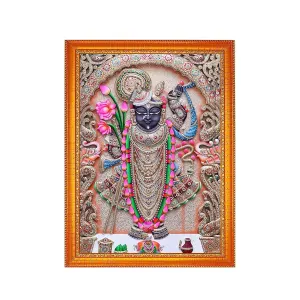
Dwarkadhish Photo Frame for Home Mandir
View details
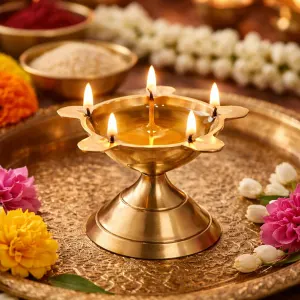
Brass Panchmukhi Diya for Aarti
View details
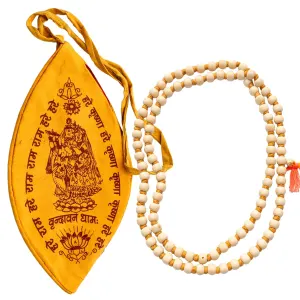
Tulsi Mala 108 Beads with Japa Bag
View details
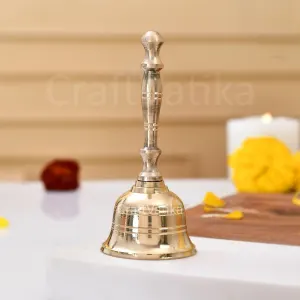
Brass Puja Bell Ghanti for Mandir
View details
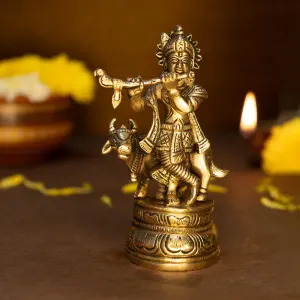
Pure Brass Lord Krishna Idol
View details
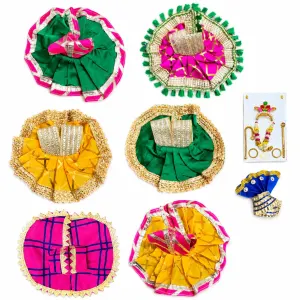
Laddu Gopal Poshak Dress Set with Mukut
View details

Original Shankh for Puja and Home Mandir
View details
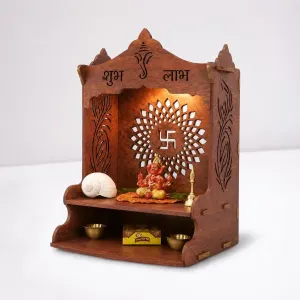
Wooden Home Mandir Temple for Pooja Room
View details