Devi Jagadambi Temple, Chhatarpur: History, Timings & Visitor Guide
Devi Jagadambika Temple or Jagadambika Temple is one of a group of about 25 temples at Khajuraho, Madhya Pradesh, India. Along with the other temples at Khajuraho, the temple was listed as a World Heritage Site because of its outstanding architecture, art, and historical importance.

About Devi Jagadambi Temple
Devi Jagadambika Temple or Jagadambika Temple is one of a group of about 25 temples at Khajuraho, Madhya Pradesh, India. Along with the other temples at Khajuraho, the temple was listed as a World Heritage Site because of its outstanding architecture, art, and historical importance. The temples of Khajuraho were built by the rulers of the Chandela dynasty between the 10th and the 12th centuries.
Devi Jagadambika temple, in a group to the north, is one of the most finely decorated temples at Khajuraho. It is named after Jagadambika, a Hindu goddess related to devi. Three bands of carvings encircle the body of the temple. In the sanctum is an enormous image of the Goddess (Parvati).
Devi Jagadambi Temple: Key Facts
- TempleDevi Jagadambi Temple
- LocationChhatarpur, Madhya Pradesh
- StateMadhya Pradesh
- Entry FeeFree (general darshan)
- Best Time to VisitOctober to March
- Nearest Railway StationKhajuraho railway station, ~7 km
- Nearest AirportKhajuraho (HJR), ~4 km
- GPS24.85339, 79.91967
Devi Jagadambi Temple Timings 2026
Devi Jagadambi Temple is open every day, usually from early morning to late evening with a break in the afternoon. Darshan and aarti timings change with the season and on festival days.
- MorningOpens early morning (around 5 to 6 AM)
- AfternoonShort break around midday at many temples
- EveningEvening aarti around sunset, closes by about 8 to 9 PM
Ask the temple office on arrival for the day's aarti schedule.
Dress Code & Temple Rules
- DressModest, traditional clothes covering shoulders and knees
- FootwearRemove before entering; use the shoe stand
- PhotographyNot allowed inside the sanctum
- Not AllowedLeather items, tobacco, alcohol, non-veg food
- QueueFollow queue lines and staff instructions on festival days
How to Reach Devi Jagadambi Temple
- LocationChhatarpur, Madhya Pradesh
- By AirKhajuraho (HJR), about 4 km
- By AirJabalpur (JLR), about 187 km
- By TrainKhajuraho railway station, about 7 km
- By RoadTaxis, autos and state buses from the railway station and nearby cities
Distance from Nearby Cities
| From | Road Distance (approx.) | Travel Time (approx.) |
|---|---|---|
| Khajuraho | 5 km | 1 hr |
| Jabalpur | 243 km | 5 hr |
| Prayagraj | 252 km | 6 hr |
| Lucknow | 303 km | 7 hr |
| Gwalior | 303 km | 7 hr |
Best Time to Visit
October to March. Winter is pleasant for darshan and sightseeing. May–June can be very hot and July–September brings monsoon rain. Weekday mornings are the least crowded; expect long queues on weekends, holidays and festivals.
History of Devi Jagadambi Temple
The Devi Jagadambi Temple is one of the Khajuraho group of monuments that were built during the rule of the Chandela dynasty. The building activity started almost immediately after the rise of their power, throughout their kingdom to be later known as Bundelkhand. Most temples were built during the reigns of the Hindu kings Yashovarman and Dhanga. Yashovarman's legacy is best exhibited by the Lakshmana Temple. Vishvanatha temple best highlights King Dhanga's reign. The largest and currently most famous surviving temple is Kandariya Mahadeva built in the reign of King Vidyadhara. The temple inscriptions suggest many of the currently surviving temples were complete between 970 and 1030 CE, with further temples completed during the following decades.
The first documented mention of Khajuraho was made in 641 by Xuanzang, a Chinese pilgrim who described encountering several dozen inactive Buddhist monasteries and a dozen Hindu temples with a thousand worshipping brahmins. In 1022 CE, Khajuraho was mentioned by Abu Rihan-al-Biruni, the Persian historian who accompanied Mahmud of Ghazni in his raid of Kalinjar; he mentions Khajuraho as the capital of Jajahuti. The raid was unsuccessful, and a peace accord was reached when the Hindu king agreed to pay a ransom to Mahmud of Ghazni to end the attack and leave.
Khajuraho temples were in active use through the end of the 12th century. This changed in the 13th century; after the army of Delhi Sultanate, under the command of the Muslim Sultan Qutb-ud-din Aibak, attacked and seized the Chandela kingdom. About a century later, Ibn Battuta, the Moroccan traveller in his memoirs about his stay in India from 1335 to 1342 CE, mentioned visiting Khajuraho temples, calling them "Kajarra" as follows:
Frequently Asked Questions
Temples Near Devi Jagadambi Temple

Kandariya Mahadeva Temple
The Kandariya Mahadeva Temple (Devanagari: कंदारिया महादेव मंदिर, Kandāriyā Mahādeva Mandir), meaning "the Great God of the Cave", is the largest…
Read Full Guide
Chitragupta Temple
The Chitragupta temple is an 11th century temple of Surya (sun god) in the Khajuraho town of Madhya Pradesh, India. Architecturally, it is very…
Read Full Guide
Lakshmana Temple
The Lakshmana Temple is a 10th-century Hindu temple built by Yashovarman during the Chandela dynasty located in Khajuraho, India. It is dedicated to…
Read Full Guide
Matangeshvara temple, Khajuraho
The Matangeshvara temple (IAST: Matangeśvara Mandir) is a Shiva temple in the Khajuraho town of Madhya Pradesh, India. Among the Chandela-era…
Read Full Guide
Vishvanath Temple
The Vishvanatha Temple is a Hindu temple in Madhya Pradesh, India. It is located among the western group of Khajuraho Monuments, a UNESCO World…
Read Full Guide
Lakshmi Temple, Khajuraho
Lakshmi Temple (Devanagari: लक्ष्मी मंदिर) is a small Hindu temple in Khajuraho, Chhatarpur district, Madhya Pradesh, India. It is part of the…
Read Full GuideShop Puja & Temple Accessories
Handpicked pooja items and temple accessories for your home mandir, delivered anywhere in India.
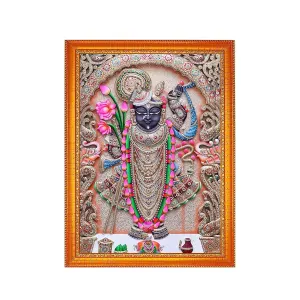
Dwarkadhish Photo Frame for Home Mandir
View details
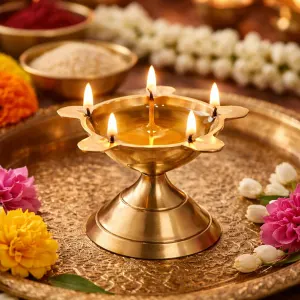
Brass Panchmukhi Diya for Aarti
View details
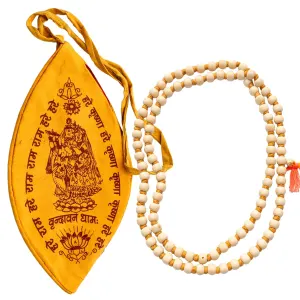
Tulsi Mala 108 Beads with Japa Bag
View details
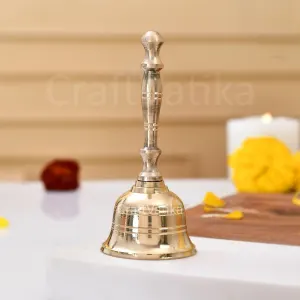
Brass Puja Bell Ghanti for Mandir
View details
Pure Brass Lord Krishna Idol
View details
Laddu Gopal Poshak Dress Set with Mukut
View details

Original Shankh for Puja and Home Mandir
View details
Wooden Home Mandir Temple for Pooja Room
View details