Kailasa Temple, Ellora, Aurangabad: History, Timings & Visitor Guide
The Kailasha (IAST: Kailāśa) or Kailasha-natha (IAST: Kailāśa-nātha) temple is the largest of the rock-cut Hindu temples at the Ellora Caves in Chhatrapati Sambhaji Nagar district of Maharashtra, India.

About Kailasa Temple, Ellora
The Kailasha (IAST: Kailāśa) or Kailasha-natha (IAST: Kailāśa-nātha) temple is the largest of the rock-cut Hindu temples at the Ellora Caves in Chhatrapati Sambhaji Nagar district of Maharashtra, India.
A megalith carved into a cliff face, it is considered one of the most remarkable cave temples in the world because of its size, architecture, and sculptural treatment. It has been called "the climax of the rock-cut phase of Indian architecture". The top of the structure over the sanctuary is 32.6 metres (107 ft) above the level of the court below. Although the rock face slopes downwards from the rear of the temple to the front, archaeologists believe it was sculpted from a single rock.
The Kailasa temple (Cave 16) is the largest of the 34 Hindu, Buddhist, and Jain cave temples and monasteries known collectively as the Ellora Caves, ranging for over two kilometres (1.2 mi) along the sloping basalt cliff at the site. Most of the excavation of the temple is generally attributed to the eighth century Rashtrakuta king Krishna I (r. c. 756 – 773), with some elements completed later. The temple architecture shows traces of Pallava and Chalukya styles. The temple contains a number of relief and free-standing sculptures on a grand scale equal to the architecture, though only traces remain of the paintings which originally decorated it.
Kailasa Temple, Ellora: Key Facts
- TempleKailasa Temple, Ellora
- LocationAurangabad, Maharashtra
- StateMaharashtra
- Entry FeeFree (general darshan)
- Best Time to VisitOctober to March
- Nearest Railway StationDaulatabad railway station, ~12 km
- Nearest AirportAurangabad (IXU), ~29 km
- GPS20.02389, 75.17917
Kailasa Temple, Ellora Timings 2026
Kailasa Temple, Ellora is open every day, usually from early morning to late evening with a break in the afternoon. Darshan and aarti timings change with the season and on festival days.
- MorningOpens early morning (around 5 to 6 AM)
- AfternoonShort break around midday at many temples
- EveningEvening aarti around sunset, closes by about 8 to 9 PM
Ask the temple office on arrival for the day's aarti schedule.
Dress Code & Temple Rules
- DressModest, traditional clothes covering shoulders and knees
- FootwearRemove before entering; use the shoe stand
- PhotographyNot allowed inside the sanctum
- Not AllowedLeather items, tobacco, alcohol, non-veg food
- QueueFollow queue lines and staff instructions on festival days
How to Reach Kailasa Temple, Ellora
- LocationAurangabad, Maharashtra
- By AirAurangabad (IXU), about 29 km
- By AirShirdi (SAG), about 92 km
- By TrainDaulatabad railway station, about 12 km
- Major StationChhatrapati Sambhaji Nagar railway station, about 23 km
- By RoadTaxis, autos and state buses from the railway station and nearby cities
Distance from Nearby Cities
| From | Road Distance (approx.) | Travel Time (approx.) |
|---|---|---|
| Aurangabad | 38 km | 1 hr |
| Shirdi | 119 km | 3 hr |
| Nashik | 172 km | 4 hr |
| Pune | 270 km | 6 hr |
| Mumbai | 343 km | 8 hr |
Best Time to Visit
October to March. Winter is pleasant for darshan and sightseeing. May–June can be very hot and July–September brings monsoon rain. Weekday mornings are the least crowded; expect long queues on weekends, holidays and festivals.
History of Kailasa Temple, Ellora
The Kailasa temple lacks a dedicatory inscription, but there is no doubt that it was commissioned by a Rashtrakuta ruler. Its construction is generally attributed to the Rashtrakuta king Krishna I (r. 756–773 CE), based on two epigraphs that link the temple to "Krishnaraja" (IAST Kṛṣṇarāja):
The Vadodara copper-plate inscription (c. 812–813 CE) of Karkaraja II (a ruler of a Rashtrakuta branch of Gujarat) records the grant of a village in present-day Gujarat. It mentions Krishnaraja as the patron of Kailasanatha, and also mentions a Shiva temple at Elapura (Ellora). It states that the king constructed a temple so wondrous that even the gods and the architect were astonished. Most scholars believe that this is a reference to the Kailasanatha Shiva temple at Ellora.
The Kadaba grant of Govinda Prabhutavarsha, discovered at Kadaba hobli in Gubbi taluka, similarly appears to credit Krishnaraja with the construction of the temple.
Architecture of Kailasa Temple, Ellora
The Kailasa temple architecture is different from the earlier style prevalent in the Deccan region. As stated above, it appears to be based on the Virupaksha Temple at Pattadakal and the Kailasa temple at Kanchi, but it is not an exact imitation of these two temples. The southern influence on the temple architecture can be attributed to the involvement of Chalukya and Pallava artists in its construction. The indigenous Deccan artisans appear to have played a subordinate role in the temple's construction.
The entrance to the temple courtyard features a low gopuram. Most of the deities at the left of the entrance are Shaivaite (affiliated with Shiva) while on the right hand side the deities are Vaishnavaites (affiliated with Vishnu). A two-storeyed gateway opens to reveal a U-shaped courtyard. The dimensions of the courtyard are 82 m x 46 m at the base. The courtyard is edged by a columned arcade three storeys high. The arcades are punctuated by huge sculpted panels, and alcoves containing enormous sculptures of a variety of deities. Originally flying bridges of stone connected these galleries to central temple structures, but these have fallen. Some of the most famous sculptures are Shiva the ascetic, Shiva the dancer, Shiva being warned by Parvati about the demon Ravana, and river goddess.
Frequently Asked Questions
Temples Near Kailasa Temple, Ellora

Grishneshwar temple
Ghrishneshwar Jyotirlinga (IAST: Ghṛṣṇeśvara), also known as Grishneswhar, is a Hindu temple of Shiva in Verul village of Aurangabad district…
Read Full Guide
Shani Shingnapur
Shani Shingnapur or Shani Shinganapur or Shingnapur is a village in the Indian state of Maharashtra. Situated in Nevasa Taluka in Ahmednagar…
Read Full Guide
Saptashrungi
Saptashrungi or Saptashringi (Marathi: सप्तशृङ्गि, Saptaśr̥ṇgī) is a site of Hindu pilgrimage in the village of Vani, situated 60 kilometres (37 mi)…
Read Full GuideShop Puja & Temple Accessories
Handpicked pooja items and temple accessories for your home mandir, delivered anywhere in India.
Dwarkadhish Photo Frame for Home Mandir
View details
Brass Panchmukhi Diya for Aarti
View details
Tulsi Mala 108 Beads with Japa Bag
View details
Brass Puja Bell Ghanti for Mandir
View details
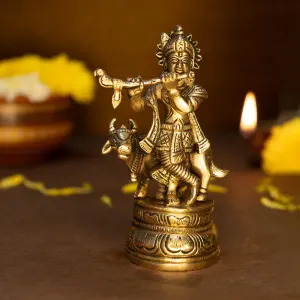
Pure Brass Lord Krishna Idol
View details
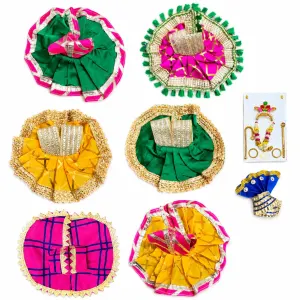
Laddu Gopal Poshak Dress Set with Mukut
View details

Original Shankh for Puja and Home Mandir
View details
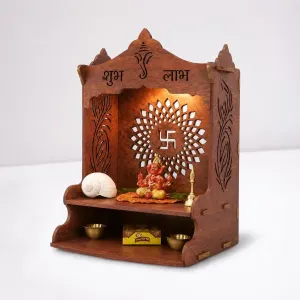
Wooden Home Mandir Temple for Pooja Room
View details