Rajarani Temple, Bhubaneswar: History, Timings & Visitor Guide
Rajarani Temple is an 11th-century CE Hindu temple located in Bhubaneswar, the capital city of Odisha (Orissa previously), India. Believed to be devoted to Lord Shiva, the shrine is called Raja Rani because it is made of yellow and red sandstone and the two colors are locally called ‘Raja Rani’.

About Rajarani Temple
Rajarani Temple is an 11th-century CE Hindu temple located in Bhubaneswar, the capital city of Odisha (Orissa previously), India. Believed to be devoted to Lord Shiva, the shrine is called Raja Rani because it is made of yellow and red sandstone and the two colors are locally called ‘Raja Rani’.
Rajarani Temple: Key Facts
- TempleRajarani Temple
- LocationBhubaneswar, Odisha
- StateOdisha
- Entry FeeFree (general darshan)
- Best Time to VisitOctober to March
- Nearest Railway StationLingaraj Temple Road railway station, ~2 km
- Nearest AirportBhubaneswar (BBI), ~2 km
- GPS20.23833, 85.83361
Rajarani Temple Timings 2026
Rajarani Temple is open every day, usually from early morning to late evening with a break in the afternoon. Darshan and aarti timings change with the season and on festival days.
- MorningOpens early morning (around 5 to 6 AM)
- AfternoonShort break around midday at many temples
- EveningEvening aarti around sunset, closes by about 8 to 9 PM
Ask the temple office on arrival for the day's aarti schedule.
Dress Code & Temple Rules
- DressModest, traditional clothes covering shoulders and knees
- FootwearRemove before entering; use the shoe stand
- PhotographyNot allowed inside the sanctum
- Not AllowedLeather items, tobacco, alcohol, non-veg food
- QueueFollow queue lines and staff instructions on festival days
How to Reach Rajarani Temple
- LocationBhubaneswar, Odisha
- By AirBhubaneswar (BBI), about 2 km
- By AirRanchi (IXR), about 346 km
- By TrainLingaraj Temple Road railway station, about 2 km
- Major StationBhubaneswar railway station, about 3 km
- By RoadTaxis, autos and state buses from the railway station and nearby cities
Distance from Nearby Cities
| From | Road Distance (approx.) | Travel Time (approx.) |
|---|---|---|
| Bhubaneswar | 2 km | 1 hr |
| Ranchi | 450 km | 10 hr |
| Kolkata | 496 km | 11 hr |
| Visakhapatnam | 510 km | 11 hr |
| Raipur | 570 km | 13 hr |
Best Time to Visit
October to March. Winter is pleasant for darshan and sightseeing. May–June can be very hot and July–September brings monsoon rain. Weekday mornings are the least crowded; expect long queues on weekends, holidays and festivals.
History of Rajarani Temple
Based on the sculptural architectural style, the temple is dated to the mid-11th century CE. Brown, groups the temple along with Ananta Vasudeva Temple and places it around the 11th–12th centuries CE. Another survey of Orissa temples carried out by S. K. Sarasvati in 1953 CE yielded a similar date. Panigrahi, who did a comprehensive analysis of Odia temples, gives an unspecified date between Lingaraja Temple and Mukteshvara Temple. Fergusson believes construction of the temple begun in 1105 CE. George Michell believes the temple was built during the same time as Lingaraja Temple. Rajarani Temple roughly belongs to the same period as the Jagannatha Temple at Puri. The architecture of other temples in central India originated from this temple. The notable ones in the category are the Khajuraho temples and Toteshvara Mahadeva temple in Kadava. Scholars believe, based on the style that the temple might have been built by Somavamshi kings and queens who migrated from Central india to Orissa during the period. Rajarani temple is maintained by the Archaeological Survey of India (ASI) as a ticketed monument.
Legend & Significance
The historian M. M. Ganguly examined the Khuraprista (upper plinth), which is carved like a lotus with its petals, and described the temple as possibly dedicated to Vishnu. The names of most Shiva and Parvati temples in Bhubaneswar end with "Ishvara" like Parasurameshvara, Brahmeshvara and Mitreshvara. But Rajarani Temple bears a peculiar name and contains no images of any deity inside the sanctum. There are certain features of the temple which indicates a Shaivite origin such as the presence of Shaiva doorkeepers: Prachanda and Chanda, Dvarapla with jatamukha, and a garland of skulls and a snake. K. C. Panigrahi believes that, based on the Ekamra Purana, the temple was originally called Indreshvara and that it was positioned to the east of Siddheshvara Temple. The image of Lakulisha, the founder of the Pashupatha sect of Shaivisim, in a seated posture with yogamuthra along with his disciples, is found in the lintel of the jagamohana. Images of eight bearded ascetics are arranged on both sides of the images of Lakulisha. There are three panels on the facade of the main temple showing images of Shiva dancing with his consort Parvati in the company of attendants playing musical instruments. A carving depicting the marriage of Shiva and Parvati is on the western side below the central niche. The presence of Naga and Nagini at the entrance led to a local belief that it is the king (Raja) and queen (Rani) who are associated with the temple, leading to the name Rajarani, but this belief is not accepted by historians.
Architecture of Rajarani Temple
The Odia temples have two parts namely the sanctum (deul) and the other is the place from where pilgrims view the sanctum (called jagamohana). The initial deul temples were without the jagamohana as seen in some of the older temples in Bhubaneswar while the later temples had two additional structures namely nata-mandapa (festival hall) and bhoga-mandapa (hall of offerings). The vimana is square in plan, and the walls are variegated by ressaults (called rathas or pagas). Amalaka (also called mastaka), a stone disk with ridges on the rim, is placed over the bada (tower) of the temple. Rajarani Temple stands on a raised platform. The temple was constructed of dull red and yellow sandstone locally called "Rajarani".
Festivals & Rituals at Rajarani Temple
The Department of Tourism of the Government of Odisha organises a Rajarani music festival at the temple every year from 18 to 20 January. The temple focuses on classical music, and all three styles of classical music – Hindustani, Carnatic and Odissi – are given equal importance. Musicians from different parts of the country perform during the three-day festival. The festival was started in 2003 CE with the help of the Bhubaneswar Music Circle (BMC).
Frequently Asked Questions
Temples Near Rajarani Temple

Lingaraja Temple
Lingaraja Temple (Odia: [liŋɡɔraːd͡ʒɔ] ) is a Hindu temple dedicated to Shiva and is one of the oldest temples in Bhubaneswar, the capital of the…
Read Full Guide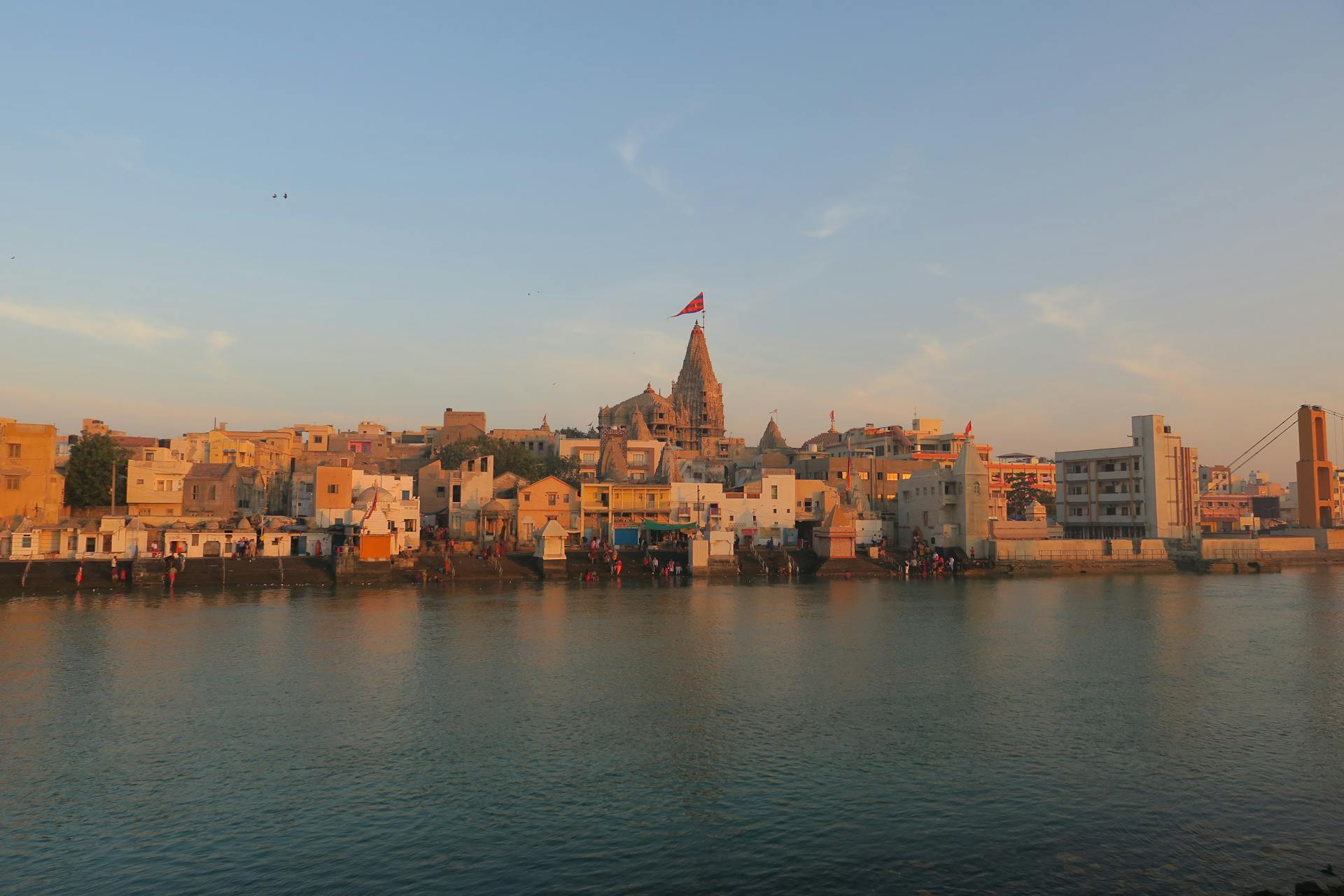
Bharati Matha Temple
Bharati Matha Temple is a temple of the Hindu God Siva in Bhubaneswar, Orissa, India, The temple is a Hindu monastery with three stories which was…
Read Full Guide
Akhadachandi Temple
Anshuman temple is a 10th-century temple in Bhubaneswar in the state of Odisha, India. It is on the southwestern embankment of Bindusagar tank in…
Read Full Guide
Ananta Vasudeva Temple
Ananta Vasudeva Temple ("Temple of the Infinite Vāsudeva", Odia:ଅନନ୍ତ ବାସୁଦେବ ମନ୍ଦିର) is a Hindu temple dedicated to Krishna, an avatar of Vishnu…
Read Full Guide
Suka Temple
Suka Temple is an abandoned and unused temple in Bhubaneswar, the capital of Odisha, India. The temple is devoted to saptaratha and the presence of…
Read Full GuideChakreshvari Siva Temple
Chakresvara Shiva temple is a living Hindu temple built in 10-11 AD dedicated to Lord Shiva at Hatiasuni lane, Rajarani Colony, Bhubaneswar of…
Read Full GuideShop Puja & Temple Accessories
Handpicked pooja items and temple accessories for your home mandir, delivered anywhere in India.
Dwarkadhish Photo Frame for Home Mandir
View details
Brass Panchmukhi Diya for Aarti
View details

Tulsi Mala 108 Beads with Japa Bag
View details

Brass Puja Bell Ghanti for Mandir
View details
Pure Brass Lord Krishna Idol
View details
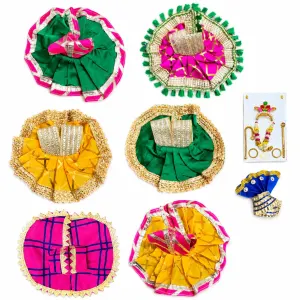
Laddu Gopal Poshak Dress Set with Mukut
View details

Original Shankh for Puja and Home Mandir
View details
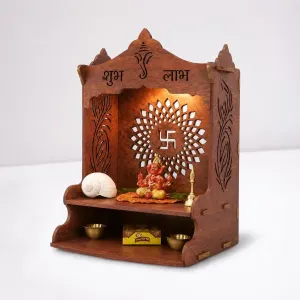
Wooden Home Mandir Temple for Pooja Room
View details