Tirunallar Saniswaran Temple, Karaikal: History, Timings & Visitor Guide
Dharbaranyeswarar Temple, more popularly known as Tirunallar Saniswaran Temple, is a Hindu temple dedicated to the deity Shiva, located in the Thirunallar village of the Karaikal district, in the Union territory of Puducherry, Southeastern India.

About Tirunallar Saniswaran Temple
Dharbaranyeswarar Temple, more popularly known as Tirunallar Saniswaran Temple, is a Hindu temple dedicated to the deity Shiva, located in the Thirunallar village of the Karaikal district, in the Union territory of Puducherry, Southeastern India.
The temple complex covers around 2 acres (0.81 ha) and entered through a five tiered gopuram, the main gateway. The temple has a number of shrines, with those of Shiva as Dharbaranyeswarar, his consort Praneswari Amman (Parvati), Shani (Saniswararan) and Somaskanda (a combined form of Shiva with Parvati and his son Murugan) being the most prominent. All the shrines of the temple are enclosed in large concentric rectangular granite walls. The present masonry structure was built during the Chola dynasty in the 9th century, while later expansions are attributed to Vijayanagar rulers. The temple is maintained and administered by the Department of Hindu Religious Institutions by the Government of Puducherry.
The temple has six daily rituals at various times from 6:00 a.m. to 9:00 p.m., and four yearly festivals on its calendar. Mahasivarathri festival celebrated during the month of the Chittirai (March - April) is the most prominent festival of the temple for the presiding deity, while Sanipeyarchi festival that occurs every 2.5 years is the most prominent for Shani.
Tirunallar Saniswaran Temple: Key Facts
- TempleTirunallar Saniswaran Temple
- LocationKaraikal, Puducherry
- StatePuducherry
- Entry FeeFree (general darshan)
- Best Time to VisitOctober to February
- Nearest Railway StationPattakudi railway station, ~4 km
- Nearest AirportPuducherry (PNY), ~117 km
- GPS10.91670, 79.78330
Tirunallar Saniswaran Temple Timings 2026
Tirunallar Saniswaran Temple is open every day, usually from early morning to late evening with a break in the afternoon. Darshan and aarti timings change with the season and on festival days.
- MorningOpens early morning (around 5 to 6 AM)
- AfternoonShort break around midday at many temples
- EveningEvening aarti around sunset, closes by about 8 to 9 PM
Ask the temple office on arrival for the day's aarti schedule.
Dress Code & Temple Rules
- DressModest, traditional clothes covering shoulders and knees
- FootwearRemove before entering; use the shoe stand
- PhotographyNot allowed inside the sanctum
- Not AllowedLeather items, tobacco, alcohol, non-veg food
- QueueFollow queue lines and staff instructions on festival days
How to Reach Tirunallar Saniswaran Temple
- LocationKaraikal, Puducherry
- By AirPuducherry (PNY), about 117 km
- By AirTiruchirappalli (TRZ), about 119 km
- By TrainPattakudi railway station, about 4 km
- Major StationViluppuram Junction railway station, about 118 km
- By RoadTaxis, autos and state buses from the railway station and nearby cities
Distance from Nearby Cities
| From | Road Distance (approx.) | Travel Time (approx.) |
|---|---|---|
| Puducherry | 152 km | 3 hr |
| Tiruchirappalli | 154 km | 3 hr |
| Salem | 274 km | 6 hr |
| Madurai | 287 km | 6 hr |
| Chennai | 305 km | 7 hr |
Best Time to Visit
October to February. The weather is cooler and drier. April–May is very hot, and the monsoon brings heavy rain to the coast. Weekday mornings are the least crowded; expect long queues on weekends, holidays and festivals.
History of Tirunallar Saniswaran Temple
The Thyagarajar Temple at Tiruvarur is famous for the ajapa thanam (dance without chanting), that is executed by the deity itself. According to legend, a Chola king named Mucukunta obtained a boon from the god Indra and wished to receive an image of Thyagaraja (presiding deity Shiva in the temple) reposing on the chest of reclining Vishnu. Indra tried to misguide the king and had six other images made, but the king chose the right image at Tiruvarur. The other six images were installed in Thirunallar, Nagapattinam, Tirukarayil, Tirukolili, Thirukkuvalai and Tirumaraikadu. All the seven places are villages situated in the river Cauvery delta. All seven Thyagaraja images are said to dance when taken in procession(it is the bearers of the processional deity who actually dance). The temples with dance styles are regarded as Saptha Vidangam (seven dance moves) and the related temples are as under:
Legend & Significance
As per Hindu legend, the ruler of the region asked a shepherd to provide milk to the temple daily. The shepherd was a staunch devotee of Shiva and happily provided milk for ablution of the presiding deity. The government's headman, who lived close to the temple, coerced the shepherd to give the milk to him, instead of the temple, without the knowledge of the king. Once, the temple priest informed the king that the temple was not receiving the milk from the shepherd. The king asked the shepherd the reason for disobeying his order. Out of fear of the headman, the shepherd remained silent, which angered the king. He ordered the shepherd to be killed. The shepherd prayed to Shiva to relieve him of the punishment. Shiva stopped the punishment with his trident. Following the legend, the altar (bali pitham) of the temple is slightly away from the axis of the flagstaff and the central shrine.
As per another legend, Nala was ruling this region, full of tropical grass locally called Darba after which the place came to be known as Darbaranyam ("forest of Darba"). Every person is afflicted by the movement of planet Saturn, which is believed to create negative effects on the lives of people. Nala was also afflicted by the planetary movement of Saturn on a day when he skipped standard practices of cleanliness. He is believed to have resided in the temple to get himself off the curses of Shani, the planet Saturn. He prayed to Shiva and wanted him to protect all the devotees afflicted with Shani to be protected when they visit the temple. Following the legend, people afflicted take a holy dip with oil in Nala theertham, the temple tank and wear black dress.
Architecture of Tirunallar Saniswaran Temple
The temple is located in Thirunallar, a village located 5 km (3.1 mi) away from Karaikkal in the Union territory of Puducherry and 95 km (59 mi) from Thanjavur. The temple has a rectangular plan with a five-tiered rajagopuram, the gateway tower and all the shrines are enclosed in granite walls. The presiding deity is Dharbaranyeswarar (Shiva) and is believed to have been made of darba grass. The central shrine is located in an elevated platform axial to the main entrance. The sanctum houses the image of Dharbaranyeswarar in the form of lingam (aniconic form of Shiva). The southern shrine parallel to the shrine of sanctum houses the image of Somaskanda. The niches around the sanctum houses the images of Dakshinamurthy, Durga and Lingodbhava. The shrine of Shani (the god of the planet Saturn) is located in the northern side of the entrance tower. Shani is treated as the door keeper of the shrine. According to Hinduism, Saturn resides in each rasi (zodiac) for two and half years. The tradition is to worship Shani before entering the inner sanctum of Shiva. The temple is maintained and administered by the Department of Hindu Religious Institutions by the Government of Puducherry.
Festivals & Rituals at Tirunallar Saniswaran Temple
The temple priests perform the pooja (rituals) during festivals and on a daily basis. Like other Shiva temples of Tamil Nadu, the priests belong to the Shaivaite community. The temple rituals are performed six times a day; Ushatkalam at 5:30 a.m., Kalashanti at 8:00 a.m., Uchikalam at 12:00 p.m., Sayarakshai at 6:00 p.m., Irandamkalam at 8:00 p.m. and Arddha Jamam at 9:00 p.m. Each ritual comprises four steps: abhishekam (sacred bath), alankaram (decoration), naivedyam (food offering) and deepa aradhanai (waving of lamps) for both Dharbaranyeswarar and Praneswari Amman. The worship is held amidst music with nagaswaram (pipe instrument) and tavil (percussion instrument), religious instructions in the Vedas read by priests and prostration by worshippers in front of the temple mast. There are weekly rituals like somavaram and sukravaram, fortnightly rituals like pradosham and monthly festivals like amavasai (new moon day), kruttika, purnima (full moon day) and chaturthi.
Frequently Asked Questions
Temples Near Tirunallar Saniswaran Temple

Thyagaraja Temple, Tiruvarur
Thyagaraja Temple is a Shiva temple, located in the town of Thiruvarur in Tamil Nadu state, India. Shiva is worshiped in the form of a lingam as…
Read Full Guide
Thirukkavalampadi
Thirukkavalampadi also known as the Gopalakrishna Perumal Temple is a hindu temple located in Thirunangur in Sirkali taluk of Mayiladuthurai…
Read Full Guide
Mahalingeswarar Temple, Thiruvidaimarudur
Mahalingeswaraswamy Temple, Thiruvidaimarudur is a Hindu temple dedicated to the deity Shiva, located in Tiruvidaimaruthur, a village in the South…
Read Full Guide
Adi Kumbeswarar Temple
Adi Kumbeswarar Temple, Kumbakonam is a Hindu temple dedicated to Shiva, located in the town of Kumbakonam in Thanjavur District Tamil Nadu, India.…
Read Full Guide
Nageswaraswamy Temple, Kumbakonam
Nageswaraswamy Temple is a Hindu temple dedicated to Shiva located in Kumbakonam in Thanjavur district, Tamil Nadu, India. The presiding deity is…
Read Full Guide
Airavatesvara Temple
Airavatesvara Temple is a Hindu temple of Chola architecture located in Darasuram, a suburb of Kumbakonam, Thanjavur District in the South Indian…
Read Full GuideShop Puja & Temple Accessories
Handpicked pooja items and temple accessories for your home mandir, delivered anywhere in India.
Dwarkadhish Photo Frame for Home Mandir
View details
Brass Panchmukhi Diya for Aarti
View details
Tulsi Mala 108 Beads with Japa Bag
View details
Brass Puja Bell Ghanti for Mandir
View details
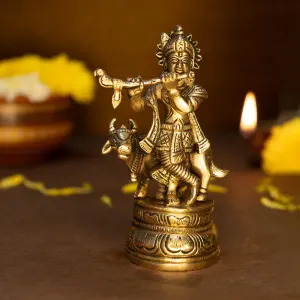
Pure Brass Lord Krishna Idol
View details
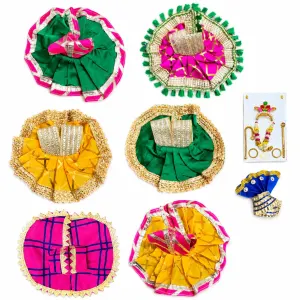
Laddu Gopal Poshak Dress Set with Mukut
View details
Original Shankh for Puja and Home Mandir
View details
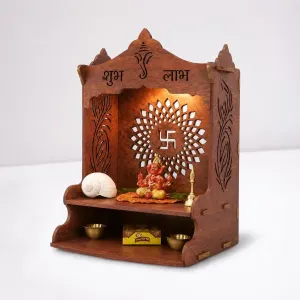
Wooden Home Mandir Temple for Pooja Room
View details