Karni Mata Temple, Bikaner: History, Timings & Visitor Guide
Karni Mata Temple of Deshnoke (Hindi: करणी माता मंदिर), also known as Madh Deshnoke, is a prominent Hindu temple dedicated to Karni Mata at the town of Deshnoke, located 30 km south of Bikaner, in…

About Karni Mata Temple
Karni Mata Temple of Deshnoke (Hindi: करणी माता मंदिर), also known as Madh Deshnoke, is a prominent Hindu temple dedicated to Karni Mata at the town of Deshnoke, located 30 km south of Bikaner, in Rajasthan. It has become the most important pilgrimage site for devotees of Charani sagatis after access to Hinglaj was restricted following the partition of India. The temple is also a popular destination for tourists and pilgrims and is renowned, both in India and internationally, as the "Temple of Rats" due to the numerous rodents known as kābā which are considered holy and treated with utmost care by devotees. This is sometimes upheld as exemplary of an "environmentally conscious Hindu ethos". The temple draws visitors from across the country for blessings, as well as curious tourists from around the world.
The temple was originally constituted around 1530, after the mahaprayan of Karni Mata. It initially began with the inner sanctum covered by the dome and grew in size with constructions being added by the devotees through the following centuries.
Karni Mata Temple: Key Facts
- TempleKarni Mata Temple
- LocationBikaner, Rajasthan
- StateRajasthan
- Main DeityKarni Mata
- Entry FeeFree (general darshan)
- Best Time to VisitOctober to March
- Nearest Railway StationDeshnok railway station, ~1 km
- Nearest AirportBikaner (BKB), ~34 km
- GPS27.79056, 73.34083
Karni Mata Temple Timings 2026
Karni Mata Temple is open every day, usually from early morning to late evening with a break in the afternoon. Darshan and aarti timings change with the season and on festival days.
- MorningOpens early morning (around 5 to 6 AM)
- AfternoonShort break around midday at many temples
- EveningEvening aarti around sunset, closes by about 8 to 9 PM
Ask the temple office on arrival for the day's aarti schedule.
Dress Code & Temple Rules
- DressModest, traditional clothes covering shoulders and knees
- FootwearRemove before entering; use the shoe stand
- PhotographyNot allowed inside the sanctum
- Not AllowedLeather items, tobacco, alcohol, non-veg food
- QueueFollow queue lines and staff instructions on festival days
How to Reach Karni Mata Temple
- LocationBikaner, Rajasthan
- By AirBikaner (BKB), about 34 km
- By AirJodhpur (JDH), about 174 km
- By TrainDeshnok railway station, about 1 km
- Major StationBikaner Junction railway station, about 25 km
- By RoadTaxis, autos and state buses from the railway station and nearby cities
Distance from Nearby Cities
| From | Road Distance (approx.) | Travel Time (approx.) |
|---|---|---|
| Bikaner | 44 km | 1 hr |
| Jodhpur | 226 km | 5 hr |
| Jaipur | 347 km | 8 hr |
| Udaipur | 464 km | 10 hr |
| Delhi | 492 km | 11 hr |
Best Time to Visit
October to March. Winter is pleasant for darshan and sightseeing. May–June can be very hot and July–September brings monsoon rain. Weekday mornings are the least crowded; expect long queues on weekends, holidays and festivals.
History of Karni Mata Temple
In the temple complex reside approximately 20,000 kābā who are cared for by the temple's staff and workers who consider them as kin. The kābā reside and move in spaces throughout the inner temple complex, including within the main temple, the kitchen, near the massive iron pots used to make halwa, in the various side rooms, and on the rooftop. In each space, there are different food items available to the kābā.
Those nearest to the murti of Karni Mata feed on the various forms of prasad offered to the goddess such as laddu, nuts, coconut, and sugar crystals as well as milk, roti, grains, fruits, vegetables, and even liquor. For the kābā on the rooftop and near the iron pots, their diet consists mainly of grains, fruits, vegetables, roti, and water. The kābā of Deshnoke temple have access to a rich variety of resources and are provided protection from predators (cats, etc.) by their human Charan kinsmen.
It is observed that kābā have become habituated to human interaction and touch; they scurry across and lie in the devotees' laps or perch on their shoulders while they are sitting in the temple. They eat from the hands of visitors and from the same thali (plate) as the Charan workers in the kitchen.
Legend & Significance
Karni Mata was an embodiment of Shakti and remained celibate; she married her younger sister to her husband, Depaji, for the continuation of his line. With her, Depaji had four sons, the youngest of whom was Lakshman. Karniji cared for them as her own children.
One day, Lakshman drowned in Kapil Sarovar in nearby Kolayat while bathing. Her younger sister pleaded to Karni Mata to bring Lakshman back to life. Thus, Karni Mata lifted the boy's body with her hands and brought it to where the murti (inner sanctum) is now, closed the doors, and said not to open them. She went to the god of death, Yamraj, and demanded for Lakshman to be returned to life. The god of death queried, "if so, how will the cycle of rebirth work? By what law will it move?" Karni Mata thus declared that her family will not come to Yamraj anymore. "Wherever I live, they will live. When they die, they will stay with me."
Architecture of Karni Mata Temple
The building was completed in its current form in the early 20th century in the Rajput style by Maharaja Ganga Singh of Bikaner.
In front of the temple is a beautiful marble facade, which has solid silver doors built by Maharaja Ganga Singh. Across the doorway are more silver doors with panels depicting the various legends of the Goddess. The image of the Goddess is enshrined in the inner sanctum.
Festivals & Rituals at Karni Mata Temple
The temple is opened to the public early in the morning at 04:00. The priests perform Mangla-Aarti and offer bhog (special food) in worship. Devotees make offerings to the rats, which roam about the temple in large numbers and are considered auspicious. Offerings include cheese and sweets. There are also bowls of milk around the temple for the rats to enjoy. There are two kinds of offerings made: the 'dwar bhent' is attributed to the priests and the workers, while the 'kalash bhent' is utilised for the temple maintenance and development.
Many worshipers believe the rats' saliva has healing properties and will share food and milk with the rats.
Frequently Asked Questions
Temples Near Karni Mata Temple

Khatushyam
Khatu Shyam Ji Temple is a Hindu temple located in KhatuShyamJi town in the Sikar district of Rajasthan. It is a pilgrimage site dedicated to the…
Read Full Guide
Om Banna
Om Singh Rathore (also called Shri Om Banna and Bullet Baba) is a folk deity, whose shrine and temple called Om Banna Dham is located in Pali…
Read Full Guide
Jagdish Temple
Jagdish Temple is a large Hindu temple in the middle of Udaipur in Rajasthan, just outside the royal palace. It has been in continuous worship since…
Read Full Guide
Birla Mandir
Birla Mandir (Lakshmi Narayan Temple) is a Hindu temple located in Jaipur, India, and is one of many Birla mandirs. It was built by the B.M.
Read Full Guide
Govind Dev Ji Temple
The Govind Dev Ji Temple is a significant Hindu temple dedicated to Radha and Krishna, located within the City Palace complex, in Jaipur, Rajasthan…
Read Full Guide
Sahastra Bahu Temples
The Sahasra Bahu temples or Sasbahu Temples, at Nagda, Rajasthan, are a pair of late 10th-century Hindu temples dedicated to Virabhadra. They share…
Read Full GuideShop Puja & Temple Accessories
Handpicked pooja items and temple accessories for your home mandir, delivered anywhere in India.
Dwarkadhish Photo Frame for Home Mandir
View details
Brass Panchmukhi Diya for Aarti
View details
Tulsi Mala 108 Beads with Japa Bag
View details
Brass Puja Bell Ghanti for Mandir
View details
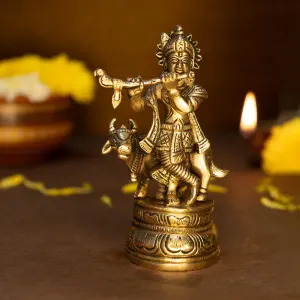
Pure Brass Lord Krishna Idol
View details
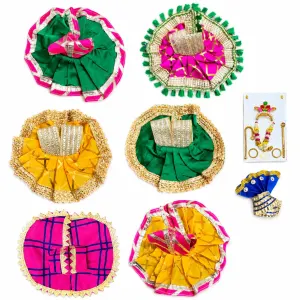
Laddu Gopal Poshak Dress Set with Mukut
View details
Original Shankh for Puja and Home Mandir
View details
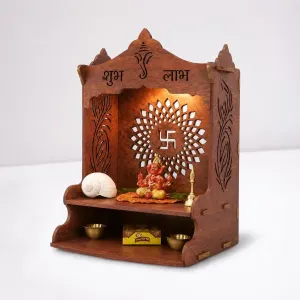
Wooden Home Mandir Temple for Pooja Room
View details