Gangaikonda Cholapuram Temple, Ariyalur: History, Timings & Visitor Guide
The Brihadisvara Temple is a Hindu temple dedicated to Shiva in Gangaikonda Cholapuram, Jayankondam, in the South Indian state of Tamil…

About Gangaikonda Cholapuram Temple
The Brihadisvara Temple is a Hindu temple dedicated to Shiva in Gangaikonda Cholapuram, Jayankondam, in the South Indian state of Tamil Nadu. Completed in 1035 CE by Rajendra Chola I as a part of his new capital, this Chola dynasty era temple is similar in design, and has a similar name, as the older 11th century, Brihadeeswarar Temple about 70 kilometres (43 mi) to the southwest in Thanjavur. The Gangaikonda Cholapuram Temple is smaller yet more refined than the Thanjavur Temple. Both are among the largest Shiva temples in South India and examples of Dravidian style temples. The temple is also referred to in texts as Gangaikonda Cholapuram Temple or Gangaikondacholeeswaram Temple
The main temple dedicated to Shiva is based on a square plan, but it displays other Hindu deities such as Vishnu, Durga, Surya, Harihara, Ardhanarishvara, and others. It opens to the sunrise and its sanctum, as well as the mandapas, are aligned on an east–west axis. In addition to the main shrine, the temple complex has a number of smaller shrines, gopura, and other monuments, with some partially ruined or restored in later centuries. The temple is famed for its bronze sculptures, artwork on its walls, the depiction of Nandi and the scale of its tower. As well as its notability for having been built by Rajendra I, the temple is also noteworthy for its numerous inscriptions, although none of them are his.
Except for this temple, the old city of Gangaikonda Cholapuram – the capital of a powerful Asian empire from around 900 to 1215 or over three centuries along with its other major Chola-era Hindu temples have been completely destroyed, leaving a desolate place. The Gangaikonda Cholapuram temple remains an active temple. Four daily rituals, and many yearly festivals are held there, of which the Shivarathri during the Tamil month of Masi (February–March), Aipassi Pournami during Aipassi (October– November) and Thiruvadirai during Margazhi (December–January) are the most prominent. It is one of the most visited tourist attractions in Tamil Nadu. The Archaeological Survey of India (ASI) administers the temple as a protected heritage monument. UNESCO declared it a World Heritage Site in 2004, along with the Brihadeeswarar Temple at Thanjavur and Airavatesvara temple at Darasuram. These are referred to collectively as the Great Living Chola Temples.
Gangaikonda Cholapuram Temple: Key Facts
- TempleGangaikonda Cholapuram Temple
- LocationAriyalur, Tamil Nadu
- StateTamil Nadu
- Entry FeeFree (general darshan)
- Best Time to VisitOctober to February
- Nearest Railway StationKutralam railway station, ~19 km
- Nearest AirportPuducherry (PNY), ~93 km
- GPS11.20631, 79.44845
Gangaikonda Cholapuram Temple Timings 2026
Gangaikonda Cholapuram Temple is open every day, usually from early morning to late evening with a break in the afternoon. Darshan and aarti timings change with the season and on festival days.
- MorningOpens early morning (around 5 to 6 AM)
- AfternoonShort break around midday at many temples
- EveningEvening aarti around sunset, closes by about 8 to 9 PM
Ask the temple office on arrival for the day's aarti schedule.
Dress Code & Temple Rules
- DressModest, traditional clothes covering shoulders and knees
- FootwearRemove before entering; use the shoe stand
- PhotographyNot allowed inside the sanctum
- Not AllowedLeather items, tobacco, alcohol, non-veg food
- QueueFollow queue lines and staff instructions on festival days
How to Reach Gangaikonda Cholapuram Temple
- LocationAriyalur, Tamil Nadu
- By AirPuducherry (PNY), about 93 km
- By AirTiruchirappalli (TRZ), about 94 km
- By TrainKutralam railway station, about 19 km
- Major StationViluppuram Junction railway station, about 82 km
- By RoadTaxis, autos and state buses from the railway station and nearby cities
Distance from Nearby Cities
| From | Road Distance (approx.) | Travel Time (approx.) |
|---|---|---|
| Puducherry | 122 km | 3 hr |
| Tiruchirappalli | 123 km | 3 hr |
| Salem | 213 km | 5 hr |
| Madurai | 277 km | 6 hr |
| Chennai | 277 km | 6 hr |
Best Time to Visit
October to February. The weather is cooler and drier. April–May is very hot, and the monsoon brings heavy rain to the coast. Weekday mornings are the least crowded; expect long queues on weekends, holidays and festivals.
History of Gangaikonda Cholapuram Temple
The temple was constructed in 1035 CE by Rajendra Chola I (1012–44 CE), the son of the famous Chola king Raja Raja Chola I, who built the Brihadeeswarar Temple at Thanjavur. Some experts believe that the temple was built during 1020, during the 6th regnal year, but inscriptions indicate the 20th regnal year, which is 1035 CE. Rajendra wanted to emulate the temple built by his father after his victory in a campaign across India that Chola era texts state covered Karnataka, Andhra Pradesh, Odisha, and Bengal. After his victory, he demanded that the defeated kingdoms send pots of Ganges River water and pour them into the temple's well. The well was originally called Cholagangam as it was filled with water from Ganges.
Rajendra I, as is Tamil tradition, then assumed the name Gangaikonda Cholan, meaning the one who conquered the Ganges. He established Gangaikonda Cholapuram as his capital from the earlier Chola capital of Thanjavur. Gangaikonda Cholapuram remained the Chola capital for the next 250 years. Rajendra I built the entire capital with several temples using plans and infrastructure recommended in Tamil Vastu and Agama Sastra texts. These included a Dharma Sasta, Vishnu and other temples. However, these structures were destroyed in the late 13th and 14th centuries except this temple. The other Chola landmarks, clearly shown by soil covered mounds and excavated broken pillar stumps and brick walls, are found over a large area nearby. The earliest inscription that mentions this city by name is dated 1029, while the earliest reference to Rajendra I's expedition towards the Ganges river in the north is dated 1023. The first gift to the newly built Gangaikonda Cholapuram temple is dated 1035.
Rajendra I, states Dehejia, must have involved the same craftsmen used by his father and transferred them from Thanjavur. Most or all of the Chola kings from Rajendra I had their coronation at Gangaikonda Cholapuram. Archaeological excavations have revealed fort walls and palace remains a few kilometers from this temple. It is believed that Kulothunga Chola I, Rajendra's successor, built fortifications around the city.
Architecture of Gangaikonda Cholapuram Temple
Gangaikonda Cholapuram Temple is built in Dravidian architecture with a square plan. The original courtyard is two squares stacked next to each other, all mandapas, the upapitham, the shrine plans, the garbha griha (sanctum) and the tower elements are all square shaped and incorporate circles and principles of geometric symmetry. The structural elements resemble the big Brihadisvara Temple in Thanjavur. Both include a courtyard entered through multiple gateways and relatively small gopuram (tower). Inside are shrines, most of which are aligned on an east–west axis; a few are perpendicular. The temple complex includes Nandi Mandapa, Alankar Mandapa, Maha Mandapa, Mukha Mandapa and Ardha Mandapa. Some of these were added and restored by Hindu kingdoms after the 14th century or by British India art conservation officials in the 19th century.
The visible upapitham measures 103.63 m (340.0 ft) long by 30.48 m (100.0 ft) with an east–west axis, but part of it is likely missing with the surviving foundation covered by soil and with a restored surface for tourism. On the visible part, states Balasubrahmanyam, the garbha griha (sanctum) is 30.48 m (100.0 ft) long, the maha mandapa (great hall) is 53.34 m (175.0 ft) long, and the ardha mandapa (partial hall) is 19.81 m (65.0 ft). The square-shaped ardha mandapa connects the sanctum and the great hall. The temple is one of the earliest ones to have pillared halls, which became a common feature in subsequent temples.
Festivals & Rituals at Gangaikonda Cholapuram Temple
Though it is administered by the ASI as a monument, worship practises are followed similar to those at other Shiva temples in Tamil Nadu. The temple follows Saivite tradition and the temple priests perform the pooja (rituals) during festivals and daily basis. The temple rituals are performed four times a day: Kalasanthi at 8:30 a.m., Uchikalam at 12:30 p.m., Sayarakshai at 6:00 p.m., and Arthajamam between 7:30 –8:00 p.m. Each ritual has three steps: alangaram (decoration), neivethanam (food offering) and deepa aradanai (waving of lamps) for both Brihadeeswarar and Periya Nayagi. There are weekly, monthly and fortnightly rituals performed in the temple. The temple is open from 6:00 a.m.–12:30 p.m. and 4:00 p.m.–9:00 p.m. every day. The temple has many festivals in its calendar, with the Shivarathri during the Tamil month of Masi (February–March), Aipassi Pournami during Aipassi (October–November) and Thiruvadirai during Margazhi (December–January) being the most prominent. Annabhishekam, the ablution of the presiding deity with cooked rice is performed during Aipasi festival.
Frequently Asked Questions
Temples Near Gangaikonda Cholapuram Temple

Mahalingeswarar Temple, Thiruvidaimarudur
Mahalingeswaraswamy Temple, Thiruvidaimarudur is a Hindu temple dedicated to the deity Shiva, located in Tiruvidaimaruthur, a village in the South…
Read Full Guide
Nageswaraswamy Temple, Kumbakonam
Nageswaraswamy Temple is a Hindu temple dedicated to Shiva located in Kumbakonam in Thanjavur district, Tamil Nadu, India. The presiding deity is…
Read Full Guide
Thenkurangaduthurai Temple
Abathsahayeswarar Temple, Aduthurai (also calledTen Kurangaadutrai Temple, Aduthurai) is a Hindu temple dedicated to Shiva located in the village of…
Read Full Guide
Adi Kumbeswarar Temple
Adi Kumbeswarar Temple, Kumbakonam is a Hindu temple dedicated to Shiva, located in the town of Kumbakonam in Thanjavur District Tamil Nadu, India.…
Read Full Guide
Airavatesvara Temple
Airavatesvara Temple is a Hindu temple of Chola architecture located in Darasuram, a suburb of Kumbakonam, Thanjavur District in the South Indian…
Read Full Guide
Swamimalai Murugan Temple
Swaminatha Swamy Temple is a Hindu temple dedicated to god Murugan. It is located on the banks of a tributary of river Kaveri in Swamimalai near…
Read Full GuideShop Puja & Temple Accessories
Handpicked pooja items and temple accessories for your home mandir, delivered anywhere in India.
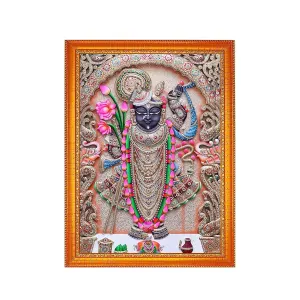
Dwarkadhish Photo Frame for Home Mandir
View details
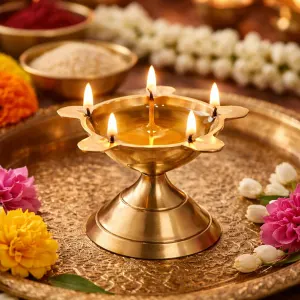
Brass Panchmukhi Diya for Aarti
View details
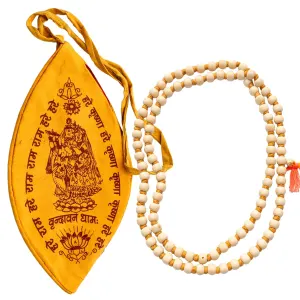
Tulsi Mala 108 Beads with Japa Bag
View details

Brass Puja Bell Ghanti for Mandir
View details
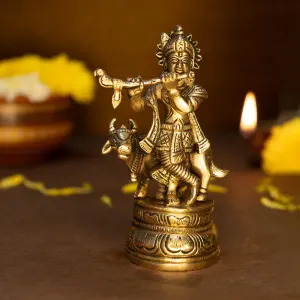
Pure Brass Lord Krishna Idol
View details

Laddu Gopal Poshak Dress Set with Mukut
View details
Original Shankh for Puja and Home Mandir
View details
Wooden Home Mandir Temple for Pooja Room
View details