Kailasanathar Temple, Kanchipuram: History, Timings & Visitor Guide
The Kailasanathar Temple, Kanchipuram, also referred to as the Kailasanatha temple, is a Pallava-era historic Hindu temple in Kanchipuram, Tamil Nadu, India. Dedicated to Shiva, it is one of the oldest surviving monuments in Kanchipuram.

About Kailasanathar Temple, Kanchipuram
The Kailasanathar Temple, Kanchipuram, also referred to as the Kailasanatha temple, is a Pallava-era historic Hindu temple in Kanchipuram, Tamil Nadu, India. Dedicated to Shiva, it is one of the oldest surviving monuments in Kanchipuram. It reflects a Dravidian architecture and was built around 700 CE by Narasimhavarman II with additions by Mahendravarman III. A square-plan temple, it has a mukha-mandapa (entrance hall), a maha-mandapa (gathering hall) and a primary garbha-griya (sanctum) topped with a four-storey vimana. The main sanctum is surrounded by nine shrines, seven outside and two inside flanking the entrance of the sanctum, all with forms of Shiva. The outer walls of the temple's prakara (courtyard) is also surrounded by cells.
The Kailasanathar temple is notable for its intricately carved galaxy of Hindu art in the late 7th- and early 8th-century Tamil tradition. These largely relate to Shaivism, yet also include significant number of themes from Vaishnavism, Shaktism and Vedic deities. The temple is also notable for one of the early and best specimens of Hindu mural art in Tamil Nadu. This is found in the inner walls of the courtyard cells. The murals are in a style that is also found in the Ajanta Caves, as well as in the historic paintings in the 8th-century Vaikunthaperumal temple, also in Kanchipuram. The temple walls have many inscriptions in early scripts, important to the epigraphical study of regional history and Tamil temple traditions.
The structure contains 58 small shrines which are dedicated to various forms of Shiva. These are built into niches on the inner face of the high compound wall of the circumambulatory passage. The temple is one of the most prominent tourist attractions of the city.
Kailasanathar Temple, Kanchipuram: Key Facts
- TempleKailasanathar Temple, Kanchipuram
- LocationTamil Nadu
- StateTamil Nadu
- Entry FeeFree (general darshan)
- Best Time to VisitOctober to February
- Nearest Railway StationKanchipuram railway station, ~2 km
- Nearest AirportChennai (MAA), ~54 km
- GPS12.84231, 79.68968
Kailasanathar Temple, Kanchipuram Timings 2026
Kailasanathar Temple, Kanchipuram is open every day, usually from early morning to late evening with a break in the afternoon. Darshan and aarti timings change with the season and on festival days.
- MorningOpens early morning (around 5 to 6 AM)
- AfternoonShort break around midday at many temples
- EveningEvening aarti around sunset, closes by about 8 to 9 PM
Ask the temple office on arrival for the day's aarti schedule.
Dress Code & Temple Rules
- DressModest, traditional clothes covering shoulders and knees
- FootwearRemove before entering; use the shoe stand
- PhotographyNot allowed inside the sanctum
- Not AllowedLeather items, tobacco, alcohol, non-veg food
- QueueFollow queue lines and staff instructions on festival days
How to Reach Kailasanathar Temple, Kanchipuram
- LocationTamil Nadu
- By AirChennai (MAA), about 54 km
- By AirTirupati (TIR), about 89 km
- By TrainKanchipuram railway station, about 2 km
- Major StationTambaram railway station, about 47 km
- By RoadTaxis, autos and state buses from the railway station and nearby cities
Distance from Nearby Cities
| From | Road Distance (approx.) | Travel Time (approx.) |
|---|---|---|
| Chennai | 71 km | 2 hr |
| Tirupati | 116 km | 3 hr |
| Puducherry | 128 km | 3 hr |
| Salem | 276 km | 6 hr |
| Bengaluru | 284 km | 6 hr |
Best Time to Visit
October to February. The weather is cooler and drier. April–May is very hot, and the monsoon brings heavy rain to the coast. Weekday mornings are the least crowded; expect long queues on weekends, holidays and festivals.
History of Kailasanathar Temple, Kanchipuram
The Kailasanathar Temple (meaning: "Lord of Kailasa"), is built in the tradition of Smartha worship of Shiva, Vishnu, Devi, Surya (Sun), Ganesha and Kartikeya, in Hinduism.
Temple construction is credited to the Pallava dynasty, who had established their kingdom with Kanchipuram (also known as "Kanchi" or "Shiva Vishnu Kanchi") as the capital city, considered one of the seven sacred cities under Hinduism. In Kanchi, after the Pallavas expanded their territories to the north, west and south both within Tamil, Andhra and Kannada territories under Emperor Narasimhavarman I, they started expanding their capital city of Kanchipuram and built many temples of great magnificence. Among the two unique specimens of temple architecture of the period 640–730 CE are the Tiru Parameswara Vinnagaram, which is also known as the Vaikunta Perumal temple and the Kailasanathar Temple.
The temple was built around 700 CE with additions in the 8th century and restorations in later centuries. It is the first structural temple built in South India by Narasimhavarman II (Rajasimha), also known as Rajasimha Pallaveswaram. His son, Mahendravarman III, completed the front façade and the gopuram (tower). Prior temples were either built of wood or hewn into rock faces in caves or on boulders, as seen in Mahabalipuram. The Kailasanathar temple became the trend setter for other similar temples in South India. According to local belief, the temple was a safe sanctuary for the rulers of the kingdom during wars. A secret tunnel, built by the kings, was used as an escape route and is still visible. It is believed that Raja Raja Chola I (985–1014 CE) visited the temple and drew inspiration from this temple to build the Brihadeeswara Temple.
Architecture of Kailasanathar Temple, Kanchipuram
The temple has retained the Pallava architecture in its original stylized form with influence of the later styles developed by the Chola Dynasty and Vijayanagara Emperors. It is of stone built architecture unlike the rock cut architecture built into hallowed caves or carved into rock outcrops as in Mahabalipuram. The tall gopuram (tower) is to the left and the temple complex is to the right. The temple's foundations are made of granite, which could withstand the weight of the temple, while the superstructure, including the carvings, are all made of sandstone. Initially, only the main sanctuary existed with pyramidal vimana and a detached mandapa (main hall).
The temple complex is complete in all respects as it has garbagriha (sanctum sanctorum), antarala (inner enclosure), mandapa, a high compound wall, and an entrance gate, the gopuram. The mandapa, which was initially detached, was made part of the main shrine by interposing an ardhamantapa (smaller hall). The pillars of the mandapa have the repetitive features of mythical lion mounts.
Frequently Asked Questions
Temples Near Kailasanathar Temple, Kanchipuram

Kumarakottam Temple
The Kumara kottam Temple is a Hindu temple in Kānchipuram, Tamil Nādu, India. It is dedicated to Lord murugan, the Hindu war god and the son of the…
Read Full Guide
Ekambareswarar Temple
Ekambareswarar Temple (Kanchi Ekambaranathar Thirukkovil) is a Hindu temple dedicated to the god Shiva, located in the town of Kanchipuram in Tamil…
Read Full Guide
Kamakshi Amman Temple
The Kamakshi Amman Temple, also known as Kamakoti Nayaki Kovil, is a Hindu temple dedicated to the goddess Kamakshi, a primary aspect of Adi Shakti…
Read Full Guide
Ashtabujakaram
The Ashtabujakaram or Ashtabuja Perumal Temple located in Kanchipuram in the South Indian state of Tamil Nadu, is dedicated to the Hindu god…
Read Full Guide
Varadharaja Perumal Temple
Varadharaja Perumal Temple, also called Hastagiri, Attiyuran, Attigiri, Perarulalan Perumal temple, Kanchi koil, Thirukatchi, or Perumal koil is a…
Read Full Guide
Jalantheeswarar Temple
Jalanatheeswarar Temple (also called Thiruvooral) is a Hindu temple dedicated to the deity Shiva and located in Thakkolam, a village in Vellore…
Read Full GuideShop Puja & Temple Accessories
Handpicked pooja items and temple accessories for your home mandir, delivered anywhere in India.
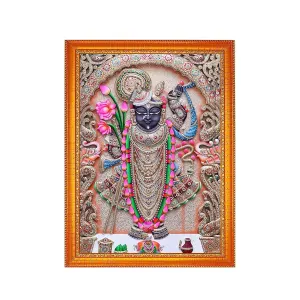
Dwarkadhish Photo Frame for Home Mandir
View details
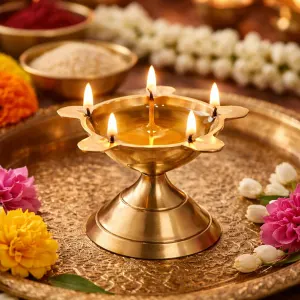
Brass Panchmukhi Diya for Aarti
View details
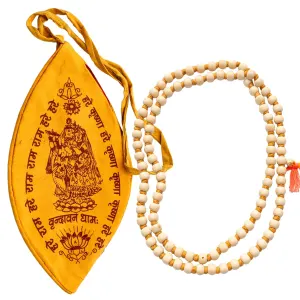
Tulsi Mala 108 Beads with Japa Bag
View details
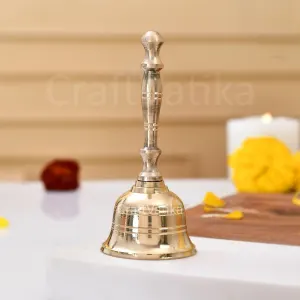
Brass Puja Bell Ghanti for Mandir
View details
Pure Brass Lord Krishna Idol
View details
Laddu Gopal Poshak Dress Set with Mukut
View details
Original Shankh for Puja and Home Mandir
View details
Wooden Home Mandir Temple for Pooja Room
View details