Marundeeswarar Temple: History, Timings & Visitor Guide
Marundeeswarar Temple is a temple dedicated to Hindu deity Shiva, located in Thiruvanmiyur, Chennai adjacent to the beach of Bay of…

About Marundeeswarar Temple
Marundeeswarar Temple is a temple dedicated to Hindu deity Shiva, located in Thiruvanmiyur, Chennai adjacent to the beach of Bay of Bengal. It is one of the 275 Paadal Petra Sthalams where two of the most revered Nayanars (Saivite Saints), Appar and Tirugnana Sambandar, have glorified the temple with their verses during the 7th century CE. The temple has been widely expanded by Chola kings during the 11th century CE. The temple has two seven-tiered gateway towers, a huge tank, with the overall temple area covering 1 acre. The Marundeeswarar temple has been a place of curative worship for people with diseases.
The temple has six daily rituals at various times from 5:30 a.m. to 10 p.m., and twelve yearly festivals on its calendar. The present masonry structure was built during the Chola dynasty in the 9th century, while later expansions are attributed to Vijayanagar rulers. The temple is maintained and administered by the Hindu Religious and Charitable Endowments Department of the Government of Tamil Nadu. The latest consecration of the temple after renovation was performed during February 2020. The previous one was in May 2008.
Marundeeswarar Temple: Key Facts
- TempleMarundeeswarar Temple
- LocationTamil Nadu
- StateTamil Nadu
- Entry FeeFree (general darshan)
- Best Time to VisitOctober to February
- Nearest Railway StationThiruvanmiyur railway station, ~1 km
- Nearest AirportChennai (MAA), ~10 km
- GPS12.98556, 80.26139
Marundeeswarar Temple Timings 2026
Marundeeswarar Temple is open every day, usually from early morning to late evening with a break in the afternoon. Darshan and aarti timings change with the season and on festival days.
- MorningOpens early morning (around 5 to 6 AM)
- AfternoonShort break around midday at many temples
- EveningEvening aarti around sunset, closes by about 8 to 9 PM
Ask the temple office on arrival for the day's aarti schedule.
Dress Code & Temple Rules
- DressModest, traditional clothes covering shoulders and knees
- FootwearRemove before entering; use the shoe stand
- PhotographyNot allowed inside the sanctum
- Not AllowedLeather items, tobacco, alcohol, non-veg food
- QueueFollow queue lines and staff instructions on festival days
How to Reach Marundeeswarar Temple
- LocationTamil Nadu
- By AirChennai (MAA), about 10 km
- By AirTirupati (TIR), about 106 km
- By TrainThiruvanmiyur railway station, about 1 km
- Major StationGuindy railway station, about 6 km
- By RoadTaxis, autos and state buses from the railway station and nearby cities
Distance from Nearby Cities
| From | Road Distance (approx.) | Travel Time (approx.) |
|---|---|---|
| Chennai | 13 km | 1 hr |
| Tirupati | 138 km | 3 hr |
| Puducherry | 160 km | 4 hr |
| Salem | 356 km | 8 hr |
| Bengaluru | 361 km | 8 hr |
Best Time to Visit
October to February. The weather is cooler and drier. April–May is very hot, and the monsoon brings heavy rain to the coast. Weekday mornings are the least crowded; expect long queues on weekends, holidays and festivals.
History of Marundeeswarar Temple
The road starting from Marundeeswarar temple, now called ECR was an important route during the Chola period and was known as Vadagaperuvazhi, connecting the kingdom to places in Thanjavur and Andhra Pradesh. Inscriptions can be found in the shrine of Tripurasundari Amman dating back to the 11th century during the period of Rajendra Chola. The origins and antiquity of this temple is corroborated by the inscriptions found in other temples in the city namely Kapaleeswarar Temple, Virupaksheeswarar Temple and Thiruvidandai which bear testimony to Tiruvanmiyur's existence. A new life has been put into this ancient worshipping place, first in the year 1903 and then in the 1970s. This temple along with the Kapaleeswarar Temple and the Thiruvottiyur Thyagarajaswamy Temple form the famous Trinity Sea Shore temples of Thondai Mandalam.
Legend & Significance
Marundeeswarar is known so because he imparted sage Agastya on curative properties of various herbs and plants. Since then the Marundeeswarar temple has been a place of worship for people with diseases and various problems with their health. It is said that sage Valmiki, who wrote Ramayana, worshiped Shiva in the temple. Since Valmiki was blessed here, the place was to be known as Thiruvalmikiyur, which is pronounced as 'Thiruvanmikiyur' in Tamil, the name gradually changed to Thiruvanmiyur. There is a place present in Thiruvanmiyur called Valmiki Nagar in his honour. There is also a shrine for the sage on the Western side of the temple on what is presently called the East Coast Road (ECR). The lingam for which Hanuman performed pooja, the lingam (Meenakshi Sundareswarar) that cured the curse of Indra, the Lingam for which Saint Bharadwaja performed pooja are present here. Markandeyar performed a penance and prayed to Shiva here, Brahma conducted a festival here for Shiva. The presiding deity is also called Palvannanathar as Kamadhenu, the sacred cow, is said to have performed oblation on the Sivalingam with her milk. As per another legend, Sun and Moon perform their worship practices daily during sunset on account of which the main shrine is believed to be facing west.
Architecture of Marundeeswarar Temple
The temple is believed to have partial feature of Pallava dynasty and partially with Chola art. The temple has two entrances, one from East Coast Road and the other from West Tank Street both adorned by 5-tiered gopuram (gateway tower). The Entrance from the West Tank Street has got three gates whereas the entrance from the East Coast Road has only one gate. The temple occupies an area of about 1 acre – numerous images adorn the pillars of the temple, while stucco figures adorn the gopurams. The mandapam (hall) housing the Somaskanda form of Shiva has 36 massive pillars adorned with carvings. Devasriyan mantapam inside the temple conducts Shaiva Sidhantha lectures every day between 7 pm and 8.30 pm.
The temple has smaller shrines for Ganesha, Murugan, there is a shine for 3 Ganeshas who control all three time periods, adjacent to this a vedagama padasalai is situated. The shiva linga is a swayambu (or a natural formation and not built like Kapaleeshwara temple at Mylapore). Hence pure cows milk alone is used for abhishekam. A Thirumurai mandapam has been set up in which Tirumurai are sung daily for the past 11 years. The shrine of Shiva, which has the idols of Shiva in his three forms, Tyagaraja, Marundeeswarar, and Nataraja. The last shrine is for Marundeeswarar's consort, Goddess Tripura Sundari, who is actually Goddess Parvati. The samadhi of Pamban Swamigal is also found near the shrine.
Frequently Asked Questions
Temples Near Marundeeswarar Temple

Kapaleeshwarar Temple
The Kapaleeshwarar Temple is a Hindu temple dedicated to the god Shiva. It is located in Mylapore, Chennai in the Indian state of Tamil Nadu.
Read Full Guide
Parthasarathy Temple
The Parthasarathy Temple is a 6th-century Hindu Vaishnavite temple dedicated to Vishnu in Chennai,…
Read Full Guide
ISKCON Temple Chennai
ISKCON Temple Chennai, also known as the Sri Sri Radha Krishna Mandir, is a Gaudiya Vaishnavism temple in Chennai, India. The temple is dedicated to…
Read Full Guide
Tiruvalidhayam Tiruvallesvarar Temple
Tiruvalithayam Tiruvallesvarar Temple is a temple dedicated to the Hindu deity Shiva, located at Padi, a north-western neighbourhood of Chennai,…
Read Full Guide
Thyagaraja Temple, Tiruvottiyur
Thyagaraja Temple (also called as Vadivudai Amman Temple) is a Hindu temple dedicated to Hindu god Shiva. It is located in Tiruvottiyur in the…
Read Full Guide
Bhaktavatsala Perumal Temple, Thirunindravur
Sri Bhaktavatsala Perumal temple is a Hindu temple, located at Thirunindravur, a western suburb of Chennai, India. It is dedicated to the Hindu…
Read Full GuideShop Puja & Temple Accessories
Handpicked pooja items and temple accessories for your home mandir, delivered anywhere in India.
Dwarkadhish Photo Frame for Home Mandir
View details
Brass Panchmukhi Diya for Aarti
View details
Tulsi Mala 108 Beads with Japa Bag
View details
Brass Puja Bell Ghanti for Mandir
View details
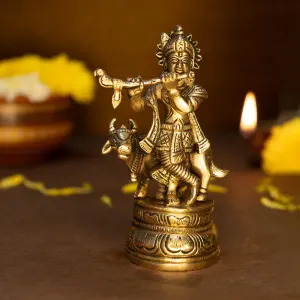
Pure Brass Lord Krishna Idol
View details
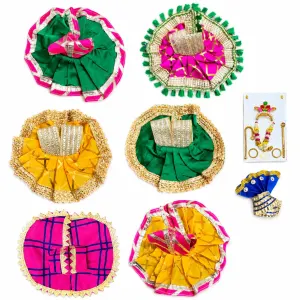
Laddu Gopal Poshak Dress Set with Mukut
View details
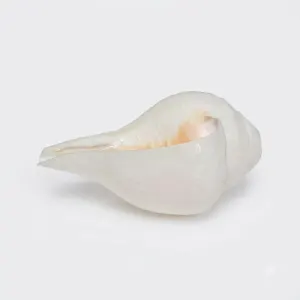
Original Shankh for Puja and Home Mandir
View details
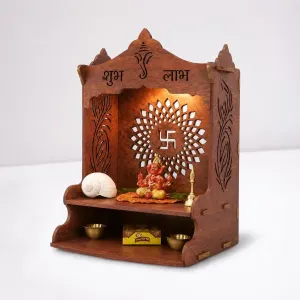
Wooden Home Mandir Temple for Pooja Room
View details