Krishna Janmasthan Temple Complex, Mathura: History, Timings & Visitor Guide
Krishna Janmasthan Temple is a Hindu temple situated in Mathura, Uttar Pradesh, India. There are three main temples inside the premises -- Keshavdev temple which is dedicated to Krishna, Garbh Griha where Krishna is believed to be born in Dvapar Yuga and Bhagvata Bhavan where presiding deities are Radha Krishna.

About Krishna Janmasthan Temple Complex
Krishna Janmasthan Temple is a Hindu temple situated in Mathura, Uttar Pradesh, India. There are three main temples inside the premises -- Keshavdev temple which is dedicated to Krishna, Garbh Griha where Krishna is believed to be born in Dvapar Yuga and Bhagvata Bhavan where presiding deities are Radha Krishna.
The place has held religious significance since at least the 6th century BCE with findings of religious artifacts in excavations. The temples were destroyed multiple times throughout history, most recently by the Mughal emperor Aurangzeb in 1670. He built the Shahi Eidgah mosque there, which still stands. In the 20th century, the new temple complex adjacent to mosque was built with the financial help from industrialists.
Krishna Janmasthan Temple Complex: Key Facts
- TempleKrishna Janmasthan Temple Complex
- LocationMathura, Uttar Pradesh
- StateUttar Pradesh
- Entry FeeFree (general darshan)
- Best Time to VisitOctober to March
- Nearest Railway StationBhuteshwar railway station, ~1 km
- Nearest AirportAgra (AGR), ~48 km
- GPS27.50475, 77.66975
Krishna Janmasthan Temple Complex Timings 2026
Krishna Janmasthan Temple Complex is open every day, usually from early morning to late evening with a break in the afternoon. Darshan and aarti timings change with the season and on festival days.
- MorningOpens early morning (around 5 to 6 AM)
- AfternoonShort break around midday at many temples
- EveningEvening aarti around sunset, closes by about 8 to 9 PM
Ask the temple office on arrival for the day's aarti schedule.
Dress Code & Temple Rules
- DressModest, traditional clothes covering shoulders and knees
- FootwearRemove before entering; use the shoe stand
- PhotographyNot allowed inside the sanctum
- Not AllowedLeather items, tobacco, alcohol, non-veg food
- QueueFollow queue lines and staff instructions on festival days
How to Reach Krishna Janmasthan Temple Complex
- LocationMathura, Uttar Pradesh
- By AirAgra (AGR), about 48 km
- By AirDelhi (DEL), about 130 km
- By TrainBhuteshwar railway station, about 1 km
- Major StationMathura Junction railway station, about 3 km
- By RoadTaxis, autos and state buses from the railway station and nearby cities
Distance from Nearby Cities
| From | Road Distance (approx.) | Travel Time (approx.) |
|---|---|---|
| Agra | 63 km | 1 hr |
| Delhi | 168 km | 4 hr |
| Gwalior | 189 km | 4 hr |
| Jaipur | 258 km | 6 hr |
| Pantnagar | 319 km | 7 hr |
Best Time to Visit
October to March. Winter is pleasant for darshan and sightseeing. May–June can be very hot and July–September brings monsoon rain. Weekday mornings are the least crowded; expect long queues on weekends, holidays and festivals.
History of Krishna Janmasthan Temple Complex
According to Hindu traditions, Krishna was born to Devaki and Vasudeva in a prison cell where they were confined by his maternal uncle Kamsa, a king of Mathura, due to prophecy of his death by the child of Devaki. According to tradition, a temple dedicated to Krishna was built the birthplace by his great-grandson Vajranabh. The present site known as Krishna Janmasthan (lit. 'birthplace of Krishna') was known as Katra (lit. 'market place') Keshavdeva. The archaeological excavations of the site had revealed pottery and terracotta from 6th century BCE. It also produced some Jain sculptures as well as a large Buddhist complex including Yasha Vihara. The Vaishnava temple may have erected on the place as early as the first century. A whole new magnificent temple complex was rebuilt at the place by Gupta Emperor Chandragupta II in 400CE. A late 8th century inscriptions also mentions donations to the site by the Rashtrakutas.
In 1017 or 1018, Mahmud of Ghazni attacked and plundered Mahaban. He ordered to burn all the temples and demolish them. He plundered gold and silver statues and carried away a load of hundred camels. A stone inscription in Sanskrit found from the site mentions that in Vikram Samvat 1207 (1150) a person named Jajja who may have been a vassal of Gahadavala king built a Vishnu temple which was 'brilliantly white and touching the clouds'.
Vaishnava saints Chaitanya Mahaprabhu and Vallabhacharya visited Mathura in early 16th century. Abdullah, in the reign of Mughal emperor Jehangir, mentions in Tarikh-i-Daudi the destruction of Mathura and its temples by Delhi Sultan Sikandar Lodi in 16th century. Lodi had prohibited Hindus from bathing in the river and shaving of heads on the banks as well. In the reign of Jehangir, in 1618, Raja Veer Singh Deva Bundela of Orchha had built a temple at the cost of thirty-three lakhs. A French traveller Tavernier visited Mathura in 1650 and had described the octagonal temple built in red sandstone. Italian traveller Niccolao Manucci who worked in Mughal court has also described the temple. Mughal prince Dara Shikoh had patronised the temple and donated a railing to the temple. The railing was removed by Mathura governor Abdun Nabi Khan on the order of Mughal emperor Aurangzeb and he built the Jama mosque on the ruins of the Hindu temples. During the Jat rebellion in Mathura, Abdul Nabi Khan was killed in 1669. Aurangzeb attacked Mathura and destroyed that Keshavdeva temple in 1670 and built the Shahi Eidgah in its place.
Frequently Asked Questions
Temples Near Krishna Janmasthan Temple Complex

Prem Mandir
Prem Mandir is a Hindu temple in Vrindavan, Mathura district, Western Uttar Pradesh, India. The temple was established by Kripalu Maharaj.
Read Full Guide
Vrindavan Chandrodaya Mandir
Vrindavan Chandrodaya Mandir is a Hindu temple in early stages of construction at Vrindavan, Mathura, India. As planned, it will be the tallest…
Read Full Guide
ISKCON Temple, Vrindavan
ISKCON Vrindavan, also called Sri Krishna Balaram Mandir, is one of the major ISKCON temples in the world. It is a Gaudiya Vaishnava temple located…
Read Full Guide
Radha Vallabh Temple
Shri Radha Vallabh Temple, also called Shri Radha Vallabhlal ji Temple is a historic temple in the city of Vrindavan, Mathura district, Uttar…
Read Full Guide
Harshat Mata Temple
The Harshat Mata Temple (IAST: Harṣat Mātā kā Mandir) is a Hindu temple in the Abhaneri (or "Abaneri") village of Rajasthan, in north-western India.…
Read Full Guide
Chhatarpur Temple
Shri Aadya Katyayani Shakti Peeth is a Hindu temple dedicated to the Hindu deity Katyayani. The entire complex of the temple is spread over a wide…
Read Full GuideShop Puja & Temple Accessories
Handpicked pooja items and temple accessories for your home mandir, delivered anywhere in India.
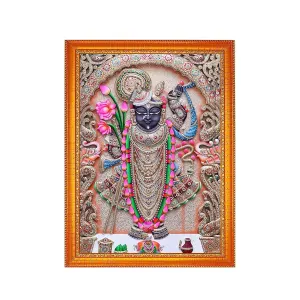
Dwarkadhish Photo Frame for Home Mandir
View details
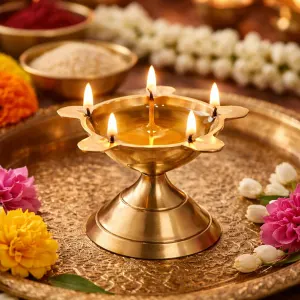
Brass Panchmukhi Diya for Aarti
View details
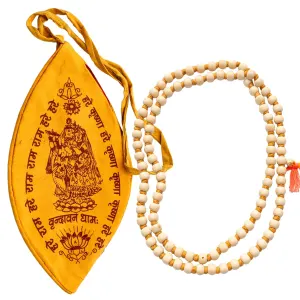
Tulsi Mala 108 Beads with Japa Bag
View details
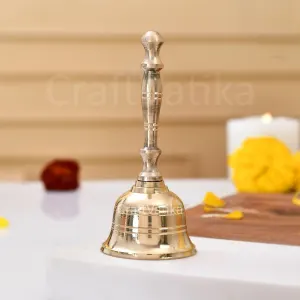
Brass Puja Bell Ghanti for Mandir
View details
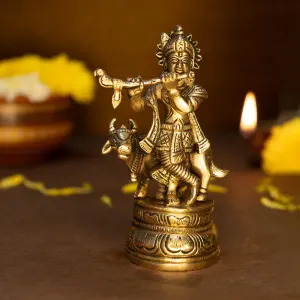
Pure Brass Lord Krishna Idol
View details
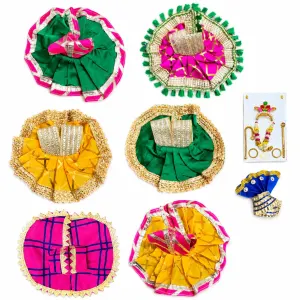
Laddu Gopal Poshak Dress Set with Mukut
View details
Original Shankh for Puja and Home Mandir
View details
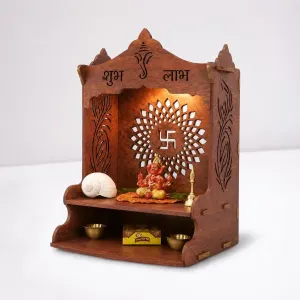
Wooden Home Mandir Temple for Pooja Room
View details