Kalighat Kali Temple, Ward No. 83, Kolkata Municipal Corporation: History, Timings & Visitor Guide
Kalighat Kali Temple is a Hindu temple in Kalighat, Kolkata, West Bengal, India, dedicated to the Hindu goddess Kali, one of the 10 Mahavidyas in the Hindu tantric tradition and the supreme deity in the Kalikula worship tradition. The temple is one of the 51 Shakti Pithas in India.

About Kalighat Kali Temple
Kalighat Kali Temple is a Hindu temple in Kalighat, Kolkata, West Bengal, India, dedicated to the Hindu goddess Kali, one of the 10 Mahavidyas in the Hindu tantric tradition and the supreme deity in the Kalikula worship tradition. The temple is one of the 51 Shakti Pithas in India.
According to the Devi Bhagavata Purana, Kalika Purana and Shakti Peetha Stotram, the toes of the right foot of Goddess Sati fell here, after Lord Vishnu's Sudarshan Chakra splintered her body into many parts to calm down Mahadev's rage during his cosmic dance. One of the oldest and most important places of worship in Eastern India, being one of the four Adi Shaktipeeth the temple draws hundred of thousands of devotees throughout the year, especially on occasions like Kali Puja, New Year, Poila Baisakh, Snana Yatra, Durga Puja and the numerous Amavasyas.
Kalighat Kali Temple: Key Facts
- TempleKalighat Kali Temple
- LocationWard No. 83, Kolkata Municipal Corporation, West Bengal
- StateWest Bengal
- Main DeityDakshina Kali
- Entry FeeFree (general darshan)
- Best Time to VisitOctober to March
- Nearest Railway StationNew Alipore Railway Station, ~1 km
- Nearest AirportKolkata (CCU), ~18 km
- GPS22.52028, 88.34208
Kalighat Kali Temple Timings 2026
Kalighat Kali Temple is open every day, usually from early morning to late evening with a break in the afternoon. Darshan and aarti timings change with the season and on festival days.
- MorningOpens early morning (around 5 to 6 AM)
- AfternoonShort break around midday at many temples
- EveningEvening aarti around sunset, closes by about 8 to 9 PM
Check the exact timings on the official website before your visit.
Dress Code & Temple Rules
- DressModest, traditional clothes covering shoulders and knees
- FootwearRemove before entering; use the shoe stand
- PhotographyNot allowed inside the sanctum
- Not AllowedLeather items, tobacco, alcohol, non-veg food
- QueueFollow queue lines and staff instructions on festival days
How to Reach Kalighat Kali Temple
- LocationWard No. 83, Kolkata Municipal Corporation, West Bengal
- By AirKolkata (CCU), about 18 km
- By AirDeoghar (DGH), about 272 km
- By TrainNew Alipore Railway Station, about 1 km
- Major StationBallygunge Junction railway station, about 3 km
- By RoadTaxis, autos and state buses from the railway station and nearby cities
Distance from Nearby Cities
| From | Road Distance (approx.) | Travel Time (approx.) |
|---|---|---|
| Kolkata | 24 km | 1 hr |
| Deoghar | 353 km | 8 hr |
| Ranchi | 418 km | 9 hr |
| Agartala | 433 km | 10 hr |
| Bhubaneswar | 473 km | 11 hr |
Best Time to Visit
October to March. Winter is pleasant for darshan and sightseeing. May–June can be very hot and July–September brings monsoon rain. Weekday mornings are the least crowded; expect long queues on weekends, holidays and festivals.
History of Kalighat Kali Temple
The Kalighat Kali temple in its present form is about 200 years old, although it was referred to in Mansar Bhasan composed in the 15th century, and Kavi Kankan Chandi in the 17th century. Subsequently, it received patronage from some of the major Zamindar families from Bengal, among them the Bawali Raj and the Sabarna Roy Choudhury families being the most prominent.
The present structure of the temple was completed under the patronage of the Sabarna Roy Choudhury family in 1809. Santosh Roy Chowdhury, a Kali devotee himself, started the construction of the present-day temple in 1798. It took 11 years to complete the construction. The Roy Chowdhurys' traditional patronage of the deity is disputed. Pilgrims to the site practice a holy dipping event called Snan Yatra in the temple's Kundupukur tank.
In 1835 Kashinath Roy built a Nat Mandir in the temple square. In 1843 Vaishnavite Uday Narayan Mondal, a member of the Bawali Raj family, established the present day ShyamRai temple in the Kalighat temple square. In 1858 a Dal Mancha was installed by Madan Gopal Koley for the ShyamRai temple.
Legend & Significance
The term Kalighat originated from the goddess Kali, who resides in the temple, and Ghat (riverbank), where the temple is located. Due to the importance of Maa Kali in this region, the place is also known as the Kali kshetra.
According to scriptures, on learning about the death of Sati by self-immolation, Shiva was blinded in rage and started the Tandav Nritya (Dance of Destruction). To prevent the world from imminent destruction, Lord Vishnu used his Sudarshan Chakra to cut the corpse of Sati into 51 pieces, which fell in various places of the Indian subcontinent. Kalighat is the site where the toes of the right foot of Dakshayani or Sati are said to have fallen.
Architecture of Kalighat Kali Temple
The temple is constructed according to the ath-chala style of Bengal temple architecture. The roofs of the temple are gabled roofs, known as the chala in Bengali, emulating the thatched roofed huts made of mud and twigs in rural Bengal.
The main temple is a four-sided building that features a truncated dome. The two roofs bear a total of eight faces. Both of them are painted in metallic silver colour while the borders at the cornice are painted with yellow, red, green and blue. The absolute top has three spires, the tallest of which has a triangular pennant flag. The outer walls of the temple are designed with diamond-shaped chessboard pattern styles of alternating green and white. The borders below the ath-chala are intricately designed with terracotta motifs of various Hindu deities and natural elements, which is a significant element in most of the historical temples in Bengal architecture.
Frequently Asked Questions
Temples Near Kalighat Kali Temple
Shop Puja & Temple Accessories
Handpicked pooja items and temple accessories for your home mandir, delivered anywhere in India.
Dwarkadhish Photo Frame for Home Mandir
View details
Brass Panchmukhi Diya for Aarti
View details
Tulsi Mala 108 Beads with Japa Bag
View details
Brass Puja Bell Ghanti for Mandir
View details
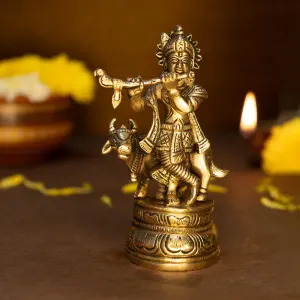
Pure Brass Lord Krishna Idol
View details
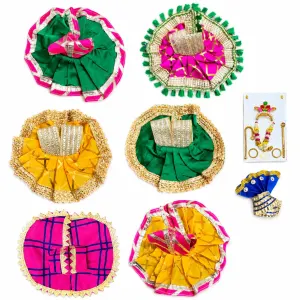
Laddu Gopal Poshak Dress Set with Mukut
View details

Original Shankh for Puja and Home Mandir
View details
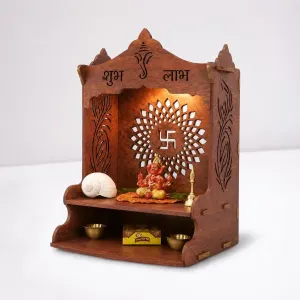
Wooden Home Mandir Temple for Pooja Room
View details