Can You Visit Dwarka in Monsoon? The Temple Is Always Open, But Three Things Change
Yes, you can visit Dwarka in monsoon. Dwarkadhish Temple never shuts for weather. But Bhadkeshwar Mahadev floods regularly, the Bet Dwarka ferry may cancel, and Janmashtami in August brings its own massive crowd surge.
Can we visit Dwarka in monsoon?
Yes. Dwarkadhish Temple never closes due to weather. Bhadkeshwar Mahadev may be inaccessible at high tide. Bet Dwarka ferry is sometimes cancelled in rough seas.
Useful References
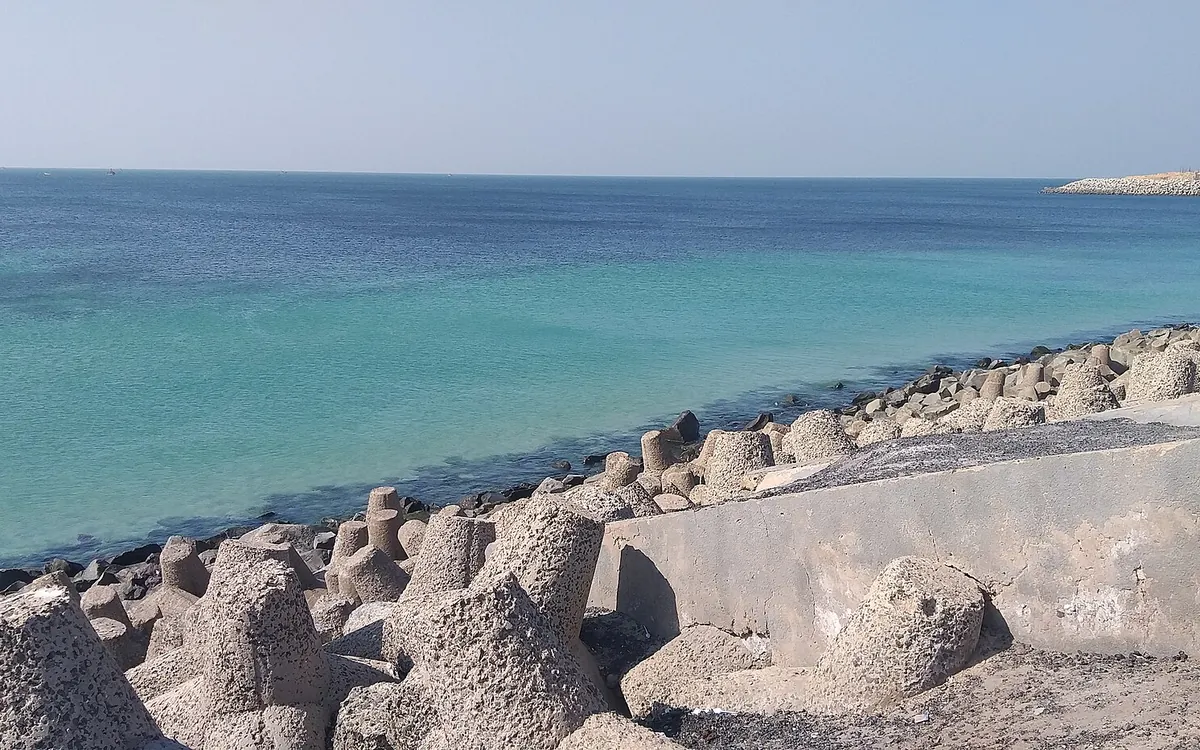
Dwarkadhish Temple in Monsoon: Open Every Day, Every Aarti
Dwarkadhish Temple, Jagat Mandir, operates on its full daily schedule regardless of the season. The aarti and darshan timings from Mangla at 6 AM through to Shayan aarti at 9 PM continue uninterrupted throughout monsoon. Neither heavy rain, rough weather, nor cyclone alerts (unless an extraordinary safety situation arises) have historically caused the temple to close. This is consistent with its status as a continuously worshipped sacred site that has operated without break for centuries.
In practical terms, what changes during monsoon is the comfort of the visit rather than access. The approach lanes to the temple can become wet and slippery. The steps to Gomti Ghat are often spray-covered when the Arabian Sea is rough. The queue area near Swarga Dwar, which is partially open to the sky, will leave you damp during a downpour, an umbrella or light raincoat is sensible. But the temple interior is sheltered, the sanctum is cool, and darshan proceeds normally.
The positive flip side is that monsoon brings the shortest queues of the year at Dwarkadhish Temple. During peak season (October–February), the regular queue can run 2 to 4 hours. In monsoon months, on a typical day, the same queue moves in 20 to 45 minutes. Hotel room rates in Dwarka also fall significantly during this period, and the town has a noticeably quieter, more contemplative atmosphere that some pilgrims actually prefer.
Bhadkeshwar Mahadev in Monsoon: Frequently Inaccessible
Bhadkeshwar Mahadev Temple sits on a small rocky island approximately 2 km from Dwarkadhish Temple, connected to the mainland by a narrow stone causeway that is only passable at low tide. Even in the dry season, this temple is tide-dependent, you must visit at low tide or the causeway is submerged and you cannot cross. During monsoon, the situation becomes significantly more restrictive.
Higher sea levels combined with increased tidal amplitude and rough wave action during monsoon means the Bhadkeshwar causeway is impassable for longer stretches every day and is occasionally completely inaccessible for multiple consecutive days during a storm or strong swell period. Locals and priests at the temple track the tides and will advise on current conditions. If you arrive to find the causeway underwater, as many visitors do in July and August, there is no safe crossing. The sea at this point is not placid; waves can be strong enough to knock a person down even on the outer rocks.
If visiting Bhadkeshwar is important to your pilgrimage, check tidal conditions with your hotel or at the temple on the day of your visit. The best window in monsoon, when a visit is possible at all, is typically during the early morning low tide, often between 6 and 9 AM or in the early afternoon, depending on the day's tidal cycle. Local autos and guides will know the current timing. Never attempt to cross if even a thin layer of water covers the causeway, as the rock surface is slippery and current deceptively strong.
Bet Dwarka Ferry in Monsoon: Possible but Uncertain
The ferry from Okha to Bet Dwarka (Beyt Dwarka) covers 3.5 km of open sea. In calm conditions, which prevail from October through May, this is a 20 to 30 minute journey. Government ferries charge ₹40–50 per person. You can also cross by road on Sudarshan Setu, which stays open when the sea is rough. During monsoon, the Arabian Sea along the Gujarat coast can produce significant swells and rough conditions, and the ferry service is subject to cancellation on safety grounds.
There is no advance ferry schedule for monsoon, operators decide on the day based on the morning sea conditions and local coast guard guidance. If the sea is calm after a fair-weather day, the ferry may run normally. If there has been overnight rain or sustained wind, it may not operate at all. The road bridge is unaffected by sea conditions, so the crossing itself is never in doubt. Pilgrims who have Bet Dwarka as a priority should check conditions first thing in the morning at the Okha jetty and be mentally prepared for the possibility that the trip does not happen.
Even when the ferry does run during monsoon, the crossing can be choppy and wet. The open boat gets spray from waves, and passengers are often soaked by the time they arrive. Waterproof covers for camera bags and a change of clothes are sensible precautions. The Bet Dwarka temple itself (open 6 AM–12:30 PM and 3–8 PM in summer / 6:30 AM–12:30 PM and 2:30–7:30 PM in winter) functions normally, it is only the crossing that is uncertain, not the temple at the destination.
Month-by-Month Monsoon Breakdown for Dwarka
The monsoon period for Dwarka runs from mid-June through September, with significant variation between the early, peak, and retreating phases. Understanding what to expect each month helps plan more realistically.
28–38°C. Monsoon arrives mid-June. Early rain, sea becoming rougher. Good for temple darshan, short queues. Bhadkeshwar begins to be affected by tides.
26–33°C. Heavy rain. Bhadkeshwar often inaccessible. Bet Dwarka ferry frequently cancelled. Temple open and uncrowded. Shivrajpur Beach closed for swimming.
26–33°C. Still monsoon, but Janmashtami (Sept 4–5, 2026) brings enormous crowds despite the rain. Ferry may still be unreliable. Best spiritual atmosphere of the year for Krishna's birthday.
28–35°C. Rain tapering off. Sea becoming calmer. Ferry more reliable by late September. Bhadkeshwar starts becoming accessible again. Good time, lower crowds, better weather than July–August.
Janmashtami in Monsoon: The Exception to Every Rule
Janmashtami, Lord Krishna's birthday celebration, is the single exception to the monsoon pattern of quiet, low-crowd Dwarka. In 2026, Janmashtami falls on approximately September 4–5. Despite the monsoon, Dwarka fills with hundreds of thousands of pilgrims for this festival. Hotels are booked out months in advance. The temple queue stretches for hours. The streets around Jagat Mandir are packed from the previous evening through the following day.
The Janmashtami celebration at Dwarka is unlike any other in India, this is Krishna's own city, and the midnight celebration of his birth (the actual Janma moment at midnight of Ashtami) is the spiritual centrepiece. The temple is decorated, special sevas are performed, and the energy is extraordinary. The fact that it rains does not diminish the celebration, if anything, the monsoon rain is seen as auspicious, a divine blessing on Krishna's birthday.
If you plan to visit Dwarka during Janmashtami, book accommodation at least 3 to 4 months in advance. Budget accommodation fills first. Arrive in Dwarka at least a day before to avoid the chaos of same-day arrival during the festival crush. The temple entry can become very slow and crowded during Janmashtami, Dwarkadhish Temple runs no official VIP or paid priority-darshan scheme, everyone, including elderly and disabled pilgrims, joins the same general queue, so arriving well before the gates open is the only real way to shorten the wait. Be wary of touts or unofficial websites offering a paid "VIP darshan pass" near the temple during the festival season, they have no affiliation with the temple trust and pilgrims should not pay them.
Frequently Asked Questions
Also Read
Dwarka in Monsoon
Dwarka in monsoon (June to September), Dwarkadhish Temple stays open through all rain.
Read Full GuidePirotan Island
Pirotan Island is part of Marine National Park, Gulf of Kutch, 180 km from Dwarka, near Jamnagar.
Read Full GuideBest Time to Visit Dwarka
Month-by-month weather, crowd levels and festival calendar, the complete guide to choosing the right time for your Dwarka yatra.
Read MoreJanmashtami in Dwarka
How Dwarka celebrates Krishna's birthday, the midnight rituals, the crowds, the temple decorations and how to plan your visit.
Read MoreBhadkeshwar Mahadev Temple
The tidal island temple of Lord Shiva 2 km from Dwarkadhish, tide timings, how to reach it and what the experience is like.
Read More