Bhimakali Temple, Sarahan: History, Timings & Visitor Guide
Bhimakali Temple is a Hindu temple at Sarahan in Himachal Pradesh, India. The temple is dedicated to the goddess Bhimakali, the presiding deity of the rulers of the former Bushahr state.

About Bhimakali Temple
Bhimakali Temple is a Hindu temple at Sarahan in Himachal Pradesh, India. The temple is dedicated to the goddess Bhimakali, the presiding deity of the rulers of the former Bushahr state. The temple is situated about 180 kms from Shimla and it is considered as holy as 51 Shakta pithas.
Bhimakali Temple: Key Facts
- TempleBhimakali Temple
- LocationSarahan, Himachal Pradesh
- StateHimachal Pradesh
- Entry FeeFree (general darshan)
- Best Time to VisitMay to June and September to October
- Nearest Railway StationShimla railway station, ~75 km
- Nearest AirportKullu (KUU), ~73 km
- GPS31.51000, 77.79500
Bhimakali Temple Timings 2026
Bhimakali Temple is open every day, usually from early morning to late evening with a break in the afternoon. Darshan and aarti timings change with the season and on festival days.
- MorningOpens early morning (around 5 to 6 AM)
- AfternoonShort break around midday at many temples
- EveningEvening aarti around sunset, closes by about 8 to 9 PM
Ask the temple office on arrival for the day's aarti schedule.
Dress Code & Temple Rules
- DressModest, traditional clothes covering shoulders and knees
- FootwearRemove before entering; use the shoe stand
- PhotographyNot allowed inside the sanctum
- Not AllowedLeather items, tobacco, alcohol, non-veg food
- QueueFollow queue lines and staff instructions on festival days
How to Reach Bhimakali Temple
- LocationSarahan, Himachal Pradesh
- By AirKullu (KUU), about 73 km
- By AirShimla (SLV), about 84 km
- By TrainShimla railway station, about 75 km
- Major StationKalka railway station, about 111 km
- By RoadTaxis, autos and state buses from the railway station and nearby cities
Distance from Nearby Cities
| From | Road Distance (approx.) | Travel Time (approx.) |
|---|---|---|
| Kullu | 95 km | 2 hr |
| Shimla | 109 km | 2 hr |
| Chandigarh | 174 km | 4 hr |
| Dehradun | 197 km | 4 hr |
| Kangra | 211 km | 5 hr |
Best Time to Visit
May to June and September to October. Mountain roads are open and weather is pleasant. Many high-altitude shrines close in winter and the monsoon (July–August) brings landslides, so check the opening dates before you plan. Weekday mornings are the least crowded; expect long queues on weekends, holidays and festivals.
History of Bhimakali Temple
The temple was built in 13th century as a shrine dedicated to goddess Durga, locally known as Bhimakali, and is revered as one of the 51 sacred Shakta pithas. She is the kuldevi of the rulers of the erstwhile Bushehr state. The temple is a popular pilgrimage site in Himachal Pradesh. Raja Padam Singh contributed towards rebuilding the temple in the 1920s.
During the 1905 Kangra earthquake disaster, the main tower tilted slightly but astonishingly straightened back during a subsequent tremor. Legend has it that the temple has deep foundations and includes a disused tunnel connecting it to the village of Ranwin, located a kilometer away. In ancient times, priests supposedly used this secret passage for entering and leaving the temple.
Legend & Significance
According to one legend, during Daksha Yagna, the Ear of Sati Devi fell here when Lord Vishnu cut the pieces of her body carried by heartbroken Lord Shiva. Other legend states that this area was under the rule of a Demon called Banasura, the great-grandson of king Prahlad an ardent devotee of Lord Vishnu. Due to the Usha-Anirudh affair, Lord Krishna fought here with him, and in this battle, Lord Siva stood against the former. The legend goes that the head of the defeated king Banasura was buried in front of the entry gate now marked as a raised platform to the first courtyard. After Banasura, Pradyumna son of Lord Krishna ruled this area. Then the ruling king constructed this temple recognizing Devi Bhimakali as the presiding deity of this area.
Architecture of Bhimakali Temple
The architectural style of the temple is a blend of Hindu and Buddhist temple construction styles that is not found anywhere else in the hilly region. Constructed in tower temple typology and kath-kuni style, the temple has three courtyards that surround the main complex. There is a twin tower, a guest house, the old royal palace of Bushahr, accommodation space for support staff, and a couple of smaller temples. The first courtyard has Narsingha temple, the second courtyard has Raghunath temple, and the third courtyard has the twin towers containing the idol of goddess Bhimakali.
There are four exquisitely carved gateways to the temple: the first gate is gold-plated, the second gate is silver foiled, the third gate opens to the Raghunath temple, and the fourth gate opens to the twin tower temples and it is known as Shri Dwar. The entire complex has wooden and silver carvings. The external open areas are decorated with wooden chimes that still produce humming sounds while oscillating. Stones and deodar wood were the primary materials of construction.
Frequently Asked Questions
Temples Near Bhimakali Temple

Hidimba Devi Temple, Dhungri Manali
Hidimba Devi Temple, locally known as Dhungari Temple, also known variously as the Hadimba Temple, is a Hindu Temple, located in Manāli, a hill…
Read Full Guide
Baijnath Temple, Himachal Pradesh
Baijnath Temple (Devanagari: बैजनाथ मंदिर) is a Nagara style Hindu temple situated in a small town of Baijnath located in Kangra District, Himachal…
Read Full Guide
Tapkeshwar Temple
Tapkeshwar Temple, also known as Tapkeshwar Mahadev Temple, is a temple in Dehradun dedicated to Shiva. The temple is on the bank of the Tons River…
Read Full Guide
Kedarnath Temple
Kēdāranātha Temple (Sanskrit: केदारनाथ मन्दिर, IAST: Kēdāranātha Mandira, lit. 'temple of the God of the field') is a Hindu temple, one of the…
Read Full GuideShop Puja & Temple Accessories
Handpicked pooja items and temple accessories for your home mandir, delivered anywhere in India.
Dwarkadhish Photo Frame for Home Mandir
View details
Brass Panchmukhi Diya for Aarti
View details
Tulsi Mala 108 Beads with Japa Bag
View details
Brass Puja Bell Ghanti for Mandir
View details
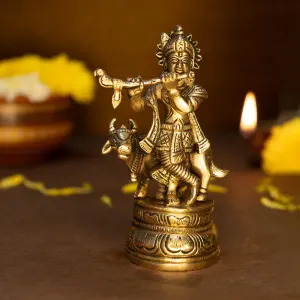
Pure Brass Lord Krishna Idol
View details
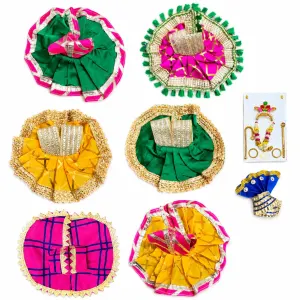
Laddu Gopal Poshak Dress Set with Mukut
View details
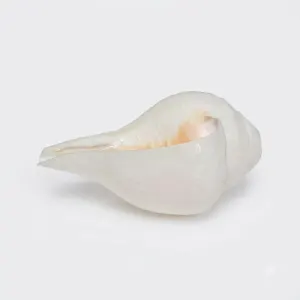
Original Shankh for Puja and Home Mandir
View details
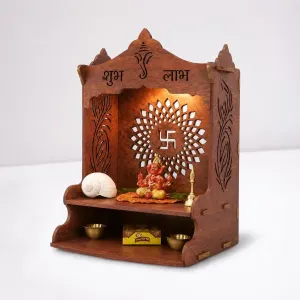
Wooden Home Mandir Temple for Pooja Room
View details