Sasbahu Temple, Gwalior: History, Timings & Visitor Guide
Sas Bahu Temples, also called the Sasa-Baku Temples (in Pali), Sas aur Bahu ke Mandir, Sas-Bahu Twin Temples, are the 11th-century twin temples in Gwalior, Madhya Pradesh, India within the Gwalior Fort…

About Sasbahu Temple
Sas Bahu Temples, also called the Sasa-Baku Temples (in Pali), Sas aur Bahu ke Mandir, Sas-Bahu Twin Temples, are the 11th-century twin temples in Gwalior, Madhya Pradesh, India within the Gwalior Fort complex. The bigger temple (Saas) is dedicated to Aniruddha, considered widely as a Jana avatar, an avatar of Vishnu and grandson of Lord Krishna & the smaller temple (Bahu) is dedicated to Shiva. Like most Hindu and Jain temples in this region, they were mostly in ruins and were badly damaged from numerous invasions and Hindu-Muslim wars in the region. They were built between 1090 and 1093 by King Mahipala of the Kachchhapaghata dynasty, the larger one (Saas) was constructed for his wife who was Vaishnava and the smaller one (Bahu) was constructed for his daughter-in-law who was a shiva devotee, according to an inscription found in the larger of the twin temple and as deciphered by Alexander Cunningham the first Director-General of the Archaeological Survey of India. The twin temples are situated in the Gwalior Fort.
The temple's tower and sanctum has been destroyed, but its architecture and damaged carvings can still be appreciated from the ruins. The jagati platform is 100 feet (30 m) long and 63 feet (19 m) wide, on a square plan. The temple was three-storeyed, which was one of its distinguishing features and sophistication. It followed a central cluster concept, states Adam Hardy. The surviving elements of the temple are the entrance porch and the mandapa. According to James Harle, though the prasada (tower, spire) no longer exists, the triple storey plan with a cruciform foundation and balconies suggests that it had a North Indian Bhumija style architecture. This style, states Harle, is marked by a well proportioned superstructure, its "regularly arranged little subordinate sikharas strung out like gigantic beaded garlands".
This temple mainly has three entrances from three different directions. In the fourth direction, there is a room which is currently closed. The entire temple is covered with carvings, notably 4 idols of Brahma, Vishnu and Saraswati above its entrance door. The pillar carvings show Vaishnavism, Shaivism and Shaktism related carvings. The larger temple ornamentation covers all the exterior walls and all surviving interior surfaces.
The twin temple, unlike elsewhere in India, has historically been called Sas bahu temples. The word Sas bahu means "mother-in-law, or "a mother with her daughter-in-law", an association that implies their being together and interdependent. The Sas temple is typically the larger older temple of the twin. The Gwalior's Sas Bahu Temples follows this style, the temples are dedicated to Aniruddha (grandson of Krishna) & Shiva. Only the Sas temple has survived in some form, the Bahu temple is a shell structure of the original one storey with a highly ornate door frame and its defaced wall reliefs surviving. The remnants of the Bahu temple at Gwalior suggest that it may have been a smaller version of the Saas temple.
Sasbahu Temple: Key Facts
- TempleSasbahu Temple
- LocationGwalior, Madhya Pradesh
- StateMadhya Pradesh
- Entry FeeFree (general darshan)
- Best Time to VisitOctober to March
- Nearest Railway StationGwalior Ng railway station, ~1 km
- Nearest AirportGwalior (GWL), ~10 km
- GPS26.22394, 78.17025
Sasbahu Temple Timings 2026
Sasbahu Temple is open every day, usually from early morning to late evening with a break in the afternoon. Darshan and aarti timings change with the season and on festival days.
- MorningOpens early morning (around 5 to 6 AM)
- AfternoonShort break around midday at many temples
- EveningEvening aarti around sunset, closes by about 8 to 9 PM
Ask the temple office on arrival for the day's aarti schedule.
Dress Code & Temple Rules
- DressModest, traditional clothes covering shoulders and knees
- FootwearRemove before entering; use the shoe stand
- PhotographyNot allowed inside the sanctum
- Not AllowedLeather items, tobacco, alcohol, non-veg food
- QueueFollow queue lines and staff instructions on festival days
How to Reach Sasbahu Temple
- LocationGwalior, Madhya Pradesh
- By AirGwalior (GWL), about 10 km
- By AirAgra (AGR), about 106 km
- By TrainGwalior Ng railway station, about 1 km
- Major StationGwalior Junction railway station, about 1 km
- By RoadTaxis, autos and state buses from the railway station and nearby cities
Distance from Nearby Cities
| From | Road Distance (approx.) | Travel Time (approx.) |
|---|---|---|
| Gwalior | 12 km | 1 hr |
| Agra | 138 km | 3 hr |
| Khajuraho | 306 km | 7 hr |
| Jaipur | 317 km | 7 hr |
| Lucknow | 360 km | 8 hr |
Best Time to Visit
October to March. Winter is pleasant for darshan and sightseeing. May–June can be very hot and July–September brings monsoon rain. Weekday mornings are the least crowded; expect long queues on weekends, holidays and festivals.
Frequently Asked Questions
Temples Near Sasbahu Temple

Teli ka Temple
Teli Temple, also known as Teli ka Temple, is a Hindu temple located within the Gwalior Fort in Madhya Pradesh, India. Dedicated to Shiva, Vishnu…
Read Full Guide
Chausath Yogini Temple, Mitaoli
The Chausath Yogini Temple, Mitaoli, also known as Ekattarso Mahadeva Temple, is an 11th-century temple in Morena district in the Indian state of…
Read Full Guide
Chaturbhuj Temple, Orchha
Chaturbhuj Temple, dedicated to Vishnu, is a Hindu temple, situated at Orchha in Madhya Pradesh, India. The name Chaturbhuj is a combination of…
Read Full GuideShop Puja & Temple Accessories
Handpicked pooja items and temple accessories for your home mandir, delivered anywhere in India.
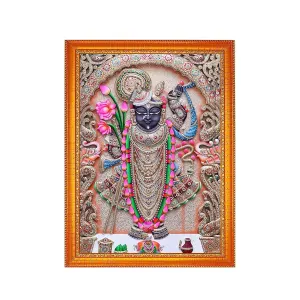
Dwarkadhish Photo Frame for Home Mandir
View details

Brass Panchmukhi Diya for Aarti
View details

Tulsi Mala 108 Beads with Japa Bag
View details

Brass Puja Bell Ghanti for Mandir
View details
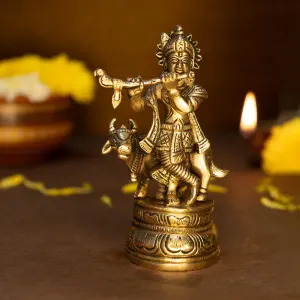
Pure Brass Lord Krishna Idol
View details
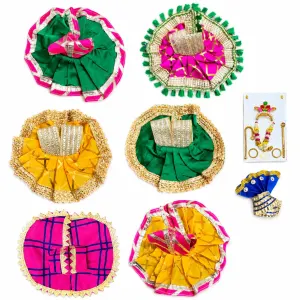
Laddu Gopal Poshak Dress Set with Mukut
View details

Original Shankh for Puja and Home Mandir
View details
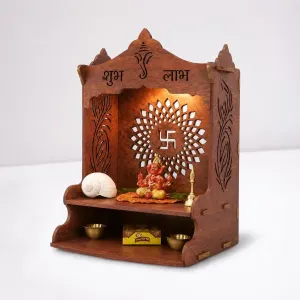
Wooden Home Mandir Temple for Pooja Room
View details