Teli ka Temple, Gwalior: History, Timings & Visitor Guide
Teli Temple, also known as Teli ka Temple, is a Hindu temple located within the Gwalior Fort in Madhya Pradesh, India. Dedicated to Shiva, Vishnu and Matrikas, it has been variously dated between the early 8th and early 9th century CE.

About Teli ka Temple
Teli Temple, also known as Teli ka Temple, is a Hindu temple located within the Gwalior Fort in Madhya Pradesh, India. Dedicated to Shiva, Vishnu and Matrikas, it has been variously dated between the early 8th and early 9th century CE.
It is an atypical design for a Hindu temple, as it has a rectangular sanctum instead of the typical square. It integrates the architectural elements of the Nagara style and the Valabhi prasada. The temple is based on a Gurjara Pratihara-Gopgiri style North Indian architecture.
The temple is a classic example of a design based on "musical harmonics" in architecture, one that Hermann Goetz called as a masterpiece of late Gupta era Indian art.
Teli ka Temple: Key Facts
- TempleTeli ka Temple
- LocationGwalior, Madhya Pradesh
- StateMadhya Pradesh
- Entry FeeFree (general darshan)
- Best Time to VisitOctober to March
- Nearest Railway StationGhosipura railway station, ~2 km
- Nearest AirportGwalior (GWL), ~10 km
- GPS26.22031, 78.16589
Teli ka Temple Timings 2026
Teli ka Temple is open every day, usually from early morning to late evening with a break in the afternoon. Darshan and aarti timings change with the season and on festival days.
- MorningOpens early morning (around 5 to 6 AM)
- AfternoonShort break around midday at many temples
- EveningEvening aarti around sunset, closes by about 8 to 9 PM
Ask the temple office on arrival for the day's aarti schedule.
Dress Code & Temple Rules
- DressModest, traditional clothes covering shoulders and knees
- FootwearRemove before entering; use the shoe stand
- PhotographyNot allowed inside the sanctum
- Not AllowedLeather items, tobacco, alcohol, non-veg food
- QueueFollow queue lines and staff instructions on festival days
How to Reach Teli ka Temple
- LocationGwalior, Madhya Pradesh
- By AirGwalior (GWL), about 10 km
- By AirAgra (AGR), about 106 km
- By TrainGhosipura railway station, about 2 km
- Major StationGwalior Junction railway station, about 2 km
- By RoadTaxis, autos and state buses from the railway station and nearby cities
Distance from Nearby Cities
| From | Road Distance (approx.) | Travel Time (approx.) |
|---|---|---|
| Gwalior | 13 km | 1 hr |
| Agra | 138 km | 3 hr |
| Khajuraho | 306 km | 7 hr |
| Jaipur | 317 km | 7 hr |
| Lucknow | 361 km | 8 hr |
Best Time to Visit
October to March. Winter is pleasant for darshan and sightseeing. May–June can be very hot and July–September brings monsoon rain. Weekday mornings are the least crowded; expect long queues on weekends, holidays and festivals.
History of Teli ka Temple
The Telika Mandir is generally dated to between 8th and 9th century based on paleography, art-style, architectural design and small inscriptions found within the temple premises. According to Michael Meister, an art historian and a professor specializing in Indian temple architecture, the temple was built by 750 CE, per the most recently discovered inscriptions in Gwalior. George Michell, another art historian and a professor specializing in Indian temples, the temple was complete by the 9th century. Bharne and Krusche place the temple between 700 and 750 CE, while Allen places it in the 8th century. According to Allen, some local literature states it to be from the 11th century, but the evidence suggests that this late chronology is inaccurate. According to Bajpai, the temple may have been built during the reign of the Gurjara-Pratihara Mihira Bhoja.
The temple shows signs of extensive damage and change. It was badly damaged in the plunder raids by Muslim army of Qutb-ud-din Aibak and his successor Iltutmish in 1232 CE along with other temples in the fort following a jauhar, parts of the ruins were then used to apparently build a mosque nearby. The mosque was in turn apparently destroyed by Hindu Maratha army centuries later. The temple was restored by the Hindus after the desecration by Iltutmish forces, which speculated Cunningham, may explain some of the features that appear from a later era. The temple has icons and inscriptions related to all three major traditions of Hinduism: Shaivism, Vaishnavism and Shaktism. One of the inscriptions, for example, is a metrical hymn about Durga. The relief work includes a prominent Garuda, the vahana of Vishnu. Inside the temple is a Shiva linga.
The temple was in ruins in the 19th century. Between 1881 and 1883, repairs to the temple were initiated by Major Keith, an officer of the Royal Scots Regiment stationed in Gwalior.
Frequently Asked Questions
Temples Near Teli ka Temple

Sasbahu Temple
Sas Bahu Temples, also called the Sasa-Baku Temples (in Pali), Sas aur Bahu ke Mandir, Sas-Bahu Twin Temples, are the 11th-century twin temples in…
Read Full Guide
Chausath Yogini Temple, Mitaoli
The Chausath Yogini Temple, Mitaoli, also known as Ekattarso Mahadeva Temple, is an 11th-century temple in Morena district in the Indian state of…
Read Full Guide
Chaturbhuj Temple, Orchha
Chaturbhuj Temple, dedicated to Vishnu, is a Hindu temple, situated at Orchha in Madhya Pradesh, India. The name Chaturbhuj is a combination of…
Read Full GuideShop Puja & Temple Accessories
Handpicked pooja items and temple accessories for your home mandir, delivered anywhere in India.
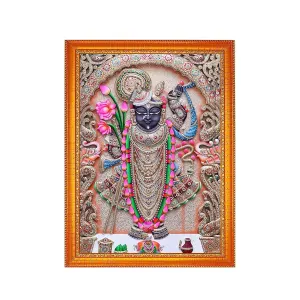
Dwarkadhish Photo Frame for Home Mandir
View details

Brass Panchmukhi Diya for Aarti
View details
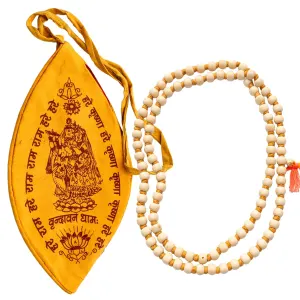
Tulsi Mala 108 Beads with Japa Bag
View details

Brass Puja Bell Ghanti for Mandir
View details
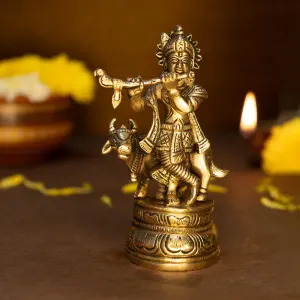
Pure Brass Lord Krishna Idol
View details
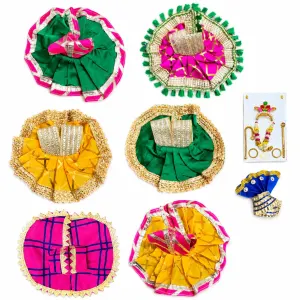
Laddu Gopal Poshak Dress Set with Mukut
View details

Original Shankh for Puja and Home Mandir
View details
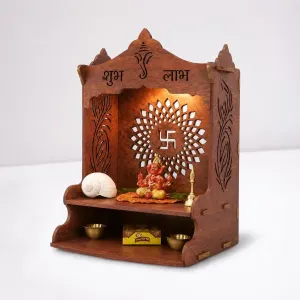
Wooden Home Mandir Temple for Pooja Room
View details