Mumba Devi Temple: History, Timings & Visitor Guide
Mumba Devi Temple is a Hindu temple in Mumbai, Maharashtra, India, dedicated to the goddess Mumbā, the local incarnation of the Parvati (Mother goddess). Mumba Devi is the goddess of the city of Mumbai.

About Mumba Devi Temple
Mumba Devi Temple is a Hindu temple in Mumbai, Maharashtra, India, dedicated to the goddess Mumbā, the local incarnation of the Parvati (Mother goddess). Mumba Devi is the goddess of the city of Mumbai. The name Mumbai is derived from Mumba Devi.
The creek and fort are now deteriorated to a point at which they are but derelict reminders of the city's past. The temple, on the other hand, is still active.
The goddess Mumba was the patron deity of the Marathi speaking Koli people, the original inhabitants of the Seven Islands of Bombay. She is depicted as a black stone sculpture in the temple. A popular etymology of Mumba is "Maha Amba," or "Great Mother," one of the many well-known names for the Hindu Mother Goddess (Devi)in India. Located in the Bhuleshwar area in South Mumbai, the temple is in the heart of the steel and clothing markets. It is a sacred pilgrimage spot and place of worship for Hindus and is thus visited daily by hundreds of people. It is not uncommon for visitors to Mumbai to pay their respects at the temple and is one of the popular tourist attractions in Mumbai.
Mumba Devi Temple: Key Facts
- TempleMumba Devi Temple
- LocationMaharashtra
- StateMaharashtra
- Entry FeeFree (general darshan)
- Best Time to VisitOctober to March
- Nearest Railway StationMarine Lines railway station, ~1 km
- Nearest AirportMumbai (BOM), ~16 km
- GPS18.95000, 72.83000
Mumba Devi Temple Timings 2026
Mumba Devi Temple is open every day, usually from early morning to late evening with a break in the afternoon. Darshan and aarti timings change with the season and on festival days.
- MorningOpens early morning (around 5 to 6 AM)
- AfternoonShort break around midday at many temples
- EveningEvening aarti around sunset, closes by about 8 to 9 PM
Ask the temple office on arrival for the day's aarti schedule.
Dress Code & Temple Rules
- DressModest, traditional clothes covering shoulders and knees
- FootwearRemove before entering; use the shoe stand
- PhotographyNot allowed inside the sanctum
- Not AllowedLeather items, tobacco, alcohol, non-veg food
- QueueFollow queue lines and staff instructions on festival days
How to Reach Mumba Devi Temple
- LocationMaharashtra
- By AirMumbai (BOM), about 16 km
- By AirPune (PNQ), about 122 km
- By TrainMarine Lines railway station, about 1 km
- Major StationMasjid railway station, about 1 km
- By RoadTaxis, autos and state buses from the railway station and nearby cities
Distance from Nearby Cities
| From | Road Distance (approx.) | Travel Time (approx.) |
|---|---|---|
| Mumbai | 21 km | 1 hr |
| Pune | 158 km | 4 hr |
| Nashik | 224 km | 5 hr |
| Shirdi | 237 km | 5 hr |
| Surat | 313 km | 7 hr |
Best Time to Visit
October to March. Winter is pleasant for darshan and sightseeing. May–June can be very hot and July–September brings monsoon rain. Weekday mornings are the least crowded; expect long queues on weekends, holidays and festivals.
History of Mumba Devi Temple
This temple was built in honour of the Goddess Amba. The Mumba devi temple is six centuries old. The first Mumbadevi temple was situated at Bori Bunder and is believed to have been destroyed between 1739 and 1770. After the destruction a new temple was erected at the same place at Bhuleshwar. The Goddess personifies Mother Earth and is still worshipped by the Hindu population of the Indo-Gangetic Plain and South India alike. The original temple built at the site where the Chhatrapati Shivaji Terminus earlier was by Koli fishermen was demolished around 1737 and a new temple was erected in its place at Phansi Talao. The modern shrine contains an image of the Goddess Mumba devi dressed in a robe with a silver crown, a nose stud and a golden necklace. To the left is a stone figure of Annapurna seated on a peacock. In front of the shrine is a Tiger, the carrier of the Goddess.
The present name of the city is derived from the Goddess Mumba devi. The temple itself is not impressive but is an important landmark as it is dedicated to Mumba Devi, the city's patron deity. The international name of the city is Mumbai. It is an anglicized version of the Portuguese name used by the British when they took control of the city in the 17th century. The name the city was referred to as Bom Bahia, meaning 'good bay'.
Legend & Significance
The temple is dedicated to goddess Parvati (also known as Gauri) in her fisherwoman form. To take the form of Mahakali, goddess Parvati had to gain perseverance and concentration. At that time Lord Shiva (husband of goddess Parvati) insisted goddess Parvati to reincarnate in the form of a fisherwoman by which she can gain the ability of perseverance and concentration as a fisherman gains both these qualities while learning fishing. Goddess Parvati then incarnated as a fisher woman and took hermitage at the place of fishermen (current location—Mumbai). Goddess Parvati at her early age was known as Matsya and later she came to be known as Mumba in her fisherwoman form. Mumba dedicated herself in learning perseverance and concentration under the guidance of fishermen as they were keen in their profession of catching fishes by concentration and perseverance. When Mumba mastered the techniques of perseverance and concentration, the time came for her to return to her abode from where she had come. Lord Shiva came in the form of fisherman and married Mumba realising, who she truly was. Later the fishermen requested her to stay there forever and so she became the village goddess (grama devata). As she was signified as "Aai" (meaning 'mother' in Marathi) by the people living there, she came to be known as Mumba Aai. And Mumbai got its name from her.
Frequently Asked Questions
Temples Near Mumba Devi Temple

Walkeshwar Temple
Walkeshwar Temple, also known as the (Baan Ganga Temple), is an Ancient Hindu temple, dedicated to Lord Shiva located in Walkeshwar, near Malabar…
Read Full Guide
Siddhivinayak Temple, Mumbai
The Shri Siddhivinayak Ganapati Mandir is a Hindu temple dedicated to Ganesha. It is located in Prabhadevi neighbourhood of Mumbai, Maharashtra.
Read Full Guide
Shiv Mandir, Ambarnath
The Shiv Mandir of Ambarnath is a historic 11th-century Hindu temple,
Read Full Guide
Bhimashankar Temple
Bhimashankar Temple is a Hindu temple dedicated to Shiva situated in its eponymous village, Bhimashankar, in Pune district of Maharashtra. It is a…
Read Full Guide
Pataleshwar
The Pataleshwar Caves, also referred to as the Panchaleshvara temple or Bhamburde Pandav cave temple, are an 8th-century rock-cut Hindu temple from…
Read Full Guide
Dagadusheth Halwai Ganapati Temple
The Dagadusheth Halwai Ganapati Temple is a Hindu temple dedicated to the Hindu god Ganesha (Ganapati) in the city of Pune, India. The temple is…
Read Full GuideShop Puja & Temple Accessories
Handpicked pooja items and temple accessories for your home mandir, delivered anywhere in India.
Dwarkadhish Photo Frame for Home Mandir
View details
Brass Panchmukhi Diya for Aarti
View details
Tulsi Mala 108 Beads with Japa Bag
View details
Brass Puja Bell Ghanti for Mandir
View details
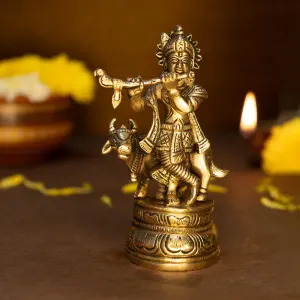
Pure Brass Lord Krishna Idol
View details
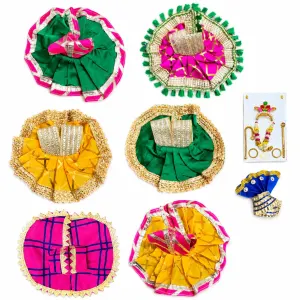
Laddu Gopal Poshak Dress Set with Mukut
View details

Original Shankh for Puja and Home Mandir
View details
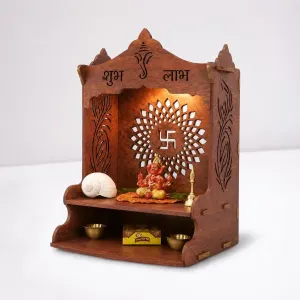
Wooden Home Mandir Temple for Pooja Room
View details