Muktesvara deula, Bhubaneswar: History, Timings & Visitor Guide
Mukteshwara Temple (IAST: Mukteśwara; also spelt Mukteswara) is a 10th-century Hindu temple dedicated to Shiva located in Bhubaneswar, Odisha, India. The temple dates back to 950–975 CE and is a monument of importance in the study of the development of Hindu temples in Odisha.

About Muktesvara deula
Mukteshwara Temple (IAST: Mukteśwara; also spelt Mukteswara) is a 10th-century Hindu temple dedicated to Shiva located in Bhubaneswar, Odisha, India. The temple dates back to 950–975 CE and is a monument of importance in the study of the development of Hindu temples in Odisha. The stylistic development of the Mukteswara Temple marks the culmination of all earlier developments, and initiates a period of experiment which continues for an entire century, as seen in such temples as the Rajarani Temple and Lingaraj temple, both located in Bhubaneswar. It is one of the prominent tourist attractions of the city.
Muktesvara deula: Key Facts
- TempleMuktesvara deula
- LocationBhubaneswar, Odisha
- StateOdisha
- Entry FeeFree (general darshan)
- Best Time to VisitOctober to March
- Nearest Railway StationBhubaneswar railway station, ~3 km
- Nearest AirportBhubaneswar (BBI), ~4 km
- GPS20.24158, 85.85180
Muktesvara deula Timings 2026
Muktesvara deula is open every day, usually from early morning to late evening with a break in the afternoon. Darshan and aarti timings change with the season and on festival days.
- MorningOpens early morning (around 5 to 6 AM)
- AfternoonShort break around midday at many temples
- EveningEvening aarti around sunset, closes by about 8 to 9 PM
Ask the temple office on arrival for the day's aarti schedule.
Dress Code & Temple Rules
- DressModest, traditional clothes covering shoulders and knees
- FootwearRemove before entering; use the shoe stand
- PhotographyNot allowed inside the sanctum
- Not AllowedLeather items, tobacco, alcohol, non-veg food
- QueueFollow queue lines and staff instructions on festival days
How to Reach Muktesvara deula
- LocationBhubaneswar, Odisha
- By AirBhubaneswar (BBI), about 4 km
- By AirRanchi (IXR), about 346 km
- By TrainBhubaneswar railway station, about 3 km
- By RoadTaxis, autos and state buses from the railway station and nearby cities
Distance from Nearby Cities
| From | Road Distance (approx.) | Travel Time (approx.) |
|---|---|---|
| Bhubaneswar | 5 km | 1 hr |
| Ranchi | 450 km | 10 hr |
| Kolkata | 493 km | 11 hr |
| Visakhapatnam | 512 km | 11 hr |
| Raipur | 572 km | 13 hr |
Best Time to Visit
October to March. Winter is pleasant for darshan and sightseeing. May–June can be very hot and July–September brings monsoon rain. Weekday mornings are the least crowded; expect long queues on weekends, holidays and festivals.
History of Muktesvara deula
The Mukteshvara Temple is found to be the earliest work from the Somavamshi period. Most scholars believe that the temple is the successor to Parashurameshvara Temple and was built earlier to the Brahmeswara Temple (1060 CE). Percy Brown puts the date of construction of the temple to 950 CE. The presence of a torana, which is not part of any other temple in the region, makes this temple unique and some of the representations indicate the builders were starters of a new culture. K.C. Panigrahi places the temple to be built during 966 CE and postulates that the Somavamshi king Yayati I built the temple. He also associates the legend of Kirtivassa to this temple, but the postulation is not accepted as Kirtivasa is associated with Lingaraja, though both were built at the same time for the same deity, Shiva. There is no historic evidence to conclude that Yayati had built the temple.
Legend & Significance
Mukteshvara means "Lord of Freedom" (from the cycle of births and deaths). The temple is dedicated to Hindu God Shiva. There are a number of sculptures of skeletal ascetics in teaching or meditation poses. Some scholars correlate the role of the temple as a centre for Tantric initiation with the name Mukteshvara as a possible thesis. The outer face of the compound wall has niches of Hindu deities like Saraswathi, Ganesha and Lakulisha (the fifth century founder of the Pashupata sect of tantric Shaivism). The numerous images of Lakulisha are found in miniature forms within Chaitya arches, showing various mudras like yoga, Bhumispara and vyakyana with yogapatta tied to their knees. They are accompanied by the images of the disciples. According to tradition, barren women give birth to sons if they take a dip in the Marichi Kunda tank in the premises of the temple on the night before Ashokashtami car festival. On the evening, the water in the tank is sold to the public.
Architecture of Muktesvara deula
This architecture is one of the basic reasons why Mukteshvara Temple is also known as the "Gem of Odisha architecture" or "Kalinga Architecture" . The temple faces west and is constructed in a lower basement amidst a group of temples. The pyramidal roof to the jagamohana present in the temple was the first of its kind over the conventional two tier structure. The temple is a small one compared to other larger temples in Bhubaneswar. The temples is enclosed within an octagonal compound wall with elaborate carvings on it. It is believed that the experiment of newer pattern in the temple showed a mature phase compared to its predecessors and culminated the beginning of replication of similar pattern in the later temples in the city. The temple has a porch, called torana, which acts as the gateway to the octagonal compound. The temple has two structures namely, the vimana (structure above the sanctum) and a mukhasala, the leading hall, both of which are built on a raised platform. The temple is the earliest to be built in pithadeula type.
Frequently Asked Questions
Temples Near Muktesvara deula

Brahmeswara Temple
Brahmeswara Temple is a Hindu temple dedicated to Shiva located in Bhubaneswar, Odisha, India, erected at the end of the 9th century CE, is richly…
Read Full Guide
Parsurameswara Temple
Parsurameswara Temple (IAST: Paraśurāmeśvara) also spelt Parashurameshvara, is a Hindu temple, located in the East Indian city of Bhubaneswar, the…
Read Full Guide
Astasambhu Siva Temples
Astasambhu Siva Temples is a collection of 8 Hindu temples dedicated to Lord Siva located in Bhubaneswar, the capital of Odisha, India.
Read Full Guide
Suka Temple
Suka Temple is an abandoned and unused temple in Bhubaneswar, the capital of Odisha, India. The temple is devoted to saptaratha and the presence of…
Read Full Guide
Chakreshvari Siva Temple
Chakresvara Shiva temple is a living Hindu temple built in 10-11 AD dedicated to Lord Shiva at Hatiasuni lane, Rajarani Colony, Bhubaneswar of…
Read Full Guide
Ananta Vasudeva Temple
Ananta Vasudeva Temple ("Temple of the Infinite Vāsudeva", Odia:ଅନନ୍ତ ବାସୁଦେବ ମନ୍ଦିର) is a Hindu temple dedicated to Krishna, an avatar of Vishnu…
Read Full GuideShop Puja & Temple Accessories
Handpicked pooja items and temple accessories for your home mandir, delivered anywhere in India.
Dwarkadhish Photo Frame for Home Mandir
View details
Brass Panchmukhi Diya for Aarti
View details
Tulsi Mala 108 Beads with Japa Bag
View details
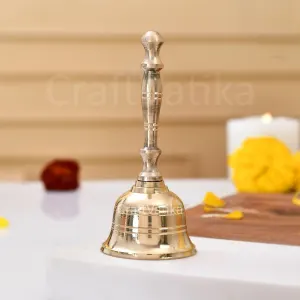
Brass Puja Bell Ghanti for Mandir
View details
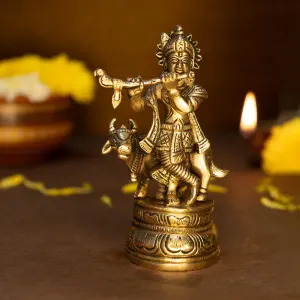
Pure Brass Lord Krishna Idol
View details
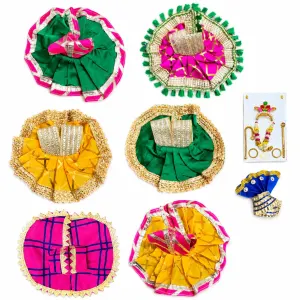
Laddu Gopal Poshak Dress Set with Mukut
View details

Original Shankh for Puja and Home Mandir
View details
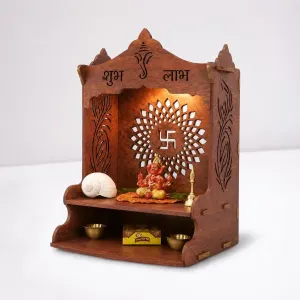
Wooden Home Mandir Temple for Pooja Room
View details