Parsurameswara Temple, Bhubaneswar: History, Timings & Visitor Guide
Parsurameswara Temple (IAST: Paraśurāmeśvara) also spelt Parashurameshvara, is a Hindu temple, located in the East Indian city of Bhubaneswar, the capital of Odisha, India, is considered the best preserved specimen of an early Odia Hindu temple dated to the Shailodbhava period between the 7th and 8th centuries…

About Parsurameswara Temple
Parsurameswara Temple (IAST: Paraśurāmeśvara) also spelt Parashurameshvara, is a Hindu temple, located in the East Indian city of Bhubaneswar, the capital of Odisha, India, is considered the best preserved specimen of an early Odia Hindu temple dated to the Shailodbhava period between the 7th and 8th centuries CE. The temple is dedicated to the Hindu god Shiva and is one of the oldest existing temples in the state. It is believed to have been built around 650 CE in Nagara style and has all the main features of the pre-10th century Kalinga Architecture style temples. The temple is one among the Parashurameshvara group of temples.
Parashurameshvara Temple has a vimana, the sanctum, and a bada, the curvilinear spire over its roof, rising to a height of 40.25 ft (12.27 m). It is the first temple to have an additional structure called jagamohana, compared to the earlier temples that had only the vimana. Though the temple is dedicated to Shiva, it contains sculpted images of Shakta deities, which are otherwise normally part of Shakta temples. The temple is the first in Bhubaneswar to contain depictions of Saptamatrikas, namely, Chamunda, Varahi, Indrani, Vaishnavi, Kaumari, Shivani and Brahmi. The temple is maintained and administered by the Archaeological Survey of India (ASI) as a ticketed monument. Parashurashtami is the major festival celebrated in the temple during June–July every year. The temple is one of the most prominent tourist attractions in the state of Odisha.
Parsurameswara Temple: Key Facts
- TempleParsurameswara Temple
- LocationBhubaneswar, Odisha
- StateOdisha
- Entry FeeFree (general darshan)
- Best Time to VisitOctober to March
- Nearest Railway StationLingaraj Temple Road railway station, ~4 km
- Nearest AirportBhubaneswar (BBI), ~4 km
- GPS20.23333, 85.85000
Parsurameswara Temple Timings 2026
Parsurameswara Temple is open every day, usually from early morning to late evening with a break in the afternoon. Darshan and aarti timings change with the season and on festival days.
- MorningOpens early morning (around 5 to 6 AM)
- AfternoonShort break around midday at many temples
- EveningEvening aarti around sunset, closes by about 8 to 9 PM
Ask the temple office on arrival for the day's aarti schedule.
Dress Code & Temple Rules
- DressModest, traditional clothes covering shoulders and knees
- FootwearRemove before entering; use the shoe stand
- PhotographyNot allowed inside the sanctum
- Not AllowedLeather items, tobacco, alcohol, non-veg food
- QueueFollow queue lines and staff instructions on festival days
How to Reach Parsurameswara Temple
- LocationBhubaneswar, Odisha
- By AirBhubaneswar (BBI), about 4 km
- By AirRanchi (IXR), about 347 km
- By TrainLingaraj Temple Road railway station, about 4 km
- Major StationBhubaneswar railway station, about 4 km
- By RoadTaxis, autos and state buses from the railway station and nearby cities
Distance from Nearby Cities
| From | Road Distance (approx.) | Travel Time (approx.) |
|---|---|---|
| Bhubaneswar | 5 km | 1 hr |
| Ranchi | 451 km | 10 hr |
| Kolkata | 494 km | 11 hr |
| Visakhapatnam | 511 km | 11 hr |
| Raipur | 572 km | 13 hr |
Best Time to Visit
October to March. Winter is pleasant for darshan and sightseeing. May–June can be very hot and July–September brings monsoon rain. Weekday mornings are the least crowded; expect long queues on weekends, holidays and festivals.
History of Parsurameswara Temple
Parashurameshvara Temple is one of the Parashurameshvara group of temples, considered to be the oldest temples in Bhubaneswar. Some historians believe Parashurameshvara Temple to have been built in the early 8th century CE., subsequent to the construction of the Satruguneswar, Bharateswar and Lakshmaneswar temples in the late 7th century, although K.C.Panigrahi places the date as 650 CE. Fergusson believed that the temple might have been initiated at around 500 CE. A mid-7th century date is agreed by most scholars based on style and the presence of the eight planets which appear over the door to the inner sanctum as the later temples portray nine.
Parashurameshvara Temple was built by the Shailodbhavas, who had Shiva as their family deity. The Shailodbhavas also respected the Shakta deities and depicted Shakta images on the walls of the temple. The temple was repaired in 1903, with some changes in the roof of the inner sanctum, whilst retaining most of the original structure. Being located in the eastern coast, Parashurameshvara, like other Odia temples, was not much affected by Muslim invasions of the 12–13th centuries. In modern times, the temple is maintained and administered by the Archaeological Survey of India (ASI) as a ticketed monument.
Legend & Significance
Parashurameshvara represents Shiva as the lord of Parashurama, one of the avatars of Vishnu. According to Hindu legend, the temple derives its name from the penance of Parashurama and the resultant grace of Shiva. Parashuramashtami is the major festival celebrated in the temple on the 8th day of Ashadha (June–July) when the festival image of
Parashurameshvara Temple, along with Rajarani Temple and Vaitala Deula, substantiates the existence of the Devadasi tradition during the 7th and 8th centuries CE. Devadasis were girls dedicated to worship and service of a deity or a temple for the rest of their lives and usually enjoyed a high societal status. They were usually transferred to the king's palace and subsequently performed for the general masses. The temple is considered the best preserved specimen among the various oldest temples in the city.
Architecture of Parsurameswara Temple
The Kalingan temples have two parts: the sanctum, called vimana, and a place from where pilgrims view the sanctum, called the jagamohana (hall of worshippers). Parashurameshvara Temple is the first to have this additional structure. The initial deul temples were without the jagamohana as seen in some of the older temples in Bhubaneswar, while the later temples had two additional structures namely nata-mandapa (festival hall) and bhoga-mandapa (hall of offerings). The vimana is square in plan and the walls have sections called rathas or pagas. The vimana has a curvilinear tower (called bada) in the form of a pyramid composed of horizontal planes. The sanctum of the temple measures 9.88 × 9.75 ft (3.0 × 3.0 m) from the inside, 19.75 × 21 ft (6.0 × 6.4 m) from the outside and has a height of 40.25 ft (12.3 m). Amalaka, a stone disk with ridges on the rim, is placed over the bada of the temple.
The jagamohana is rectangular in shape and has a two-element sloping roof with clerestory windows between them. The jagamohana measures 24.94 × 18.33 ft (7.6 × 5.6 m) from the inside and 29.33 × 28.58 ft (8.9 × 8.7 m) from the outside. The latticed windows are classified as pata jali where perforations are square or rectangular in shape. In addition, there are trellised windows with slabs of stone sculptures depicting dancers and musicians. Light enters the interior through doors and the latticed windows. The junction of the vimana and the jagmohana is not cleanly built, leading some scholars to postulate that the porch was added at a much later date; however, the primitive connection is attributed to the building technique. The temple was constructed by burying completed portions in inclined layers of earth up which heavy pieces of stone were dragged.
Frequently Asked Questions
Temples Near Parsurameswara Temple

Brahmeswara Temple
Brahmeswara Temple is a Hindu temple dedicated to Shiva located in Bhubaneswar, Odisha, India, erected at the end of the 9th century CE, is richly…
Read Full Guide
Muktesvara deula
Mukteshwara Temple (IAST: Mukteśwara; also spelt Mukteswara) is a 10th-century Hindu temple dedicated to Shiva located in Bhubaneswar, Odisha…
Read Full Guide
Suka Temple
Suka Temple is an abandoned and unused temple in Bhubaneswar, the capital of Odisha, India. The temple is devoted to saptaratha and the presence of…
Read Full Guide
Chakreshvari Siva Temple
Chakresvara Shiva temple is a living Hindu temple built in 10-11 AD dedicated to Lord Shiva at Hatiasuni lane, Rajarani Colony, Bhubaneswar of…
Read Full Guide
Ananta Vasudeva Temple
Ananta Vasudeva Temple ("Temple of the Infinite Vāsudeva", Odia:ଅନନ୍ତ ବାସୁଦେବ ମନ୍ଦିର) is a Hindu temple dedicated to Krishna, an avatar of Vishnu…
Read Full Guide
Rajarani Temple
Rajarani Temple is an 11th-century CE Hindu temple located in Bhubaneswar, the capital city of Odisha (Orissa previously), India. Believed to be…
Read Full GuideShop Puja & Temple Accessories
Handpicked pooja items and temple accessories for your home mandir, delivered anywhere in India.
Dwarkadhish Photo Frame for Home Mandir
View details
Brass Panchmukhi Diya for Aarti
View details
Tulsi Mala 108 Beads with Japa Bag
View details

Brass Puja Bell Ghanti for Mandir
View details
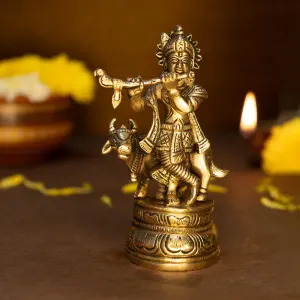
Pure Brass Lord Krishna Idol
View details
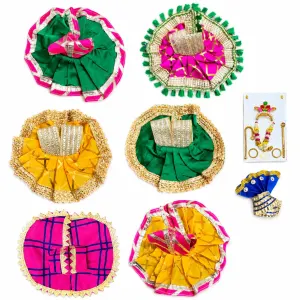
Laddu Gopal Poshak Dress Set with Mukut
View details

Original Shankh for Puja and Home Mandir
View details
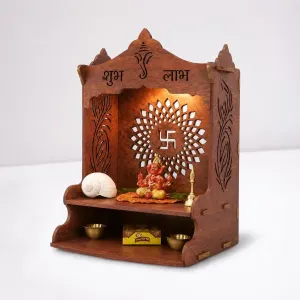
Wooden Home Mandir Temple for Pooja Room
View details