Durgiana Temple, Amritsar: History, Timings & Visitor Guide
Durgiana Temple or Shri Durgiana Mandir is a Hindu temple situated in the city of Amritsar in Punjab, India. Though a Hindu temple, its architecture is similar to the Sikh Harmandir Sahib (Golden Temple).

About Durgiana Temple
Durgiana Temple or Shri Durgiana Mandir is a Hindu temple situated in the city of Amritsar in Punjab, India. Though a Hindu temple, its architecture is similar to the Sikh Harmandir Sahib (Golden Temple). The temple derives its name from the Goddess Durga, the chief Goddess who is worshipped here. Murtis of Lakshmi and Vishnu are also located and worshipped in the temple.
Although it is believed that Durgiana Mandir was built in 1921, the temple existed before it was rebuilt in 1921. It is confirmed by record in Amritsar District Gazetteer of 1893, which spoke about the Durgiana Sarovar and "Devi dwara" surrounding it which was visited by Hindu pilgrims.
Durgiana Temple: Key Facts
- TempleDurgiana Temple
- LocationAmritsar, Punjab
- StatePunjab
- Entry FeeFree (general darshan)
- Best Time to VisitOctober to March
- Nearest Railway StationAmritsar railway station, ~1 km
- Nearest AirportAmritsar (ATQ), ~11 km
- GPS31.62723, 74.86741
Durgiana Temple Timings 2026
Durgiana Temple is open every day, usually from early morning to late evening with a break in the afternoon. Darshan and aarti timings change with the season and on festival days.
- MorningOpens early morning (around 5 to 6 AM)
- AfternoonShort break around midday at many temples
- EveningEvening aarti around sunset, closes by about 8 to 9 PM
Check the exact timings on the official website before your visit.
Dress Code & Temple Rules
- DressModest, traditional clothes covering shoulders and knees
- FootwearRemove before entering; use the shoe stand
- PhotographyNot allowed inside the sanctum
- Not AllowedLeather items, tobacco, alcohol, non-veg food
- QueueFollow queue lines and staff instructions on festival days
How to Reach Durgiana Temple
- LocationAmritsar, Punjab
- By AirAmritsar (ATQ), about 11 km
- By AirJammu (IXJ), about 118 km
- By TrainAmritsar railway station, about 1 km
- By RoadTaxis, autos and state buses from the railway station and nearby cities
Distance from Nearby Cities
| From | Road Distance (approx.) | Travel Time (approx.) |
|---|---|---|
| Amritsar | 14 km | 1 hr |
| Jammu | 154 km | 3 hr |
| Kangra | 188 km | 4 hr |
| Chandigarh | 275 km | 6 hr |
| Shimla | 283 km | 6 hr |
Best Time to Visit
October to March. Winter is pleasant for darshan and sightseeing. May–June can be very hot and July–September brings monsoon rain. Weekday mornings are the least crowded; expect long queues on weekends, holidays and festivals.
History of Durgiana Temple
The original temple was built in 16th century. In a British report from 1880, the temple is mentioned as having been constructed in the mid-18th century, being described as a brick structure with colour decorations. It was rebuilt in 1921 by Guru Harsai Mal Kapoor in the architectural style of the Sikh Shri Harmandir Sahib (Golden Temple). Harsai Mal was a descendant of Prithi Chand and hence Guru Ram Das. The grandchildren of Harsai Mal Kapoor is currently living in amritsar and one of caretakers of the idol of Harsai mal Kapoor.
Existence of the Talab is also mentioned in 1868 Municipal committee, Amritsar documents. John Campbell Oman who was Professor of natural science in The Government College, Lahore mentioned about durgiana in his book where he found some mystics practising yoga.
Durgiana Mandir is recorded in Amritsar District Gazetteer of 1893 which talks about Durgiana Sarovar and "Devi dwara" surrounding it which was thronged by Hindu pilgrims.
Architecture of Durgiana Temple
The temple is built in the middle of a sacred lake, which measures 160 metres (520 ft) × 130 metres (430 ft). Its dome and canopies are similar to that of the Golden temple of Sikh religion, also located in Amritsar. A bridge provides the approach to the temple. The dome of the temple is gilded. Marble is used extensively in the temple's features. The dome is illuminated with colourful lights. The temple is sometimes called Silver temple because of its large exquisitely designed silver doors. It has a rich collection of Hindu scriptures. The temple complex also has some historic subsidiary temples such as Seetla Mata and Bara Hanuman.
Festivals & Rituals at Durgiana Temple
Major Hindu festivals celebrated in the temple are Dussehra, Janmashtami, Rama Navami, and Diwali. A Sāwan festival is also celebrated in Durgiana Mandir in the Holy Shravan month of Hindu Calendar where newlywed couples gather at temple to worship Radha Krishna. Women adorn themselves with flower jewellery and worship at temple along with their husbands. Another festival celebrated in Durgiana temple complex is the famous 'Langur Mela' during 10 days of Navratri and Dussehra. Pilgrims in large numbers throng to the Bada Hanuman temple, with their children dressed as Langur to offer prayers in this temple, situated in the Durgiana temple complex.
Frequently Asked Questions
Temples Near Durgiana Temple

Masroor Temples
The Masrur Temples, also referred to as Masroor Temples or Rock-cut Temples at Masrur, is an early 8th-century complex of rock-cut Hindu temples in…
Read Full GuideShop Puja & Temple Accessories
Handpicked pooja items and temple accessories for your home mandir, delivered anywhere in India.
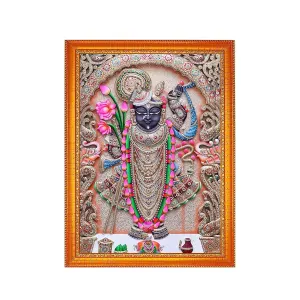
Dwarkadhish Photo Frame for Home Mandir
View details
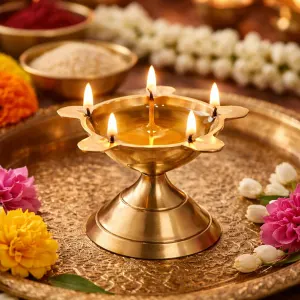
Brass Panchmukhi Diya for Aarti
View details
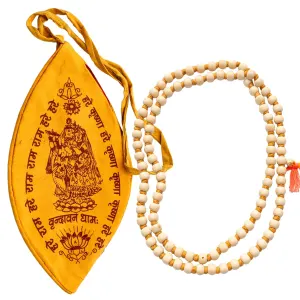
Tulsi Mala 108 Beads with Japa Bag
View details
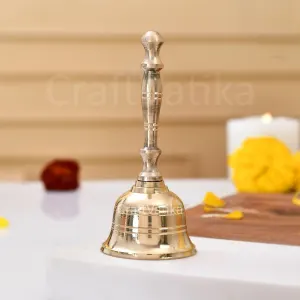
Brass Puja Bell Ghanti for Mandir
View details
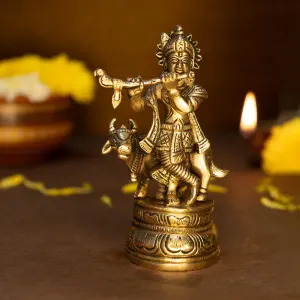
Pure Brass Lord Krishna Idol
View details
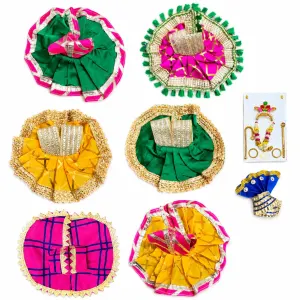
Laddu Gopal Poshak Dress Set with Mukut
View details

Original Shankh for Puja and Home Mandir
View details
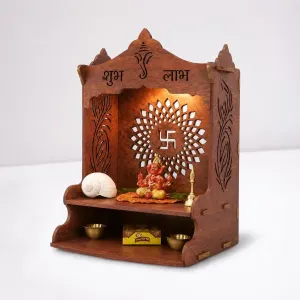
Wooden Home Mandir Temple for Pooja Room
View details