Nataraja Temple, Chidambaram: History, Timings & Visitor Guide
Thillai Nataraja Temple, also referred as the Chidambaram Nataraja Temple, is a Hindu temple dedicated to Nataraja, the form of Shiva as the lord of dance (cosmic dancer). This temple is located in Chidambaram, Tamil Nadu, India.

About Nataraja Temple
Thillai Nataraja Temple, also referred as the Chidambaram Nataraja Temple, is a Hindu temple dedicated to Nataraja, the form of Shiva as the lord of dance (cosmic dancer). This temple is located in Chidambaram, Tamil Nadu, India. This temple has ancient roots and a Shiva shrine existed at the site when the town was known as Thillai. Chidambaram, the name of the city literally means "stage of consciousness". The temple is commonly called "Kovil" (The Temple) in Tamil Shaivism Tradition. The architecture symbolizes the connection between the arts and spirituality, creative activity and the divine. The temple wall carvings display all the 108 karanas from the Natya Shastra by Bharata Muni, and these postures form a foundation of Bharatanatyam, an Indian classical dance. it is the only Shiva temple common to both the Pancha Sabha Thalam and the Pancha Bhuta Thalam.
The present temple was renovated into current form in the 10th century when Chidambaram was one of the main cities of Chola dynasty. As per the Thiruvalangadu Copper plate and Thiruvilandur Copper plate inscriptions, the Golden roof of the shrine was constructed by Parantaka Chola I during 9th CE. The temple is mentioned in 7th CE Thevaram and Thiruvasagam Hymns making it older than Medieval Cholas. Cholas revered Nataraja as their family deity, as per Periyapuranam Cholas got crowned in this temple. This temple has been damaged, repaired, renovated and expanded through the 2nd millennium. Most of the temple's surviving plan, architecture and structure is from the late 12th and early 13th centuries, with later additions in similar style. While Shiva as Nataraja is the primary deity of the temple, it reverentially presents major themes from Shaktism, Vaishnavism, and other traditions of Hinduism. The Chidambaram temple complex, for example, has the earliest known Amman or Devi temple in South India, a pre-13th-century Surya shrine with chariot, shrines for Ganesha, Murugan and Vishnu, one of the earliest known Shiva Ganga sacred pools, large mandapas for the convenience of pilgrims (choultry, ambalam or sabha) and other monuments. Shiva himself is presented as the Nataraja performing the Ananda Tandava ("Dance of Delight") in the golden hall of the shrine Pon Ambalam.
The temple is one of the five elemental lingas in the Shaivism pilgrimage tradition, and considered the subtlest of all Shiva temples (Kovil) in Hinduism. It is also a site for performance arts, including the annual Natyanjali dance festival on Maha Shivaratri.
Nataraja Temple: Key Facts
- TempleNataraja Temple
- LocationChidambaram, Tamil Nadu
- StateTamil Nadu
- Entry FeeFree (general darshan)
- Best Time to VisitOctober to February
- Nearest Railway StationChidambaram railway station, ~1 km
- Nearest AirportPuducherry (PNY), ~65 km
- GPS11.39944, 79.69333
Nataraja Temple Timings 2026
Nataraja Temple is open every day, usually from early morning to late evening with a break in the afternoon. Darshan and aarti timings change with the season and on festival days.
- MorningOpens early morning (around 5 to 6 AM)
- AfternoonShort break around midday at many temples
- EveningEvening aarti around sunset, closes by about 8 to 9 PM
Ask the temple office on arrival for the day's aarti schedule.
Dress Code & Temple Rules
- DressModest, traditional clothes covering shoulders and knees
- FootwearRemove before entering; use the shoe stand
- PhotographyNot allowed inside the sanctum
- Not AllowedLeather items, tobacco, alcohol, non-veg food
- QueueFollow queue lines and staff instructions on festival days
How to Reach Nataraja Temple
- LocationChidambaram, Tamil Nadu
- By AirPuducherry (PNY), about 65 km
- By AirTiruchirappalli (TRZ), about 129 km
- By TrainChidambaram railway station, about 1 km
- Major StationViluppuram Junction railway station, about 64 km
- By RoadTaxis, autos and state buses from the railway station and nearby cities
Distance from Nearby Cities
| From | Road Distance (approx.) | Travel Time (approx.) |
|---|---|---|
| Puducherry | 84 km | 2 hr |
| Tiruchirappalli | 167 km | 4 hr |
| Salem | 237 km | 5 hr |
| Chennai | 240 km | 5 hr |
| Madurai | 321 km | 7 hr |
Best Time to Visit
October to February. The weather is cooler and drier. April–May is very hot, and the monsoon brings heavy rain to the coast. Weekday mornings are the least crowded; expect long queues on weekends, holidays and festivals.
History of Nataraja Temple
The Nataraja temple has ancient roots, early textual evidence, such as those of the Sangam tradition, suggest a temple existed here along with Madurai in ancient times, but the town is not named Chidambaram in these pre-5th-century texts. The earliest mention of "dancing god of Chidambaram" as Shiva is found in 6th- and early-7th-century texts by Appar and Sambadar. The Suta Samhita embedded inside Sri Kanda Puranam and variously dated between 7th and 10th century mentions the Chidambaram dance. Likely following the temple architecture tradition that is found all over South India from at least the 5th century when many older brick and wooden temples were being replaced by more lasting temples from cut stone as the building blocks in dozens of places across South India. The surviving Nataraja temple has a structure that is traceable to the early Chola Dynasty. Chidambaram was the early capital of this dynasty, and Shiva Nataraja was their family deity. The Chidambaram temple town remained important to the Cholas, albeit with increasing competition from other temple towns when Rajaraja Chola I moved the capital to Thanjavur, built a new city and the massive Brihadeeswarar Temple dedicated to Shiva in the early 11th century, which is now a world heritage site.
Nataraja Shiva and his "dance of bliss" is an ancient Hindu art concept. It is found in various texts such as Tatva Nidhi which describes seven types of dance and their spiritual symbolism, Kashyapa Silpa which describes 18 dance forms with iconographic details and design instructions, as well as Bharata's ancient treatise on performance arts Natya Shastra which describes 108 dance postures among other things. Reliefs and sculptures of Nataraja have been found across the Indian subcontinent, some dating to the 6th century and earlier such as in Aihole and Badami cave temples.
The earliest historically verifiable Shiva temple at Chidambaram is traceable in inscriptions that date to the rule of Aditya Chola I in the early 10th century, and far more during the rule of the 10th-century Chola king Parantaka Chola I. For them, the dancing Shiva was the kula-nayaka (family guide or deity) and Chidambaram was the capital they built. These inscriptions and texts from this period suggest that the significance of the Agama texts and Shaiva Bhakti movement was strengthening within the Chola leadership and thought.
Legend & Significance
The Chidambaram temple legend is contained in the 12th-century text Chidambara-mahatmya. The central episode states that Shiva visits sages in the mythical forest in the form of a dancer mendicant (Bhikshatana) accompanied by Mohini, Vishnu in his avatar as a beautiful woman. Mohini triggers lustful interest of the sages, while Shiva performs Tandava dance that triggers the carnal interest of the wives of these sages. The sages ultimately realise how superficial their austerities have been. The episode becomes widely known. Two sages named Patanjali (also called Sesha-bodied in the south for his connection to Vishnu) and Vyaghrapada (also called Tiger-footed sage) want to see the repeat performance of this "dance of bliss" in the Thaillai forest, Chidambaram. They set up a Shivalinga, pray, meditate and wait. Their asceticism impresses Shiva who appeared before them in Chidambaram and performed "the dance" against "the wall, in the blessed hall of consciousness". This is how this temple started, according to the mahatmya embedded in the Tamil Sthalapurana. According to Kulke, the late medieval text Chidambaramahatmya may reflect a process of Sanskritisation, where these North Indian named sages with Vedic links became incorporated into regional temple mythology.
According to a Hindu legend, once Shiva and his consort Parvati wanted to judge who among them was a better dancer, and wanted their sons Ganesha and Murugan to judge their performances. Both of them judged in favour of Parvati, after which Shiva was not satisfied. He wanted Brahma to judge, and the competition was held in Thiruvalangadu. Brahma was still not satisfied, and he wanted Vishnu to judge, and the latter wanted the competition in Tillaivanam. Shiva performed the Urthvathandavam pose of picking his earring with his legs, and wearing them in the ear with his legs. Parvati was not able to perform the feat. Vishnu was Impressed and declared Shiva as the winner. Parvati got angry due to her frustration at her defeat, became Kali at the Thillai Kali temple.
Architecture of Nataraja Temple
The temple as it stands had a pre-Chola existence and the architecture is a combination of Chola and Pandyan architecture with the Sanctum Sanctorum closely resembling Kerala style structures. Indeed, the royal charters mention the rebuilding of the Sanctum using architects from Kerala. However, the golden roof is a striking example of Vesara architecture with its apsidal shape. Two small structures called the Chit Sabha and Kanak Sabha form the crux of the vast architectural complex. The temple is spread over a 40-acre (16 ha) area, within layers of concentric courtyards. The inner sanctum, its connecting mandapams and pillared halls near it are all either squares or stacked squares or both. The complex has nine gopurams, several water storage structures of which the Shivaganga sacred pool is the largest with a rectangular plan. The temple complex is dedicated to Nataraja Shiva and theological ideas associated with Shaivism concepts in Hinduism. However, the temple also includes shrines for Devi, Vishnu, Subrahmanyar, Ganesha, Nandi and others including an Amman shrine, a Surya shrine complete with Chariot wheels. The plan has numerous gathering halls called sabha, two major choultry called the 100 pillared and 1,000 pillared halls, inscriptions and frescoes narrating Hindu legends about gods, goddesses, saints and scholars.
Frequently Asked Questions
Temples Near Nataraja Temple

Thirukkavalampadi
Thirukkavalampadi also known as the Gopalakrishna Perumal Temple is a hindu temple located in Thirunangur in Sirkali taluk of Mayiladuthurai…
Read Full Guide
Gangaikonda Cholapuram Temple
The Brihadisvara Temple is a Hindu temple dedicated to Shiva in Gangaikonda Cholapuram, Jayankondam, in the South Indian state of Tamil…
Read Full Guide
Pataleeswarar Temple
Pataleeswarar Temple (பாடலீஸ்வரர் கோயில்) is a Hindu shrine dedicated to Shiva in the town of Thirupathiripuliyur, Cuddalore. It was constructed…
Read Full Guide
Thiruvadigai Temple, Panruti
Thiruvathigai Veerateswarar Temple (also Virattaneshwara Temple, Tamil: வீரட்டானேசுவரர் ) is a Hindu temple dedicated to Shiva. It is situated in…
Read Full Guide
Sri Devaadi Raja Perumal Temple
The Devaadi Raja Perumal temple (Tamil: தேவாதிராஜன் பெருமாள் கோயில்) (also called Amaruviappan temple) in Therazhundur, a village in Mayiladuthurai…
Read Full Guide
Mahalingeswarar Temple, Thiruvidaimarudur
Mahalingeswaraswamy Temple, Thiruvidaimarudur is a Hindu temple dedicated to the deity Shiva, located in Tiruvidaimaruthur, a village in the South…
Read Full GuideShop Puja & Temple Accessories
Handpicked pooja items and temple accessories for your home mandir, delivered anywhere in India.
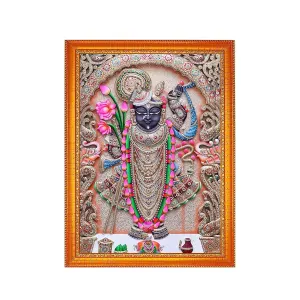
Dwarkadhish Photo Frame for Home Mandir
View details
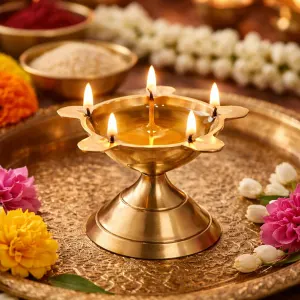
Brass Panchmukhi Diya for Aarti
View details

Tulsi Mala 108 Beads with Japa Bag
View details

Brass Puja Bell Ghanti for Mandir
View details
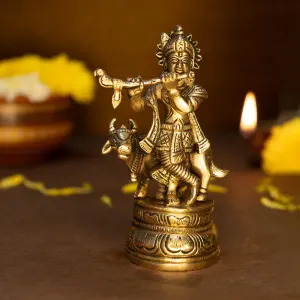
Pure Brass Lord Krishna Idol
View details

Laddu Gopal Poshak Dress Set with Mukut
View details

Original Shankh for Puja and Home Mandir
View details
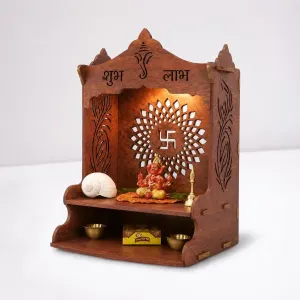
Wooden Home Mandir Temple for Pooja Room
View details