Janardanaswamy Temple, Thiruvananthapuram: History, Timings & Visitor Guide
The Janardanaswamy Temple, also known as the Varkala Temple, is a Hindu temple situated in Janardhanapuram, Varkala city, Thiruvananthapuram district, Kerala, India. The temple is dedicated to the worship of deity Vishnu in the form of Janardanaswamy, locally known as Varkaleswara (the lord of Varkala).

About Janardanaswamy Temple
The Janardanaswamy Temple, also known as the Varkala Temple, is a Hindu temple situated in Janardhanapuram, Varkala city, Thiruvananthapuram district, Kerala, India. The temple is dedicated to the worship of deity Vishnu in the form of Janardanaswamy, locally known as Varkaleswara (the lord of Varkala). It is a renowned temple within its locale, and is thousands of years old.
Janardanaswamy Temple: Key Facts
- TempleJanardanaswamy Temple
- LocationThiruvananthapuram, Kerala
- StateKerala
- Entry FeeFree (general darshan)
- Best Time to VisitOctober to February
- Nearest Railway StationVarkala Sivagiri railway station, ~2 km
- Nearest AirportThiruvananthapuram (TRV), ~36 km
- GPS8.73183, 76.70987
Janardanaswamy Temple Timings 2026
Janardanaswamy Temple is open every day, usually from early morning to late evening with a break in the afternoon. Darshan and aarti timings change with the season and on festival days.
- MorningOpens early morning (around 5 to 6 AM)
- AfternoonShort break around midday at many temples
- EveningEvening aarti around sunset, closes by about 8 to 9 PM
Check the exact timings on the official website before your visit.
Dress Code & Temple Rules
- DressModest, traditional clothes covering shoulders and knees
- FootwearRemove before entering; use the shoe stand
- PhotographyNot allowed inside the sanctum
- Not AllowedLeather items, tobacco, alcohol, non-veg food
- QueueFollow queue lines and staff instructions on festival days
How to Reach Janardanaswamy Temple
- LocationThiruvananthapuram, Kerala
- By AirThiruvananthapuram (TRV), about 36 km
- By AirTuticorin (TCR), about 145 km
- By TrainVarkala Sivagiri railway station, about 2 km
- Major StationKadakkavoor railway station, about 9 km
- By RoadTaxis, autos and state buses from the railway station and nearby cities
Distance from Nearby Cities
| From | Road Distance (approx.) | Travel Time (approx.) |
|---|---|---|
| Thiruvananthapuram | 47 km | 1 hr |
| Tuticorin | 188 km | 4 hr |
| Kochi | 210 km | 5 hr |
| Madurai | 254 km | 6 hr |
| Coimbatore | 336 km | 7 hr |
Best Time to Visit
October to February. The weather is cooler and drier. April–May is very hot, and the monsoon brings heavy rain to the coast. Weekday mornings are the least crowded; expect long queues on weekends, holidays and festivals.
History of Janardanaswamy Temple
Varkala, a seaside suburban town of Thiruvananthapuram, is also known as Janardanapuram or Udayamarthandapuram or Balit, and is a sacred pilgrim center. The Varkala Janardanaswamy Temple is among the 108 Abhimana Kshethrams, a group of Vaishnavite shrines that are considered among the foremost existing Vishnu Temples, and are repeatedly mentioned in extant ancient texts like the Puranas and Itihasas. The Bhagavata Purana and the Mahabharata mention that Balarama, the elder brother of Krishna, visited this shrine during his pilgrimage to the Kanyakumari Temple and other temples in the south.
It is believed that praying at the temple and taking a bath at the nearby Papanasam beach will wash away one's sins. Varkala is also considered as the best place to do pitrkarma, which is why it is sometimes also called "Dakshina Kashi" (literally the "Kashi of the South"). It is also called "Gaya of the South". Varkala draws hundreds of pilgrims and visitors all year round.
The presiding deity of this temple, Janardanaswamy, is found standing and facing east. His right hand performs "Aachamanam" and is raised towards his mouth; as per legend, the world will come to an end when his hand reaches his mouth. It is believed this will happen at the end of the Kali Yuga.
Legend & Significance
According to the temple legend, attracted by the music from Narada’s veena, Vishnu followed him and reached Satyaloka. Brahma saw Vishnu and prostrated before him. Vishnu soon realized that he had reached Satyaloka, but did not realize that Brahma was prostrating before him, and returned to Vaikuntha. It seemed then as if Brahma was falling at the feet of Narada and all the devas who were looking on laughed. This angered Brahma, and he cursed the devas to be born as humans on Earth. The devas repented their folly and begged to be forgiven. Brahma replied that the curse would be withdrawn when they had performed a penance to please Vishnu. The devas asked where they should do the penance, and Brahma replied that the place would be where Narada’s cloth had fallen: Varkala. The devas performed the penance accordingly to relieve the curse.
There exist other similar legends about the origin of the temple. Another states that long ago, Brahma came to earth to perform a yajna (fire sacrifice) in the location of Varkala. He was so immersed in doing yajna that he forgot his role of creation. Vishnu came to Varkala in the form of a very old man to remind Brahma about it. The Brahmins assisting Brahma received the old man and gave him food. But, whatever he ate, his hunger was not satiated. Brahma’s assistants told him about this. Brahma realized that his guest was Vishnu himself. He immediately went to Vishnu and found him trying to eat abhojana (unappetising food). Brahma prevented Vishnu from eating it, informing him that the act would cause the pralaya (deluge). Vishnu asked Brahma to stop the yajna and recommence his role of creation. He also showed him his vishvarupa (universal form).
Architecture of Janardanaswamy Temple
The temple sits on a tableland adjoining the sea and is reached by a long flight of stairs. The entrance to the inner shrine is flanked by the idols of Hanuman and Garuda on either side. In the main shrine is the idol of Janardana with Sridevi and Bhudevi. The main idol has a striking appearance with four arms having all the attributes of Vishnu. There are small temples of Shiva, Ganesha, Shastha, and Naga devata in this temple. In the south-western corner and on the north-eastern side of the outer enclosure are the shrines of Sasta and Shiva with Nandi.
The temple is a fine example of Kerala art and architecture. Aspects of the temple—including the circular "sanctum sanctorum" surmounted by a conical dome of copper sheets, the square mandapa with wooden carvings of Navagrahas on the ceiling and copper-plated roof, the quadrangular enclosures (prakaram) around them, and a hall containing a Bali Pitha in front of the inner temple—are characteristic features of Kerala architecture and the highly embellished temples of South India.
Festivals & Rituals at Janardanaswamy Temple
Offering obeisances to the departed souls and forefathers is an important ritual at the temple. Four poojas are conducted each day. The temple's chief priest is a Tulu Brahmin, who should not be a native of the place where the temple exists.
People believe that ancestors worshipped in this temple will be pleased. Possibly because of this, the Janardana is also called 'Pitru Mokshakan'.
Every year, in the Malayalam month of Meenam (March–April), a ten-day Arattu festival is celebrated at the Janardanaswamy Temple in Kerala's beach town of Varkala. The festival starts with a Kodiyettam flag hoisting ceremony, and ends with a procession of five decorated elephants through the streets. During the fourth and fifth days of the festival, the celebrations include all-night performances such as traditional Kathakali dancing. The arattu (holy bath) of the deity is conducted on Uttaram day in the Arabian Sea behind the temple.
Frequently Asked Questions
Temples Near Janardanaswamy Temple

Kottukal cave temple
Kottukkal Cave Temple, also known as Kaltrikkovil in Malayalam, is an existing example of rock cut architecture, built between 6th and 8th centuries…
Read Full Guide
Padmanabhaswamy Temple
The Padmanabhaswamy Temple (Malayalam: [pɐd̪mɐnaːbʰɐswaːmi]) is a Hindu temple dedicated to Vishnu in Thiruvananthapuram, Keralam, India. It is one…
Read Full Guide
Attukal Temple
The Attukal Bhagavathy Temple is a Hindu shrine located at Attukal in Kerala, India. It is situated near the heart of the city, two kilometres away…
Read Full Guide
Puliyur Mahavishnu Temple
The Thripuliyoor Mahavishnu Temple (also called Mayapiran temple) is a Hindu temple dedicated to Vishnu and located in Puliyoor, Alappuzha District…
Read Full Guide
Aranmula Parthasarathy Temple
The Aranmula Parthasarathy Temple is a Hindu temple located in Aranmula, a village in Pathanamthitta District, Kerala, South India, on the southern…
Read Full Guide
Thrichittatt Maha Vishnu Temple
The Thrichittatt Mahavishnu Temple (also called Thiruchenkundrur and Imayavarappan temple) is a Hindu temple dedicated to Vishnu, located in…
Read Full GuideShop Puja & Temple Accessories
Handpicked pooja items and temple accessories for your home mandir, delivered anywhere in India.
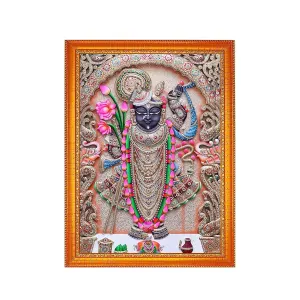
Dwarkadhish Photo Frame for Home Mandir
View details
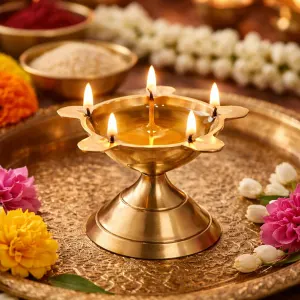
Brass Panchmukhi Diya for Aarti
View details
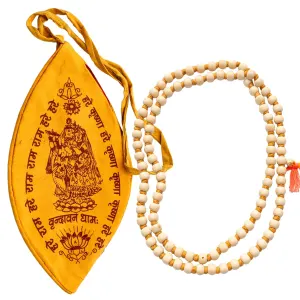
Tulsi Mala 108 Beads with Japa Bag
View details
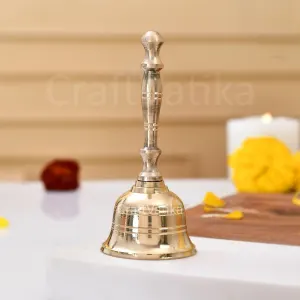
Brass Puja Bell Ghanti for Mandir
View details
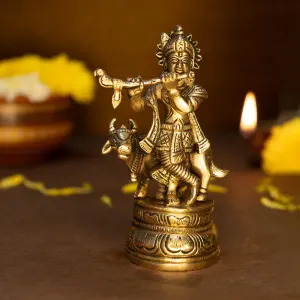
Pure Brass Lord Krishna Idol
View details
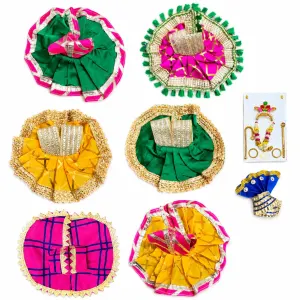
Laddu Gopal Poshak Dress Set with Mukut
View details
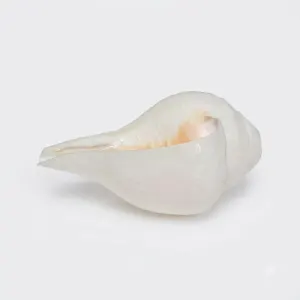
Original Shankh for Puja and Home Mandir
View details
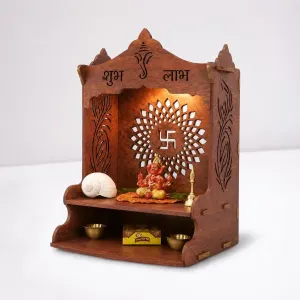
Wooden Home Mandir Temple for Pooja Room
View details