Trimbakeshwar Shiva Temple, Nashik: History, Timings & Visitor Guide
Trimbakeshwar Shiva Temple (श्री त्र्यंबकेश्वर ज्योतिर्लिंग मंदिर) is an ancient Hindu temple in the town of Trimbak, in the Trimbakeshwar tehsil, in the Nashik District of Maharashtra, India, 28 km from the city of Nashik and 40 km from Nashik…

About Trimbakeshwar Shiva Temple
Trimbakeshwar Shiva Temple (श्री त्र्यंबकेश्वर ज्योतिर्लिंग मंदिर) is an ancient Hindu temple in the town of Trimbak, in the Trimbakeshwar tehsil, in the Nashik District of Maharashtra, India, 28 km from the city of Nashik and 40 km from Nashik road. It is dedicated to the Hindu god Shiva and is one of the twelve jyotirlingas where the Hindu genealogy registers at Trimbakeshwar, Maharashtra are kept. The origin of the sacred Godavari River is near Trimbak. Several Hindu rituals are carried out in Trimbakeshwar, for that pilgrims travel from all over India.
The Kusavarta kunda (sacred pond) in the temple premises, built by Shrimant Sardar Raosaheb Parnerkar, who was the Fadnavis of Indore State, is the source of the Godavari River, the second longest river in India. A bust of Sardar Fadnavis and his wife can be seen on the edge of the kunda. The current temple was built by Peshwa Balaji Baji Rao after it was destroyed by Mughal ruler Aurangzeb.
Trimbakeshwar Shiva Temple: Key Facts
- TempleTrimbakeshwar Shiva Temple
- LocationNashik, Maharashtra
- StateMaharashtra
- Entry FeeFree (general darshan)
- Best Time to VisitOctober to March
- Nearest Railway StationPadli railway station, ~22 km
- Nearest AirportNashik (ISK), ~45 km
- GPS19.93224, 73.53069
Trimbakeshwar Shiva Temple Timings 2026
Trimbakeshwar Shiva Temple is open every day, usually from early morning to late evening with a break in the afternoon. Darshan and aarti timings change with the season and on festival days.
- MorningOpens early morning (around 5 to 6 AM)
- AfternoonShort break around midday at many temples
- EveningEvening aarti around sunset, closes by about 8 to 9 PM
Ask the temple office on arrival for the day's aarti schedule.
Dress Code & Temple Rules
- DressModest, traditional clothes covering shoulders and knees
- FootwearRemove before entering; use the shoe stand
- PhotographyNot allowed inside the sanctum
- Not AllowedLeather items, tobacco, alcohol, non-veg food
- QueueFollow queue lines and staff instructions on festival days
How to Reach Trimbakeshwar Shiva Temple
- LocationNashik, Maharashtra
- By AirNashik (ISK), about 45 km
- By AirShirdi (SAG), about 93 km
- By TrainPadli railway station, about 22 km
- Major StationVapi railway station, about 81 km
- By RoadTaxis, autos and state buses from the railway station and nearby cities
Distance from Nearby Cities
| From | Road Distance (approx.) | Travel Time (approx.) |
|---|---|---|
| Nashik | 59 km | 1 hr |
| Shirdi | 121 km | 3 hr |
| Mumbai | 152 km | 3 hr |
| Surat | 201 km | 4 hr |
| Pune | 202 km | 4 hr |
Best Time to Visit
October to March. Winter is pleasant for darshan and sightseeing. May–June can be very hot and July–September brings monsoon rain. Weekday mornings are the least crowded; expect long queues on weekends, holidays and festivals.
History of Trimbakeshwar Shiva Temple
As per the Shiva Purana, once Brahma (the Hindu God of creation) and Vishnu (the Hindu God of preservation) had an argument in terms of supremacy of creation. To test them, Shiva pierced the three worlds as a huge endless pillar of light, the jyotirlinga. Vishnu and Brahma split their ways to downwards and upwards respectively to find the end of the light in either direction. Brahma lied that he found out the end, while Vishnu conceded his defeat. Shiva, then assumed his true form and cursed Brahma that he would have no place in ceremonies while Vishnu would be worshipped till the end of eternity. The jyotirlinga is the supreme partless reality, out of which Shiva partly appears. The Jyotirlinga shrines, thus are places where Shiva appeared as a fiery column of light. Originally there were believed to be 64 jyotirlingas, while 12 of them are considered to be very auspicious and holy. Each of the twelve jyotirlinga sites take the name of the presiding deity - each considered different manifestation of Shiva. At all these sites, the primary image is lingam representing the beginningless and endless Stambha pillar, symbolizing the infinite nature of Shiva. The twelve jyotirlingas are:
Shiva showed himself as a Jyotirlinga on the night of the Aridra Nakshatra. It is believed that a person can see the Jyotirlingas as columns of fire piercing through the earth when he reaches a higher level of spiritual attainment. Each Jyotirlinga site takes the name of the presiding deity. Basically, the Jyotirlinga signifies the infinite nature of Shiva. At the highest level, Shiva is regarded as formless, limitless, transcendent and unchanging absolute Brahman and the primal Atman (soul, self) of the universe.
Hindu genealogy registers at Trimbakeshwar are the genealogy registers of pilgrims maintained here by pandits.
Legend & Significance
Shri Trimbakeshwar is a religious center having one of the twelve Jyotirlingas. The extraordinary feature of the Jyotirlinga located here is its three faces embodying Brahma, Vishnu, and Shiva. Due to the excessive use of water, the linga has started to erode. It is said that this erosion symbolizes the eroding nature of human society. The Lingas are covered by a jeweled crown which is placed over the Gold Mask of Trideva (Brahma Vishnu Shiva). The crown is said to be from the age of Pandavas and consists of diamonds, emeralds, and many precious stones. The original Nassak Diamond which adorned the revered linga was eventually stolen by the British and currently is placed on a sword. The crown is displayed every Monday from 4-5 pm (Shiva).
All other Jyotirlingas have Shiva as the main deity. The entire black stone temple is known for its appealing architecture and sculpture and is at the foothills of a mountain called Brahmagiri. Three sources of the Godavari originate from the Brahmagiri mountain.
Architecture of Trimbakeshwar Shiva Temple
The temple tank is called Amritavarshini, which measured 28 m (92 ft) by 30 m (98 ft). There are three other bodies of water, namely:
Frequently Asked Questions
Temples Near Trimbakeshwar Shiva Temple

Saptashrungi
Saptashrungi or Saptashringi (Marathi: सप्तशृङ्गि, Saptaśr̥ṇgī) is a site of Hindu pilgrimage in the village of Vani, situated 60 kilometres (37 mi)…
Read Full Guide
Shiv Mandir, Ambarnath
The Shiv Mandir of Ambarnath is a historic 11th-century Hindu temple,
Read Full Guide
Bhimashankar Temple
Bhimashankar Temple is a Hindu temple dedicated to Shiva situated in its eponymous village, Bhimashankar, in Pune district of Maharashtra. It is a…
Read Full Guide
Siddhivinayak Temple, Mumbai
The Shri Siddhivinayak Ganapati Mandir is a Hindu temple dedicated to Ganesha. It is located in Prabhadevi neighbourhood of Mumbai, Maharashtra.
Read Full Guide
Mumba Devi Temple
Mumba Devi Temple is a Hindu temple in Mumbai, Maharashtra, India, dedicated to the goddess Mumbā, the local incarnation of the Parvati (Mother…
Read Full Guide
Walkeshwar Temple
Walkeshwar Temple, also known as the (Baan Ganga Temple), is an Ancient Hindu temple, dedicated to Lord Shiva located in Walkeshwar, near Malabar…
Read Full GuideShop Puja & Temple Accessories
Handpicked pooja items and temple accessories for your home mandir, delivered anywhere in India.
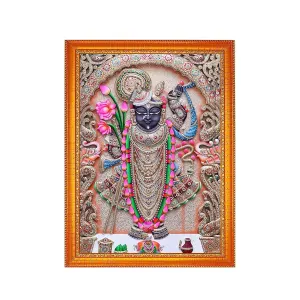
Dwarkadhish Photo Frame for Home Mandir
View details
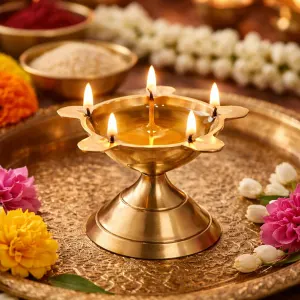
Brass Panchmukhi Diya for Aarti
View details

Tulsi Mala 108 Beads with Japa Bag
View details

Brass Puja Bell Ghanti for Mandir
View details
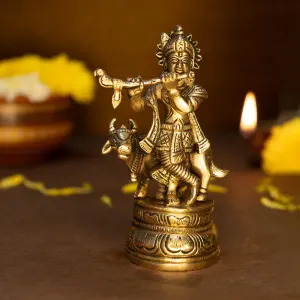
Pure Brass Lord Krishna Idol
View details

Laddu Gopal Poshak Dress Set with Mukut
View details

Original Shankh for Puja and Home Mandir
View details
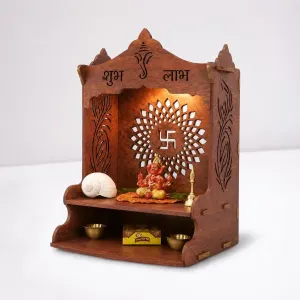
Wooden Home Mandir Temple for Pooja Room
View details