Jagannath Temple, Puri: History, Timings & Visitor Guide
The Jagannath Temple is a Hindu temple dedicated to Jagannath, a form of Vishnu. It is located in Puri, Odisha, on the eastern coast of India.

About Jagannath Temple
The Jagannath Temple is a Hindu temple dedicated to Jagannath, a form of Vishnu. It is located in Puri, Odisha, on the eastern coast of India. As per temple records, King Indradyumna of Avanti built the main temple. The present temple complex was rebuilt from the eleventh century onwards on the site of the earlier shrines, excluding the main Jagannath temple, and was begun by Anantavarman Chodaganga, the first ruler of the Eastern Ganga dynasty. Many of the temple rituals are based on Shabari Tantras which are evolved from tribal beliefs respectively. The local legends link the idols with Nilamadhaba deva worshipped by tribala and the daitapatis (servitors) claim to be descendants of the tribes. The temple is one of the 108 Abhimana Kshethram of the Sri Vaishnavite tradition.
The temple is renowned for its annual Ratha Yatra, chariot festival, which honours the three deities - Jagannath, Balabhadra and Subhadra. During the festival, the three principal deities are pulled on large and elaborately decorated raths, or temple cars. The worship is performed by the Bhil Sabar tribal priests, as well as priests of other communities in the temple. Unlike the stone or metal icons found in most Hindu temples, the image of Jagannath is carved from margosa wood and is ceremoniously replaced every 12 or 19 years with an identical replica, with an elaborate month long ceremony called nabakalebar. The temple is one of the Char Dham pilgrimage sites.
The temple is sacred and holy to all Hindus, and especially in those of the Vaishnava traditions. Many great Vaishnava saints, such as Chaitanya Mahaprabhu, Ramanujacharya, Madhvacharya, Nimbarkacharya, Vallabhacharya and Ramananda were closely associated with the temple. Ramanuja established the Emar Matha in the south-eastern corner of the temple, and Adi Shankaracharya established the Govardhan Math, which is the seat of one of the four Shankaracharyas. It is also of particular significance to the followers of Gaudiya Vaishnavism, whose founder, Chaitanya Mahaprabhu, was attracted to the deity, Jagannath, and lived in Puri for many years.
Jagannath Temple: Key Facts
- TempleJagannath Temple
- LocationPuri, Odisha
- StateOdisha
- Main DeityJagannath
- Entry FeeFree (general darshan)
- Best Time to VisitOctober to March
- Nearest Railway StationPuri railway station, ~2 km
- Nearest AirportBhubaneswar (BBI), ~49 km
- GPS19.80472, 85.81833
Jagannath Temple Timings 2026
Jagannath Temple is open every day, usually from early morning to late evening with a break in the afternoon. Darshan and aarti timings change with the season and on festival days.
- MorningOpens early morning (around 5 to 6 AM)
- AfternoonShort break around midday at many temples
- EveningEvening aarti around sunset, closes by about 8 to 9 PM
Check the exact timings on the official website before your visit.
Dress Code & Temple Rules
- DressModest, traditional clothes covering shoulders and knees
- FootwearRemove before entering; use the shoe stand
- PhotographyNot allowed inside the sanctum
- Not AllowedLeather items, tobacco, alcohol, non-veg food
- QueueFollow queue lines and staff instructions on festival days
How to Reach Jagannath Temple
- LocationPuri, Odisha
- By AirBhubaneswar (BBI), about 49 km
- By AirVisakhapatnam (VTZ), about 358 km
- By TrainPuri railway station, about 2 km
- By RoadTaxis, autos and state buses from the railway station and nearby cities
Distance from Nearby Cities
| From | Road Distance (approx.) | Travel Time (approx.) |
|---|---|---|
| Bhubaneswar | 63 km | 1 hr |
| Visakhapatnam | 466 km | 10 hr |
| Ranchi | 512 km | 11 hr |
| Kolkata | 543 km | 12 hr |
| Raipur | 587 km | 13 hr |
Best Time to Visit
October to March. Winter is pleasant for darshan and sightseeing. May–June can be very hot and July–September brings monsoon rain. Weekday mornings are the least crowded; expect long queues on weekends, holidays and festivals.
History of Jagannath Temple
Literary and epigraphic evidence indicates that the site of present-day Puri (also known in early sources as Purusottama Kshetra or Nilachala) had religious significance prior to the construction of the current Jagannath temple by Anantavarman Chodaganga Deva in the 12th century CE. The Skanda Purana's Utkal Khanda has a dedicated section to Puri called the "Purushottama Kshetra Mahatmya", while the Narada Purana and Matsya Purana also refer to Purusottama Kshetra as a sacred location dedicated to Vishnu. The Prabodha Chandrodaya Nataka (c. 11th century CE) of Krishna Mishra also mentions a devayatana (temple or shrine) of Purusottama, indicating an established shrine before the Ganga period. Traditional accounts also record the visit of Adi Shankaracharya to Puri in the 8th-9th century CE, during which he established the Govardhana Matha, further supporting the presence of an active pilgrimage centre before the 12th century architectural phase.
The earliest major reconstruction of the Jagannath Temple complex at Puri is attributed to Anantavarman Chodaganga of the Eastern Ganga dynasty, who ruled c. 1078-1150 CE and established the foundational structure of the present temple around the early 12th century. This is supported by the Kendupatna copper-plate inscription of his descendant, Narasingha Deva I, and inscriptions from Rajendra Chola's maternal side. Anantavarman was originally a Shaivite, and became a Vaishnavite sometime after he conquered the Utkala region, in which the temple is located, in 1112 CE. A 1134–1135 CE inscription records his donation to the temple. Therefore, the temple construction must have started sometime after 1112 CE.
Anantavarman's successor Anangabhima Deva III (r. c. 1211-1238 CE) formally dedicated the kingdom of Utkala to Jagannath and issued copper-plate inscriptions describing himself as the Rauta (servant) of the deity rather than a sovereign ruler. During the 15th-16th centuries, the Gajapati kings of Odisha, such as Kapilendra Deva and his successors, institutionalised the temple as a major state-supported religious centre under the Gajapati monarchy.
Frequently Asked Questions
Temples Near Jagannath Temple

Konark Sun Temple
Konark Sun Temple is a 13th-century CE Hindu Sun temple at Konark about 35 kilometres (22 mi) northeast from Puri city on the coastline in Puri…
Read Full Guide
Chausath Yogini Temple, Hirapur
The Chausathi Yogini Temple (64-Yogini Temple) of Hirapur, also known as the Mahamaya Temple, is 20 km outside Bhubaneswar, the capital of Odisha…
Read Full Guide
Kapilesvara Siva Temple
The Kapilesvara Siva temple is a Hindu temple dedicated to Shiva located in the south western outskirt of the village Kapilesvara, Old Town…
Read Full Guide
Aisanyesvara Siva Temple
Aisanyesvara Siva Temple is a 13th-century Hindu temple dedicated to Shiva located in Bhubaneswar, the capital of Odisha, India. The temple is in…
Read Full Guide
Bharateswar Temple
Bharateswara Shiva Temple is a 6th-century Hindu temple dedicated to Lord Shiva located in Bhubaneswar, the capital of Odisha, India. The enshrined…
Read Full Guide
Parsurameswara Temple
Parsurameswara Temple (IAST: Paraśurāmeśvara) also spelt Parashurameshvara, is a Hindu temple, located in the East Indian city of Bhubaneswar, the…
Read Full GuideShop Puja & Temple Accessories
Handpicked pooja items and temple accessories for your home mandir, delivered anywhere in India.
Dwarkadhish Photo Frame for Home Mandir
View details
Brass Panchmukhi Diya for Aarti
View details
Tulsi Mala 108 Beads with Japa Bag
View details
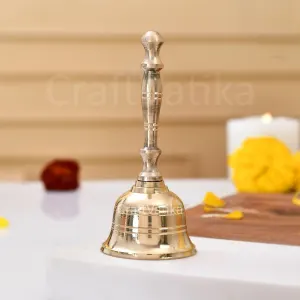
Brass Puja Bell Ghanti for Mandir
View details
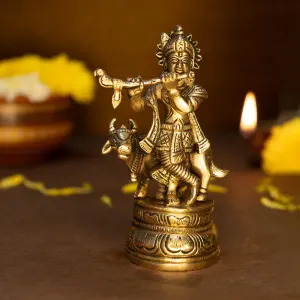
Pure Brass Lord Krishna Idol
View details
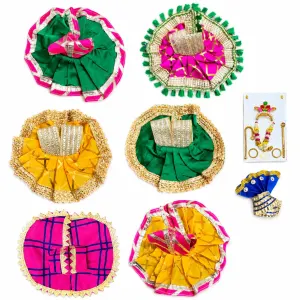
Laddu Gopal Poshak Dress Set with Mukut
View details

Original Shankh for Puja and Home Mandir
View details
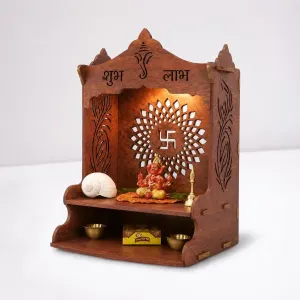
Wooden Home Mandir Temple for Pooja Room
View details