Konark Sun Temple, Puri: History, Timings & Visitor Guide
Konark Sun Temple is a 13th-century CE Hindu Sun temple at Konark about 35 kilometres (22 mi) northeast from Puri city on the coastline in Puri district, Odisha, India. The temple is attributed to king Narasingha Deva I of the Eastern Ganga dynasty about 1250 CE.

About Konark Sun Temple
Konark Sun Temple is a 13th-century CE Hindu Sun temple at Konark about 35 kilometres (22 mi) northeast from Puri city on the coastline in Puri district, Odisha, India. The temple is attributed to king Narasingha Deva I of the Eastern Ganga dynasty about 1250 CE. Dedicated to the Hindu Sun-god Surya, it reflects the pinnacle of Kalingan architecture and artistic excellence, what remains of the temple complex has the appearance of a 30-metre (100 ft) high chariot with immense wheels and horses, all carved from stone. Once over 61 metres (200 ft) high, much of the temple is now in ruins, in particular the large shikara tower over the sanctuary; at one time this rose much higher than the mandapa that remains. The structures and elements that have survived are famed for their intricate artwork, iconography, and themes, including erotic kama and mithuna scenes. Also called the Surya Devalaya, it is a classic illustration of the Odisha style of Architecture or Kalinga architecture.
The cause of the destruction of the Konark temple is unclear and still remains a source of controversy. Theories range from natural damage to deliberate destruction of the temple in the course of being sacked several times by Muslim armies between the 15th and 17th centuries, particularly by Sultan Sulaiman Karrani (Kalapahaṛ) when he invaded Orissa during 1508. This temple was called the "Black Pagoda" in European sailor accounts as early as 1676 because it looked like a great tiered tower which appeared black. Similarly, the Jagannath Temple in Puri was called the "White Pagoda". Both temples served as important landmarks for sailors in the Bay of Bengal. The temple that exists today was partially restored by the conservation efforts of British India-era archaeological teams, but many idols and carvings were also taken to the British Museum during the British period. Declared a UNESCO World Heritage Site in 1984, it remains a major pilgrimage site for Hindus, who gather here every year for the Chandrabhaga Mela around the month of February.
Konark Sun Temple is depicted on the reverse side of the Indian currency note of 10 rupees to signify its importance to Indian cultural heritage.
Konark Sun Temple: Key Facts
- TempleKonark Sun Temple
- LocationPuri, Odisha
- StateOdisha
- Main Deitysolar deity
- Entry FeeFree (general darshan)
- Best Time to VisitOctober to March
- Nearest Railway StationMalatipatpur railway station, ~28 km
- Nearest AirportBhubaneswar (BBI), ~49 km
- GPS19.88744, 86.09460
Konark Sun Temple Timings 2026
Konark Sun Temple is open every day, usually from early morning to late evening with a break in the afternoon. Darshan and aarti timings change with the season and on festival days.
- MorningOpens early morning (around 5 to 6 AM)
- AfternoonShort break around midday at many temples
- EveningEvening aarti around sunset, closes by about 8 to 9 PM
Check the exact timings on the official website before your visit.
Dress Code & Temple Rules
- DressModest, traditional clothes covering shoulders and knees
- FootwearRemove before entering; use the shoe stand
- PhotographyNot allowed inside the sanctum
- Not AllowedLeather items, tobacco, alcohol, non-veg food
- QueueFollow queue lines and staff instructions on festival days
How to Reach Konark Sun Temple
- LocationPuri, Odisha
- By AirBhubaneswar (BBI), about 49 km
- By AirVisakhapatnam (VTZ), about 386 km
- By TrainMalatipatpur railway station, about 28 km
- Major StationPuri railway station, about 28 km
- By RoadTaxis, autos and state buses from the railway station and nearby cities
Distance from Nearby Cities
| From | Road Distance (approx.) | Travel Time (approx.) |
|---|---|---|
| Bhubaneswar | 64 km | 1 hr |
| Visakhapatnam | 502 km | 11 hr |
| Ranchi | 506 km | 11 hr |
| Kolkata | 510 km | 11 hr |
| Raipur | 618 km | 14 hr |
Best Time to Visit
October to March. Winter is pleasant for darshan and sightseeing. May–June can be very hot and July–September brings monsoon rain. Weekday mornings are the least crowded; expect long queues on weekends, holidays and festivals.
History of Konark Sun Temple
The name Konark (Sanskrit: कोणार्क, romanized: Koṇarka) derives from the combination of the Sanskrit words कोण, koṇa, 'corner, angle' and अर्क, arka, 'the Sun'. The context of the term koṇa is unclear, but probably refers to the southeast location of this temple either within a larger temple complex or in relation to other sun temples on the subcontinent. Arka refers to the Hindu god of the Sun, Surya.
The Temple is located in an eponymous village (now NAC Area) about 35 kilometres (22 mi) northeast of Puri and 65 kilometres (40 mi) southeast of Bhubaneswar on the Bay of Bengal coastline in the Indian state of Odisha. The nearest airport is Biju Patnaik Airport in Bhubaneswar, Odisha. Both Puri and Bhubaneswar are major railway hubs connected by Indian Railways.
The walls of the temple from the temple's base through the crowning elements are ornamented with reliefs, many finished to jewelry-quality miniature details. The terraces contain stone statues of male and female musicians holding various musical instruments including the vina, mardala, gini, Other major works of art include sculptures of Hindu deities, apsaras and images from the daily life and culture of the people (artha and dharma scenes), various animals, aquatic creatures, birds, legendary creatures, and friezes narrating the Hindu texts. The carvings include purely decorative geometric patterns and plant motifs. Some panels show images from the life of the king such as one showing him receiving counsel from a guru, where the artists symbolically portrayed the king as much smaller than the guru, with the king's sword resting on the ground next to him.
Architecture of Konark Sun Temple
The Konark Sun Temple was built in 1250 CE during the reign of the Eastern Ganga King Narasingha Deva I from stone in the form of a giant ornamented chariot dedicated to the Sun god, Surya. In Hindu Vedic iconography Surya is represented as rising in the east and traveling rapidly across the sky in a chariot drawn by seven horses. He is described typically as a resplendent standing person holding a lotus flower in both his hands, riding the chariot marshaled by the charioteer Aruna. The seven horses are named after the seven metres of Sanskrit prosody: Gayatri, Brihati, Ushnih, Jagati, Trishtubh, Anushtubh, and Pankti. Typically seen flanking Surya are two females who represent the dawn goddesses, Usha and Pratyusha. The goddesses are shown to be shooting arrows, a symbol of their initiative in challenging the darkness. The architecture is also symbolic, with the chariot's twelve pairs of wheels corresponding to the 12 months of the Hindu calendar, each month paired into two cycles (Shukla and Krishna).
The Konark temple presents this iconography on a grand scale. It has 24 elaborately carved stone wheels which are nearly 3.7 metres (12 ft) in diameter and are pulled by a set of seven horses. When viewed from inland during the dawn and sunrise, the chariot-shaped temple appears to emerge from the depths of the blue sea carrying the sun. The sun temple of konark is also known as Black Pagoda as it is built with black stones.
Frequently Asked Questions
Temples Near Konark Sun Temple

Jagannath Temple
The Jagannath Temple is a Hindu temple dedicated to Jagannath, a form of Vishnu. It is located in Puri, Odisha, on the eastern coast of India.
Read Full Guide
Chausath Yogini Temple, Hirapur
The Chausathi Yogini Temple (64-Yogini Temple) of Hirapur, also known as the Mahamaya Temple, is 20 km outside Bhubaneswar, the capital of Odisha…
Read Full Guide
Parsurameswara Temple
Parsurameswara Temple (IAST: Paraśurāmeśvara) also spelt Parashurameshvara, is a Hindu temple, located in the East Indian city of Bhubaneswar, the…
Read Full Guide
Brahmeswara Temple
Brahmeswara Temple is a Hindu temple dedicated to Shiva located in Bhubaneswar, Odisha, India, erected at the end of the 9th century CE, is richly…
Read Full Guide
Muktesvara deula
Mukteshwara Temple (IAST: Mukteśwara; also spelt Mukteswara) is a 10th-century Hindu temple dedicated to Shiva located in Bhubaneswar, Odisha…
Read Full Guide
Kapilesvara Siva Temple
The Kapilesvara Siva temple is a Hindu temple dedicated to Shiva located in the south western outskirt of the village Kapilesvara, Old Town…
Read Full GuideShop Puja & Temple Accessories
Handpicked pooja items and temple accessories for your home mandir, delivered anywhere in India.
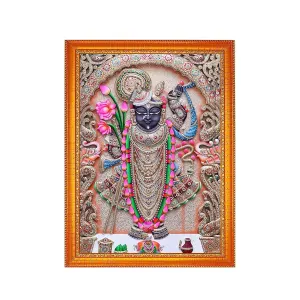
Dwarkadhish Photo Frame for Home Mandir
View details
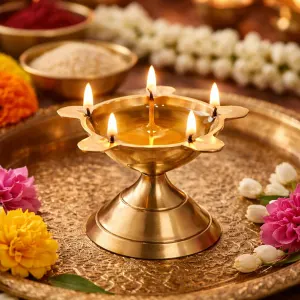
Brass Panchmukhi Diya for Aarti
View details
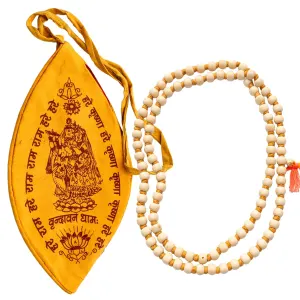
Tulsi Mala 108 Beads with Japa Bag
View details

Brass Puja Bell Ghanti for Mandir
View details
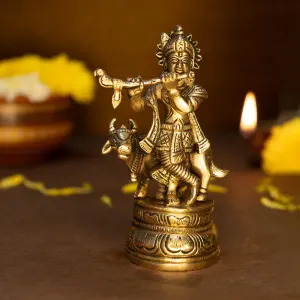
Pure Brass Lord Krishna Idol
View details

Laddu Gopal Poshak Dress Set with Mukut
View details

Original Shankh for Puja and Home Mandir
View details
Wooden Home Mandir Temple for Pooja Room
View details