Badrinath Temple: History, Timings & Visitor Guide
Badarinath Temple, also known as Badarinarayana Temple, is a Hindu temple dedicated to Vishnu. It is located in the town of Badrinath in Chamoli district of Uttarakhand, India.
About Badrinath Temple
Badarinath Temple, also known as Badarinarayana Temple, is a Hindu temple dedicated to Vishnu. It is located in the town of Badrinath in Chamoli district of Uttarakhand, India. The temple is one of the 108 Divya Desams, sacred to Vaishnavism, where Vishnu is worshipped as Badrinath. Due to extreme weather conditions in the Himalayas, the temple is open for six months each year, from late April to early November. It is one of the most visited pilgrimage centres of India, having recorded 2.8 million (28 lakh) visits in just 2 months in 2022. It is one of the Char Dham pilgrimage sites.
The image of the presiding deity worshipped in the temple is a 1 ft (0.30 m), the black granite deity of Vishnu in the form of Badrinarayan. The deity is considered by many Hindus to be one of eight svayam vyakta kshetras, or self-manifested deities of Vishnu.
The temple was included in the Uttar Pradesh state government Act No. 30/1948 as Act no. 16,1939, which later came to be known as "Shri Badarinath and Shri Kedarnath Mandir Act". The committee nominated by the state government administers both the temples and has seventeen members on its board.
The temple is mentioned in ancient religious texts like Vishnu Purana and Skanda Purana. It is glorified in the Naalayira Divya Prabandham, an early medieval Tamil canon of the Alvar saints from the 6th–9th centuries CE.
Badrinath Temple: Key Facts
- TempleBadrinath Temple
- LocationUttarakhand
- StateUttarakhand
- Entry FeeFree (general darshan)
- Best Time to VisitMay to June and September to October
- Nearest Railway StationRishikesh railway station, ~135 km
- Nearest AirportDehradun (DED), ~140 km
- GPS30.74470, 79.49117
Badrinath Temple Timings 2026
Badrinath Temple is open every day, usually from early morning to late evening with a break in the afternoon. Darshan and aarti timings change with the season and on festival days.
- MorningOpens early morning (around 5 to 6 AM)
- AfternoonShort break around midday at many temples
- EveningEvening aarti around sunset, closes by about 8 to 9 PM
Ask the temple office on arrival for the day's aarti schedule.
Dress Code & Temple Rules
- DressModest, traditional clothes covering shoulders and knees
- FootwearRemove before entering; use the shoe stand
- PhotographyNot allowed inside the sanctum
- Not AllowedLeather items, tobacco, alcohol, non-veg food
- QueueFollow queue lines and staff instructions on festival days
How to Reach Badrinath Temple
- LocationUttarakhand
- By AirDehradun (DED), about 140 km
- By AirPantnagar (PGH), about 190 km
- By TrainRishikesh railway station, about 135 km
- Major StationDehradun railway station, about 148 km
- By RoadTaxis, autos and state buses from the railway station and nearby cities
Distance from Nearby Cities
| From | Road Distance (approx.) | Travel Time (approx.) |
|---|---|---|
| Dehradun | 182 km | 4 hr |
| Pantnagar | 247 km | 5 hr |
| Shimla | 304 km | 7 hr |
| Kullu | 332 km | 7 hr |
| Chandigarh | 336 km | 7 hr |
Best Time to Visit
May to June and September to October. Mountain roads are open and weather is pleasant. Many high-altitude shrines close in winter and the monsoon (July–August) brings landslides, so check the opening dates before you plan. Weekday mornings are the least crowded; expect long queues on weekends, holidays and festivals.
History of Badrinath Temple
According to local tradition, the image of Badrinarayan was first served by Narada; later when the region became Buddhist, the Buddhists had Badrinarayan removed from the temple and thrown into the Tapt Kund. Later, Adi Shankara expelled all the Buddhists in the region, recovered Badrinarayan from the Tapt Kund, and reestablished the temple with the help of the Parmar ruler king Kanak Pal. The hereditary successors of the king governed the temple and endowed villages to meet its expenses. The income from a set of villages on the route to the temple was used to feed and accommodate pilgrims. The Parmar rulers held the title "Bolanda Badrinath", meaning speaking Badrinath. They had other titles, including Shri 108 Basdrishcharyaparayan Garharaj Mahimahendra, Dharmabibhab, and Dharamarakshak Sigamani.
According to another traditional story, Badrinarayan was removed from the temple and put into the Tapt Kund by the pujari (priest) who was forced to close the temple due to lack of pilgrims and revenue. When Ramanuja was in the Pandukeshwar temple, the Garhwali god Ghanta Karna possessed a person and told Ramanuja, who promptly went to Badrinath and reinstalled the deity.
The throne of Badrinath was named after the presiding deity; the king enjoyed ritual obeisance by the devotees before proceeding to the shrine. The practice was continued until the late 19th century. During the 16th century, the King of Garhwal moved the murti to the present temple. When the state of Garhwal was divided, the Badrinath temple came under British rule but the king of Garhwal continued as the chairman of the management committee. The selection of priest is done after consultation between Garhwal and Travancore royal families.
Legend & Significance
According to Hindu legend, Vishnu sat in meditation at this place. During his meditation, Vishnu was unaware of cold weather. Lakshmi, his consort, protected him in the form of the Badri tree (jujube or Indian date, called 'ber' in Hindi). Pleased by the devotion of Lakshmi, Vishnu named the place Badrika Ashrama. According to Atkinson (1979), the place used to be a jujube forest, which is not found there today. Vishnu in the form of Badrinath is depicted in the temple sitting in the padmasana posture. According to Brahma Vaivarta purana, Vishnu was chastised by sage Narada, who saw Vishnu's consort, Lakshmi, massaging his feet. Vishnu went to Badrinath to perform austerity, meditating for a long time in padmasana.
The Vishnu Purana narrates another version of the origins of Badrinath. According to the tradition, Yama had two sons, Nara, and Narayana—both of which are modern names of Himalayan mountains. They chose the place to spread their religion and each of them wed the spacious valleys in the Himalayas. Searching for an ideal place to set up a hermitage, they came across the other four Badris of the Pancha Badri, namely Adibadri, Bridha Badri, Yoga-Dhyana Badri and Bhavisha Badri. They finally found the hot and cold spring behind the Alaknanda River and named it "Badri Vishala."
Architecture of Badrinath Temple
The temple is situated in the Garhwal Himalayas, along the banks of the Alaknanda River in Chamoli district in Uttarakhand. It lies at an elevation of 3133 m(10,279 ft) above mean sea level. Nar Parbat stands opposite to the temple, while Narayana Parbat is located behind the Neelkanth peak.
Adi Shankara established Badrinath as a pilgrimage site in the ninth century. The temple comprises three structures: the Garbhagriha (sanctum), the Darshan Mandapa (worship hall), and Sabha Mandapa (assembly hall). The sanctum's conical roof is approximately 15 m (49 ft) tall and features a small cupola topped with a gilt gold covering. The stone façade features arched windows, and a stairway to the main entrance, an arched gateway. Just inside lies a mandapa, a pillared hall that leads to the sanctum, or main shrine. The walls and pillars of the hall are adorned with intricate carvings.
Festivals & Rituals at Badrinath Temple
The most prominent festival held at Badrinath Temple is Mata Murti Ka Mela, which commemorates the descent of the river Ganges on mother earth. The mother of Badrinath, who is believed to have divided the river into twelve channels for the welfare of earthly beings, is worshiped during the festival. The place where the river flowed became the holy land of Badrinath.
The Badri Kedar festival is celebrated during the month of June in both the temple and the Kedarnath temple. The festival lasts for eight days; artists from all over the country perform during the function.
The major religious activities (or pujas) performed every morning are mahabhishek (ablution), abhishek, gitapath and bhagavat puja, while in the evening the pujas include geet govinda and aarti. Recital in vedic scripts like Ashtotram and Sahasranama is practised during all the rituals. After aarti, the decorations are removed from the image of Badrinath and sandalwood paste is applied to it. The paste from the image is given to the devotees the next day as prasad during the nirmalaya darshan. All the rituals are performed in front of the devotees, unlike those in some Hindu temples, where some practices are hidden from them. Sugar balls and dry leaves are the common prasad provided to the devotees. From May 2006, the practise of offering Panchamrit Prasad, prepared locally and packed in local bamboo baskets, was started.
Frequently Asked Questions
Temples Near Badrinath Temple

Kalpeshwar
Kalpeshwar (Sanskrit: कल्पेश्वर) is a Hindu temple dedicated to Shiva located at an elevation of 2,200 m (7,217.8 ft) in the Urgam valley in the…
Read Full Guide
Rudranath
Rudranath Temple (Sanskrit: रुद्रनाथ) is a Hindu temple dedicated to Shiva, located in the Garhwal Himalayan mountains in Uttarakhand, India.…
Read Full Guide
Madhyamaheshwar
Madhyamaheshwar (Sanskrit: मध्यमहेश्वर) or Madmaheshwar is a Hindu temple dedicated to Shiva, located in Gaundar, a village in Rudraprayag district…
Read Full Guide
Gopinath Mandir
Gopinath Temple is an ancient Hindu temple dedicated to Shiva in Gopeshwar, Chamoli District, Uttarakhand, India. It is situated in Gopeshwar…
Read Full Guide
Kedarnath Temple
Kēdāranātha Temple (Sanskrit: केदारनाथ मन्दिर, IAST: Kēdāranātha Mandira, lit. 'temple of the God of the field') is a Hindu temple, one of the…
Read Full Guide
Gauri Kund
Gauri Kund is a Hindu pilgrimage site and base camp for trek to Kedarnath Temple, in Uttarakhand, India. It is situated at an altitude of 6502 feet…
Read Full GuideShop Puja & Temple Accessories
Handpicked pooja items and temple accessories for your home mandir, delivered anywhere in India.
Dwarkadhish Photo Frame for Home Mandir
View details
Brass Panchmukhi Diya for Aarti
View details
Tulsi Mala 108 Beads with Japa Bag
View details
Brass Puja Bell Ghanti for Mandir
View details
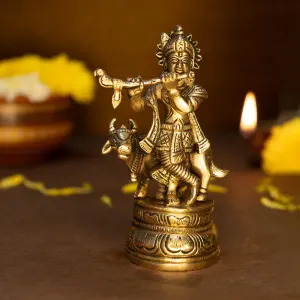
Pure Brass Lord Krishna Idol
View details
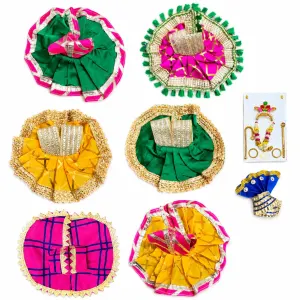
Laddu Gopal Poshak Dress Set with Mukut
View details
Original Shankh for Puja and Home Mandir
View details
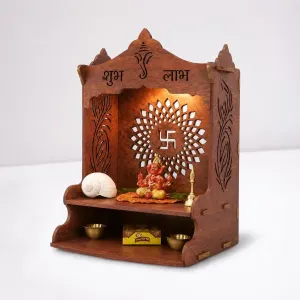
Wooden Home Mandir Temple for Pooja Room
View details