Madhyamaheshwar: History, Timings & Visitor Guide
Madhyamaheshwar (Sanskrit: मध्यमहेश्वर) or Madmaheshwar is a Hindu temple dedicated to Shiva, located in Gaundar, a village in Rudraprayag district, situated amidst the Garhwal Himalayas of Uttarakhand,…

About Madhyamaheshwar
Madhyamaheshwar (Sanskrit: मध्यमहेश्वर) or Madmaheshwar is a Hindu temple dedicated to Shiva, located in Gaundar, a village in Rudraprayag district, situated amidst the Garhwal Himalayas of Uttarakhand, India. Situated at an elevation of 3,497 m (11,473.1 ft), it is one of the Panch Kedar pilgrimage circuits, comprising five Shiva temples in the Garhwal region. The other temples in the circuit include: Kedarnath, Tungnath and Rudranath which are culturally visited before Madhyamaheshwar and, Kalpeshwar generally visited after Madhyamaheshwar. The middle (madhya) or belly part or navel (nabhi) of Shiva is worshipped here. The temple is believed to have been built by the Pandavas, the central figures of the Hindu epic Mahabharata. It is accessible via a 16-18 kilometres treks, either from Aktolidhar or Ransi village near Ukhimath in the Rudraprayag district.
Madhyamaheshwar: Key Facts
- TempleMadhyamaheshwar
- LocationUttarakhand
- StateUttarakhand
- Entry FeeFree (general darshan)
- Best Time to VisitMay to June and September to October
- Nearest Railway StationRishikesh railway station, ~107 km
- Nearest AirportDehradun (DED), ~111 km
- GPS30.63694, 79.21611
Madhyamaheshwar Timings 2026
Madhyamaheshwar is open every day, usually from early morning to late evening with a break in the afternoon. Darshan and aarti timings change with the season and on festival days.
- MorningOpens early morning (around 5 to 6 AM)
- AfternoonShort break around midday at many temples
- EveningEvening aarti around sunset, closes by about 8 to 9 PM
Ask the temple office on arrival for the day's aarti schedule.
Dress Code & Temple Rules
- DressModest, traditional clothes covering shoulders and knees
- FootwearRemove before entering; use the shoe stand
- PhotographyNot allowed inside the sanctum
- Not AllowedLeather items, tobacco, alcohol, non-veg food
- QueueFollow queue lines and staff instructions on festival days
How to Reach Madhyamaheshwar
- LocationUttarakhand
- By AirDehradun (DED), about 111 km
- By AirPantnagar (PGH), about 180 km
- By TrainRishikesh railway station, about 107 km
- Major StationDehradun railway station, about 119 km
- By RoadTaxis, autos and state buses from the railway station and nearby cities
Distance from Nearby Cities
| From | Road Distance (approx.) | Travel Time (approx.) |
|---|---|---|
| Dehradun | 144 km | 3 hr |
| Pantnagar | 234 km | 5 hr |
| Shimla | 274 km | 6 hr |
| Chandigarh | 302 km | 7 hr |
| Kullu | 311 km | 7 hr |
Best Time to Visit
May to June and September to October. Mountain roads are open and weather is pleasant. Many high-altitude shrines close in winter and the monsoon (July–August) brings landslides, so check the opening dates before you plan. Weekday mornings are the least crowded; expect long queues on weekends, holidays and festivals.
History of Madhyamaheshwar
The temple in the North-Indian Himalayan style of architecture, is situated in a lush meadow, just below a high ridge. The older, so-called 'Vriddh-Madmaheshwar', temple is a tiny blackened shrine on the ridge, which looks straight up at the Chaukhamba Mountain peaks.
In the current temple, a navel-shaped Shiva-lingam, made of black stone, is enshrined in the sanctum. There are two other smaller shrines, one for Shiva's consort Parvati and the other dedicated to Ardhanarishwara, a half-Shiva half-Parvati image. Bhima, the second Pandava brother is believed to have built this temple and worshipped Shiva here. To the right of the main temple there is a small temple where the image of Saraswati, the Hindu goddess of learning, made of marble is installed in the sanctum.
The temple is in a green valley surrounded by snow peaks of Chaukhamba (literal meaning is four pillars or peaks), Neel Kanth and Kedarnath in high Himalayan hill ranges. The Kedar hills, called the Kedar Massif, gives a view of the mountain formation with a number of glaciers which include the source of the Mandakini River. The region has rich flora and fauna, particularly the endangered species of Himalayan monal pheasant and Himalayan musk deer (locally called Kasturi deer) in the Kedarnath Wild Life Sanctuary.
Legend & Significance
Several folk legends exist surrounding the Garhwal region, Shiva and the creation of the Panch Kedar temples.
One folklore relates to the Pandavas, the heroes of the Hindu epic Mahabharata. The Pandavas defeated and slayed their cousins — the Kauravas in the epic Kurukshetra War. They wished to atone for the sins of committing fratricide (gotra hatya) and Brāhmanahatya (killing of Brahmins — the priest class) during the war. Thus, they handed over the reins of their kingdom to their kin and left in search of Shiva and to seek his blessings. First, they went to the holy city of Varanasi (Kashi), believed to be Shiva's favourite city and known for its Kashi Vishwanath Temple. But Shiva wanted to avoid them as he was deeply incensed by the death and dishonesty at the Kurukshetra War and therefore, disregarded Pandavas' prayers. He assumed the form of a bull (Nandi) and hid in the Garhwal region.
Festivals & Rituals at Madhyamaheshwar
The water from the temple precincts is considered so highly sacred that even a few drops are stated to be adequate for ablution. The worship at this temple starts with a specified time period from the beginning of the summer months after the winter and lasts until October/November from start of the winter season when the temple precincts are not accessible due to snow conditions.
During the winter period, the symbolic idol of the god is shifted with religious formalities to Ukhimath for continued worship. Priests at this temple, as in many other temples in the state, are from South India and at this particular temple they are called Jangamas of the Veerashaiva cast who hail from Mysore in Karnataka state. This induction of priests from outside the state enhances the cultural communications from one part of the country to the other, with language becoming no barrier. It is one of the important sacred pilgrimage centres of shastrik (textual) importance under the Panchasthali (five places) doctrine. This doctrine has been determined on the basis of sectarian association, fairs and festivals, offerings to the deity, sacred declarations made by devotees and specific blessings sought from the god through prayers at different temples. 2 km. away is a small temple called Bura Madhyamaheswar. One has to trek 2 kilometers up the steep ways through large moors and valleys and then would reach in a small lake, where a full Panoramic range of Himalayas consisting of the peaks, Chaukhamba, Kedarnath, Neelkanth, Trishul, Kamet, Panchulli, etc.
Frequently Asked Questions
Temples Near Madhyamaheshwar

Rudranath
Rudranath Temple (Sanskrit: रुद्रनाथ) is a Hindu temple dedicated to Shiva, located in the Garhwal Himalayan mountains in Uttarakhand, India.…
Read Full Guide
Kedarnath Temple
Kēdāranātha Temple (Sanskrit: केदारनाथ मन्दिर, IAST: Kēdāranātha Mandira, lit. 'temple of the God of the field') is a Hindu temple, one of the…
Read Full Guide
Gauri Kund
Gauri Kund is a Hindu pilgrimage site and base camp for trek to Kedarnath Temple, in Uttarakhand, India. It is situated at an altitude of 6502 feet…
Read Full Guide
Kalpeshwar
Kalpeshwar (Sanskrit: कल्पेश्वर) is a Hindu temple dedicated to Shiva located at an elevation of 2,200 m (7,217.8 ft) in the Urgam valley in the…
Read Full Guide
Gopinath Mandir
Gopinath Temple is an ancient Hindu temple dedicated to Shiva in Gopeshwar, Chamoli District, Uttarakhand, India. It is situated in Gopeshwar…
Read Full Guide
Badrinath Temple
Badarinath Temple, also known as Badarinarayana Temple, is a Hindu temple dedicated to Vishnu. It is located in the town of Badrinath in Chamoli…
Read Full GuideShop Puja & Temple Accessories
Handpicked pooja items and temple accessories for your home mandir, delivered anywhere in India.
Dwarkadhish Photo Frame for Home Mandir
View details
Brass Panchmukhi Diya for Aarti
View details
Tulsi Mala 108 Beads with Japa Bag
View details
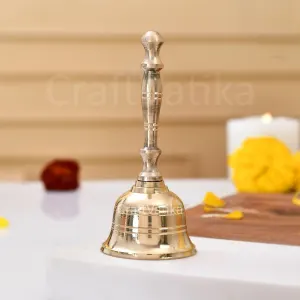
Brass Puja Bell Ghanti for Mandir
View details
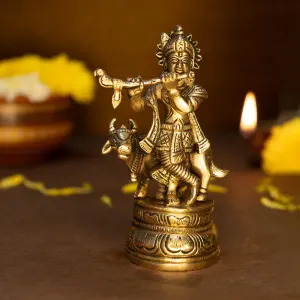
Pure Brass Lord Krishna Idol
View details
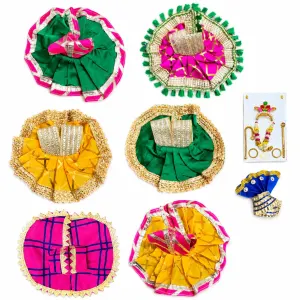
Laddu Gopal Poshak Dress Set with Mukut
View details
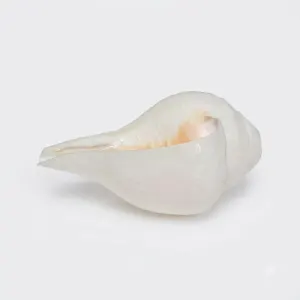
Original Shankh for Puja and Home Mandir
View details
Wooden Home Mandir Temple for Pooja Room
View details