Dwarkadhish Temple Dhwaja Change: The Flag That Flies Above the Char Dham
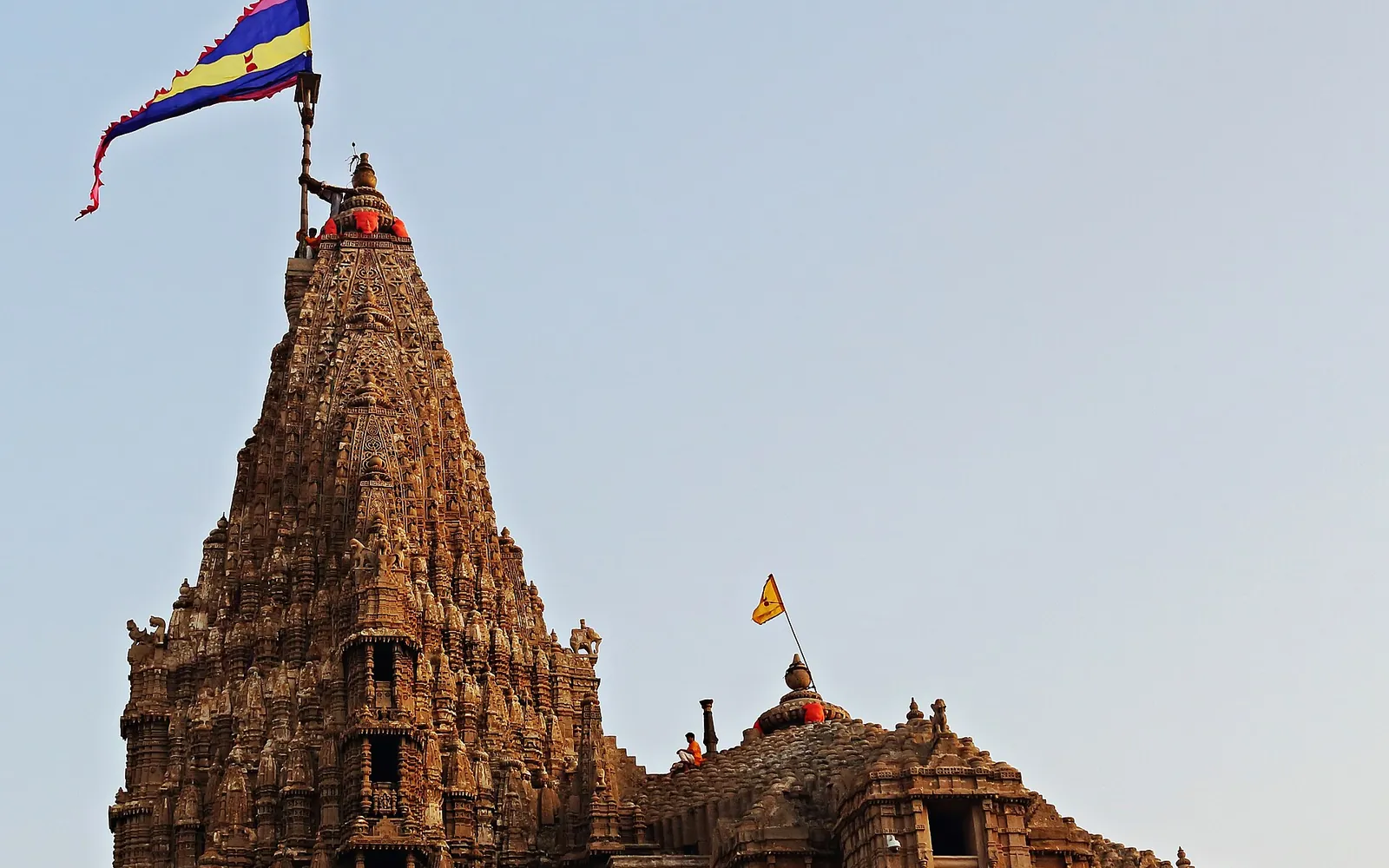
The dhwaja at Dwarkadhish Temple, a 52-yard flag bearing the sun and moon, is changed twice every day of the year: at 5:00 AM before the Mangla Aarti, and again at sunset before the Sandhya Aarti. The flag flies from the peak of the 43-metre shikhara, visible across Dwarka town and from the Gomti Ghat. It is the first thing pilgrims look for on the skyline when they arrive in Dwarka, and the last thing visible as they leave.
The Dhwaja: What It Is and What It Means
In the architectural and ritual vocabulary of the Hindu temple, the dhwaja, the flag or banner, is not a decorative element. It is a living symbol. Its presence above the shikhara signals that the deity is present, awake, and receiving the reverence of devotees. When the dhwaja flies, the Lord is home. This is why every Char Dham temple carries a flag, and why the act of changing it daily is a ritual act of service rather than a maintenance task.
The Dwarkadhish Temple dhwaja is 52 yards long, an unusually large flag that is visible from considerable distance across the flat coastal terrain of Dwarka. The flag bears specific symbols: the sun (Surya) and the moon (Chandra). These symbols carry a specific devotional declaration: the sovereignty and presence of Lord Dwarkadhish will endure for as long as the sun and moon exist in the sky. It is a statement of permanence, made in cloth, raised daily above the oldest Char Dham temple of India.
The colour and design of the dhwaja at Dwarkadhish follow the Vaishnava tradition. The flag is typically saffron or yellow, the colours of the Vaishnava sect, with the sun-moon emblem. Because the flag is changed daily, families and individuals who wish to offer a dhwaja as a devotional act can do so through the temple trust, having their flag raised on the shikhara for one day is considered a significant act of seva (service to the Lord). The trust coordinates these offerings, and many devotees travel to Dwarka specifically on the day their donated flag is to be raised.
The Shikhara: 43 Metres of Chalukya Stone
The shikhara of Dwarkadhish Temple is one of the most distinctive silhouettes on the western coast of India. At 43 metres (approximately 141 feet), it dominates the Dwarka skyline and is visible from the sea, from Gomti Ghat, and from the approaches to the town. The shikhara is built in the Chalukya architectural style, a series of tapering tiers with intricate carved bands of figures and ornamental elements, converging in a pointed peak called the amalaka and surmounted by the kalasha (pot finial) above which the flag mast is mounted.
The current shikhara structure dates to significant renovation work carried out in the 15th-16th centuries, though the temple's history at this location goes back to the 2nd-3rd centuries CE in recorded form, and the oral tradition links the original temple's founding to Adi Shankaracharya in the 8th century as part of his establishment of the Char Dham pilgrimage network. The stone used in the shikhara is the local limestone-sandstone characteristic of Saurashtra coastal construction, which weathers well in the salt air of the Arabian Sea coast.
The act of climbing the shikhara to change the flag, done by the Dharmadhikari twice daily, is itself remarkable. The shikhara has no internal staircase to the flag mast level; the climb requires moving along the exterior carved surface of the tower. The hereditary priests who perform this task have done so from childhood, developing the skill and familiarity with the tower's surfaces across decades of practice. Watching the morning flag change from the lane below, the figure moving on the stone face of the 43-metre tower while it is still dark, the new flag unfurling against the pre-dawn sky at 5 AM, is an extraordinary sight that few pilgrims who witness it forget.
The Morning Dhwaja Change: 5:00 AM
The morning dhwaja change at 5:00 AM is the first ritual event of the Dwarkadhish Temple's day, it precedes the Mangla Aarti by a full hour. This sequencing is intentional: the Lord's day begins not with the aarti inside the sanctum but with the preparation of the exterior, the hoisting of the flag that declares the temple open for the day.
At 5:00 AM in winter (December-January), the sky is fully dark and the temperature is around 14-16°C. The first pilgrims are already gathering at the Swarga Dwar lane to queue for the Mangla Aarti, and many of them pause to watch the dhwaja change before joining the queue. The moment when the previous day's sunset flag is lowered and the fresh morning flag is raised, and the conch shell sounds from the tower level to mark the completion, produces a collective response from the small pre-dawn gathering that is quietly electric.
In summer, the 5:00 AM dhwaja change happens with the sky beginning to lighten, the eastern horizon is grey-pink by 5 AM in May. The dawn light on the shikhara at this moment, with the flag moving in the morning sea breeze, is one of the more visually complete moments that Dwarka offers. Even pilgrims who are not attending the Mangla Aarti but are passing through the area at 5 AM for other reasons find themselves stopping to watch.
The Evening Dhwaja Change: At Sunset
The evening dhwaja change coincides with the Sandhya Aarti, it occurs at sunset, which varies from approximately 6:00 PM in December-January to 7:15 PM in May-June. The sunset flag change is the visual bookend to the day that began at 5 AM. The morning flag is lowered as the day ends, and a new flag is raised, fresh for the overnight period, as the lamps of the Sandhya Aarti are lit at the Gomti Ghat below.
The evening dhwaja change, when witnessed simultaneously with the Gomti Ghat Sandhya Aarti, creates the most complete visual moment in Dwarka's daily ritual life. The shikhara with the flag changing against a sunset sky, the lamp ceremony at the river steps below, the floating diyas on the Gomti, and the Arabian Sea horizon beyond, all occurring at the same moment, within the same field of view from the ghat, is what pilgrims mean when they say the Sandhya at Dwarka is unlike any other pilgrimage city. The dhwaja change is part of this total picture.
| Month | Sunset | Evening Dhwaja Change | Arrive at Ghat By |
|---|---|---|---|
| November – December | ~6:00 PM | ~6:00 PM | 5:15 PM |
| January – February | ~6:10-6:40 PM | ~6:10-6:40 PM | 5:30-6:00 PM |
| March – April | ~6:45-7:10 PM | ~6:45-7:10 PM | 6:15-6:40 PM |
| May – June | ~7:10-7:20 PM | ~7:10-7:20 PM | 6:45 PM |
| July – August | ~7:00-6:45 PM | ~7:00-6:45 PM | 6:25-6:15 PM |
| September – October | ~6:30-6:10 PM | ~6:30-6:10 PM | 5:55-5:35 PM |
At the evening dhwaja change, the lowering of the daytime flag and the raising of the overnight flag is accompanied by the same conch signal that marks the morning change. For those standing at Gomti Ghat during the Sandhya Aarti, the conch from the shikhara level, audible above the ghat ceremony, is the signal that the day's final flag has been raised and the temple's overnight state has begun. The overnight flag flies until 5 AM the next morning, when the cycle begins again.
The Dharmadhikari: Who Climbs the Shikhara
The Dharmadhikari of Dwarkadhish Temple is the hereditary chief priest, the head of the traditional priestly family that has held the right of temple seva at Dwarkadhish for generations. The title is both a religious designation and a hereditary position: the role passes within specific families whose ancestral connection to the temple is documented and recognised by the temple trust and the broader Vaishnava religious community.
The act of climbing the 43-metre shikhara to change the dhwaja is one of the most visible expressions of the Dharmadhikari's seva. It is not delegated lightly. The physical act, climbing the carved stone exterior of the tower twice daily, 365 days a year, requires both spiritual preparation and physical capability. The families who hold this seva are known across the Vaishnava community, and the act is understood not as a job but as a consecrated service whose merit accumulates across generations.
Pilgrims who have attended the dhwaja change multiple times report that watching the Dharmadhikari move up the shikhara in the pre-dawn darkness, entirely familiar with every carved handhold on the tower, moving with the ease of someone who has done this thousands of times, makes the abstraction of hereditary temple seva suddenly concrete and human. The 5 AM flag change is one of the few moments in Dwarka where the invisible ongoing labour that maintains the temple's daily life becomes directly visible to a pilgrim standing in the street below.
Donating a Dhwaja: How to Offer Your Flag
The daily flag change creates a unique devotional opportunity: because a new flag is raised every morning and every evening, there is a continuous need for dhwaja cloth. The Shree Dwarkadhish Temple Trust accepts dhwaja donations from devotees, individuals, families, or organisations who wish to offer a flag for a specific day as a form of religious offering or thanksgiving.
The donated dhwaja is typically provided as cloth of the specified dimensions (52 yards), either purchased directly from the trust's designated suppliers near the temple or brought by the devotee. The trust coordinates the schedule of flag raisings, and on the day your donated flag is raised, you or your family members may be present to witness it. This act, having your cloth fly above the Char Dham shikhara for one day, is considered among the more significant individual acts of devotional seva at Dwarkadhish.
Enquiries about dhwaja donation can be made at the Shree Dwarkadhish Temple Trust office near Swarga Dwar. The trust staff who handle visitor queries and temple administration can provide the specific procedures, timings, and requirements. Many families who visit Dwarka regularly make the dhwaja offering on occasions of personal significance, births, anniversaries, memorials, or the completion of a vow made to Lord Dwarkadhish.
The donated dhwaja tradition is distinct from standard temple donations. It is a specific seva with a physical, visible outcome, your cloth flies above the 43-metre shikhara for one full day, visible across Dwarka town. Enquire at the temple trust office near Swarga Dwar for the current procedure and scheduling.
The Dhwaja in the Context of the Char Dham
Dwarkadhish Temple is one of the four Char Dham pilgrimage sites established by Adi Shankaracharya in the 8th century, the others being Badrinath in the north, Puri in the east, and Rameshwaram in the south. Each of the four Char Dham temples has its own architectural and ritual character, but the presence of the dhwaja above the shikhara is a common feature across all four. The flag is the shared visual grammar of the Char Dham, the sign above each that signals the Lord's active presence.
What distinguishes the Dwarkadhish dhwaja from the other three is its context. Badrinath is in the high Himalayas, Puri faces the Bay of Bengal, Rameshwaram overlooks the Palk Strait, and Dwarka sits at the edge of the Arabian Sea. The Dwarkadhish flag, 52 yards of saffron cloth with sun and moon, flies in the sea wind of the Arabian Sea coast. On days when the sea breeze is strong, the flag extends nearly horizontal from the shikhara peak, a striking visual declaration against the blue western sky.
The Char Dham circuit is considered complete only when all four sites have been visited. For many devotees, Dwarka is either the first or the final site of the circuit. Those completing the Char Dham at Dwarka look for the dhwaja on the skyline as the last of the four flags, the completion of a journey that spans the width and breadth of India. Standing at Gomti Ghat and looking up at the shikhara with the 52-yard flag in the wind, knowing this is the western point of the sacred geography, is one of the moments that Char Dham pilgrims describe as the fullest expression of what they came to find.
Frequently Asked Questions
Also Read
Gwal Aarti Time
Dwarkadhish Gwal Aarti is at 8:30 AM daily, the quieter mid-morning darshan between Mangala and Rajbhog.
Read Full GuideShayan Aarti Time
Dwarkadhish Shayan Aarti is at 9:00 PM, the last, quietest darshan of the day.
Read Full GuideDwarkadhish Mangla Aarti Time
The 6:00 AM first darshan, which follows the 5 AM dhwaja change. How to queue, why there's no VIP pass, and what happens inside the sanctum at dawn.
Read MoreDwarkadhish Temple
The 43-metre Chalukya shikhara, the four-armed idol, the Char Dham significance, complete history and pilgrimage guide to Dwarkadhish.
Read MoreDwarkadhish Sandhya Aarti Time
The sunset evening aarti, the most visually spectacular ceremony at Dwarka, coinciding with the evening dhwaja change.
Read MoreShop Puja & Temple Accessories
Handpicked pooja items and temple accessories for your home mandir, delivered anywhere in India.
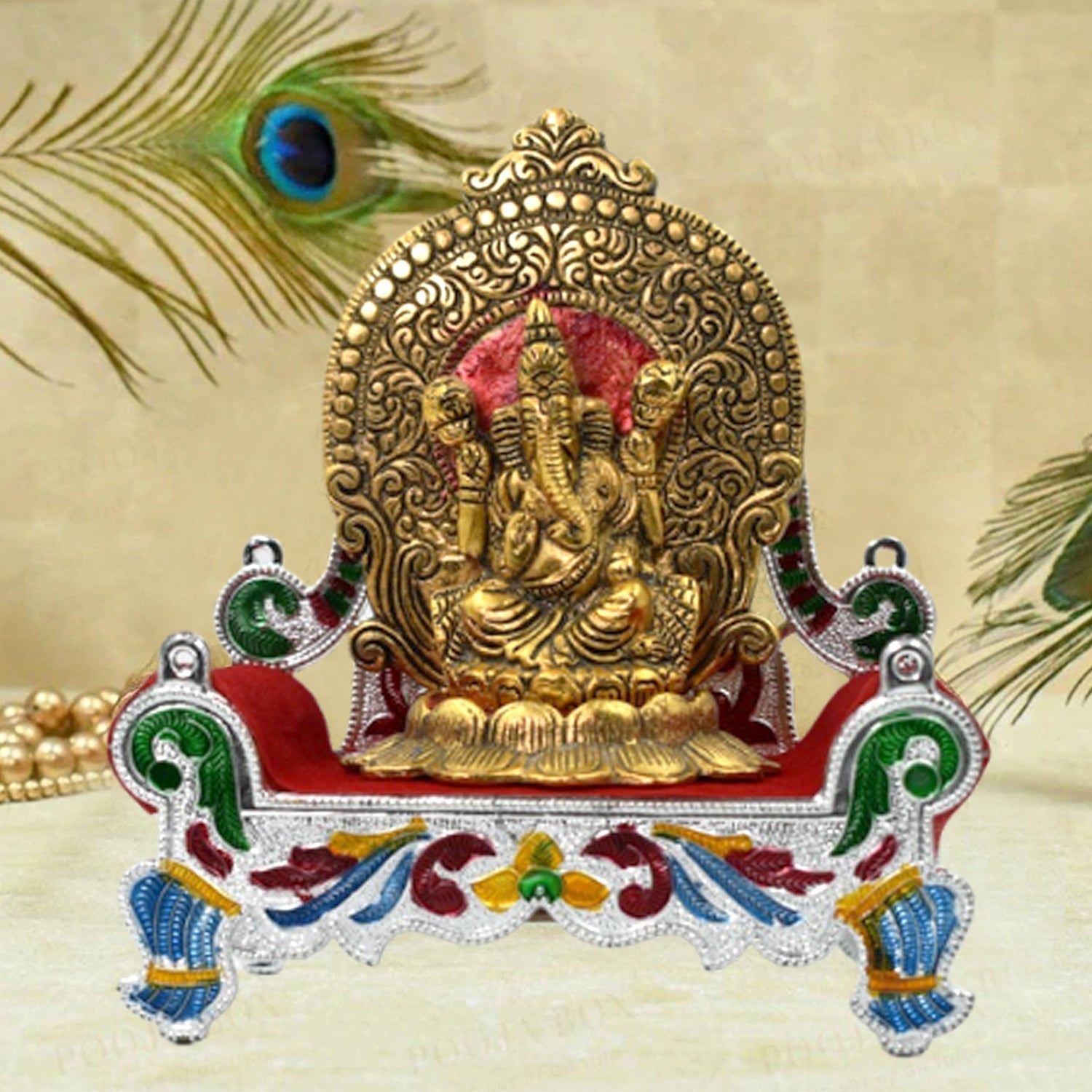
Bal Gopal Singhasan Deity Throne
₹205.00
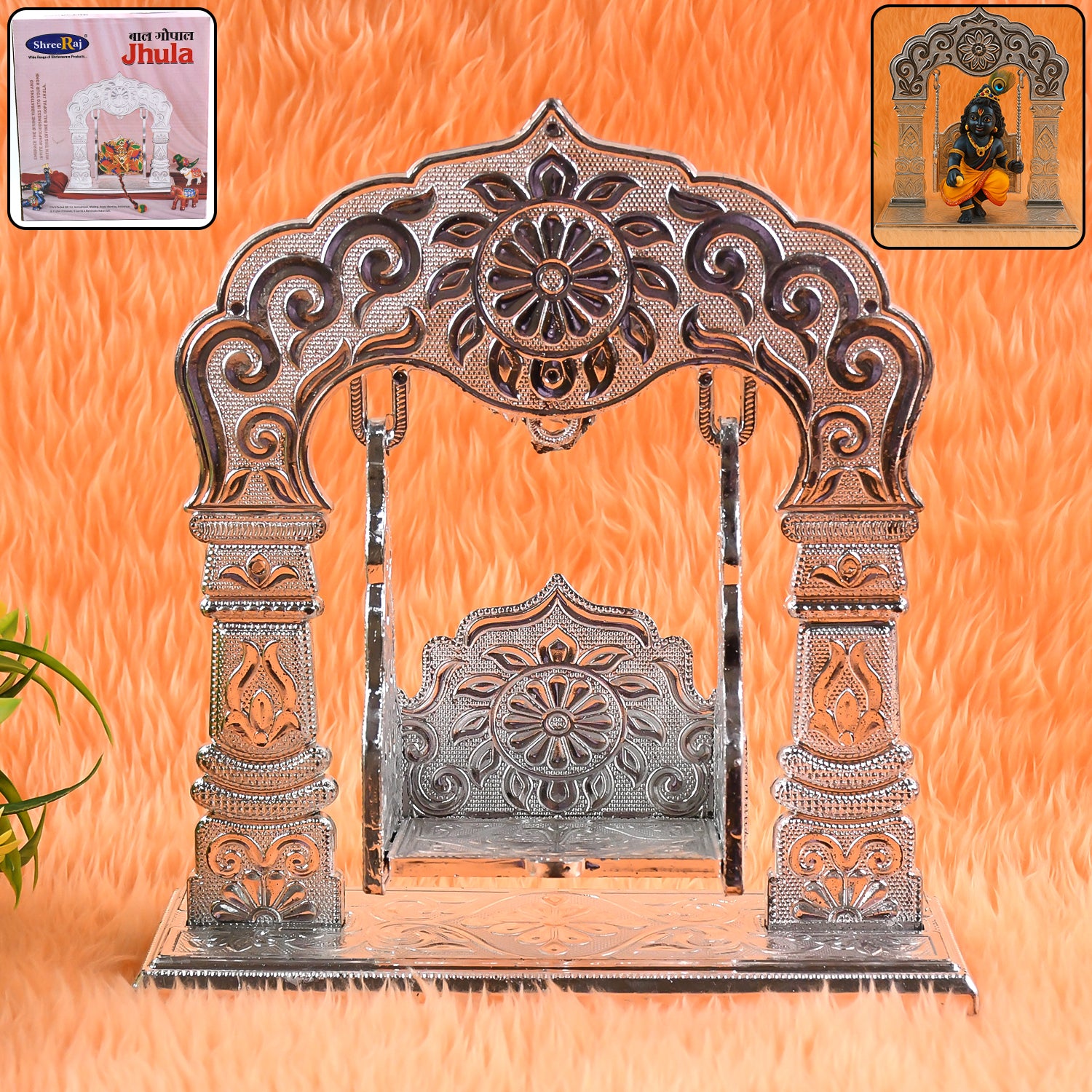
Bal Gopal Silver Jhula Swing
₹230.00

Digital Mantra Jaap Counter Ring
₹220.00
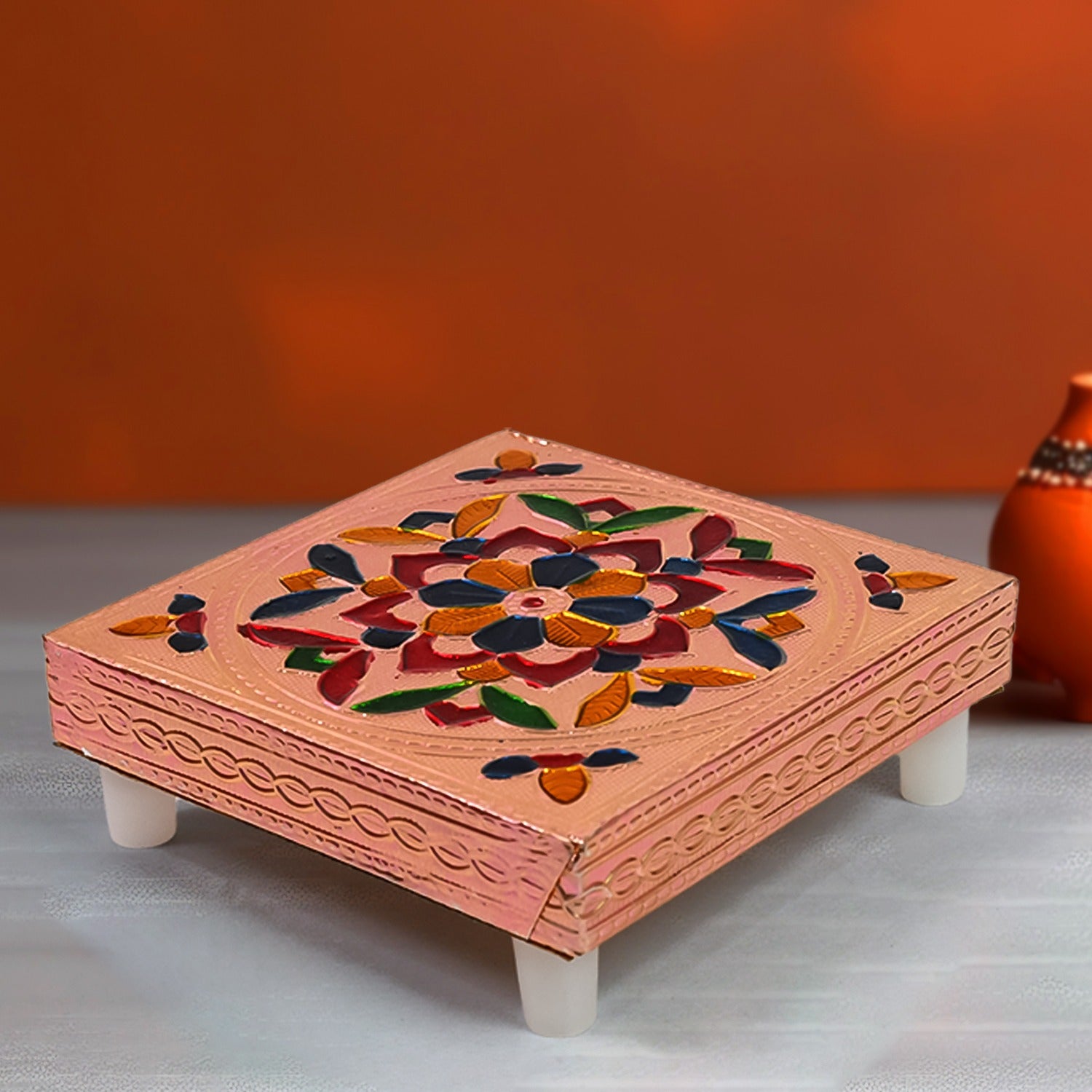
Meenakari Wooden Puja Chowki
₹159.00
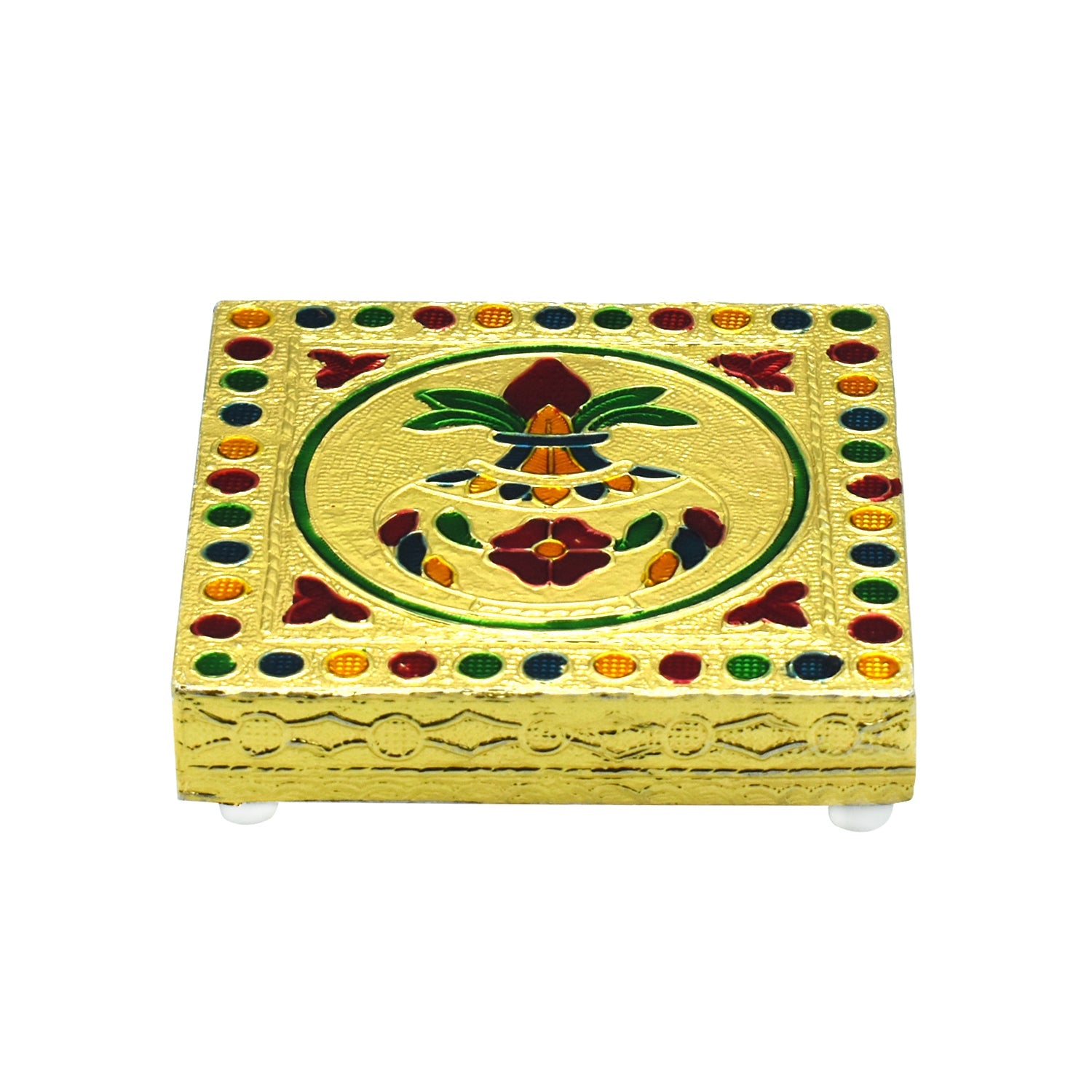
Wooden Designer Bajot Stool
₹159.00
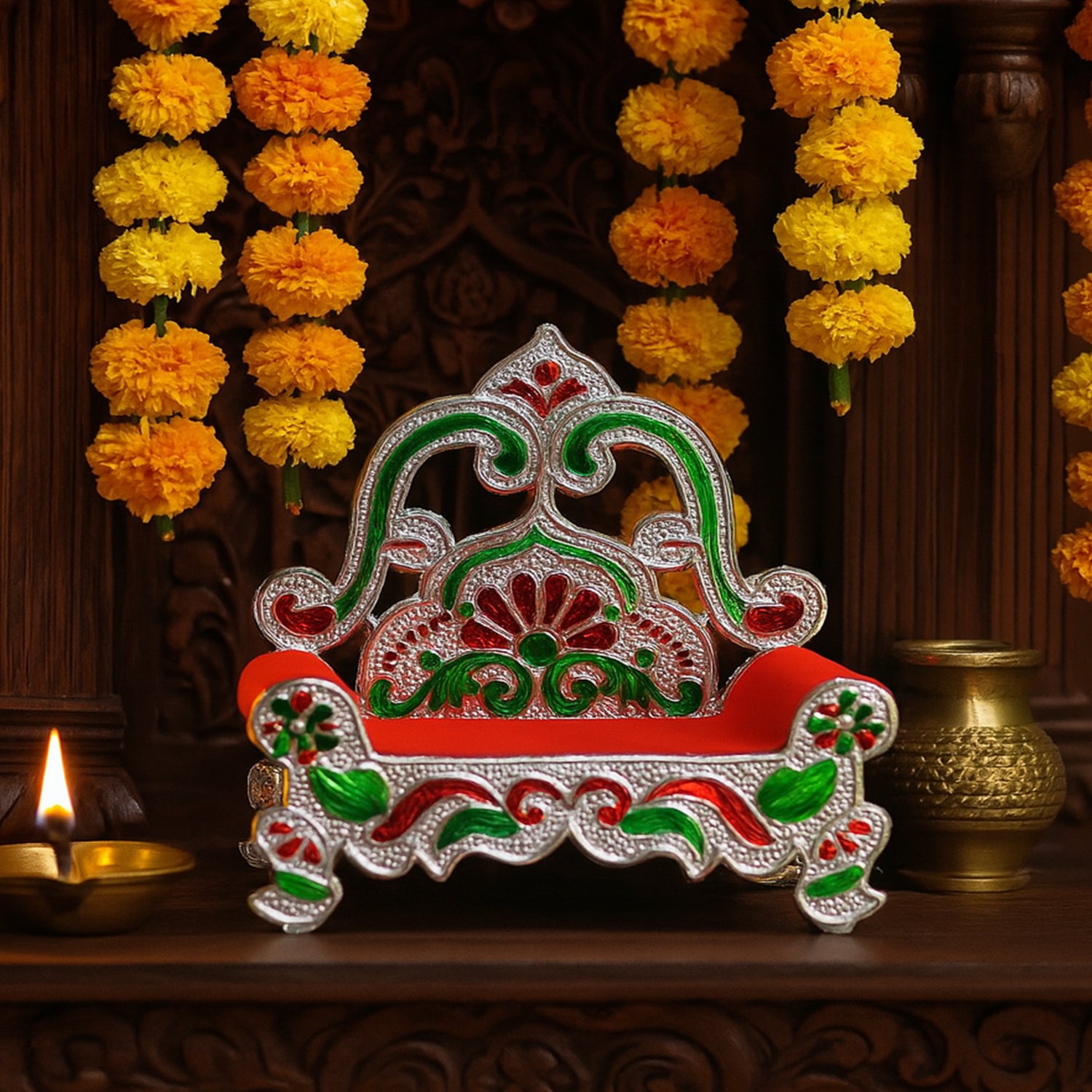
Small Decorative Singhasan for Idols
₹199.00
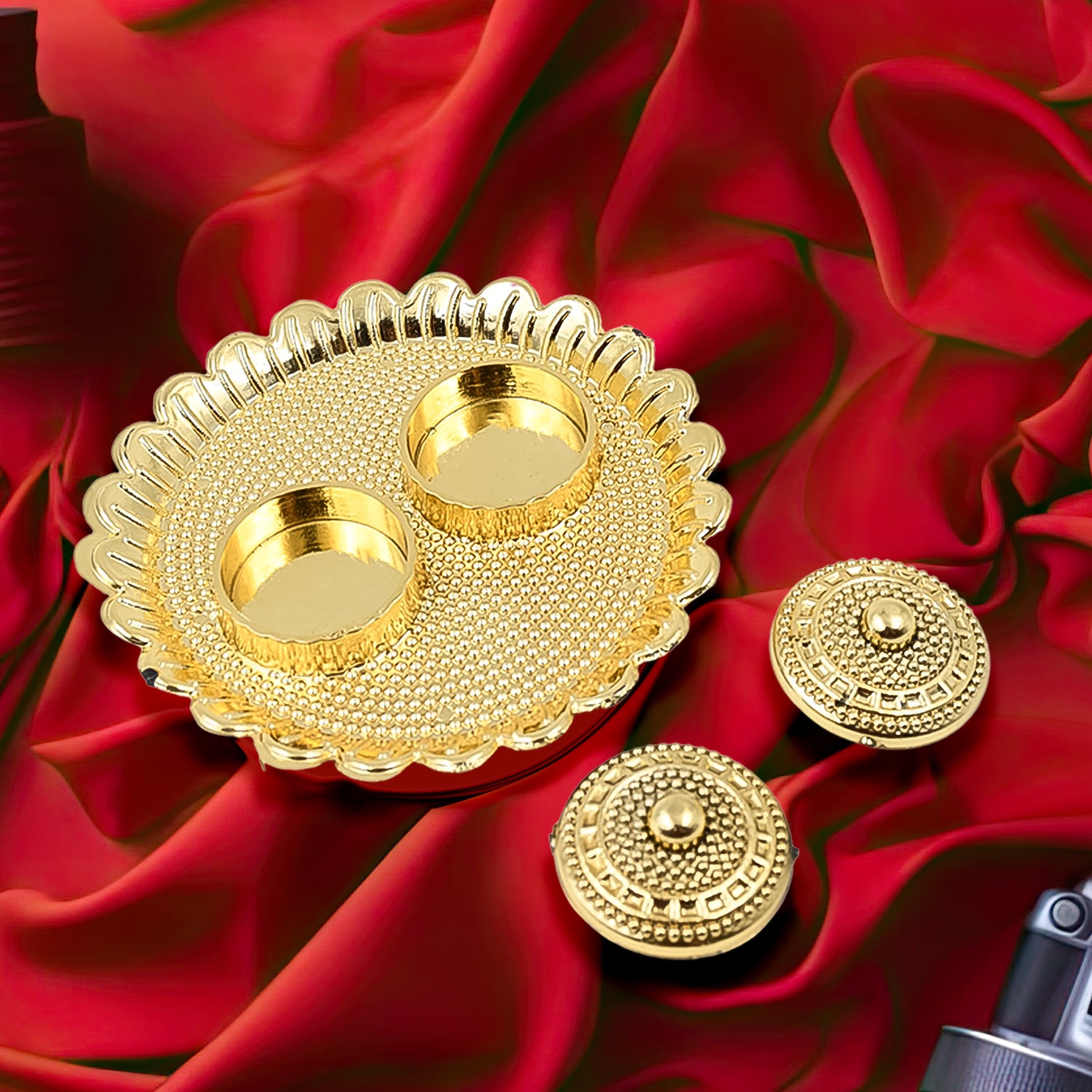
Round Puja Thali with Kumkum Holder
₹99.00
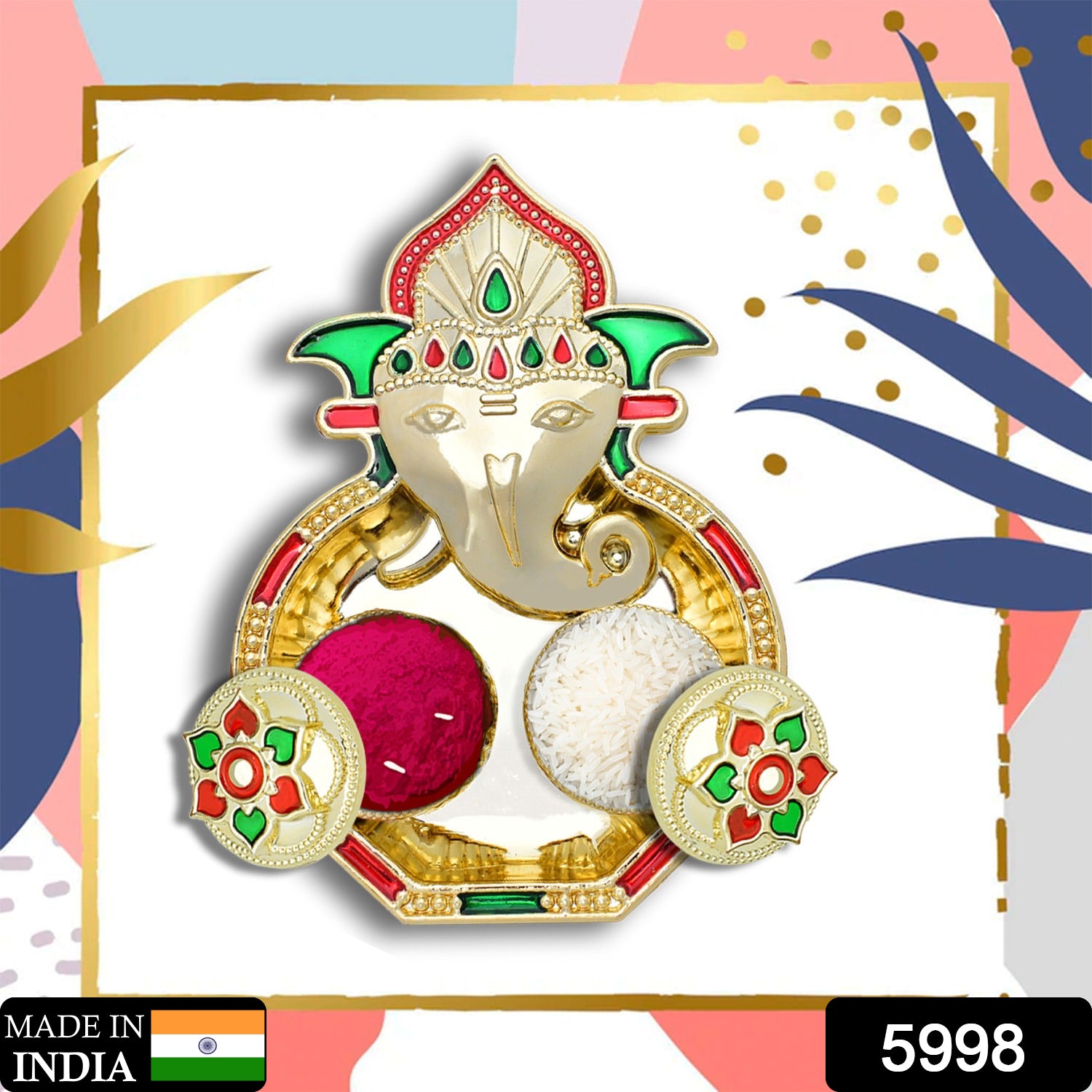
Puja Thali Return Gift Set
₹125.00