Amarnath Temple, Anantnag: History, Timings & Visitor Guide
Amarnath Temple is a Hindu shrine located in the Pahalgam tehsil of Anantnag district of Jammu and Kashmir,…

About Amarnath Temple
Amarnath Temple is a Hindu shrine located in the Pahalgam tehsil of Anantnag district of Jammu and Kashmir, India. It is a cave situated at an altitude of 3,888 m (12,756 ft), about 72 km from Anantnag, the district headquarters, 141 km (88 mi) from Srinagar, the summer capital of Jammu and Kashmir, accessible via either Sonamarg or Pahalgam
The cave, located in the Sind Valley, is surrounded by glaciers and snow-covered mountains and remains inaccesssible for most of the year, opening to pilgrims only for a brief period in summer. In 1989, pilgrims numbered between 12,000 and 30,000. In 2011, the number reached a peak of over 6.3 lakh (630,000). In 2018, it stood at 2.85 lakh (285,000). The annual pilgrimage season varies between 20 and 60 days.
The Amarnath cave, abode of the Mahamaya Shakti Pitha, is one of the 51 Shakti Pithas, the temples of the Indian subcontinent that commemorate the supposed
Amarnath Temple: Key Facts
- TempleAmarnath Temple
- LocationAnantnag, Jammu and Kashmir
- StateJammu and Kashmir
- Entry FeeFree (general darshan)
- Best Time to VisitMay to June and September to October
- Nearest Railway StationPanzgom railway station, ~60 km
- Nearest AirportSrinagar (SXR), ~73 km
- GPS34.21667, 75.51667
Amarnath Temple Timings 2026
Amarnath Temple is open every day, usually from early morning to late evening with a break in the afternoon. Darshan and aarti timings change with the season and on festival days.
- MorningOpens early morning (around 5 to 6 AM)
- AfternoonShort break around midday at many temples
- EveningEvening aarti around sunset, closes by about 8 to 9 PM
Check the exact timings on the official website before your visit.
Dress Code & Temple Rules
- DressModest, traditional clothes covering shoulders and knees
- FootwearRemove before entering; use the shoe stand
- PhotographyNot allowed inside the sanctum
- Not AllowedLeather items, tobacco, alcohol, non-veg food
- QueueFollow queue lines and staff instructions on festival days
How to Reach Amarnath Temple
- LocationAnantnag, Jammu and Kashmir
- By AirSrinagar (SXR), about 73 km
- By AirJammu (IXJ), about 181 km
- By TrainPanzgom railway station, about 60 km
- Major StationSrinagar railway station, about 65 km
- By RoadTaxis, autos and state buses from the railway station and nearby cities
Distance from Nearby Cities
| From | Road Distance (approx.) | Travel Time (approx.) |
|---|---|---|
| Srinagar | 95 km | 2 hr |
| Jammu | 236 km | 5 hr |
| Kangra | 310 km | 7 hr |
| Amritsar | 373 km | 8 hr |
| Kullu | 392 km | 9 hr |
Best Time to Visit
May to June and September to October. Mountain roads are open and weather is pleasant. Many high-altitude shrines close in winter and the monsoon (July–August) brings landslides, so check the opening dates before you plan. Weekday mornings are the least crowded; expect long queues on weekends, holidays and festivals.
History of Amarnath Temple
The cave temple and pilgrimage are mentioned in several ancient Sanskrit texts, including the c. 6th–7th century Nilamata Purana and the 12th century chronicle Rajatarangini of Kalhana, which refer to them as Amareshvara and Amareshvara yatra. The Rajatarangini also mentions the Sheshnag Lake, which it describes as falling on the yatra route. It is believed that in the 11th century CE, Queen Suryamati gifted trishulas, banalingas and other sacred emblems to this temple.
The cave and the lingam find mention in Abu'l Fazl's 16th century work Ain-i-Akbari. According to him, the site attracted many pilgrims. He describes the waxing and waning of the lingam according to the seasons and the moon. Between Great Tibet [i.e. Ladakh] and the above-mentioned parganah [Dachchhinpārah, in the Lidder Valley] is a cave in which is an image in ice called Amar Nāt. ... They believe it to be the image of Mahādeva and regard it as a means (through supplication) of the fulment of their desires. ... The snows of this mountainous tract nowhere melt, and from the extreme cold, the straitness of the defiles and the rough inequalities of the road, they are surmounted with great toil.
François Bernier, a French physician, accompanied Emperor Aurangzeb during his visit to Kashmir in 1663. In his book Travels in Mughal Empire, he provides an account of the places he visited, noting that he was "pursuing journey to a grotto full of wonderful congelations, two days journey from Sangsafed" when he "received intelligence that my Nawab felt very impatient and uneasy on account of my long absence." The "grotto" referenced in this passage is the Amarnath cave — as the editor of the second edition of the English translation of the book, Vincent A. Smith, makes clear in his introduction. He writes: "The grotto full of wonderful congelations is the Amarnath cave, where blocks of ice, stalagmites formed by dripping water from the roof are worshipped by many Hindus who resort here as images of Shiva...."
Legend & Significance
According to legend, Sage Bhrigu was the first to discover Amarnath. A long time ago, it is believed that the Valley of Kashmir was underwater, and Sage Kashyapa drained it through a series of rivers and rivulets. As a result, when the waters drained, Bhrigu was the first to have a darshan (theophany) of Shiva at Amarnath. Thereafter, when people heard of the lingam, it became an abode of Shiva for all believers and the site of an annual pilgrimage, traditionally performed by lakhs of people in July and August during the Hindu holy month of Savan.
According to regional legend, Shiva renounced his worldly attributes along the route to the Amarnath Cave: his bull-mount Nandi at Pahalgam, his crescent at Chandanwari, his serpent Vasuki at Lake Sheshnag, his son Ganesha at Mahagunas Parvat, and the panchabhuta (five elements) at Panjtarni. After performing the tandava dance to mark his detachment from the world, Shiva entered the cave with Parvati, where they manifested as the ice lingam.
Frequently Asked Questions
Temples Near Amarnath Temple

Avanti Swami Temple
The Avantiswami Temple is a ruined Hindu temple complex on the banks of the Jhelum River, approximately 16 km northeast of Pulwama town, in…
Read Full Guide
Martand Sun Temple
The Martand Sun Temple is a Hindu temple located in Mattan, in the Anantnag district of the Kashmir Valley of Jammu and Kashmir, India. It dates…
Read Full Guide
Shankaracharya Temple, Srinagar
Shankaracharya Temple or Jyeshteshwara Temple is a Hindu temple situated on top of the Zabarwan Range in Srinagar in the Kashmir Valley of the union…
Read Full Guide
Vaishno Devi Temple
The Vaishno Devi Temple, also known as the Shri Mata Vaishno Devi Temple and Vaishno Devi Bhavan, is a Hindu temple in Katra, Reasi district, Jammu…
Read Full GuideShop Puja & Temple Accessories
Handpicked pooja items and temple accessories for your home mandir, delivered anywhere in India.
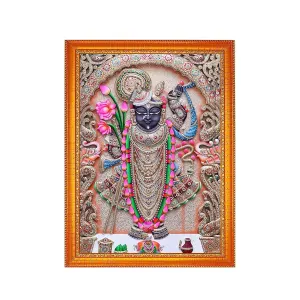
Dwarkadhish Photo Frame for Home Mandir
View details
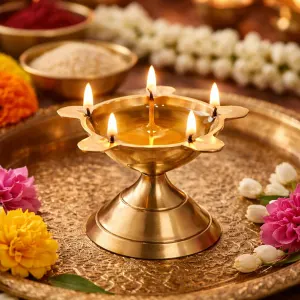
Brass Panchmukhi Diya for Aarti
View details
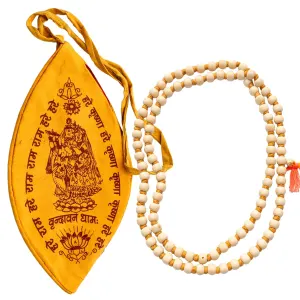
Tulsi Mala 108 Beads with Japa Bag
View details
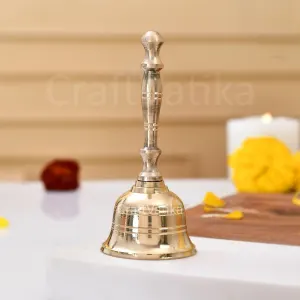
Brass Puja Bell Ghanti for Mandir
View details
Pure Brass Lord Krishna Idol
View details

Laddu Gopal Poshak Dress Set with Mukut
View details

Original Shankh for Puja and Home Mandir
View details
Wooden Home Mandir Temple for Pooja Room
View details